
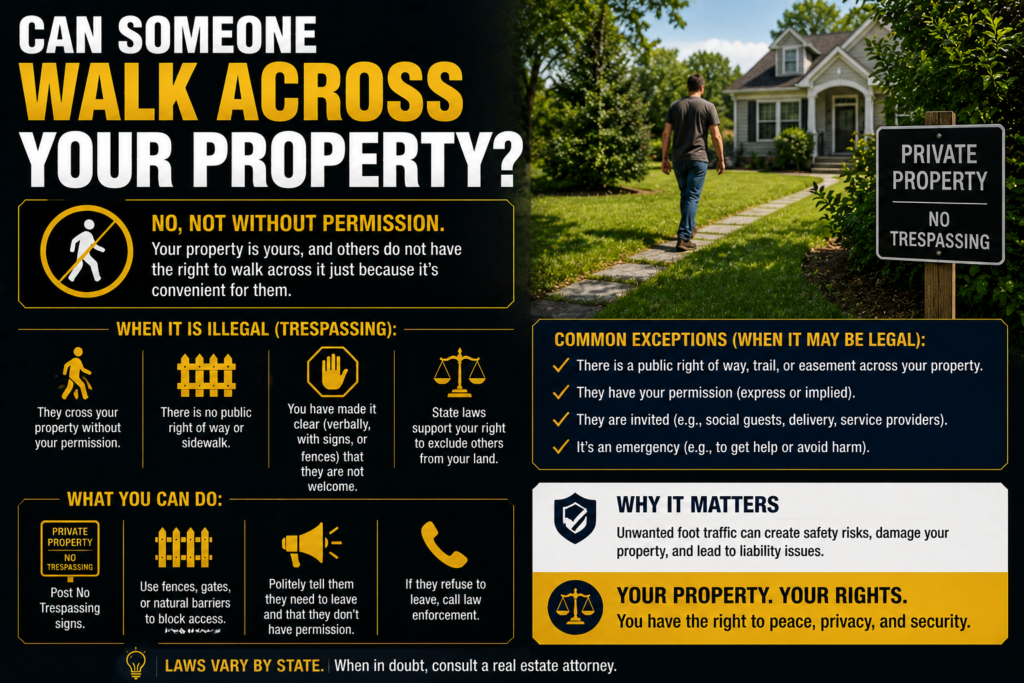
Many property owners have experienced the same frustration.
You look outside and see someone cutting across your yard, walking through a field, crossing your driveway, or using your property as a shortcut.
Sometimes it is a neighbor.
Sometimes it is a stranger.
Sometimes it happens so often that property owners begin wondering whether they can stop it.
The answer depends on several factors, including property ownership, easements, permission, and applicable laws.
Quick Answer
In many situations, people do not automatically have the right to walk across private property without permission. However, easements, access rights, utility rights, and other legal circumstances can affect whether access is allowed.
Why People Often Assume They Can Cross Private Property
Many people view a shortcut as harmless.
Common examples include:
- Walking across a yard
- Crossing a field
- Using a private driveway
- Walking through wooded property
- Crossing vacant land
The property owner may see the situation very differently.
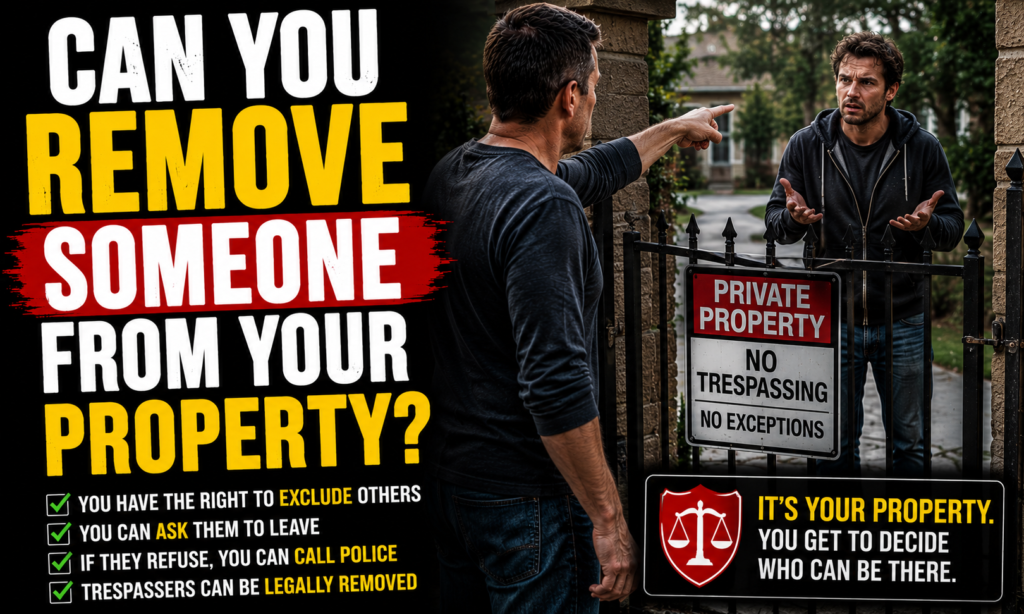
Private property rights often give owners significant control over who may enter and use their land.

Property Boundaries Matter
Before addressing any access issue, it is important to understand where your property boundaries are located.
Many disputes occur because neither party is completely certain where the property line actually exists.
If you have not already confirmed your boundaries, see:
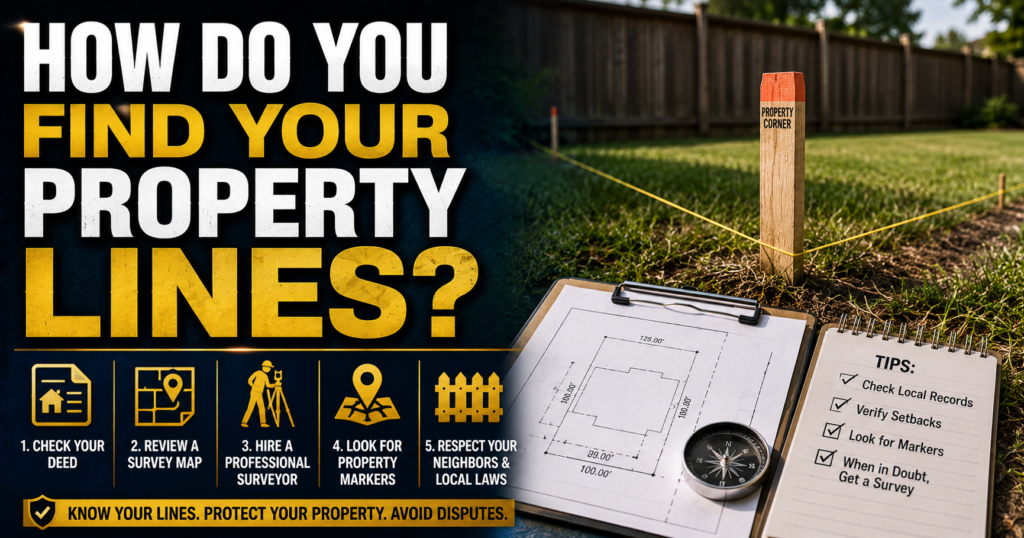
How Do You Find Your Property Lines?

Many landowners also choose to mark property corners clearly (https://amzn.to/49O2ift) after boundaries have been verified.
Easements Can Create Exceptions
Not every person crossing property is necessarily trespassing.
Some properties contain easements that allow specific access rights.
Examples include:
- Utility easements
- Shared driveway easements
- Access easements
- Right-of-way easements
You may also find helpful information in:
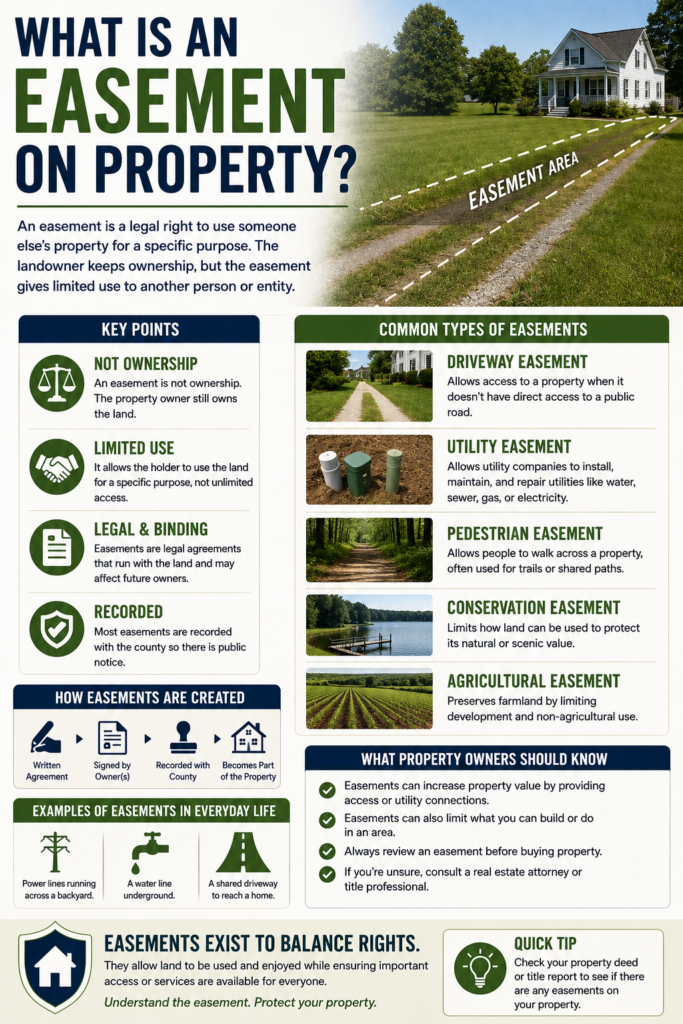
What Is an Easement on Property?
Understanding whether an easement exists is often one of the first steps in evaluating an access dispute.
Neighbors Frequently Create Access Disputes
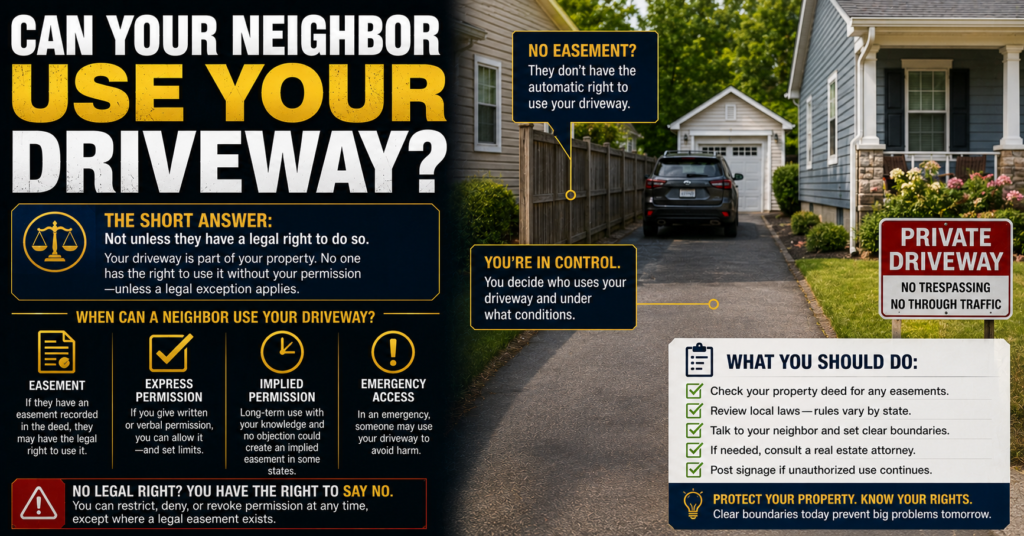
Many property owners first encounter this issue when a neighbor regularly crosses part of their property. When the crossing involves a driveway, Can Your Neighbor Use Your Driveway? addresses the property and access issues that may apply.
Examples include:
- Walking through a yard
- Crossing a driveway
- Accessing another property
- Using a shortcut
These situations often create tension because both sides may view the situation differently.
Trespassing Questions Often Follow
When access occurs without permission, property owners frequently begin asking whether the conduct may qualify as trespassing.
For a more detailed discussion, see:
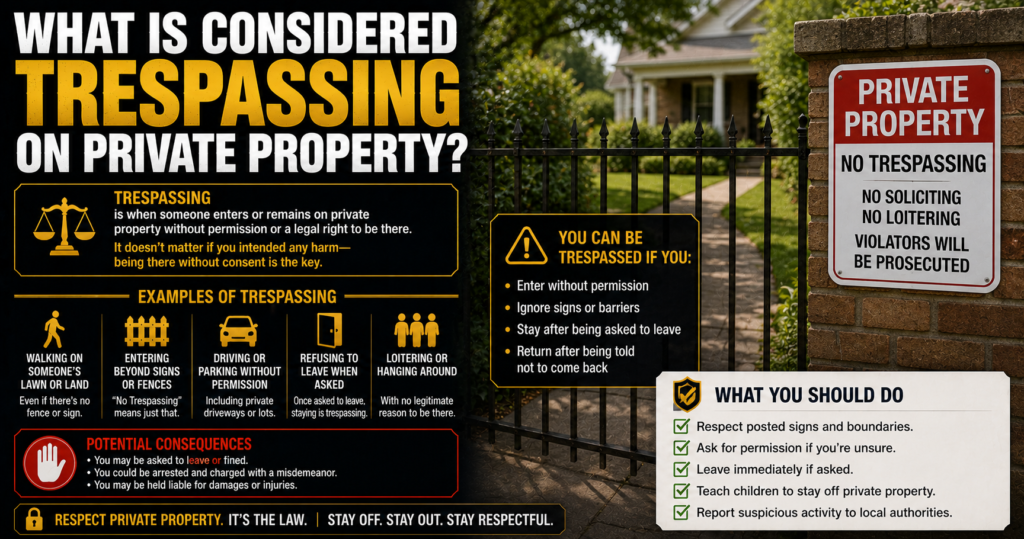
What Is Considered Trespassing on Private Property?
Understanding the difference between lawful access and unauthorized entry is often key to resolving disputes.
Security Cameras Can Help Document Activity
When repeated access occurs, documentation can become valuable.

Many homeowners choose to monitor driveways, gates, and property entrances with outdoor security cameras (https://amzn.to/4vGAS3C) so activity can be documented if questions arise later.
Video footage may help establish:
- Dates
- Times
- Frequency of access
- Vehicle activity
- Property damage
Larger Properties Can Be Harder to Monitor
Owners of acreage, farmland, hunting land, and wooded property often face additional challenges.

Many landowners choose to monitor remote trails and property entrances with trail cameras (https://amzn.to/4vDQc0L) where traditional cameras may not be practical.
Remote monitoring can help property owners better understand how their land is being accessed.

Understanding the Facts Comes First
Before assuming someone has a right to cross your property or assuming they do not, it is important to understand:
- Property boundaries
- Easements
- Access rights
- Prior agreements
- Local laws
The specific facts often determine whether access is authorized or not.
What If Someone Uses Your Property as a Shortcut Every Day?
This is one of the most common complaints property owners have.
Many people become frustrated when the same individual repeatedly:
- Walks through a yard
- Crosses a field
- Cuts through a wooded area
- Uses a driveway
- Walks between properties
While the person crossing the property may view the shortcut as harmless, the property owner may see it as an invasion of privacy or a property rights issue.
Repeated access is often what turns a minor annoyance into a larger dispute.
What About Delivery Drivers and Service Workers?
Not everyone entering private property is necessarily doing something improper.
Many property owners expect certain individuals to enter portions of the property for legitimate purposes.
Examples may include:
- Mail carriers
- Package delivery drivers
- Utility workers
- Contractors
- Emergency responders
These situations are often different from someone entering property for personal convenience or recreation.
The specific circumstances matter.
Can Posting Signs Help?
In many situations, signs help remove confusion.
Clearly posted signs can communicate that:
- The property is private
- Access is not authorized
- Surveillance may be occurring
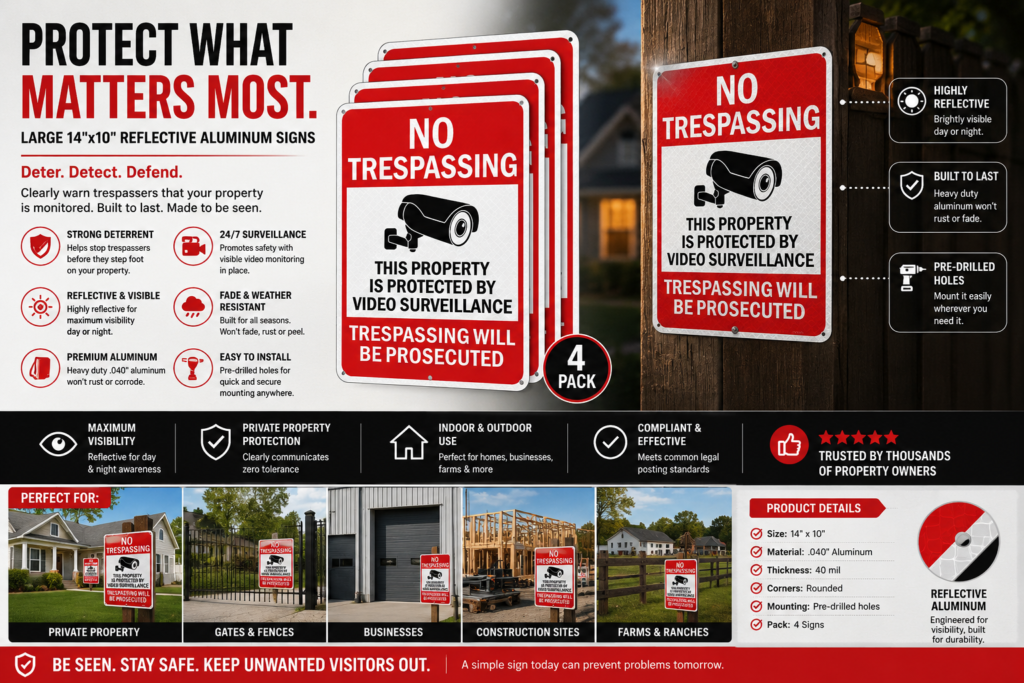
Many property owners choose to post visible No Trespassing notices around common entry points (https://amzn.to/4edcE9Z) to make expectations clear before problems arise.
You may also find useful information in:
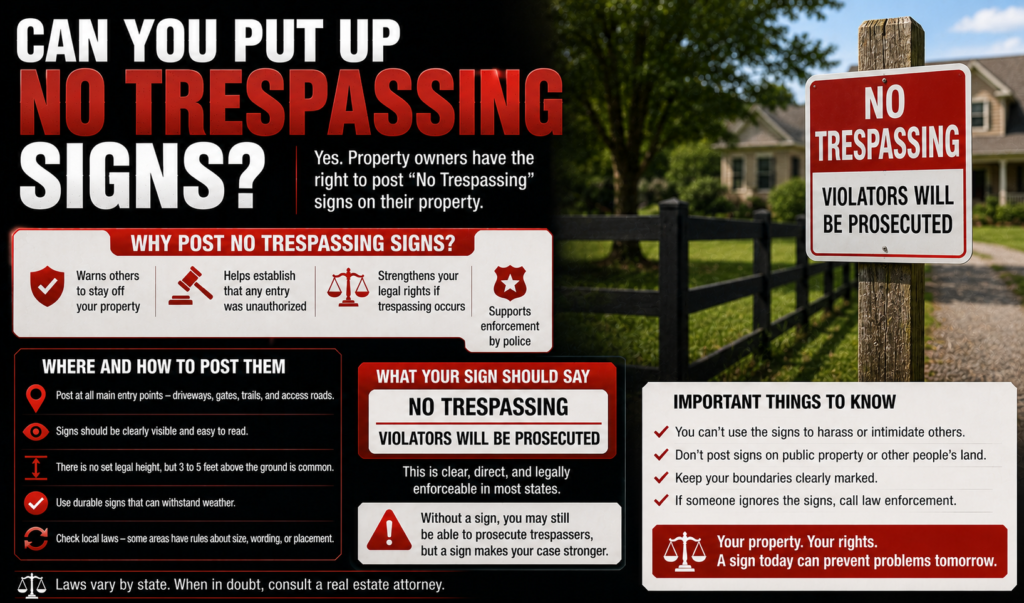
Can You Put Up No Trespassing Signs?
Why Surveillance Signs Can Be Effective
Sometimes the goal is not stopping every person from entering.
The goal is making it clear that the property is private and activity may be monitored.
Many property owners combine No Trespassing notices with surveillance warnings because they often encourage people to think twice before entering private property.
Security Cameras Can Help Establish a Pattern
One isolated incident may not tell the full story.
Repeated activity is often what concerns property owners most.
Many homeowners choose to document recurring access with outdoor security cameras placed near entrances and driveways (https://amzn.to/4vGAS3C).
Video footage can help establish:
- How often access occurs
- When it occurs
- Whether vehicles are involved
- Whether property damage occurred
Documentation is often far more useful than relying solely on memory.
Lighting Can Improve Visibility
Many access issues occur during early morning, evening, or nighttime hours.

Property owners frequently choose to improve visibility around entrances, gates, and driveways with motion-activated security lighting (https://amzn.to/4fHo6gv).
Better visibility can discourage unwanted activity and improve recorded footage.
Large Properties Often Require Additional Monitoring
Owners of farms, hunting land, timber ground, and acreage often face challenges because they cannot observe every part of the property.
Many landowners choose to monitor remote trails and wooded access points with trail cameras (https://amzn.to/4vDQc0L).
This can provide valuable information about how the property is being accessed.
Communication Sometimes Solves the Problem
Not every situation requires legal action.
Sometimes a neighbor, visitor, or local resident simply does not understand that their actions are creating concerns.
A respectful conversation may resolve misunderstandings before they become larger disputes.
Of course, not every situation is that simple, but communication is often a useful first step.
Frequently Asked Questions
Can someone legally walk across my property?
In many situations, people do not automatically have the right to walk across private property without permission. Easements, access rights, and other legal factors may affect the answer.
Is walking across private property considered trespassing?
It can be, depending on the circumstances, property rights involved, and applicable laws.
What if a neighbor cuts across my yard every day?
Repeated access is one of the most common property disputes homeowners experience. Property boundaries, easements, and local laws often play important roles in determining what rights exist.
Can I post No Trespassing signs?
Many property owners choose to post signs to clearly communicate that the property is private and access is not authorized.
Can security cameras help?
Many homeowners use cameras to document repeated access, vehicle activity, and property damage.
What if someone damages my property while crossing it?
Property owners often document the damage using photographs, video footage, estimates, and other evidence.
Do easements allow people to cross private property?
Some easements provide specific access rights. The scope of those rights depends on the type of easement and the circumstances involved.
How do I know where my property line is?
Property owners commonly review surveys, deeds, title documents, and county records to determine property boundaries.
Important Information
This article is provided for educational and informational purposes only and should not be considered legal advice. Property rights, easements, trespassing laws, and access rights vary by state and individual circumstances. Consult a qualified attorney, surveyor, or other professional regarding your specific situation.
For more information about our content standards, visit our Editorial Policy and Fact-Checking Policy pages.
About the Author
Sarah Reynolds is a legal research contributor for Legal Know It All who focuses on property rights, neighbor disputes, real estate issues, and practical legal topics affecting homeowners and landowners. She researches common property-related legal questions and helps explain complex legal concepts in straightforward language that readers can easily understand.
As an Amazon Associate we earn from qualifying purchases through some links in our articles. Learn more.