
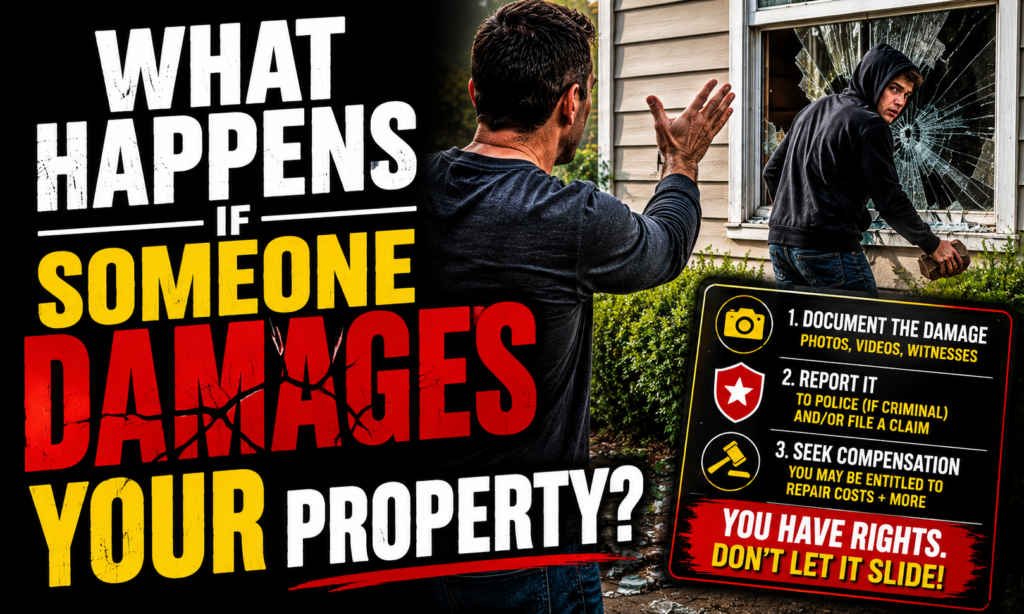
What Happens If Someone Damages Your Property?
A damaged fence, mailbox, vehicle, or yard can create major headaches. Here’s what property owners should know when someone damages private property.
A damaged fence, mailbox, vehicle, or yard can create major headaches. Here’s what property owners should know when someone damages private property.
Learn what happens if someone refuses to leave your property, common trespassing situations, and what property owners should know.
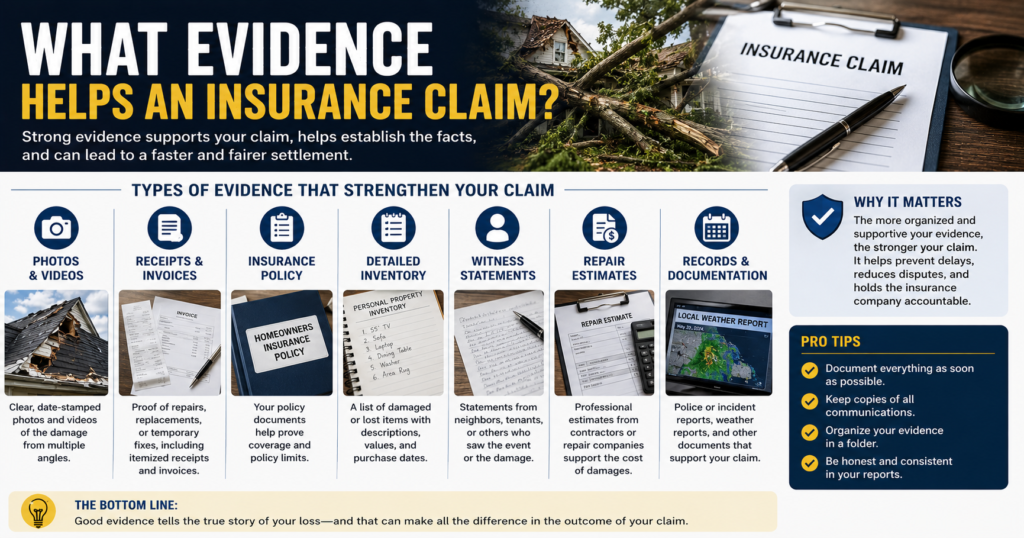
Learn what evidence can strengthen an insurance claim, including photos, videos, receipts, estimates, records, and witness statements.
Learn what happens if an insurance claim is denied, common reasons for denials, and what options policyholders may still have afterward.
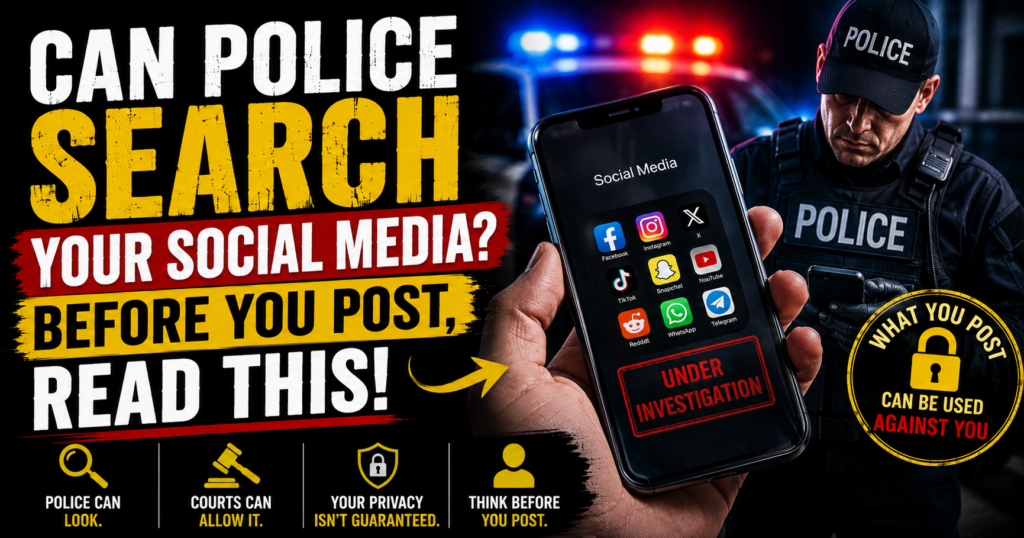
Many people share their lives online without realizing who may be looking. Here’s what Americans should know about social media and privacy rights.
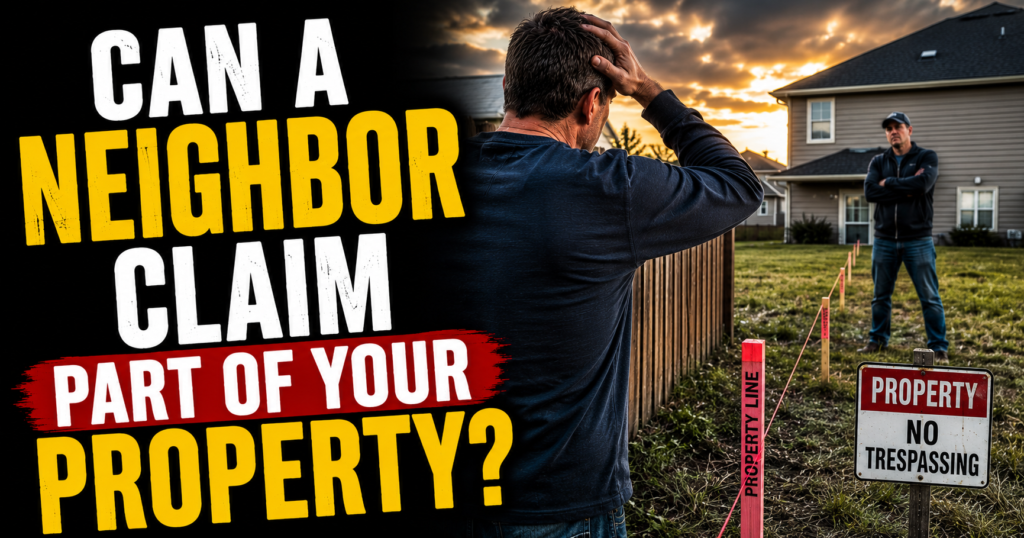
Your neighbor says part of your yard belongs to them. Before you panic, here’s what homeowners should know about property claims and boundary disputes.
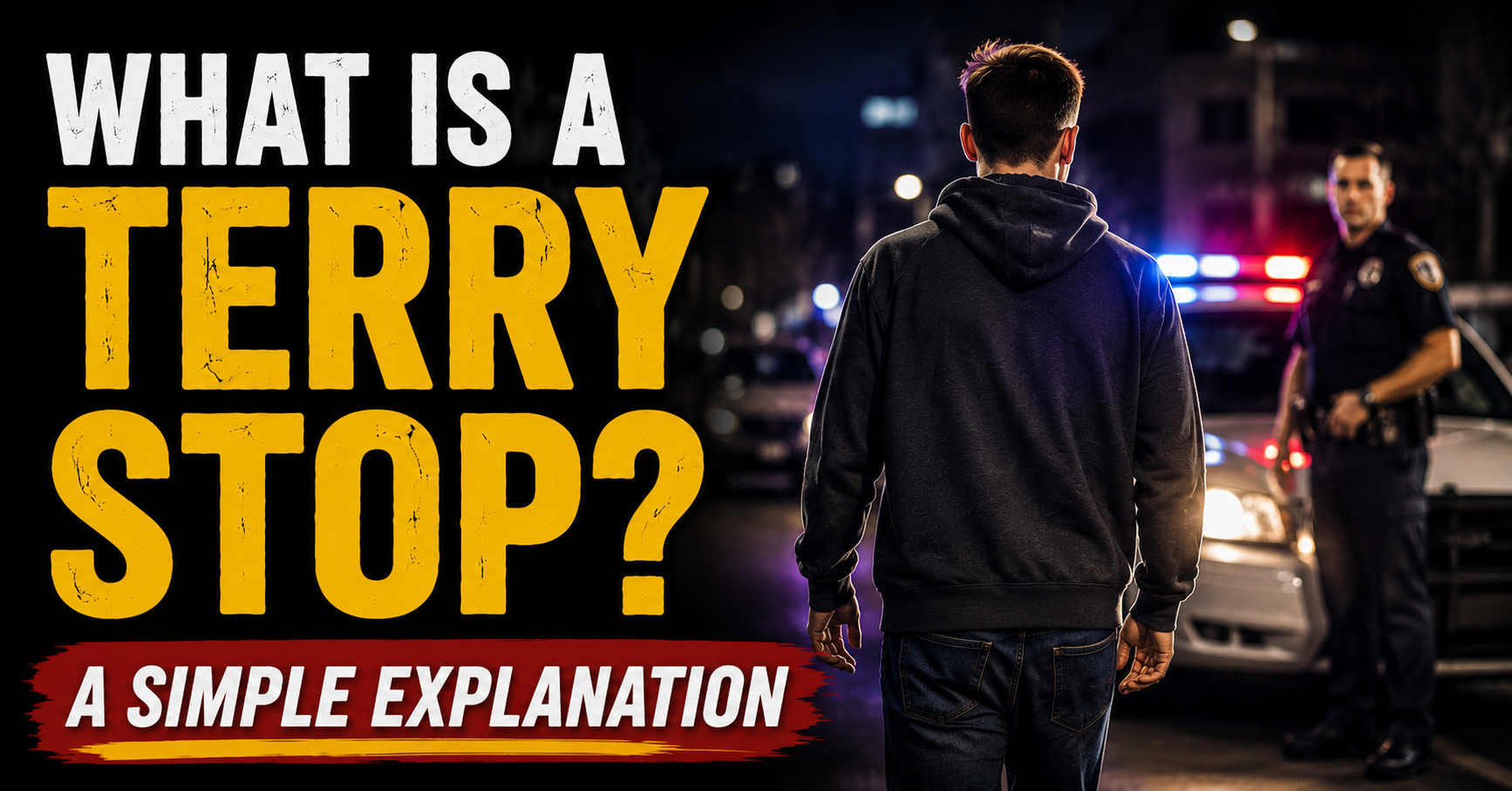
A Terry stop is one of the most important Fourth Amendment concepts. Learn what it is, why it matters, and how it differs from an arrest.
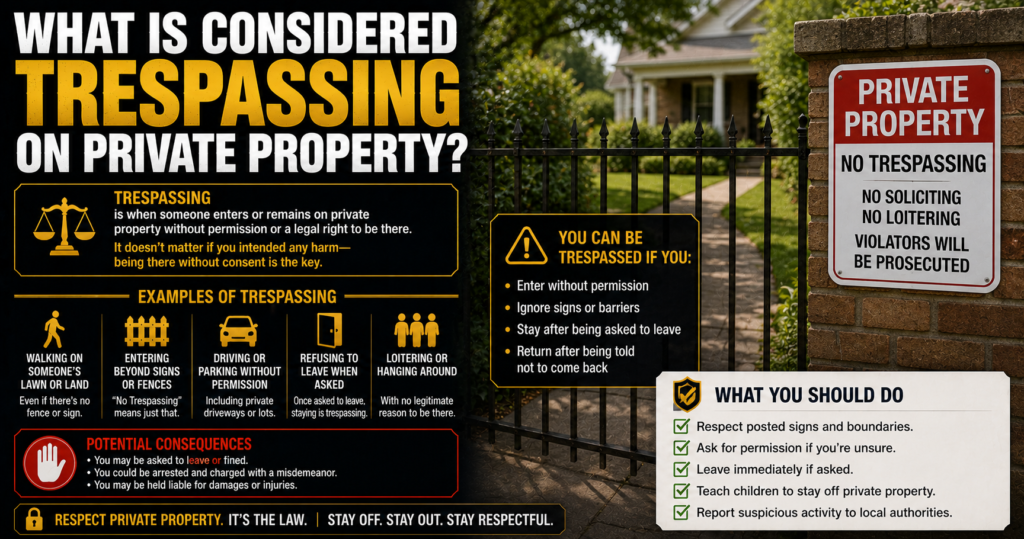
Learn what is considered trespassing on private property, common examples of trespassing, and what rights property owners may have.
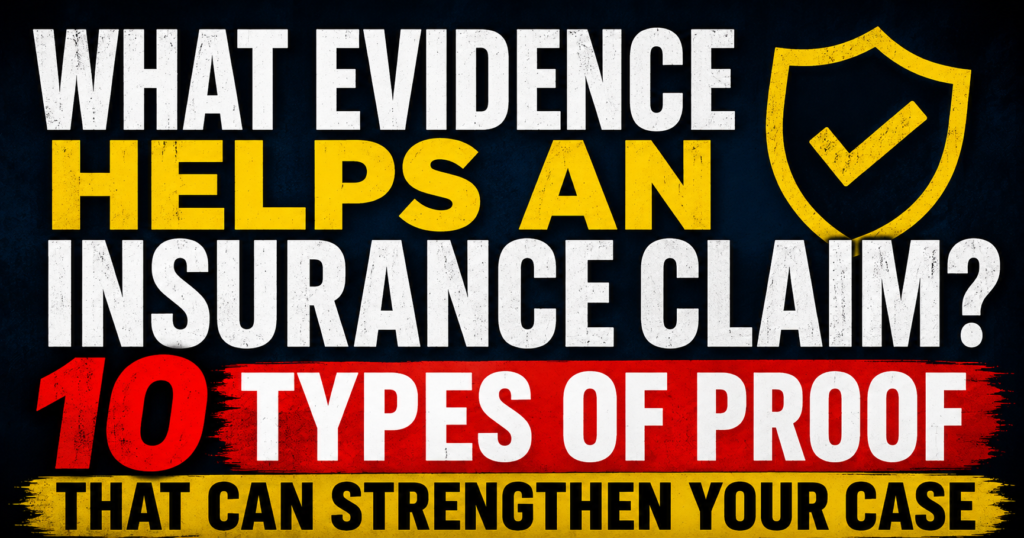
Throwing damaged property away too soon can make an insurance claim harder to prove. Photos, receipts, weather reports, repair estimates, witness statements, and a clear timeline can help establish what happened, what was lost, and how much compensation you’re requesting.
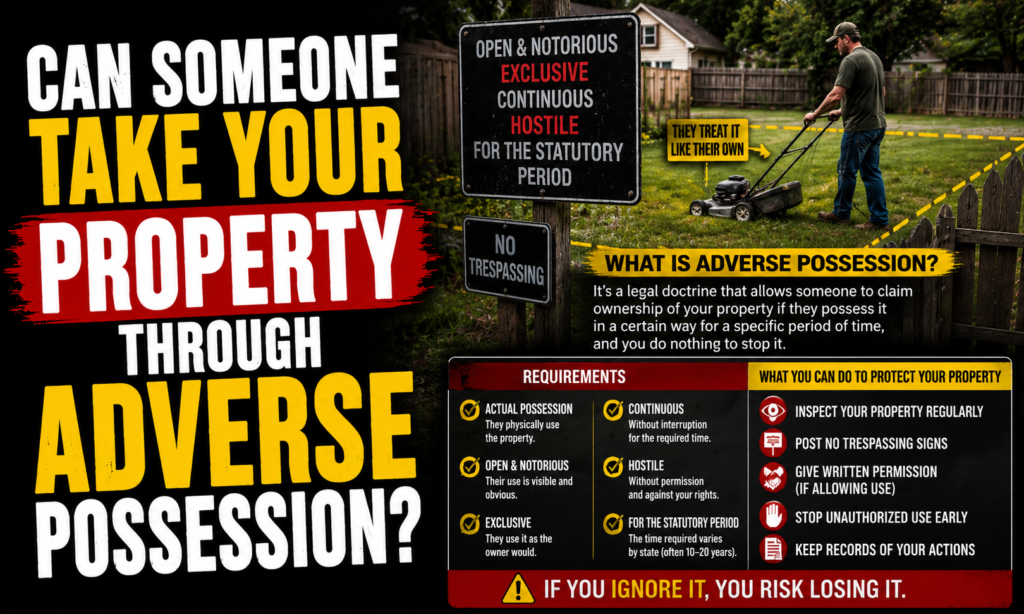
Could years of use eventually create ownership claims? Discover what property owners should know about adverse possession and boundary disputes.
Learn what happens if an insurance settlement is too low, why low offers occur, and what options policyholders may have to seek additional compensation.
Learn how long an insurance claim typically takes, why delays happen, and what rights policyholders may have when claims take too long.