
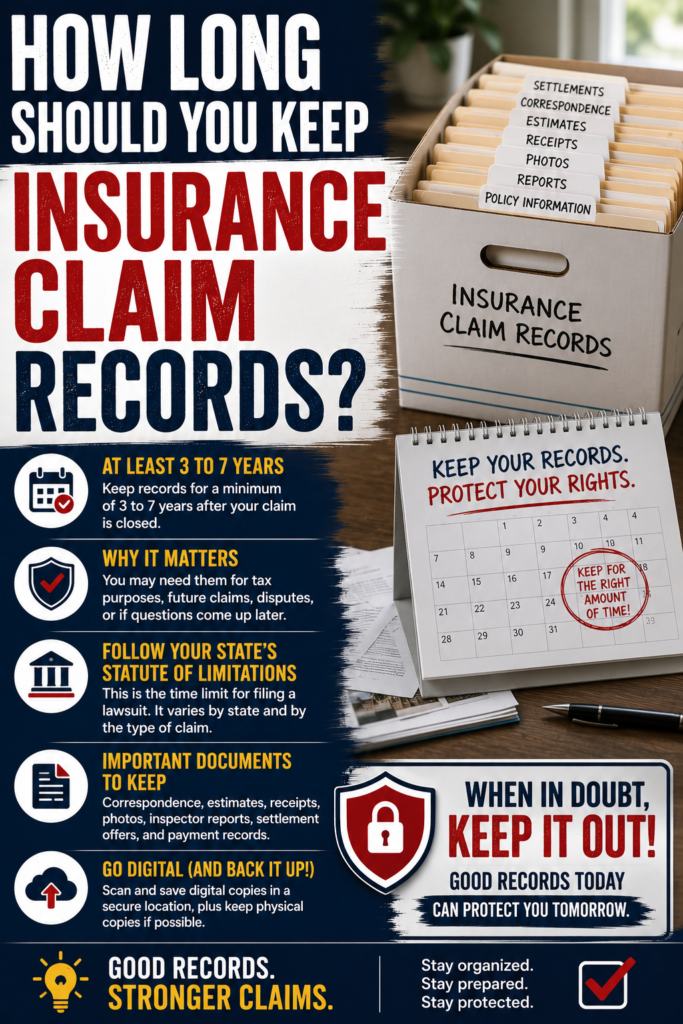
How Long Should You Keep Insurance Claim Records?
Many people carefully save documents while an insurance claim is active.
Then the claim is settled, the repairs are completed, and the paperwork gets pushed into a drawer or thrown away.
That can be a mistake.
Insurance claim records may still be important months or even years after a claim is closed.
Questions can arise about repairs, payments, property damage, medical treatment, or claim decisions long after the original claim appears finished.
For that reason, keeping claim records longer than you think you need them is often a smart decision.
Quick Answer
There is no single retention period that applies to every insurance claim. The appropriate amount of time depends on the type of claim, the documents involved, potential future disputes, state laws, tax considerations, and personal circumstances. Many people choose to keep important insurance claim records for several years after a claim is resolved.
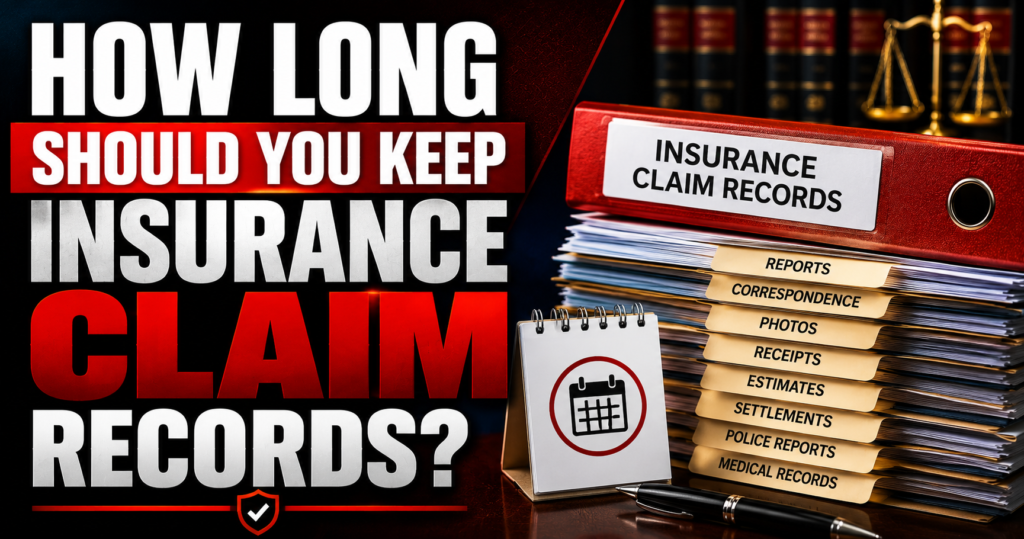
Why Insurance Claim Records Matter After a Claim Is Closed
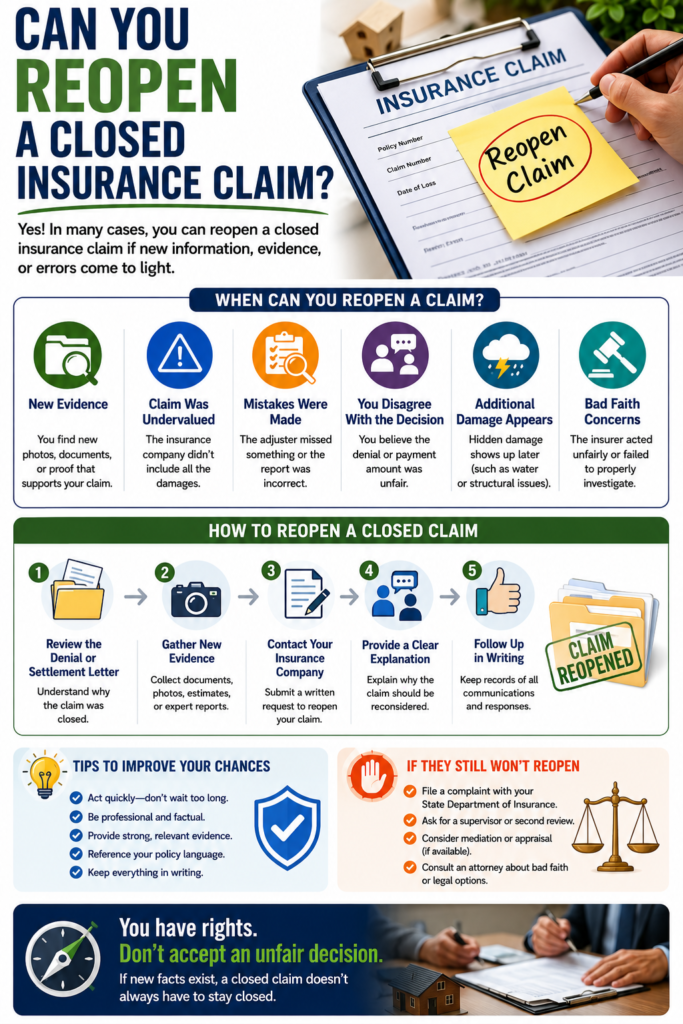
People often assume a closed claim means the paperwork will never be needed again. Keeping those records can matter if you later need to Can You Reopen a Closed Insurance Claim?.
In reality, claim records can become important later for many reasons.
Examples include:
- Questions about repairs
- Additional damage discoveries
- Property sales
- Tax issues
- Insurance disputes
- Reopened claims
- Future claims involving the same property
Good records can make these situations much easier to handle.
What Insurance Claim Records Should You Keep?
Some documents are more important than others.
Examples worth retaining often include:
- Claim numbers
- Policy information
- Settlement agreements
- Denial letters
- Repair estimates
- Inspection reports
- Receipts
- Correspondence
- Photographs
- Videos
If you’re unsure which records should be preserved, you may also find helpful information in:
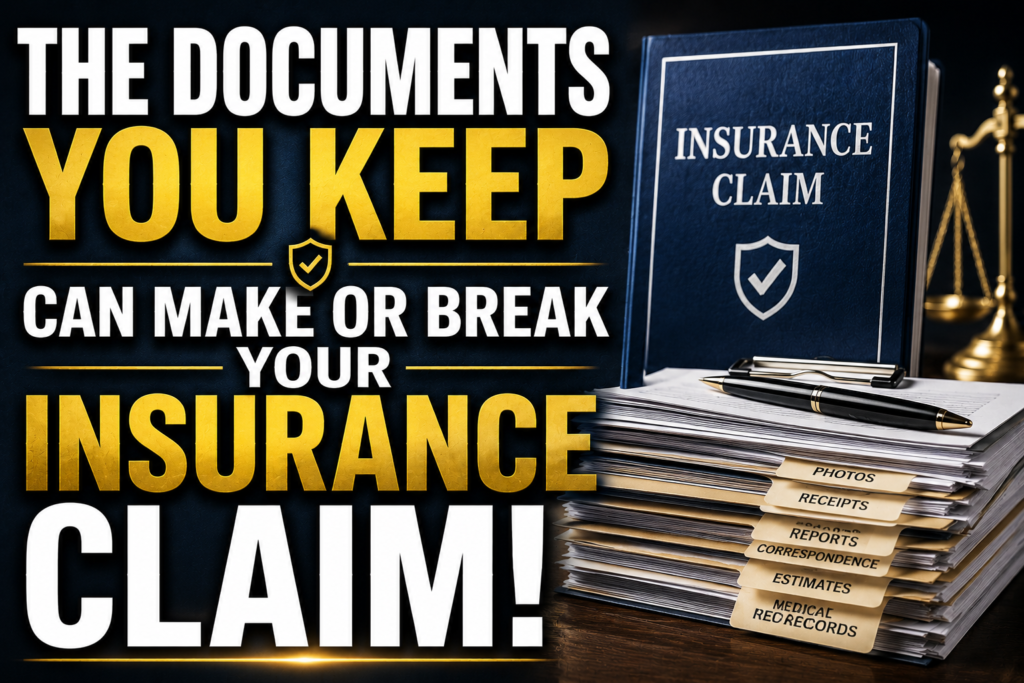
What Documents Should You Keep for an Insurance Claim?
Why Photos and Videos Are Often Worth Keeping
Visual evidence can be difficult or impossible to recreate later.
Photos may document:
- Vehicle damage
- Property damage
- Storm damage
- Water damage
- Accident scenes
Videos can be equally valuable.

Many drivers preserve accident footage using the VNV Front and Rear Dash Cam for Accident Evidence because video evidence may help clarify facts if questions arise later.
Property Claims Often Require Longer Recordkeeping
Homeowners frequently discover that property-related claims generate paperwork that remains useful for years.
Examples include:
- Roof repairs
- Water damage repairs
- Structural repairs
- Fire damage restoration
Future buyers, contractors, inspectors, or insurance companies may request documentation regarding past repairs.
Having records readily available can save significant time and frustration.
Injury Claims May Require Long-Term Documentation
Medical-related claims often involve records that remain important long after treatment ends.
Examples include:
- Medical bills
- Treatment records
- Physician reports
- Therapy records
- Prescription information
Because circumstances vary widely, many people choose to retain injury-related documentation longer than they initially expect.
What About Denied Claims?
Denied claims may be especially important to document.
Records worth keeping include:
- Denial letters
- Correspondence
- Supporting evidence
- Inspection reports
- Appeal documents
Questions sometimes arise long after a denial occurs.
For readers dealing with denied claims, you may also find useful information in:
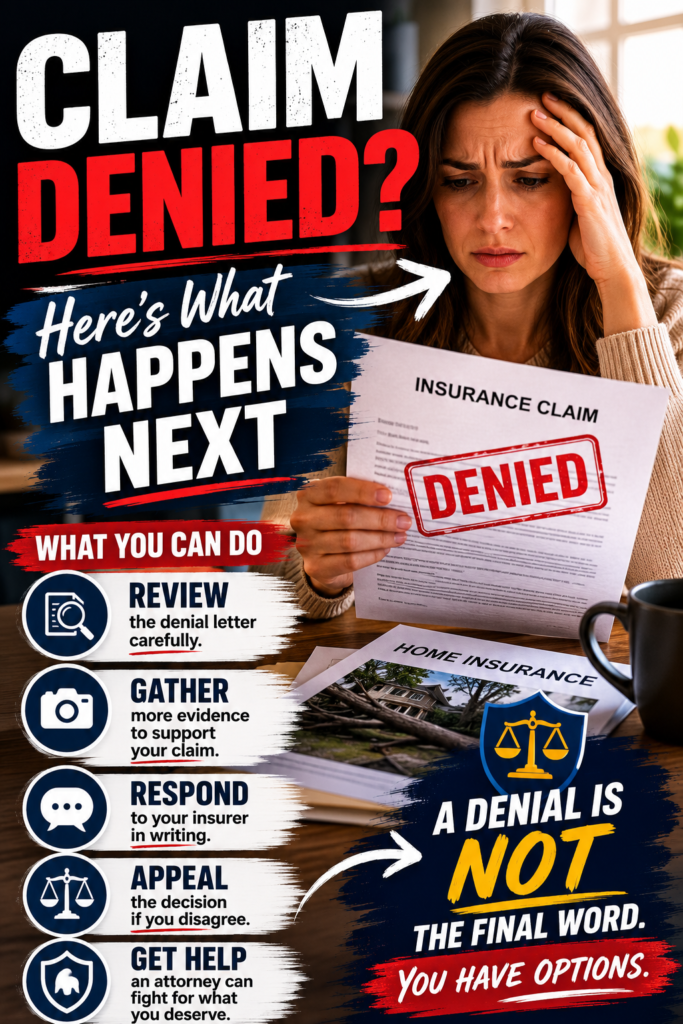
What Happens If an Insurance Claim Is Denied?
and
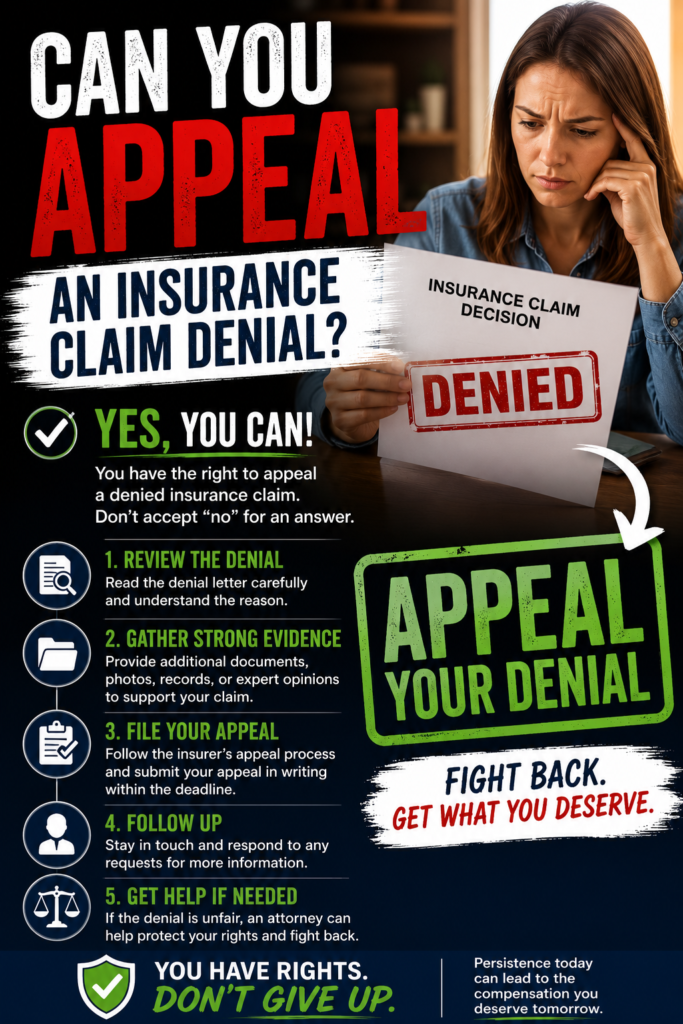
Can You Appeal an Insurance Claim Denial?
Digital Copies Can Make Long-Term Storage Easier
Paper records can become difficult to organize over time.
Many people create digital copies of:
- Settlement documents
- Estimates
- Receipts
- Reports
- Correspondence
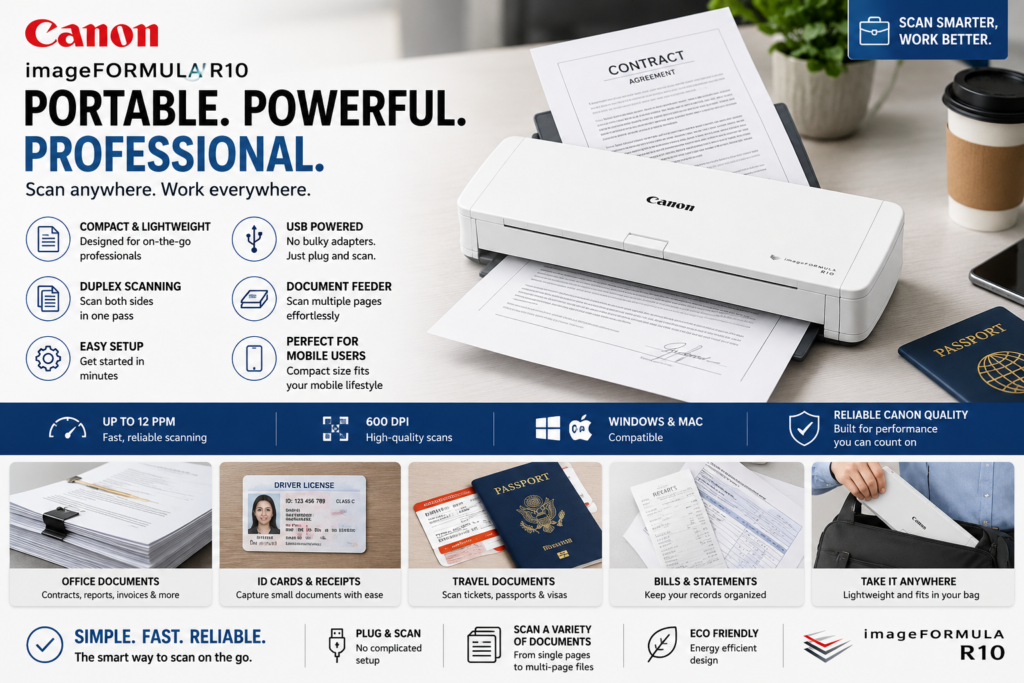
The Canon imageFORMULA Portable Document Scanner can make it easier to create organized digital records that remain accessible for years.
Digital copies can also provide backup protection if original paperwork is damaged or lost.
Protecting Original Documents
Even when digital copies exist, many people prefer to keep original paperwork.
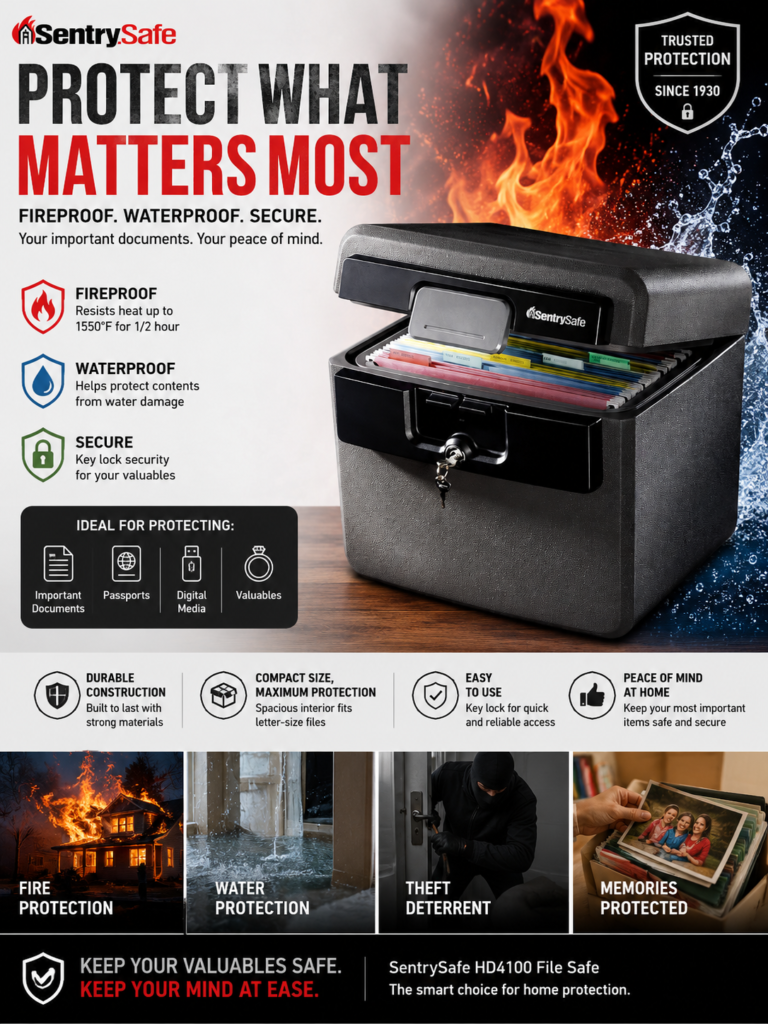
Important records are often stored in a SentrySafe Fireproof Waterproof Document Safe or an ENGPOW Fireproof Document Storage Box to help protect documents from fire, water damage, and accidental loss.
Recordkeeping Is Easier Than Rebuilding a File
Trying to recreate a claim file years later can be difficult.
Emails may be deleted.
Photos may be lost.
Receipts may disappear.
Keeping organized records from the beginning is usually much easier than attempting to locate missing information later.
For many people, the small amount of effort required to preserve claim records provides valuable peace of mind.
When Can Insurance Claim Records Be Discarded?
This is one of the most common questions people ask after a claim has been resolved.
Unfortunately, there is no universal answer.
The appropriate retention period depends on factors such as:
- The type of claim
- Whether disputes remain unresolved
- Tax considerations
- Property ownership issues
- State laws
- Personal circumstances
Because every situation is different, many people choose to keep important claim records longer rather than risk needing them later.
Consider Keeping Records Longer If Questions Remain
Some situations may justify retaining records for an extended period.
Examples include:
- Ongoing repair issues
- Additional damage concerns
- Unresolved disputes
- Medical treatment still in progress
- Pending legal matters
If uncertainty exists, preserving records is often the safer approach.
Why Property Owners Often Keep Records for Years
Property-related claims frequently involve repairs that may affect a home long after the original damage occurred.
Future buyers, inspectors, contractors, or insurance companies may ask questions regarding:
- Roof replacements
- Structural repairs
- Water damage restoration
- Fire damage repairs
Having documentation available can help answer those questions quickly.
Why Vehicle Claim Records May Still Matter Later
Vehicle claims sometimes continue to affect owners long after repairs are completed.
Examples include:
- Warranty issues
- Vehicle history questions
- Subsequent accidents
- Insurance inquiries
Keeping repair records, estimates, photographs, and settlement documents may prove useful if questions arise later.
Why Digital Backups Are Worth Considering
Many people store records in multiple locations.
A common approach includes:
- Original documents
- Digital scans
- Cloud backups
Creating digital copies with the Canon imageFORMULA Portable Document Scanner can make long-term storage and retrieval much easier.
When documents are organized electronically, locating a record years later often takes seconds rather than hours.
Protecting Important Documents
Insurance records frequently contain sensitive information such as:
- Addresses
- Policy numbers
- Financial information
- Medical information
- Personal details
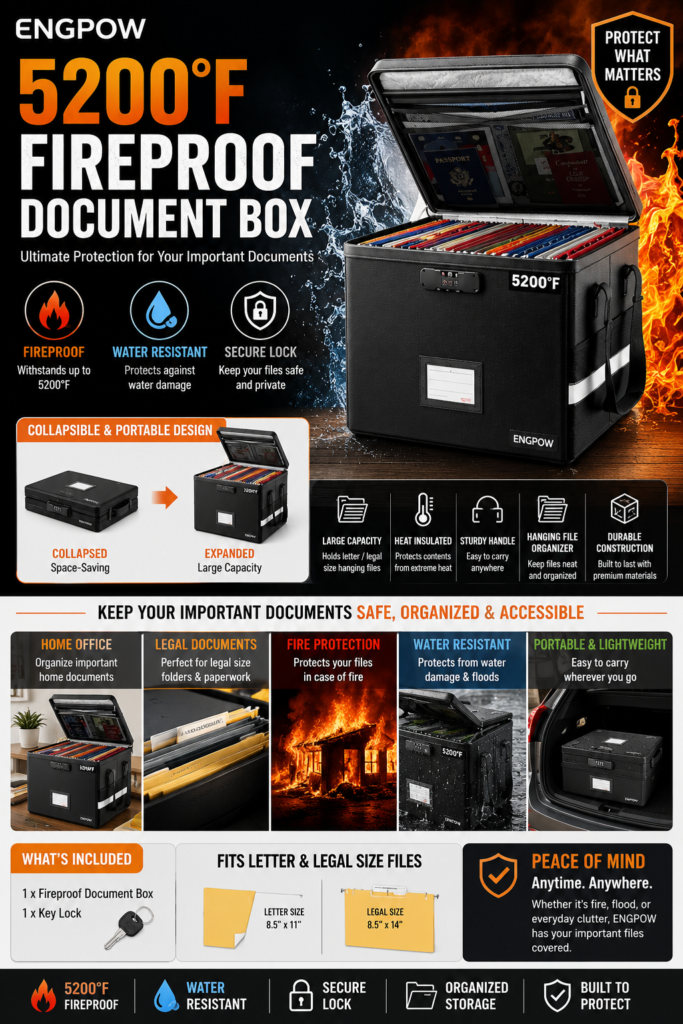
Because of this, many people store important paperwork in a SentrySafe Fireproof Waterproof Document Safe or an ENGPOW Fireproof Document Storage Box to help reduce the risk of loss or damage.
Don’t Throw Away Sensitive Documents Without Destroying Them
Insurance paperwork often contains information that identity thieves would find valuable.
Examples include:
- Claim numbers
- Personal information
- Financial records
- Insurance account information
When records are no longer needed, many people use the Amazon Basics Cross-Cut Paper Shredder to help securely destroy documents rather than placing them directly in the trash.
Good Recordkeeping Supports Future Claims
Many homeowners and drivers discover that records from previous claims become useful during future insurance matters.
Past records may help establish:
- Repair history
- Prior damage
- Maintenance history
- Previous claim activity
Having organized documentation available can make future claims easier to navigate.
Keeping Records Is Usually the Safer Choice
Most people never regret keeping insurance records too long.
What they often regret is discarding records they later need.
When uncertainty exists, preserving important documents generally provides more protection than disposing of them prematurely.
You may also find these related articles helpful:
- What Documents Should You Keep for an Insurance Claim?
- What Happens If an Insurance Claim Is Denied?
- Can You Appeal an Insurance Claim Denial?
- Can You Negotiate an Insurance Settlement?
- What Happens If an Insurance Settlement Is Too Low?
Frequently Asked Questions
How long should you keep insurance claim records?
There is no single rule that applies to every claim. The appropriate retention period depends on the type of claim, potential future disputes, state laws, and individual circumstances.
Should I keep records after a claim is settled?
In many situations, yes. Settlement documents, estimates, receipts, photographs, and correspondence may remain useful long after the claim is resolved.
Are digital copies enough?
Many people maintain both digital copies and original documents. Digital records are convenient, but original paperwork may still be valuable in certain situations.
Should I keep denial letters?
Yes. Denial letters often explain important claim decisions and may become useful if questions arise later.
What records should homeowners keep?
Homeowners often retain:
- Repair records
- Contractor estimates
- Settlement documents
- Inspection reports
- Photographs
- Receipts
What records should drivers keep?
Drivers often keep:
- Repair estimates
- Accident photographs
- Claim correspondence
- Settlement documents
- Repair invoices
Why should I keep photographs?
Photographs may document conditions that can never be recreated once repairs are completed.
Should old insurance records be shredded?
Because insurance documents often contain sensitive information, many people choose to destroy them securely using a cross-cut shredder when they are no longer needed.
Important Information
This article is provided for educational and informational purposes only and should not be considered legal advice. Insurance laws vary by state, insurance policies differ, and individual circumstances can significantly affect claim outcomes. Consult a qualified attorney regarding your specific legal situation.
For more information about our content standards, visit our Editorial Policy and Fact-Checking Policy pages.
About the Author
Sarah Reynolds is a legal research contributor for Legal Know It All who specializes in insurance claims, consumer rights, and practical legal topics that affect everyday Americans. She focuses on helping readers understand complicated insurance processes, claim procedures, and policyholder rights using clear, easy-to-understand language.