
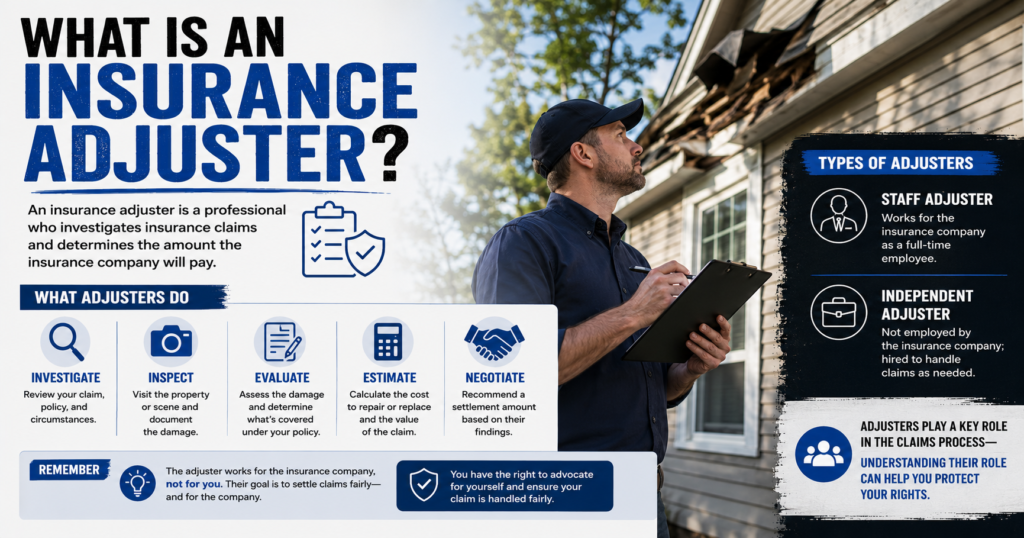
Understanding the Insurance Adjuster’s Role
Many people don’t think much about insurance adjusters until they file a claim.
Then suddenly the adjuster becomes one of the most important people involved in the process.
Whether you’re dealing with a vehicle accident, storm damage, water damage, theft, or another type of insurance claim, there’s a good chance an adjuster will be involved at some point.
Because adjusters play such an important role, many policyholders wonder what they actually do and whether they make the final decisions regarding claims.
Understanding the adjuster’s role can make the entire claims process much less confusing.
Quick Answer
An insurance adjuster is a professional who investigates insurance claims, reviews evidence, evaluates damages, gathers information, and helps the insurance company determine how a claim should be handled. Adjusters may inspect damage, interview involved parties, review documents, and prepare reports, but they do not always make the final claim decision themselves.
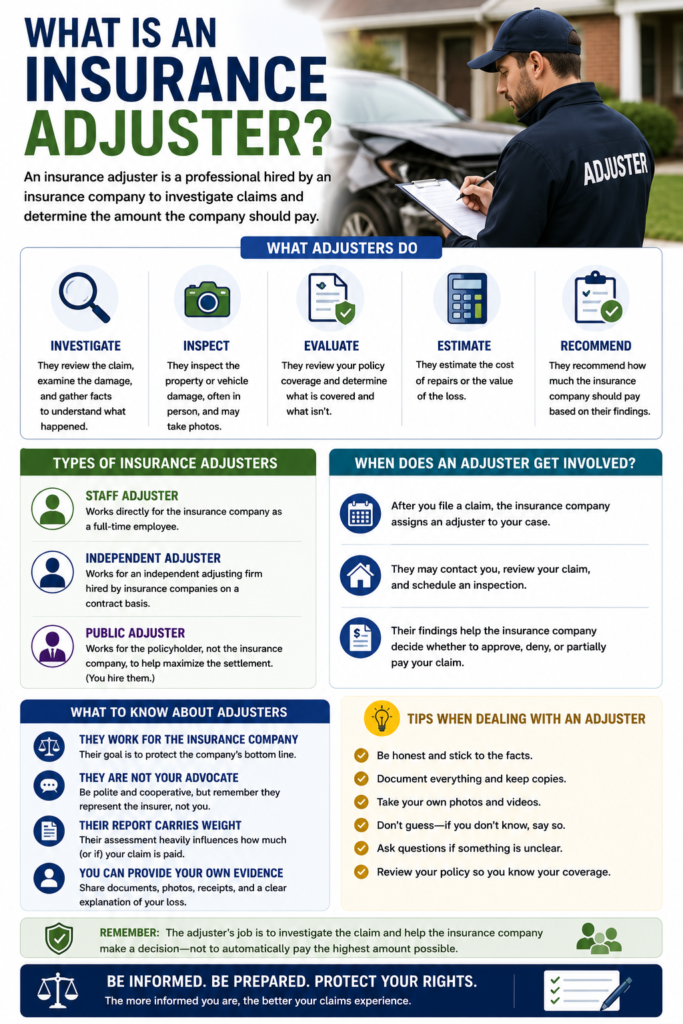
What Does an Insurance Adjuster Do?
The primary job of an insurance adjuster is to gather information.
Before an insurance company can decide whether a claim should be paid, denied, or further investigated, someone needs to determine what happened.
That’s where the adjuster comes in.
Depending on the claim, an adjuster may:
- Review photographs
- Inspect damage
- Interview witnesses
- Review repair estimates
- Analyze claim documents
- Evaluate evidence
- Prepare reports
- Recommend next steps
The goal is generally to provide the insurance company with enough information to evaluate the claim.
Why Insurance Companies Use Adjusters
Insurance companies handle thousands of claims.
Each claim is unique.
An adjuster helps bridge the gap between the reported loss and the insurance company’s decision-making process.
Without adjusters, insurers would have a much harder time determining:
- What happened
- Whether coverage applies
- How extensive the damage is
- What repairs may cost
- What additional information is needed
In many ways, adjusters serve as investigators for the claims process.
Types of Insurance Adjusters
Not all adjusters perform the same work.
Several types of adjusters may become involved depending on the claim.
Staff Adjusters
Staff adjusters work directly for insurance companies.
They handle claims on behalf of the insurer.
Independent Adjusters
Independent adjusters are not direct employees of the insurance company.
They are often hired to handle claims when additional help is needed.
This commonly occurs after major storms, natural disasters, or periods of high claim volume.
Public Adjusters
Public adjusters are different.
They generally work on behalf of policyholders rather than insurance companies.
Public adjuster rules vary significantly by state.
Because laws differ, readers should review applicable state requirements before assuming the same rules apply everywhere.
What Happens When an Adjuster Is Assigned?
After a claim is reported, the insurance company may assign an adjuster to review the loss.
The adjuster often becomes the primary point of contact during the investigation.
The process may include:
- Initial contact
- Information gathering
- Damage inspection
- Evidence review
- Report preparation
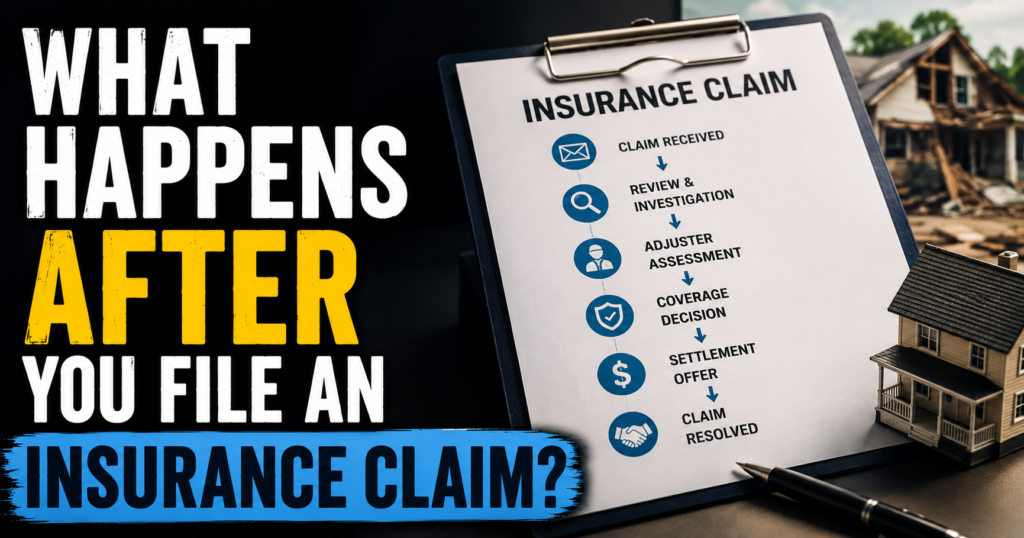
If you’re still early in the process, our article What Happens After You File an Insurance Claim? explains how adjusters fit into the larger claims process.
What Does an Adjuster Look For?
Every claim is different.
However, adjusters are often trying to answer several key questions.
What Happened?
The adjuster wants to understand the event that caused the loss.
When Did It Happen?
Timing can be important for coverage and claim verification purposes.
What Was Damaged?
The adjuster evaluates the extent of the damage being claimed.
How Much Will Repairs Cost?
Repair estimates frequently become an important part of the review process.
Is Additional Information Needed?
Some claims require more evidence before a recommendation can be made.
How Adjusters Evaluate Evidence
Evidence often plays a major role in claim investigations.
Examples include:
- Photographs
- Videos
- Receipts
- Estimates
- Witness statements
- Police reports
- Inspection reports
The stronger the evidence, the easier it often becomes to evaluate a claim.
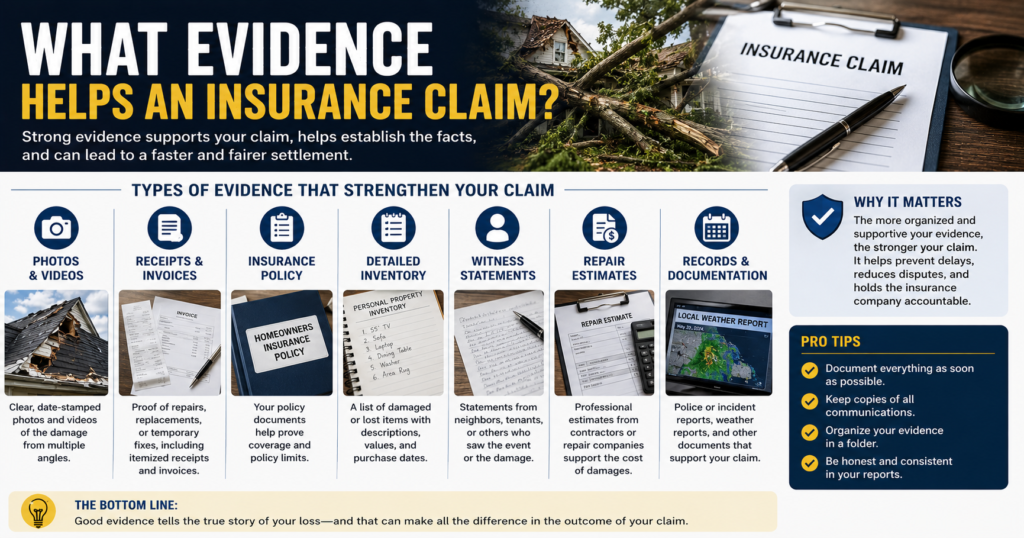
For a deeper discussion, see What Evidence Helps an Insurance Claim?.
Vehicle Claims Often Involve Significant Evidence Review
Vehicle accidents frequently involve conflicting accounts.
Drivers may disagree about:
- Fault
- Speed
- Traffic conditions
- What occurred before the collision
Video evidence can sometimes help clarify these disputes.

Many drivers use a VNV Front and Rear Dash Cam because recorded footage may help preserve important evidence that an adjuster can review during a claim investigation.
Do Insurance Adjusters Inspect Property Damage?
Often, yes.
Property claims commonly involve inspections of:
- Roof damage
- Storm damage
- Water damage
- Fire damage
- Structural damage
The adjuster may take photographs, measurements, and notes that become part of the claim file.
In some situations, contractors, engineers, or other specialists may also become involved.
Do Insurance Adjusters Make the Final Decision?
Not always.
This is one of the biggest misconceptions about insurance adjusters.
Many people assume the adjuster personally approves or denies every claim.
In reality, the final decision may involve:
- Claims managers
- Supervisors
- Coverage specialists
- Other insurance representatives
The adjuster’s report is often an important factor, but it may not be the only factor considered.
What Happens After an Insurance Adjuster Visits?
One of the most common questions policyholders ask is what happens after the inspection is complete.
The answer depends on the type of claim and the information gathered during the investigation.
After the visit, the adjuster may:
- Review photographs
- Analyze notes from the inspection
- Compare repair estimates
- Request additional documentation
- Prepare a report
- Submit recommendations
Some claims move forward quickly.
Others require additional review before a decision can be made.
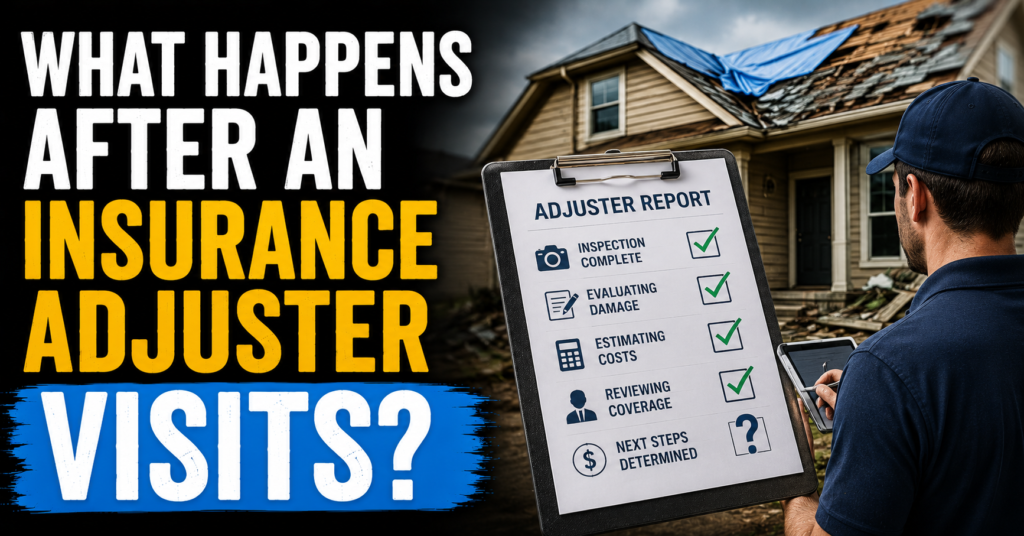
For a detailed breakdown, see What Happens After an Insurance Adjuster Visits?.
Why Adjusters Sometimes Request Additional Information
Many policyholders assume that once an inspection is complete, the claim should be finalized immediately.
That is not always the case.
Adjusters may still need:
- Additional photographs
- Repair estimates
- Contractor reports
- Medical records
- Receipts
- Proof of ownership
Requests for additional documentation do not automatically mean something is wrong with the claim.
Often, the adjuster simply needs more information to complete the investigation.
Why Some Claims Take Longer Than Others
Not all claims are equally complex.
Simple claims may be resolved relatively quickly.
More complicated claims often require additional review.
Factors that may affect claim timelines include:
- Severity of damage
- Number of parties involved
- Availability of evidence
- Weather-related claim volume
- Contractor availability
- Coverage questions
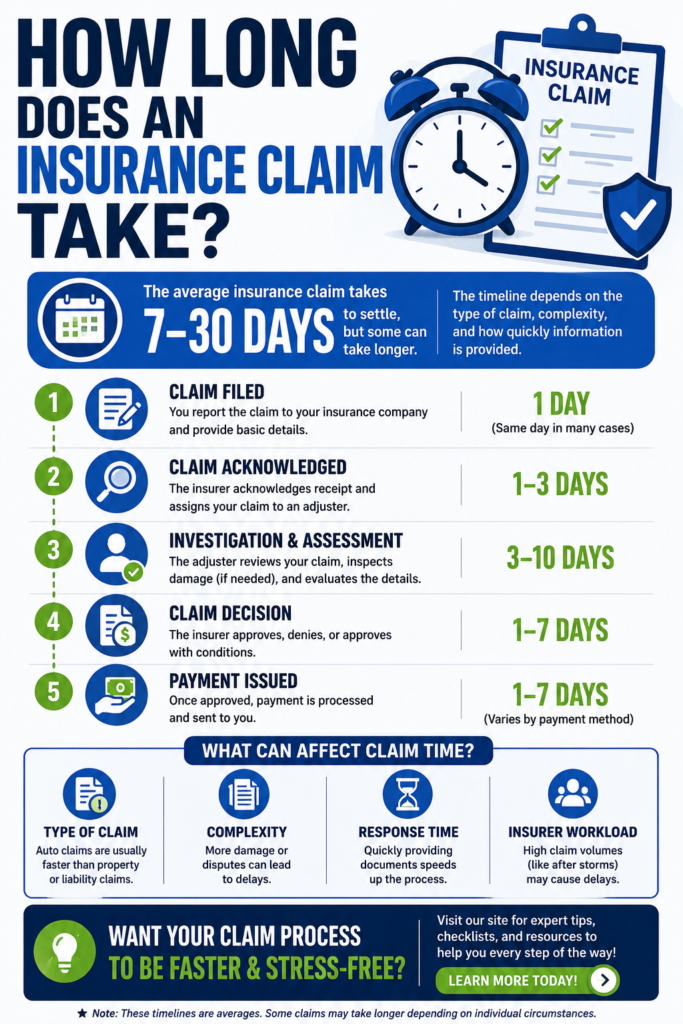
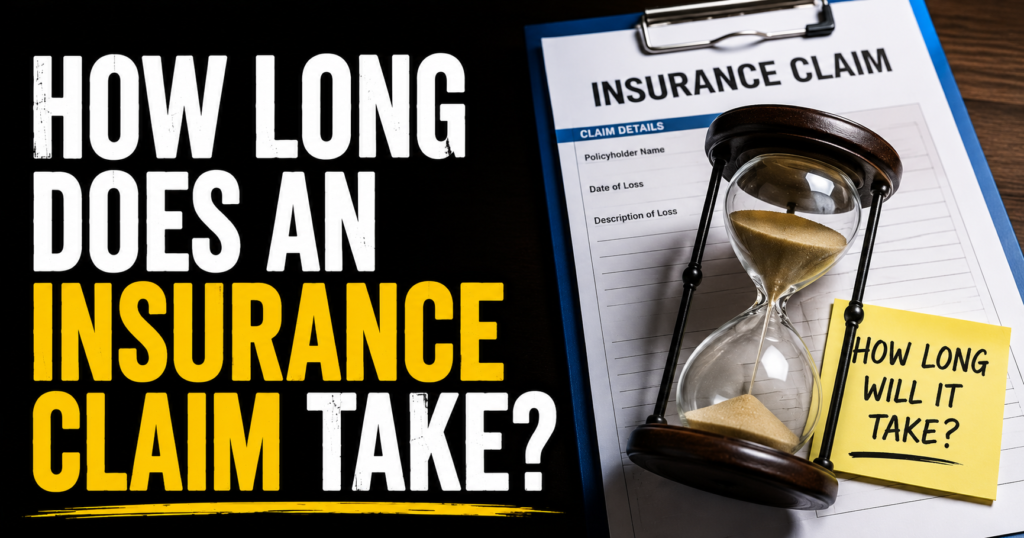
If you’re waiting on a claim decision, our article How Long Does an Insurance Claim Take? What to Expect explains many of the factors that influence claim timelines.
Does an Adjuster Decide How Much Money You Receive?
Adjusters often evaluate damages and review estimates, but the final amount paid can depend on several factors.
Examples include:
- Policy limits
- Deductibles
- Coverage provisions
- Repair estimates
- Additional reviews
This is one reason settlement amounts sometimes differ from what policyholders initially expect.
What If You Disagree With the Adjuster’s Findings?
Disagreements happen.
Examples include disputes involving:
- Repair costs
- Damage severity
- Cause of loss
- Coverage interpretations
When disagreements occur, additional documentation may help clarify the situation.
Providing additional evidence often leads to more productive discussions than relying solely on opinions or assumptions.
Does an Adjuster Work for You?
This is another common misconception.
Most insurance adjusters work for either the insurance company or an independent adjusting firm hired by the insurance company.
Their role is generally to investigate the claim and gather information.
Public adjusters are different because they typically work on behalf of policyholders.
However, public adjuster laws vary significantly from state to state.
Can an Adjuster Deny a Claim?
In some situations, people say “the adjuster denied my claim.”
In reality, the process is often more complicated.
Adjusters typically investigate and report their findings.
Final decisions may involve other personnel within the insurance company depending on the claim and company procedures.
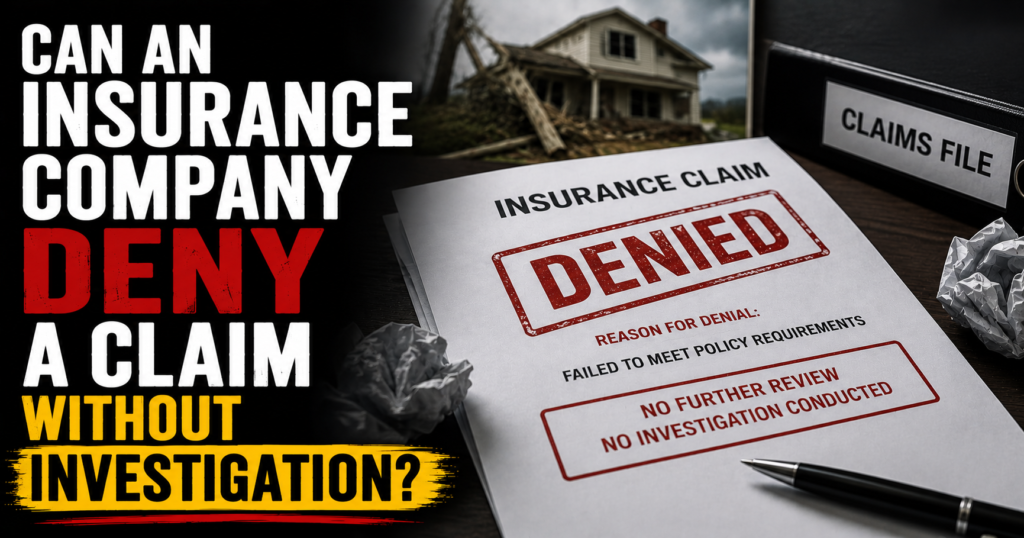
If you’re dealing with a denial, you may also want to read Can an Insurance Company Deny a Claim Without Investigation?.
What If an Adjuster Never Contacts You?
Communication delays sometimes occur.
Potential reasons include:
- High claim volume
- Catastrophic weather events
- Staffing shortages
- Ongoing investigations
- Missing documentation
However, long periods without communication can understandably cause concern.
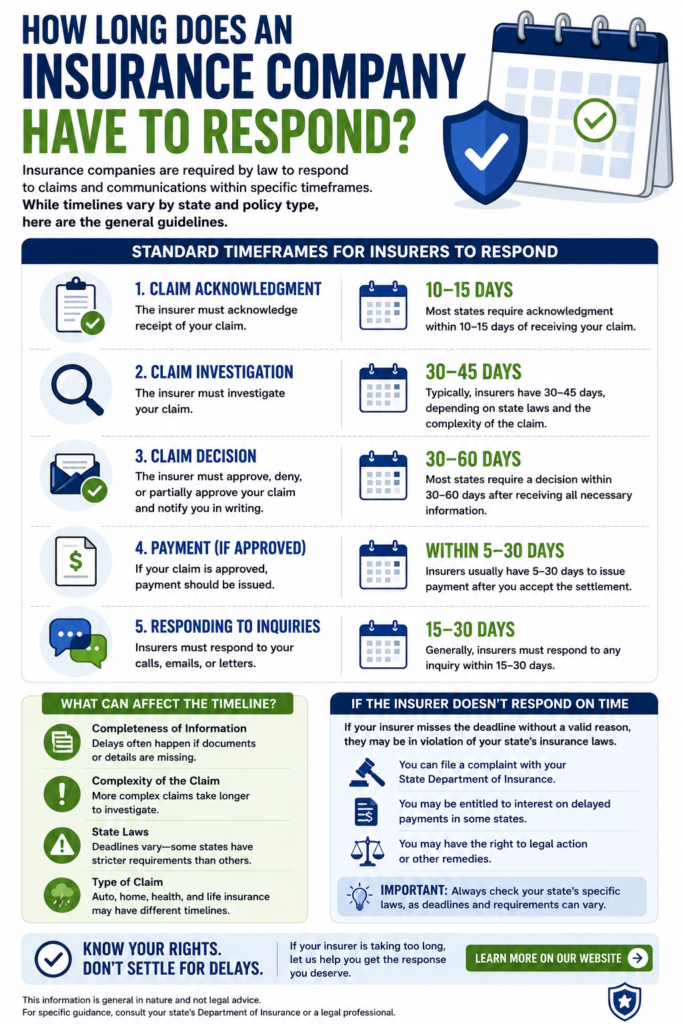
Our article How Long Does an Insurance Company Have to Respond? discusses common response expectations and communication issues.
Keeping Organized Records Can Help
One of the easiest ways to reduce stress during a claim is to keep organized records.
Helpful documents often include:
- Claim numbers
- Correspondence
- Estimates
- Inspection reports
- Receipts
- Photographs
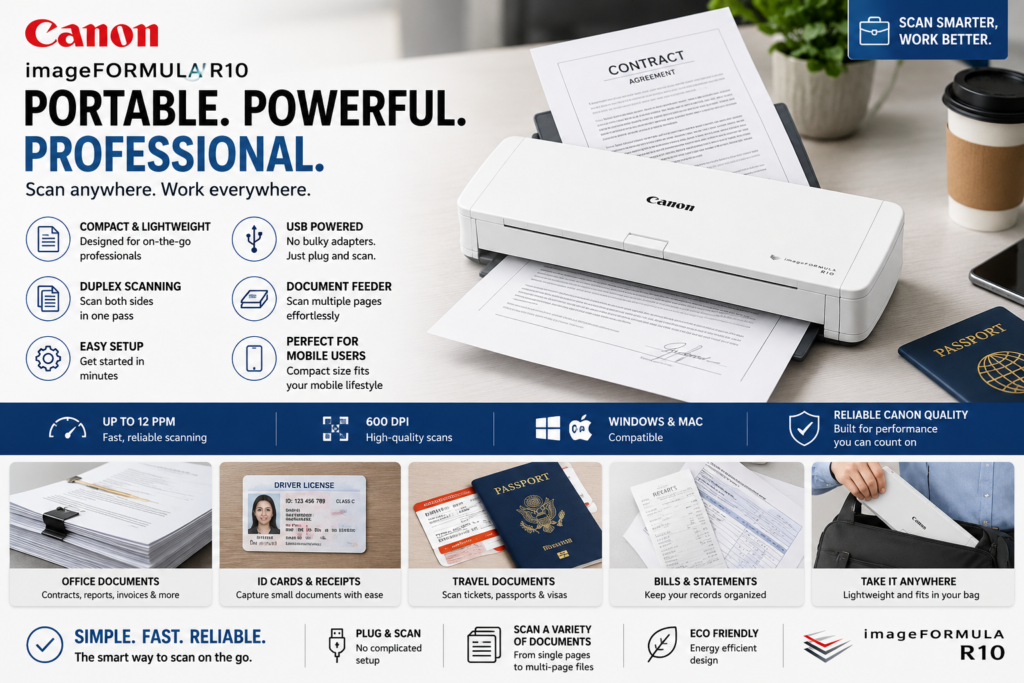
Many policyholders choose to create digital copies using a Canon imageFORMULA Portable Document Scanner so important claim records remain organized and accessible throughout the process.
Can Security Cameras Help Adjusters Investigate Claims?
In some situations, absolutely.
Video footage may help document:
- Vehicle accidents
- Theft
- Property damage
- Vandalism
- Trespassing

Many homeowners use a Blink Outdoor Security Camera System or a Google Nest Doorbell because recorded footage can sometimes provide valuable evidence during claim investigations.
Understanding the Adjuster’s Role Can Reduce Frustration
Many frustrations during the claims process stem from misunderstandings about what adjusters actually do.
Adjusters generally investigate claims, gather evidence, review damages, and prepare reports.
While they often play a major role in the process, they are only one part of a larger claims system that may involve supervisors, claims managers, specialists, and other insurance personnel.
You may also find these related articles helpful:
- How Long Does an Insurance Claim Take? What to Expect
- What Happens After You File an Insurance Claim?
- Why Do Insurance Companies Delay Claims? Common Reasons
- What Happens After an Insurance Adjuster Visits?
- How Long Does an Insurance Company Have to Respond?
- Can an Insurance Company Deny a Claim Without Investigation?
- What Is Insurance Bad Faith? Common Examples Explained
- Can You File a Complaint Against an Insurance Company?
- Can You Sue an Insurance Company?
- What Evidence Helps an Insurance Claim?
Frequently Asked Questions
What is an insurance adjuster?
An insurance adjuster is a professional who investigates insurance claims, reviews evidence, evaluates damages, and helps the insurance company determine how a claim should be handled.
Does an insurance adjuster work for the insurance company?
Most adjusters either work directly for an insurance company or work for an independent adjusting firm hired by the insurance company. Public adjusters are different because they generally represent policyholders rather than insurers.
What does an insurance adjuster look for during an inspection?
Adjusters often look for evidence related to the claim, including the extent of damage, possible causes of the loss, repair needs, and documentation that may help verify what happened.
Can an insurance adjuster deny a claim?
Adjusters often investigate claims and prepare reports, but they do not always make the final claim decision. Depending on the company and claim type, supervisors, claims managers, or other personnel may also be involved.
Should I talk to the insurance adjuster?
In most situations, communication with the adjuster is an important part of the claims process. Providing accurate information and responding to reasonable requests can help move the claim forward.
What documents should I provide to an adjuster?
The answer depends on the type of claim. Common examples include photographs, receipts, repair estimates, inspection reports, medical records, proof of ownership, and other documentation related to the loss.
How long does it take for an adjuster to make a report?
There is no universal timeline. The amount of time can depend on claim complexity, available evidence, damage severity, and workload.
Can I disagree with an insurance adjuster’s findings?
Yes. Disagreements sometimes occur regarding damage estimates, repair costs, coverage issues, or other aspects of a claim. Additional documentation may help support your position.
What happens after the adjuster finishes investigating?
After gathering information, the adjuster may prepare a report, submit findings, request additional documentation, or recommend next steps. The insurance company then continues the claim review process.
Can security camera footage help an adjuster?
In many situations, yes. Security camera footage, doorbell camera recordings, and dash cam videos may provide valuable evidence that helps clarify what happened during an incident.
Important Information
This article is provided for educational and informational purposes only and should not be considered legal advice. Insurance claim procedures vary by company, policy, state law, and individual circumstances. Information provided on Legal Know It All is intended to help readers better understand insurance claims and legal concepts, not to provide legal representation or legal advice.
To learn more about how content is researched and reviewed, visit our Editorial Policy and Fact-Checking Policy pages.
Additional information about this website can be found on our About Us, Contact Us, FAQ, Disclaimer, and Terms and Conditions pages.
About the Author
Sarah Reynolds is a legal research contributor for Legal Know It All who focuses on insurance claims, consumer rights, and everyday legal issues affecting American families. She researches insurance regulations, policyholder rights, claim procedures, and consumer-focused legal topics to help readers better understand complicated subjects using plain English. Her goal is to provide trustworthy educational information that helps readers make informed decisions when dealing with insurance companies and claim disputes.