
If you’re involved in an insurance claim, one of the smartest things you can do is keep good records.
Many people assume they only need paperwork until the claim is settled.
Then months later they discover additional damage, receive unexpected bills, need proof of repairs, or find themselves involved in a dispute.
At that point, locating old records can become difficult.
Keeping organized claim documents from the beginning can save significant time and frustration later. It is also worth considering How Long Should You Keep Insurance Claim Records? once the claim has been resolved.
Quick Answer
For most insurance claims, it is wise to keep copies of claim numbers, correspondence, photographs, videos, repair estimates, receipts, inspection reports, settlement documents, denial letters, and any other records related to the loss. The exact documents that matter most will depend on the type of claim involved. This guide to 10 Types of Proof That Can Strengthen Your Insurance Claim Case explains how these records can support the facts and value of a claim.
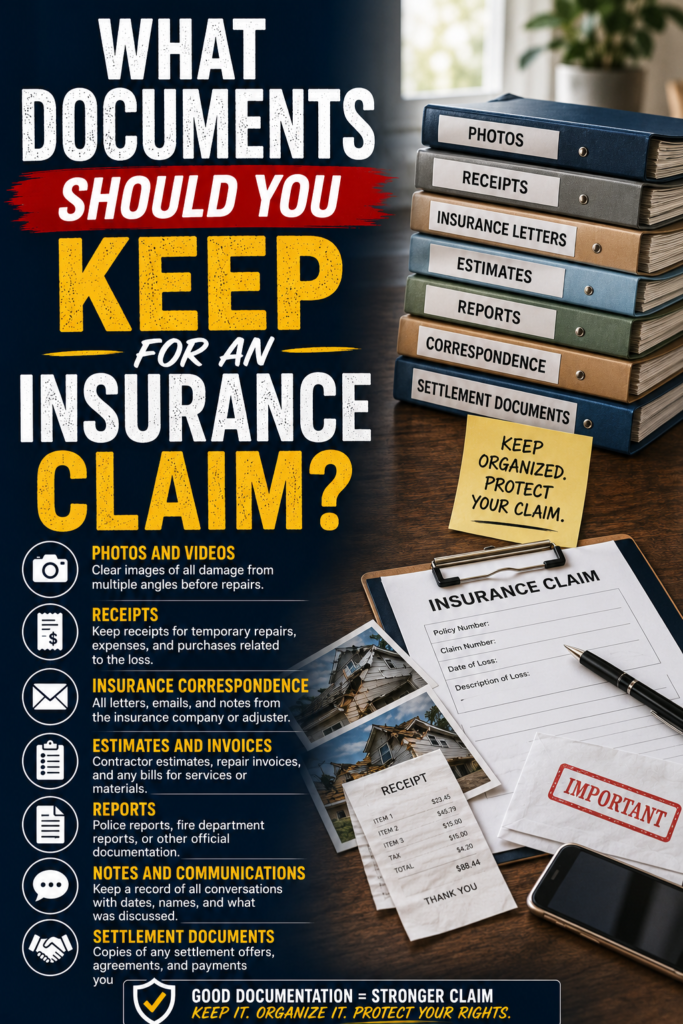
Why Insurance Claim Records Matter
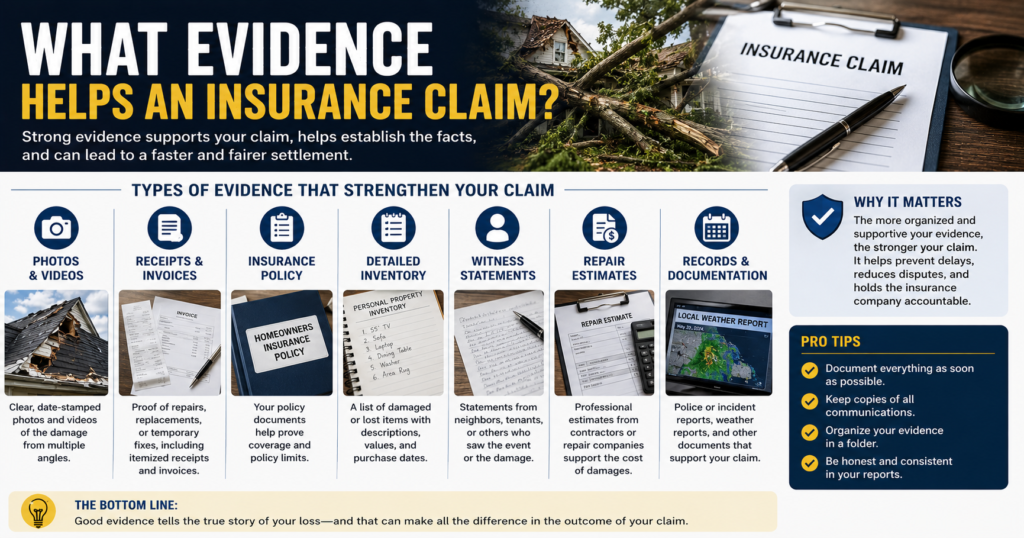
Insurance companies make decisions based on documentation. The types of documentation that carry the most weight are outlined in What Evidence Helps an Insurance Claim?.
If questions arise later, records often become one of the most valuable tools available.
Good documentation may help:
- Verify damages
- Support repair costs
- Confirm communications
- Clarify timelines
- Resolve disputes
- Support appeals
- Preserve evidence
The stronger your records, the easier it often becomes to explain what happened and when.



Start With the Claim Number
The claim number is often the key to the entire file.
Without it, locating records later can become much more difficult.
Keep copies of:
- Claim numbers
- Policy numbers
- Contact information
- Adjuster information
Many people store this information in both digital and printed formats.
Keep Every Email and Letter
One of the biggest mistakes people make is deleting claim-related communications.
Keep copies of:
- Emails
- Letters
- Claim updates
- Coverage explanations
- Requests for information
- Settlement offers
These records often help establish a timeline of events.
If a dispute develops later, correspondence may become extremely important.


Save All Photographs and Videos
Visual evidence is often some of the strongest evidence available.
Examples include:
- Property damage photos
- Vehicle damage photos
- Storm damage photos
- Accident scene photos
- Video footage
Never assume you’ll be able to recreate evidence later.
Once repairs begin, the original damage may no longer exist.

For vehicle accidents, many drivers rely on the VNV Front and Rear Dash Cam for Accident Evidence because recorded footage may help preserve important information that could become relevant during claim reviews or disputes.
Keep Every Estimate
Repair estimates often play a major role in insurance claims.
Examples include:
- Vehicle repair estimates
- Roofing estimates
- Contractor estimates
- Structural repair estimates
- Water damage estimates
Even estimates that were not ultimately used may still provide useful information later.
Save Receipts for Every Expense
Claim-related expenses can add up quickly.
Examples may include:
- Temporary repairs
- Emergency services
- Hotel stays
- Vehicle rentals
- Replacement purchases
Receipts provide proof of what was spent and when the expense occurred.
Without documentation, reimbursement discussions can become much more difficult.
Keep Inspection Reports
Inspection reports frequently contain valuable information about:
- Damage assessments
- Repair recommendations
- Claim evaluations
- Property conditions
These reports may become especially important if questions arise regarding the scope of damage.
Save Medical Records for Injury Claims
For injury-related claims, medical documentation is often essential.
Examples include:
- Medical bills
- Treatment records
- Physician notes
- Therapy records
- Prescription records
These documents may help establish the extent of injuries and related expenses.
Keep Settlement and Denial Documents
Many people keep records while the claim is active but discard them once a decision is made.
That can be a mistake.
Important records include:
- Settlement offers
- Settlement agreements
- Denial letters
- Appeal decisions
- Claim closure notices
These documents may become important months or even years later.
For readers dealing with denied claims, you may also find helpful information in:
What Happens If an Insurance Claim Is Denied?
Digital Copies Can Make Organization Much Easier
Paper records can be lost, damaged, or difficult to locate.
Many people create digital copies of:
- Estimates
- Receipts
- Correspondence
- Reports
- Settlement documents
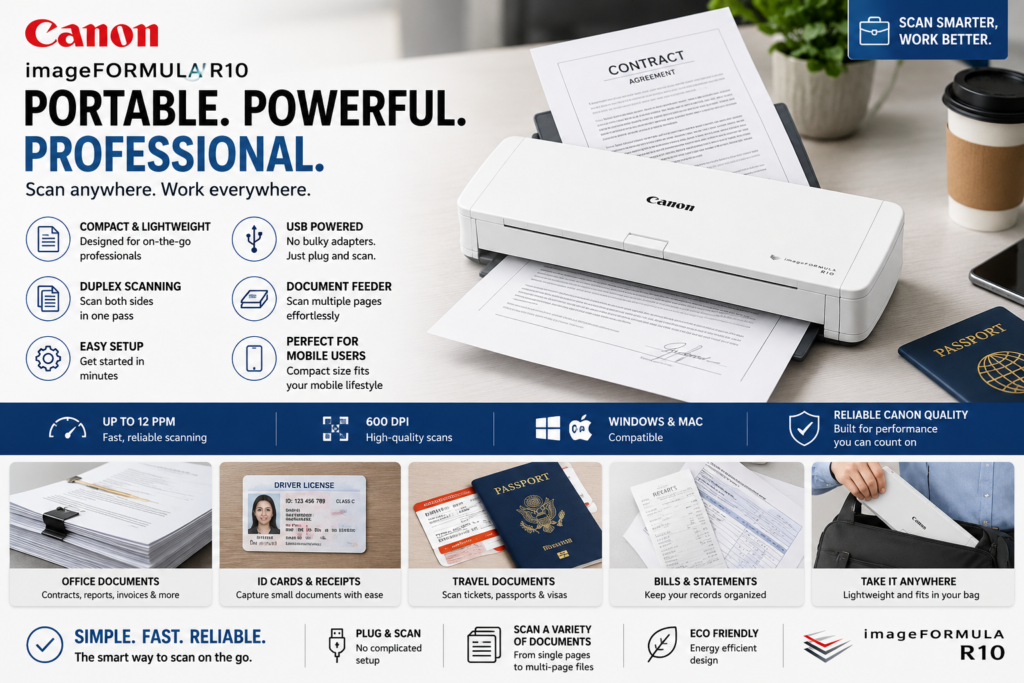
The Canon imageFORMULA Portable Document Scanner is often used to quickly create digital copies of important claim paperwork, making records easier to organize and retrieve later.
Protect Original Documents
While digital copies are valuable, many people still prefer keeping original paperwork.
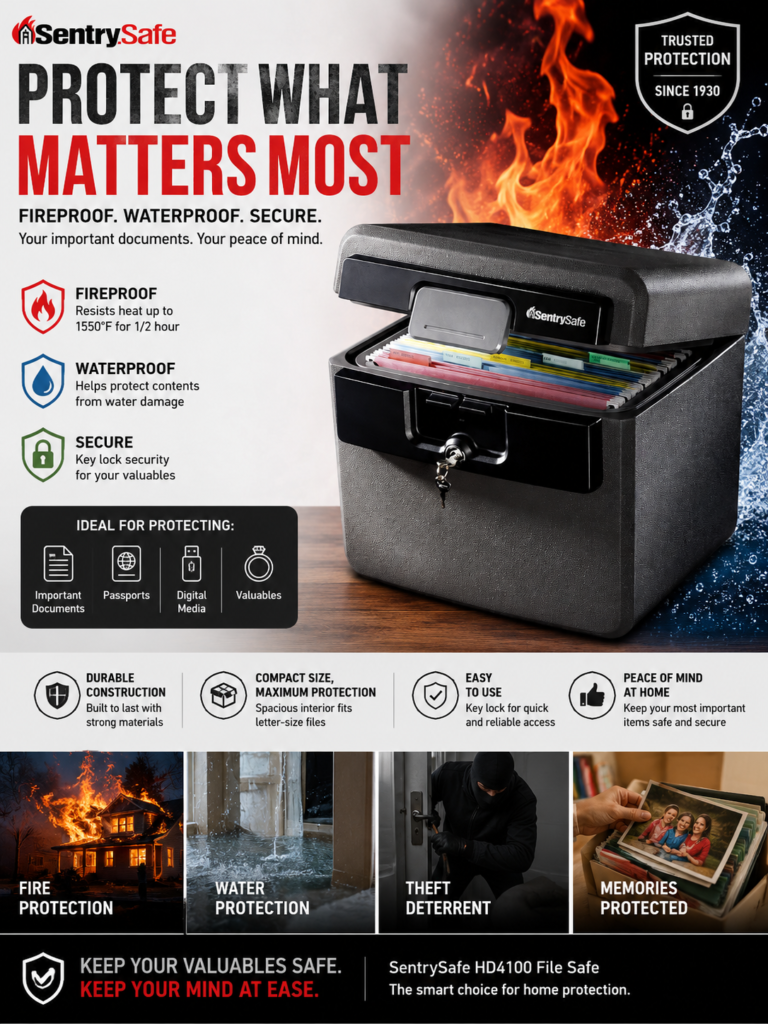
Important records are often stored in a SentrySafe Fireproof Waterproof Document Safe or an ENGPOW Fireproof Document Storage Box to help protect them from fire, water damage, and accidental loss.
Some Documents Should Be Destroyed Securely
Once records are no longer needed, sensitive information should be disposed of carefully.
Insurance paperwork often contains:
- Addresses
- Policy numbers
- Financial information
- Personal information
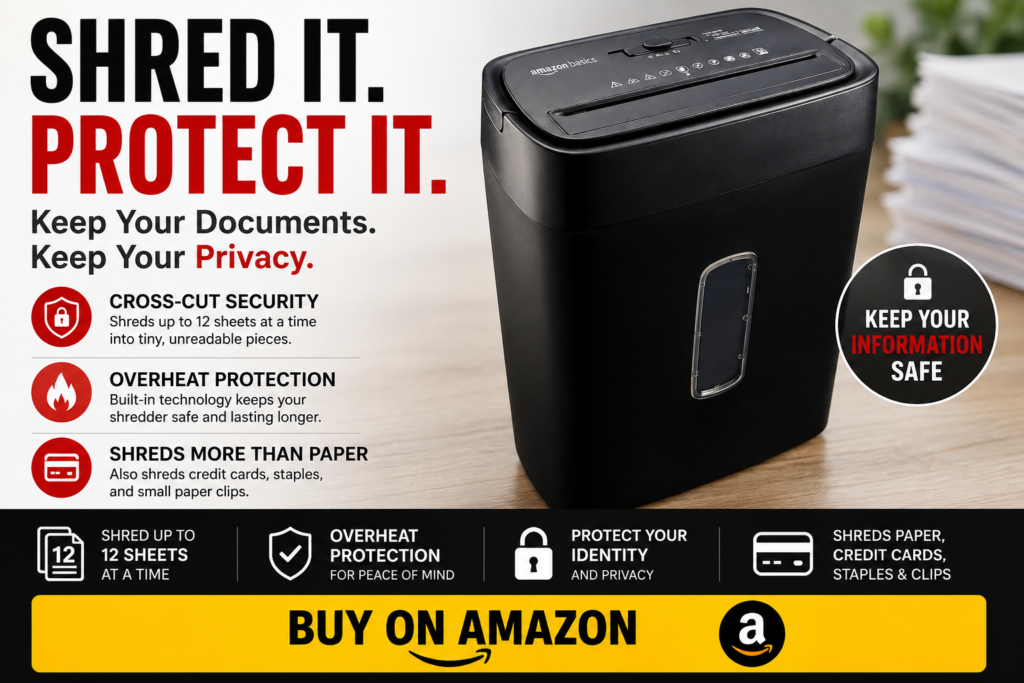
Many people use the Amazon Basics Cross-Cut Paper Shredder to help securely destroy documents containing sensitive information rather than simply throwing them away.
Good Recordkeeping Can Prevent Major Headaches Later
Most people never regret keeping too many records.
They often regret not keeping enough.
The goal is simple:
Preserve enough information that you can clearly explain what happened, what was damaged, what expenses occurred, and how the claim was handled if questions arise later.
Which Insurance Claim Documents Are Most Important?
Not every document carries the same weight.
If you had to prioritize only a handful of records, these would generally be among the most important:
Claim Number and Policy Information
Without these, locating records later can become much more difficult.
Photographs and Videos
Visual evidence often becomes impossible to recreate once repairs are completed.
Repair Estimates
Estimates help document the expected cost of repairs and may become valuable if disputes arise.
Correspondence
Emails, letters, and claim updates help establish a timeline of events.
Settlement or Denial Documents
These records explain how the insurance company resolved the claim and may become important if questions arise later.
Why Organized Records Matter During Claim Disputes
Many insurance disputes come down to documentation.
The insurance company may have one understanding of the facts.
The policyholder may have another.
Records often help bridge that gap.
Strong documentation may help support:
- Appeals
- Reconsideration requests
- Settlement negotiations
- Complaints
- Legal claims
The more organized your records are, the easier it becomes to locate information when needed.
Records Can Be Important Long After a Claim Is Closed
Many people assume they can discard documents once a settlement is received.
However, claims sometimes resurface because:
- Additional damage is discovered
- Questions arise regarding repairs
- Records are requested later
- Property is sold
- Tax or financial questions arise
Keeping organized records may prevent significant frustration down the road.
What If You Need to Appeal a Claim Decision?
Documentation becomes especially important when a claim is denied or disputed.
Appeals often rely heavily on records such as:
- Photographs
- Estimates
- Inspection reports
- Medical records
- Correspondence
Without documentation, it may be difficult to explain why additional review is warranted.
For more information, see:
Can You Appeal an Insurance Claim Denial?
Records Can Help During Settlement Negotiations
Settlement disputes frequently involve disagreements about value.
Documents that may support negotiations include:
- Repair estimates
- Contractor reports
- Medical records
- Receipts
- Expert evaluations
You may also find helpful information in:

Can You Negotiate an Insurance Settlement?
and
What Happens If an Insurance Settlement Is Too Low?
What If You Need to File a Complaint?
Complaints often require supporting documentation.
Helpful records may include:
- Emails
- Letters
- Claim updates
- Denial letters
- Settlement documents
Having organized records can make it much easier to explain the situation clearly.
For more information, see:
Can You File a Complaint Against an Insurance Company?
What If Legal Action Becomes Necessary?
Not every insurance dispute leads to litigation.
However, when legal issues arise, documentation often becomes extremely important.
Records may help establish:
- Timelines
- Communications
- Damages
- Expenses
- Claim handling history
For additional information, see:
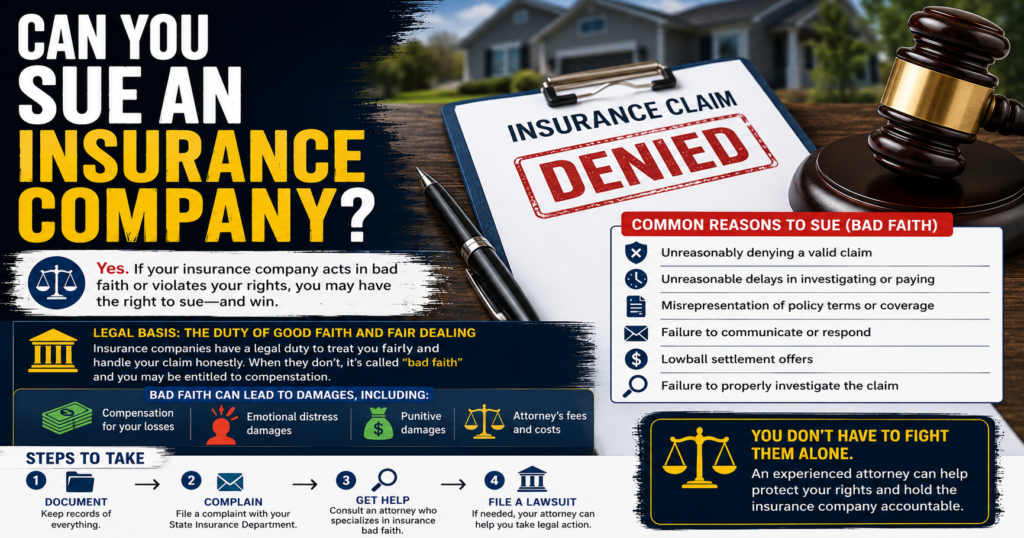
Can You Sue an Insurance Company?
Creating a Simple Insurance Claim File
Many people find it helpful to organize records into categories such as:
Claim Information
- Claim number
- Policy number
- Contact information
Evidence
- Photographs
- Videos
- Witness information
Estimates
- Contractor estimates
- Repair estimates
- Supplemental estimates
Expenses
- Receipts
- Invoices
- Temporary repair costs
Correspondence
- Emails
- Letters
- Claim updates
Final Documents
- Settlement agreements
- Denial letters
- Closure notices
This type of organization can make future questions much easier to address.
Protecting Insurance Records From Loss
Important claim records often contain:
- Personal information
- Financial information
- Property information
- Insurance details
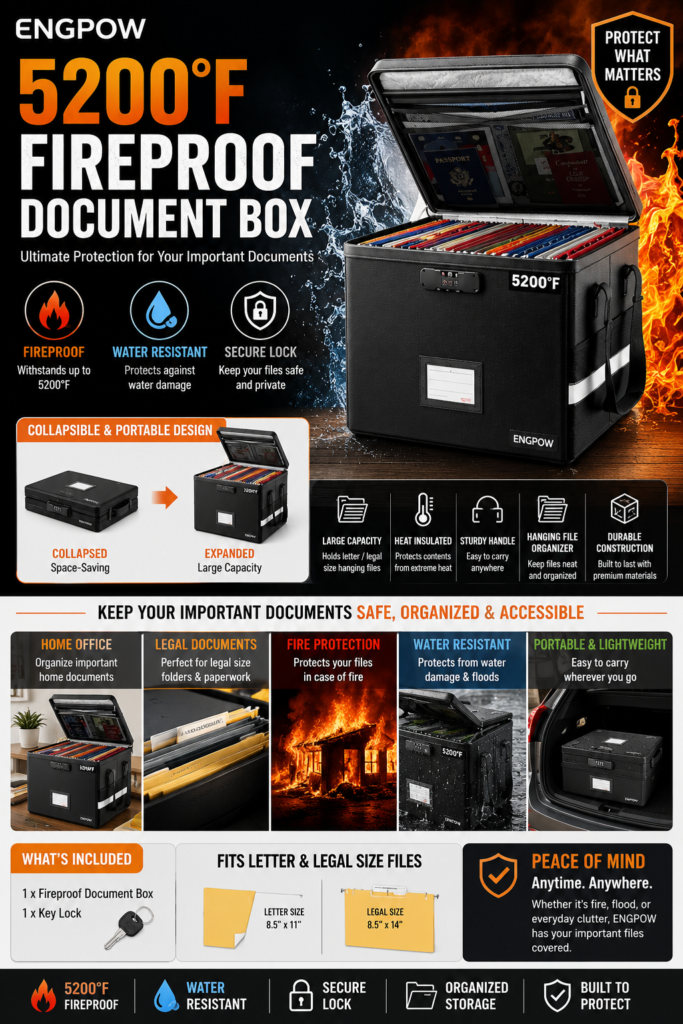
Many people choose to create digital backups using the Canon imageFORMULA Portable Document Scanner while storing original documents in a SentrySafe Fireproof Waterproof Document Safe or ENGPOW Fireproof Document Storage Box.
This combination provides both accessibility and protection.
Good Documentation Is Often the Difference Maker
Insurance claims involve a surprising amount of paperwork.
While keeping records may seem tedious at the time, documentation often becomes one of the most valuable resources available when questions, disputes, or unexpected issues arise later.
The better your records are today, the easier it may be to resolve problems tomorrow.
Frequently Asked Questions
What documents should I keep for an insurance claim?
Most people should keep:
- Claim numbers
- Policy information
- Photographs
- Videos
- Estimates
- Receipts
- Inspection reports
- Correspondence
- Settlement documents
- Denial letters
The exact records that matter most will depend on the type of claim.
Should I keep emails from the insurance company?
Yes. Emails often help establish timelines, explain decisions, and document communications that may become important later.
Are photographs important for insurance claims?
Absolutely. Photographs often provide some of the strongest evidence available because they document conditions and damages before repairs are completed.
Should I save repair estimates?
Yes. Estimates frequently play a major role in claim evaluations, settlement discussions, and disputes.
What records should I keep after a claim is denied?
Important records generally include:
- Denial letters
- Claim correspondence
- Estimates
- Photographs
- Inspection reports
- Supporting evidence
These records may become useful if additional review or other actions are considered later.
Should I keep records after receiving a settlement?
In most situations, yes. Settlement documents, receipts, estimates, and other claim-related records may remain useful long after the claim has been resolved.
Is it a good idea to create digital copies?
Many people find digital copies easier to organize, search, and back up. Digital records can also help protect against accidental loss of paperwork.
How should I protect important insurance documents?
Many people create digital backups using the Canon imageFORMULA Portable Document Scanner and store original paperwork in a SentrySafe Fireproof Waterproof Document Safe or ENGPOW Fireproof Document Storage Box for additional protection.
What should I do with old insurance records I no longer need?
Because insurance documents often contain sensitive personal information, many people choose to destroy them securely using a cross-cut document shredder rather than simply throwing them away.
Where can I learn more about insurance claims?
You may find these related articles helpful:
- What Happens After You File an Insurance Claim?
- How Long Does an Insurance Claim Take? What to Expect
- Can You Appeal an Insurance Claim Denial?
- Can You Negotiate an Insurance Settlement?
- What Happens If an Insurance Settlement Is Too Low?
Important Information
This article is provided for educational and informational purposes only and should not be considered legal advice. Insurance laws vary by state, insurance policies differ, and individual circumstances can significantly affect claim outcomes. Information provided on Legal Know It All is intended to help readers better understand insurance claim procedures and legal concepts, not to provide legal representation or legal advice.
To learn more about how content is researched and reviewed, visit our Editorial Policy and Fact-Checking Policy pages.
Additional information about this website can be found on our About Us, Contact Us, FAQ, Disclaimer, and Terms and Conditions pages.
About the Author
Sarah Reynolds is a legal research contributor for Legal Know It All who focuses on insurance claims, consumer rights, and everyday legal issues affecting American families. She researches insurance regulations, policyholder rights, claim procedures, and consumer-focused legal topics to help readers better understand complicated subjects using plain English. Her goal is to provide trustworthy educational information that helps readers make informed decisions when dealing with insurance companies and claim disputes.