
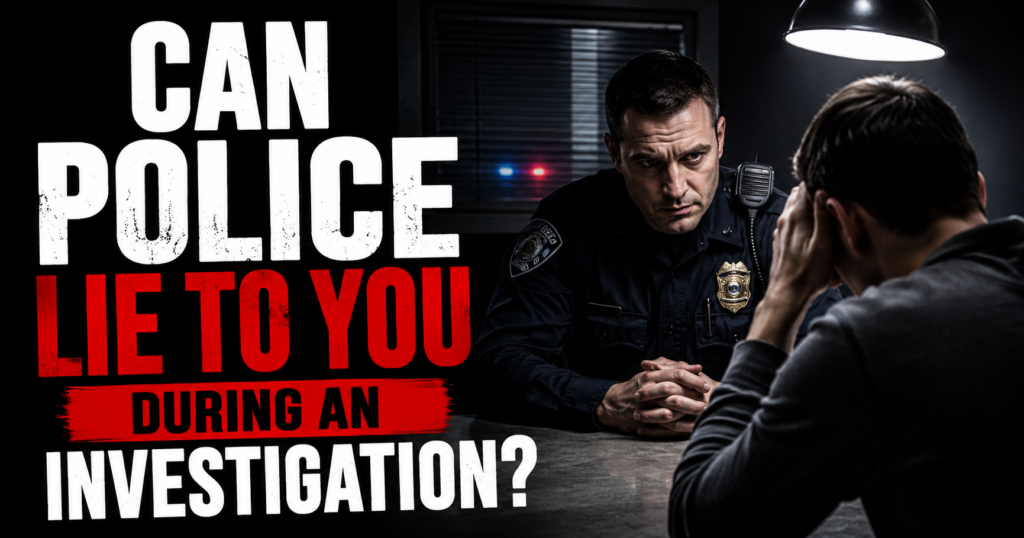
Most people assume police officers must always tell the truth during an investigation.
Surprisingly, that is not always the case.
Many Americans are shocked to learn that law enforcement officers are often legally allowed to use certain deceptive tactics during interviews and interrogations. While police cannot fabricate official evidence in every circumstance or violate constitutional protections, courts have generally allowed investigators to use various forms of deception when questioning suspects.
Understanding your rights can help you make informed decisions if you are ever questioned by law enforcement.
Can Police Legally Lie to You?
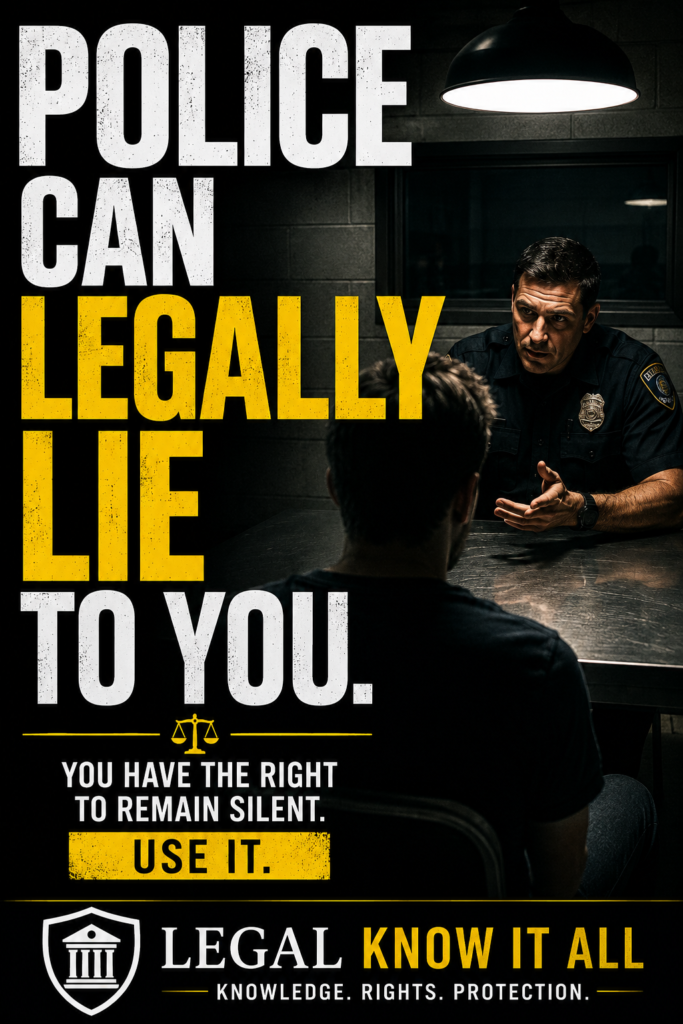
In many situations, yes.
Police officers may use deceptive interview techniques during investigations.
Examples may include:
- Claiming they have evidence they do not actually possess.
- Suggesting a witness identified you when no witness exists.
- Saying another suspect confessed.
- Implying they already know what happened.
- Suggesting cooperation will help when no specific deal exists.
The goal of these tactics is often to encourage suspects to talk or provide information.
Many people mistakenly believe that if police are asking questions, they must already have enough evidence to charge someone. That is not always the case.
Why Do Police Use Deception?
Investigators often use deception as a psychological tool.
Police are trying to gather information, verify facts, identify suspects, and solve crimes.
Officers may believe a deceptive statement will encourage a suspect to admit involvement or reveal information that advances the investigation.
Whether someone agrees with these tactics or not, courts have generally allowed many forms of deception during interrogations.



What Police Cannot Do
While police may use certain deceptive tactics, there are still limits.
Law enforcement officers must follow constitutional protections and criminal procedure rules.
For example, officers generally cannot:
- Force a confession through physical violence.
- Violate constitutional rights.
- Continue questioning after a clear request for an attorney in many custodial situations.
- Ignore certain Miranda protections when they apply.
- Coerce confessions through unlawful means.
Each situation depends on the specific facts involved.
What Is the Miranda Warning?
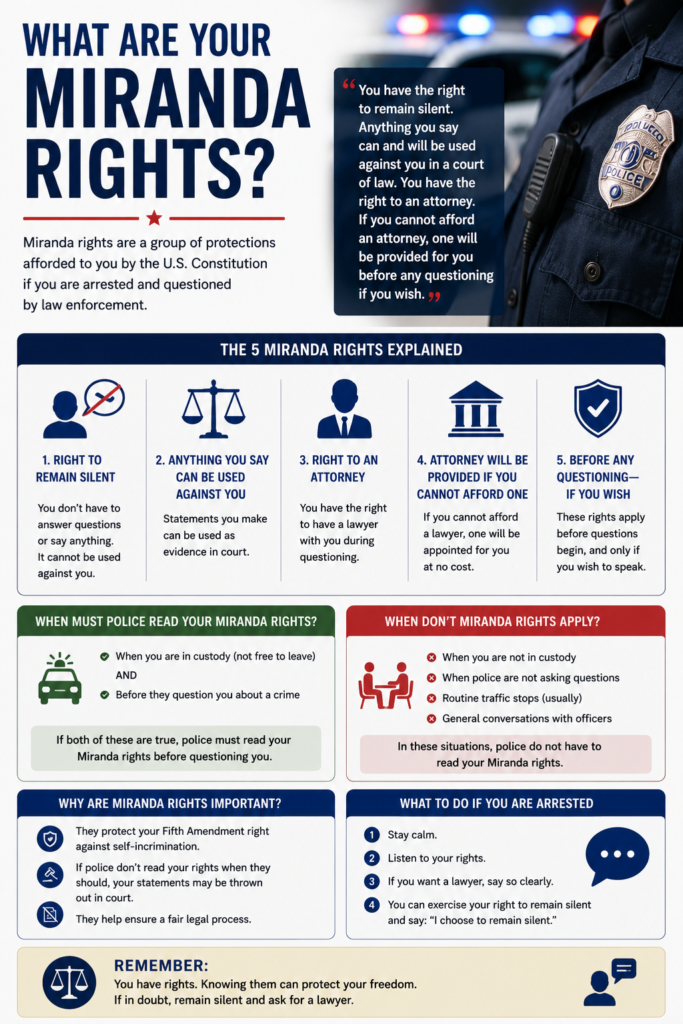
Many people know the famous phrase: The phrase is part of the broader protections explained in What Are Your Miranda Rights?.
“You have the right to remain silent.”
This warning comes from the landmark Supreme Court case Miranda v. Arizona.
When Miranda rights apply, individuals are informed of important protections, including:
- The right to remain silent.
- The right to an attorney.
- The warning that statements may be used against them in court.
Contrary to popular belief, police do not always have to read Miranda rights immediately upon contact.
Miranda generally becomes relevant during custodial interrogation situations.
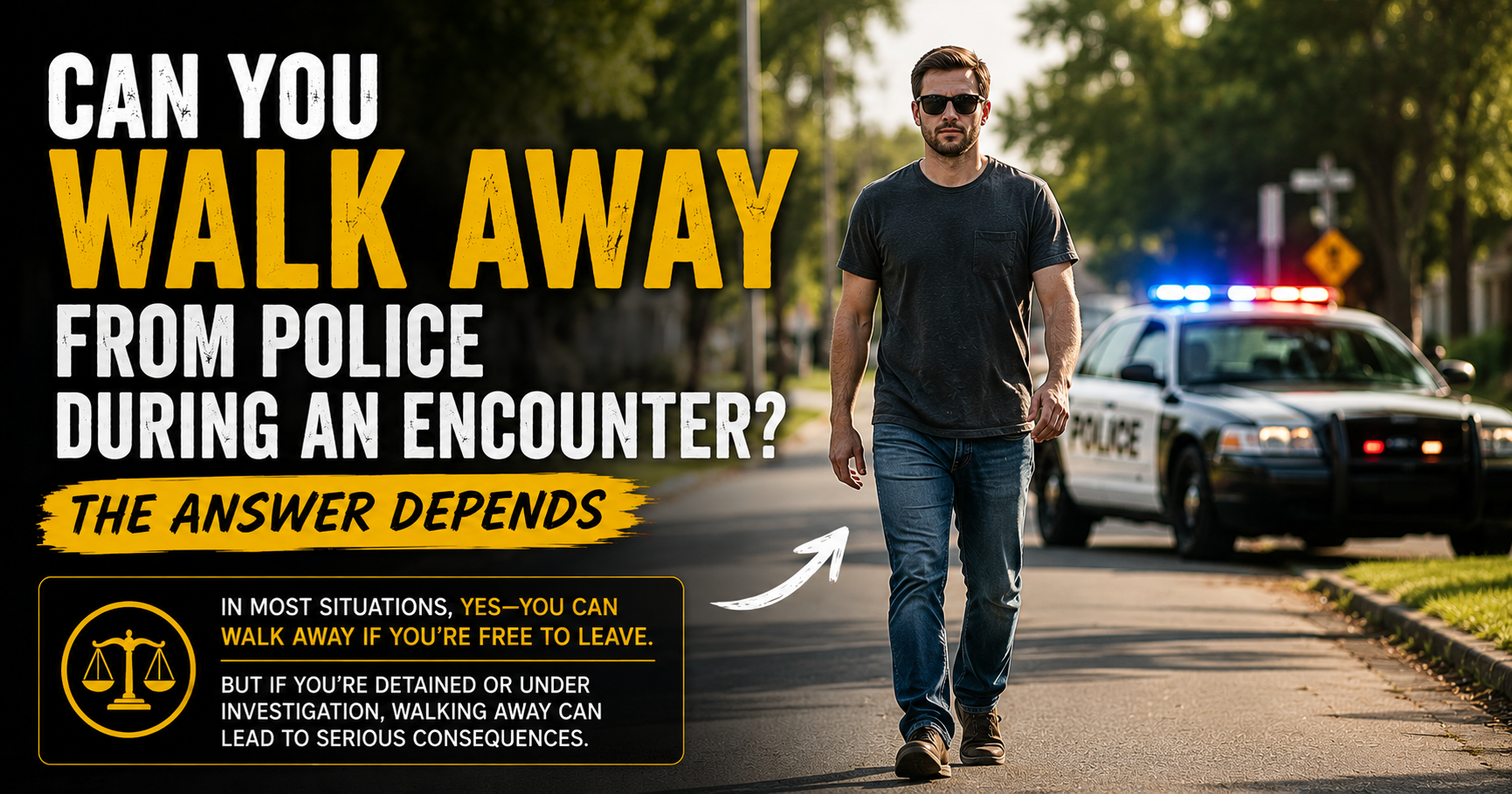


Should You Talk to Police Without a Lawyer?
Every situation is different.
However, many criminal defense attorneys advise people to think carefully before answering investigative questions.
Even innocent statements can sometimes:
- Be misunderstood.
- Be taken out of context.
- Conflict with other evidence.
- Create inconsistencies later.
The right to remain silent exists for a reason.
Exercising that right does not automatically mean someone is guilty.
Can an Innocent Person Confess?
Surprisingly, yes.
Research has shown that false confessions sometimes occur.
Factors that may contribute include:
- Stress
- Fear
- Fatigue
- Confusion
- Long interrogations
- Misunderstanding the situation
This is one reason legal experts often recommend understanding your rights before participating in lengthy questioning.
What Should You Do If Police Want to Question You?
Remain calm and respectful.
Avoid arguing or becoming confrontational.
If you wish to remain silent, clearly state that you are exercising your right to remain silent.
If you want legal representation, clearly request an attorney.
Many legal issues become more complicated when individuals attempt to explain, justify, or talk their way out of a situation without fully understanding the circumstances.
Does Remaining Silent Make You Look Guilty?
Many people worry that exercising their constitutional rights will make them appear guilty.
However, constitutional rights exist to protect everyone.
The criminal justice system recognizes that people should not be forced to incriminate themselves.
Remaining silent is a legal right, not an admission of guilt.

Understanding Your Legal Rights
Knowing your rights can help you make better decisions when interacting with law enforcement.
Every investigation is different, and criminal laws vary depending on the circumstances involved.
If you’re interested in learning more about legal rights and criminal law topics, explore our Criminal Law section for additional resources.
You can also browse our Legal Definitions category to better understand common legal terms and concepts.
Understanding how police investigations work is one of the best ways to protect yourself, avoid common mistakes, and make informed decisions if you ever find yourself facing questions from law enforcement.