
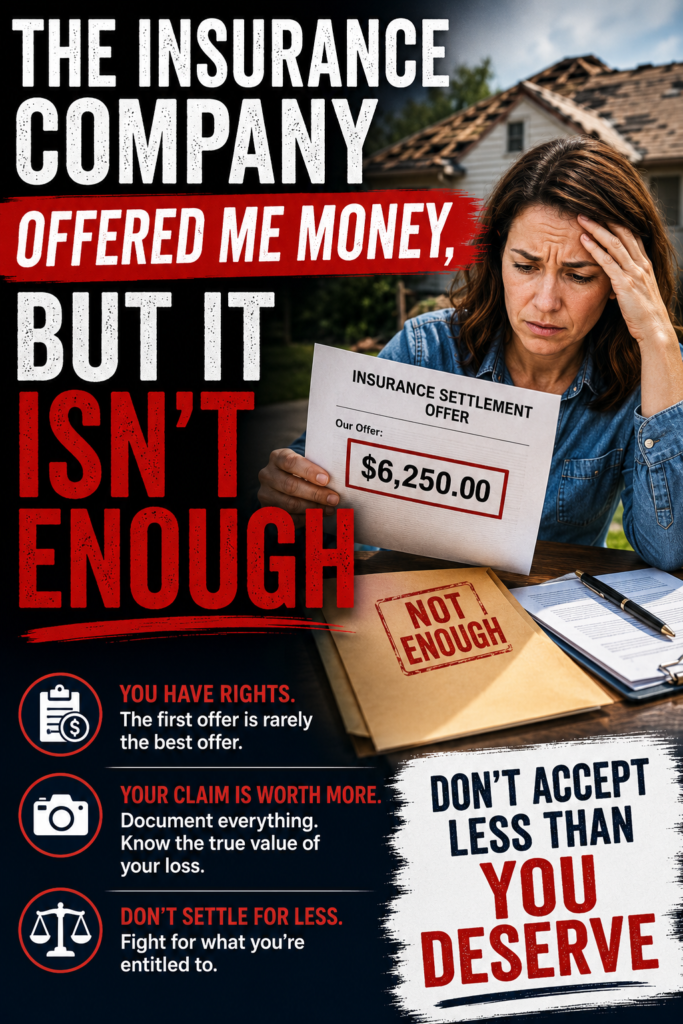
Receiving an insurance settlement offer can feel like the finish line after weeks or months of waiting.
Then you review the offer and realize it may not fully cover your losses.
This happens more often than many people realize.
Property owners may receive repair estimates that exceed the settlement amount.
Drivers may discover additional vehicle damage.
Injury claimants may continue receiving medical treatment after the initial evaluation.
When this happens, many people wonder whether they have to accept the offer.
In many situations, the answer is no.
Quick Answer
If an insurance settlement appears too low, policyholders may be able to request additional review, provide supporting evidence, obtain additional estimates, negotiate the settlement, or explore other options depending on the circumstances. Whether the settlement changes depends on the facts of the claim, the available documentation, and the insurance policy involved.
Why Insurance Settlement Offers Sometimes Seem Too Low
Insurance companies evaluate claims using the information available at the time.
If important information is missing or incomplete, the settlement may not fully reflect the situation.
Common reasons policyholders believe offers are too low include:
- Repair costs are higher than expected
- Additional damage is discovered
- Medical treatment continues
- Property values are disputed
- Important evidence was not considered
- Estimates differ significantly
Not every low offer is the result of wrongdoing.
Sometimes additional information simply becomes available after the original evaluation.

How Are Insurance Settlement Amounts Calculated?
The exact process varies depending on the type of claim.
Insurance companies often consider:
- Inspection reports
- Repair estimates
- Medical records
- Policy limits
- Photographs
- Expert opinions
- Vehicle values
- Property valuations
Understanding how the settlement was calculated is often the first step toward determining whether additional review may be worthwhile.
Don’t Focus Only on the Final Number
Many people immediately focus on the dollar amount.
While that’s understandable, it’s often more useful to understand how the company arrived at the number.
Questions worth asking include:
- What damage was included?
- What damage was excluded?
- What estimates were reviewed?
- What evidence was considered?
- Are future expenses accounted for?
The answers may reveal whether additional documentation could affect the evaluation.
Evidence Often Makes the Biggest Difference
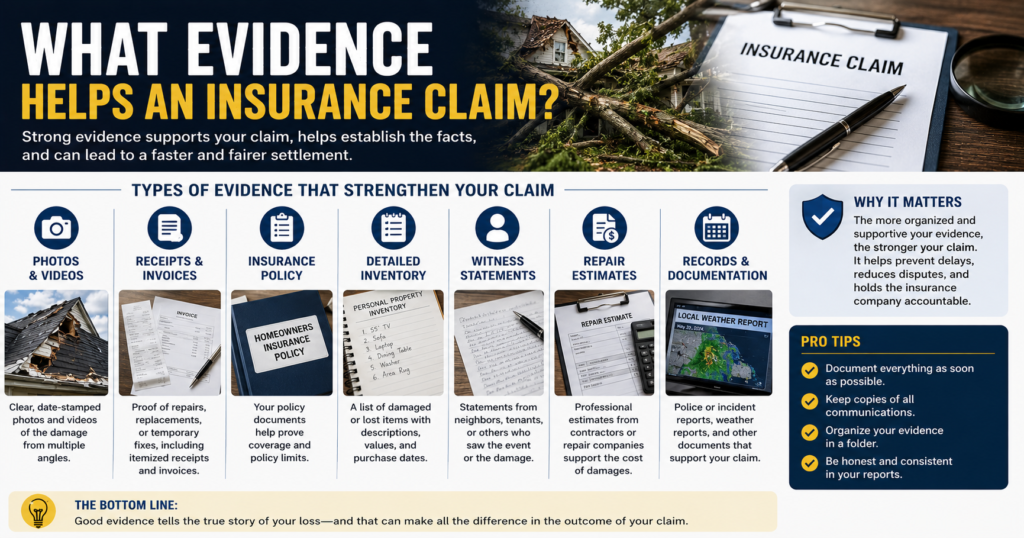
Strong evidence is one of the most important factors in settlement disputes. A practical overview of What Evidence Helps an Insurance Claim? can help identify which records may support a request for a higher settlement.
Helpful evidence may include:
- Photographs
- Videos
- Contractor estimates
- Repair invoices
- Medical records
- Witness statements
- Police reports
- Expert evaluations
Well-organized documentation often provides a stronger foundation for discussions than simply stating that the offer feels unfair. Keeping the right records is easier when you know which What Documents Should You Keep for an Insurance Claim? may matter during a settlement dispute.
You may also find useful information in:
10 Types of Proof That Can Strengthen Your Insurance Claim Case
Vehicle Claims Frequently Involve Settlement Disputes
Vehicle accidents are among the most common situations where people challenge settlement amounts.
Disagreements may involve:
- Repair costs
- Vehicle value
- Liability
- Injury-related expenses
- Lost wages
Video evidence can sometimes play an important role.

Many drivers use the VNV Front and Rear Dash Cam for Accident Evidence because recorded footage may help clarify disputed facts and provide valuable supporting documentation during claim investigations.
You may also find helpful information in:
What Happens After a Car Accident? 8 Important Steps
Can You Negotiate a Low Insurance Settlement?
In many situations, yes.
Settlement discussions are a normal part of many insurance claims.
Policyholders often submit:
- Additional estimates
- Updated records
- Repair reports
- Medical documentation
- Expert opinions
For a detailed discussion, see:
Can You Negotiate an Insurance Settlement?
Negotiations are often most effective when supported by evidence rather than opinions.
What If Additional Damage Is Discovered?
This situation occurs more often than many people expect.
Examples include:
- Hidden structural damage
- Water damage behind walls
- Supplemental vehicle damage
- Additional repair requirements
New information may justify additional review depending on the circumstances.
This is one reason many contractors and repair facilities recommend thorough inspections before finalizing repairs.

Keep Every Record Related to the Claim
Documentation becomes especially important during settlement disputes.
Consider retaining:
- Estimates
- Receipts
- Emails
- Inspection reports
- Settlement offers
- Medical records
- Photographs
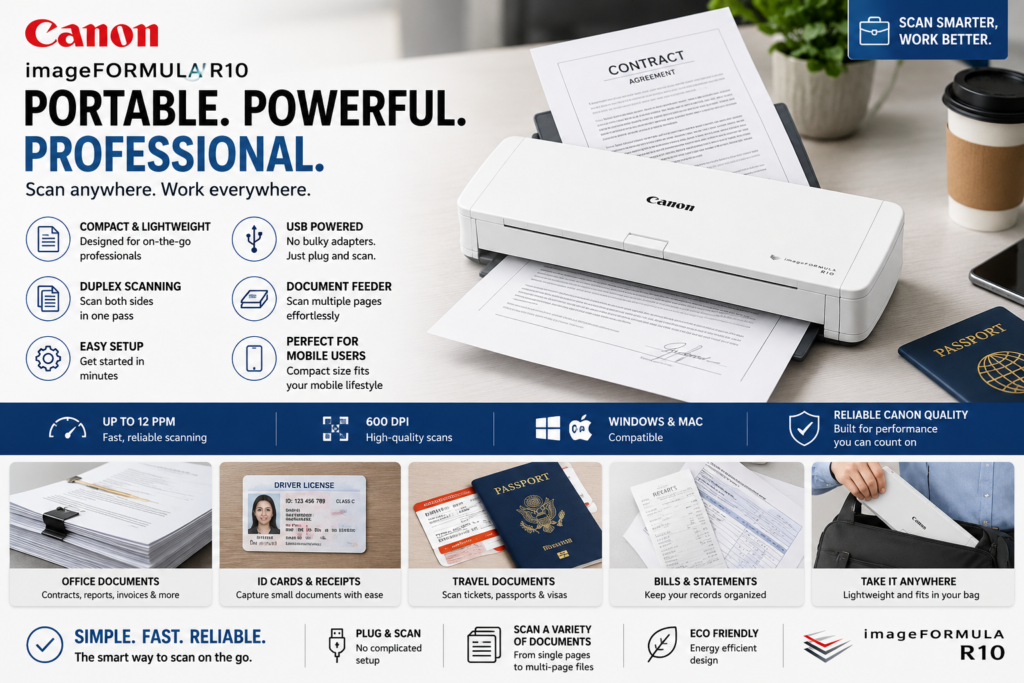
Many people organize records digitally using the Canon imageFORMULA Portable Document Scanner and store original paperwork in a SentrySafe Fireproof Waterproof Document Safe or ENGPOW Fireproof Document Storage Box to help protect important documents.
Understanding Why the Offer Seems Too Low Is the First Step
Before taking any action, it helps to identify exactly why you believe the settlement is insufficient.
The answer may involve:
- Missing evidence
- Incomplete inspections
- Additional damage
- Valuation disagreements
- Ongoing medical treatment
Once the reason becomes clear, it is often easier to determine what information may help support further review.
Should You Get Additional Estimates?
In many situations, obtaining additional estimates can be helpful.
This is especially common with:
- Home repairs
- Roof damage
- Vehicle repairs
- Structural damage
- Water damage claims
Additional estimates may reveal:
- Damage that was overlooked
- Higher repair costs
- Different repair methods
- Supplemental issues requiring attention
While an additional estimate does not automatically result in a larger settlement, it may provide useful information that supports further review.
What If the Insurance Company Refuses to Increase the Settlement?
Sometimes the insurance company reviews the additional information and decides not to change its position.
When that happens, policyholders often evaluate other options.
The appropriate next step depends on:
- The type of claim
- The amount in dispute
- The available evidence
- Policy language
- State law
The more documentation available, the easier it becomes to evaluate those options.
Can You File a Complaint About a Low Settlement Offer?
In some situations, yes.
Many states allow consumers to submit complaints regarding insurance claim handling issues.
Complaints commonly involve:
- Communication problems
- Delays
- Investigation concerns
- Settlement disputes
- Claim handling issues
For a detailed explanation, see:
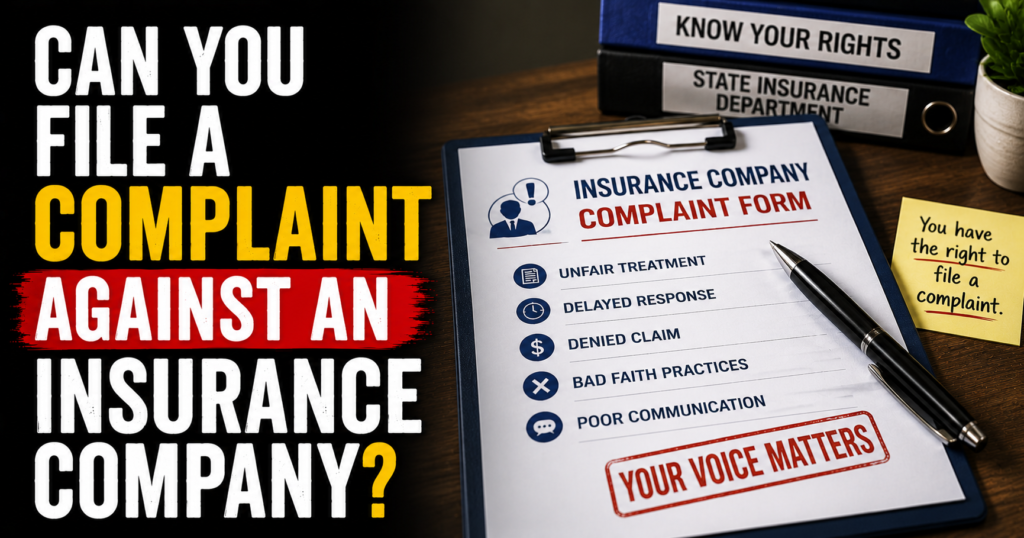
Can You File a Complaint Against an Insurance Company?
A complaint does not automatically increase a settlement offer, but it may provide additional review of the circumstances.
Does a Low Settlement Offer Mean Bad Faith?
Not necessarily.
This is an important distinction.
A low offer and bad faith are not automatically the same thing.
Settlement disagreements happen regularly.
Insurance companies and policyholders may simply disagree about:
- Repair costs
- Vehicle values
- Medical expenses
- Covered damages
Bad faith concerns generally involve allegations that the company failed to handle the claim fairly or appropriately.
You can learn more here:
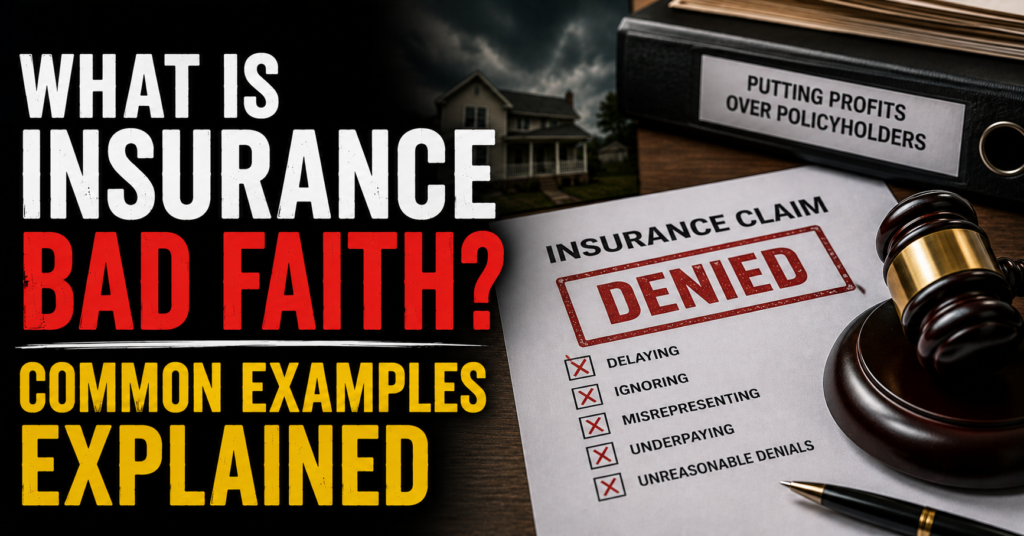
What Is Insurance Bad Faith? Common Examples Explained
Can You Sue Over a Settlement Dispute?
Sometimes.
Whether legal action is appropriate depends on numerous factors, including:
- State law
- Policy language
- Available evidence
- Claim history
- The amount in dispute
Many settlement disagreements are resolved through negotiation or additional review before litigation becomes necessary.
For more information, see:
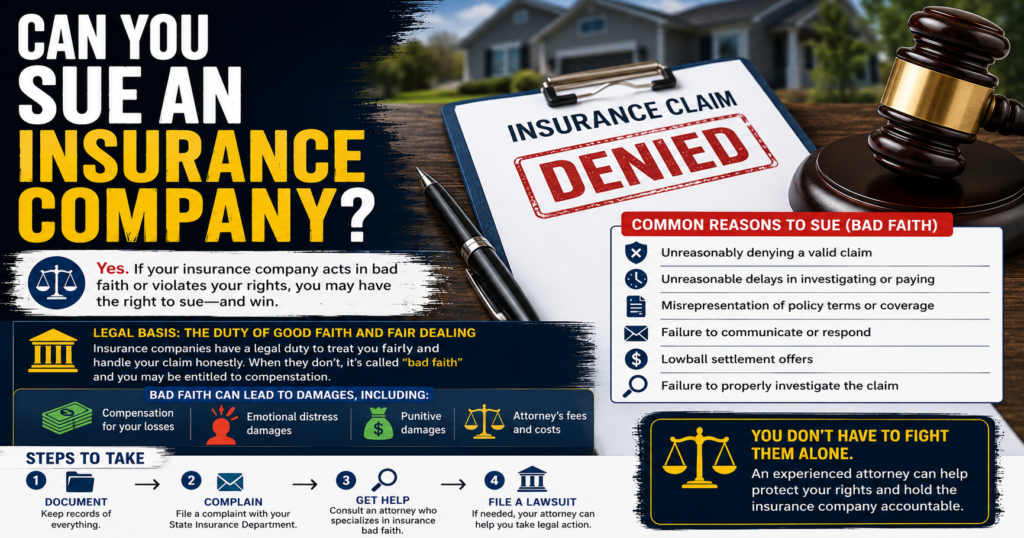
Can You Sue an Insurance Company?
Practical Tips When a Settlement Seems Too Low
Read Every Document Carefully
Review estimates, reports, and settlement explanations thoroughly.
Compare Estimates
If repair estimates vary significantly, additional evaluations may provide useful information.
Stay Organized
Maintain copies of:
- Estimates
- Emails
- Photographs
- Reports
- Settlement offers
Focus on Documentation
Strong evidence generally carries more weight than opinions.
Ask Questions
Make sure you understand exactly how the settlement amount was calculated.
Why Organized Records Matter
Settlement disputes often involve large amounts of paperwork.
Many policyholders find it easier to manage claim records when documents are scanned and organized electronically.
The Canon imageFORMULA Portable Document Scanner can help create digital copies of estimates, settlement offers, receipts, and claim correspondence.
Many people also store original documents in a SentrySafe Fireproof Waterproof Document Safe or ENGPOW Fireproof Document Storage Box to help protect important records.
Settlement Disputes Often Come Down to Evidence
Many people assume settlement disputes are primarily about opinions.
In reality, they are often about information.
The insurer evaluates the claim using available evidence.
The policyholder may later provide additional documentation.
The stronger and more complete the evidence becomes, the easier it is to support a different valuation of the claim.
You may also find these related articles helpful:
- What Happens After You File an Insurance Claim?
- What Happens After an Insurance Adjuster Visits?
- Can You Negotiate an Insurance Settlement?
- What Happens If an Insurance Claim Is Denied?
- Can You Appeal an Insurance Claim Denial?
- 10 Types of Proof That Can Strengthen Your Insurance Claim Case
Understanding how settlement offers are evaluated can help policyholders approach disputes with realistic expectations and stronger supporting documentation.
Frequently Asked Questions
Can I reject an insurance settlement offer?
In many situations, yes. Policyholders are often able to discuss settlement offers, request clarification, submit additional documentation, or seek further review before accepting a settlement.
Does a low settlement offer mean the insurance company is acting unfairly?
Not necessarily. Settlement disagreements are common. A low offer may result from differing estimates, disputed damages, incomplete information, or other factors. The specific facts of the claim matter.
What evidence helps support a higher settlement amount?
Helpful evidence may include:
- Repair estimates
- Medical records
- Contractor reports
- Receipts
- Photographs
- Videos
- Inspection reports
- Expert evaluations
Strong documentation often plays a major role in settlement discussions.
Should I get another repair estimate?
In many situations, obtaining an additional estimate may provide useful information regarding repair costs, hidden damage, or other issues that were not identified during the initial evaluation.
Can I negotiate a property damage settlement?
Often, yes. Settlement discussions involving homes, vehicles, and other property are common when parties disagree about repair costs or damages.
What if new damage is discovered after the settlement offer?
Additional damage may sometimes justify further review. The specific circumstances, policy language, and timing of the discovery can all affect what options may be available.
Can I file a complaint about a settlement dispute?
In many states, consumers may file complaints with insurance regulators regarding claim handling concerns, communication issues, or other insurance-related disputes.
Can I sue an insurance company over a settlement disagreement?
Sometimes. Whether legal action is appropriate depends on state law, policy language, available evidence, and the specific facts involved.
Should I keep records related to the settlement offer?
Absolutely. Maintaining copies of estimates, settlement offers, reports, photographs, and correspondence can be extremely valuable if questions arise later.
Where can I learn more about insurance settlement disputes?
You may find these related articles helpful:
- Can You Negotiate an Insurance Settlement?
- What Happens If an Insurance Claim Is Denied?
- Can You Appeal an Insurance Claim Denial?
- Can You File a Complaint Against an Insurance Company?
- Can You Sue an Insurance Company?
Important Information
This article is provided for educational and informational purposes only and should not be considered legal advice. Insurance laws vary by state, insurance policies differ, and individual circumstances can significantly affect claim outcomes. Information provided on Legal Know It All is intended to help readers better understand insurance claim procedures and legal concepts, not to provide legal representation or legal advice.
To learn more about how content is researched and reviewed, visit our Editorial Policy and Fact-Checking Policy pages.
Additional information about this website can be found on our About Us, Contact Us, FAQ, Disclaimer, and Terms and Conditions pages.
About the Author
Sarah Reynolds is a legal research contributor for Legal Know It All who focuses on insurance claims, consumer rights, and everyday legal issues affecting American families. She researches insurance regulations, policyholder rights, claim procedures, and consumer-focused legal topics to help readers better understand complicated subjects using plain English. Her goal is to provide trustworthy educational information that helps readers make informed decisions when dealing with insurance companies and claim disputes.