
Filing an insurance claim can be stressful, especially when you’re dealing with property damage, vehicle accidents, storm losses, theft, fire damage, water leaks, or injuries.
One of the most important factors that can influence the outcome of a claim is the quality of your evidence.
The stronger your documentation, the easier it often becomes to prove what happened, demonstrate the extent of your losses, and support the compensation you’re requesting. A broader overview of useful claim documentation appears in What Evidence Helps an Insurance Claim?.
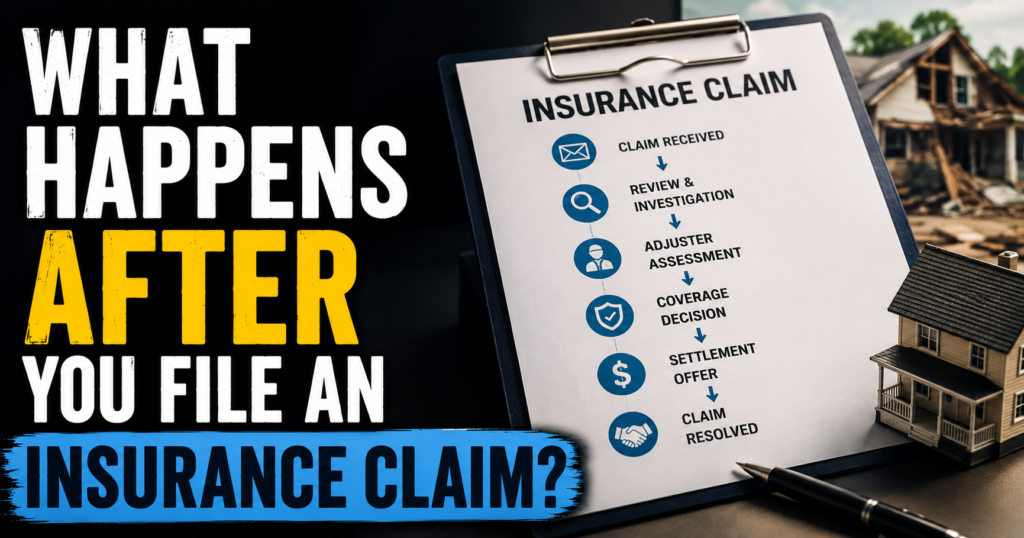
If you’ve recently filed a claim, you may also want to read our guide on what happens after you file an insurance claimso you understand what to expect during the investigation process.
Here are ten types of evidence that can help strengthen an insurance claim.
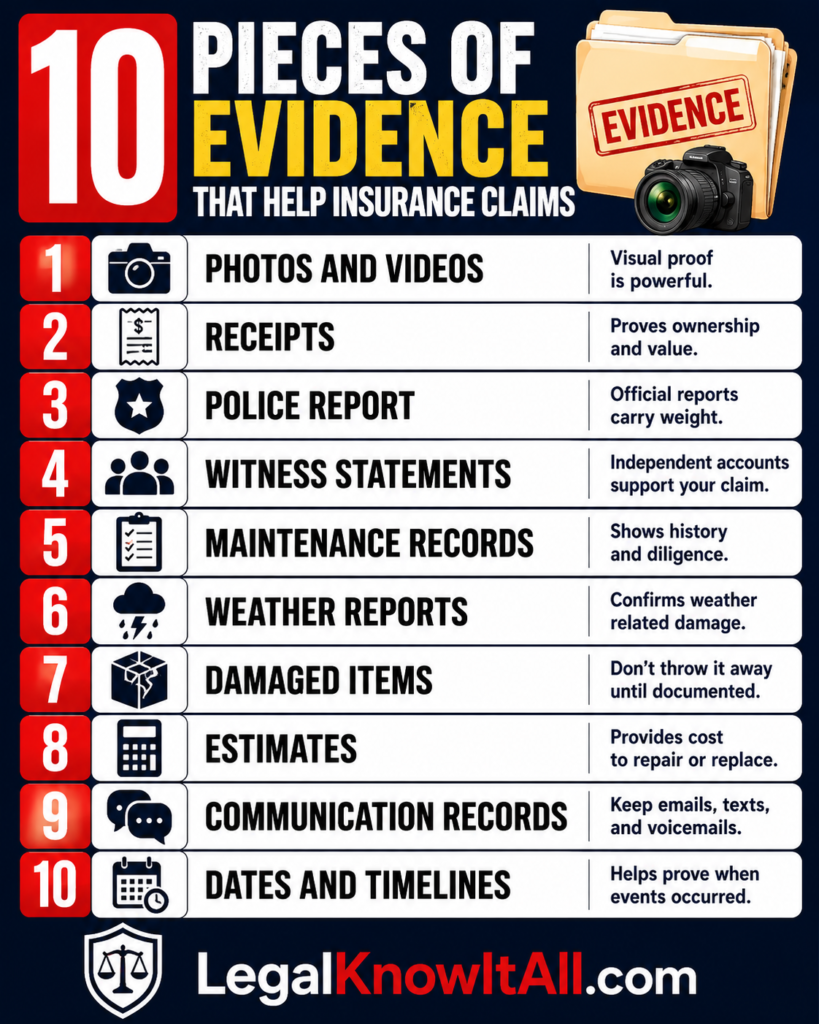
1. Photos and Videos
Photos and videos are often among the most valuable forms of evidence available.
Visual documentation can show:
- Vehicle damage
- Property damage
- Storm damage
- Water intrusion
- Fire damage
- Accident scenes
- Injuries
The more photographs you can safely gather, the better.
Try to capture wide-angle shots, close-up damage, surrounding conditions, and multiple perspectives.
For vehicle accidents, dash camera footage can sometimes become the most powerful piece of evidence available because it shows exactly what occurred. This guide to dash cams for truck drivers explains how recorded video can document what happened.
2. Receipts
Receipts help establish ownership and value.
Insurance companies frequently ask for proof that damaged or stolen items existed before the loss occurred.
Helpful receipts may include:
- Electronics purchases
- Furniture purchases
- Appliance purchases
- Jewelry purchases
- Home improvement purchases
Even digital receipts can be valuable.
Many homeowners scan and save important purchase records to create a backup in case originals are lost.


3. Police Reports
When law enforcement responds to an incident, an official report can become an important piece of supporting documentation.
Police reports may contain:
- Officer observations
- Statements from involved parties
- Witness information
- Accident details
- Dates and times
While police reports do not automatically determine fault, they often carry significant weight during claim investigations.
4. Witness Statements
Independent witnesses can provide valuable support for your version of events.
Witnesses may help verify:
- What occurred
- Who was present
- Weather conditions
- Property conditions
- Accident details
Neutral third-party observations can often strengthen a claim when facts are disputed.

5. Maintenance Records
Many people overlook maintenance records until an insurance company requests them.
Maintenance records can show that you properly cared for your property before damage occurred.
Examples include:
- Roof inspections
- HVAC servicing
- Plumbing repairs
- Vehicle maintenance
- Electrical inspections
These records may help counter claims that damage resulted from neglect rather than a covered event.
6. Weather Reports
Weather reports can be particularly useful in claims involving:
- Wind damage
- Hail damage
- Tornadoes
- Hurricanes
- Flooding
- Severe storms
Official weather records can help establish that damaging conditions existed in your area at the time of the loss.
For homeowners filing storm-related claims, weather data often becomes an important supporting document.
7. Damaged Items
One of the biggest mistakes people make is throwing damaged items away too quickly.
Whenever possible, preserve damaged property until the insurance company has had an opportunity to inspect it.
Examples include:
- Damaged roofing materials
- Broken appliances
- Water-damaged belongings
- Damaged vehicle parts
- Storm-damaged outdoor equipment
Physical evidence can sometimes tell a clearer story than photographs alone.
8. Repair Estimates
Repair estimates help establish the financial impact of your loss.
Insurance companies often compare multiple estimates when evaluating damages.
Estimates may come from:
- Contractors
- Auto repair shops
- Restoration companies
- Roofing companies
- Specialized repair providers
Accurate estimates can help support the amount you’re requesting through the claims process.

9. Communication Records
Always keep copies of communications related to your claim.
Important records may include:
- Emails
- Text messages
- Letters
- Voicemails
- Claim notes
- Adjuster communications
If questions arise later, communication records can help verify what was discussed and when it occurred.
Many policyholders find it helpful to keep a dedicated claim file that contains every document related to the claim.
10. Dates and Timelines
Creating a timeline can help organize important events and strengthen your case.
Your timeline might include:
- Date of loss
- Date claim was filed
- Inspection dates
- Repair dates
- Communication dates
- Settlement discussions
A clear timeline can help identify delays, misunderstandings, or inconsistencies during the claims process.
This can be especially helpful if disputes develop later.
Why Evidence Matters During an Insurance Claim
Insurance companies investigate claims by reviewing facts, documentation, and supporting evidence.
Adjusters often examine:
- Photographs
- Statements
- Reports
- Estimates
- Records
- Physical evidence
The stronger your documentation, the easier it becomes to support your claim.
If you are concerned about delays, you may also find our article on how long an insurance company has to respondhelpful.
What Happens If You Don’t Have Evidence?
Not every claim starts with perfect documentation.
Many people do not realize they need evidence until after the incident occurs.
Even if you are missing some records, evidence may still be available through:
- Security cameras
- Witnesses
- Service records
- Public records
- Police reports
- Weather data
The key is gathering as much supporting documentation as possible as quickly as possible.
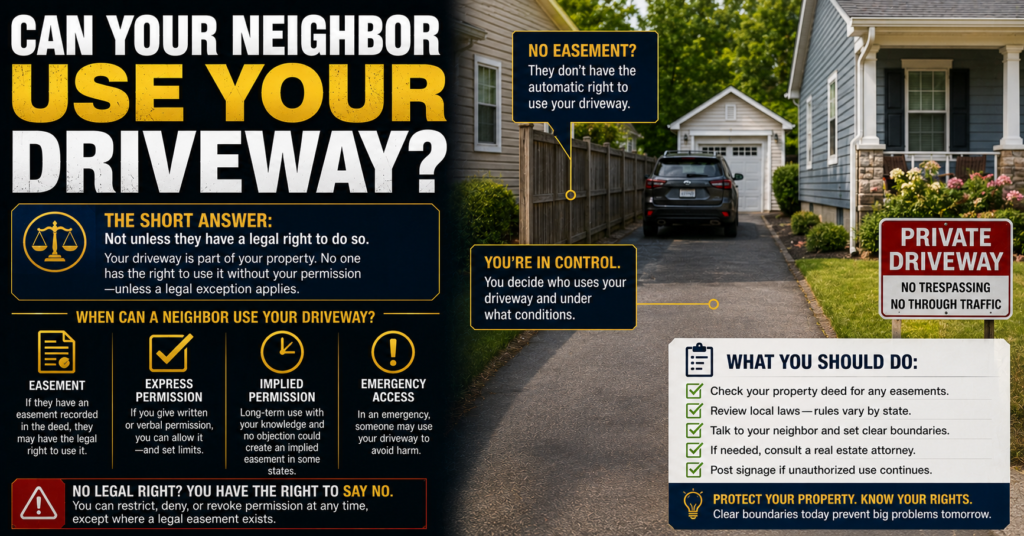
You may also want to read our guide on can an insurance company deny a claim without investigation to better understand how claims are evaluated.
Can an Insurance Company Ignore Evidence?
Insurance companies are expected to review relevant evidence when investigating claims.
If you believe important documentation is being overlooked, continue providing supporting records and maintain copies of everything you submit.
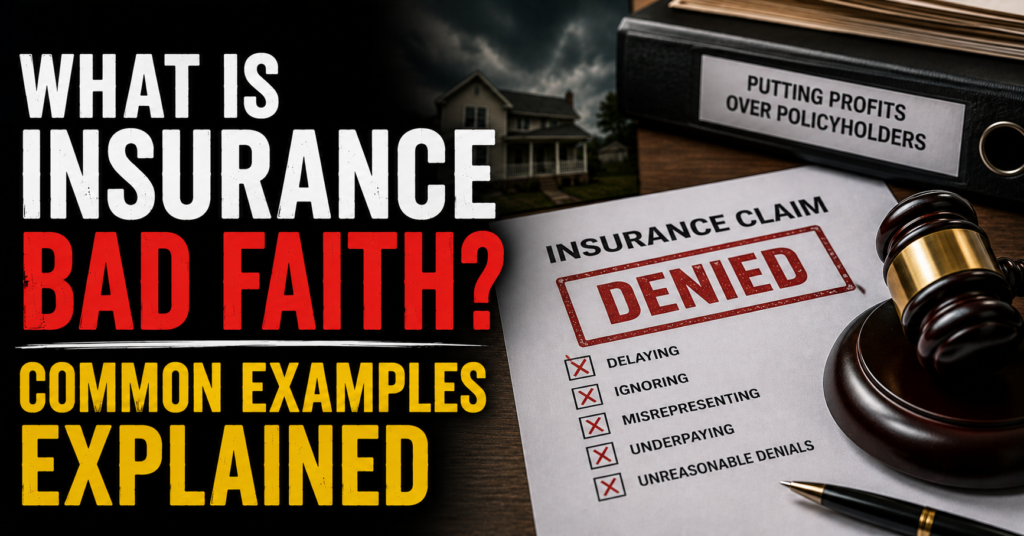
In situations where a claim is delayed, undervalued, or denied despite strong supporting evidence, it may be worth reviewing our article on insurance bad faith and common examples.
Protecting Your Evidence Before You Need It
The best time to organize important records is before a loss occurs.
Many homeowners keep digital copies of:
- Insurance policies
- Property inventories
- Receipts
- Maintenance records
- Photos of valuable belongings
These records can make the claims process significantly easier if disaster strikes.
If you’re facing an insurance dispute, you can explore additional resources in our Insurance Claims category or browse our Legal Questions section for answers to common legal concerns.
Strong evidence often becomes the foundation of a successful insurance claim. The more documentation you can gather, preserve, and organize, the better positioned you’ll be to support your case and protect your interests throughout the claims process.