
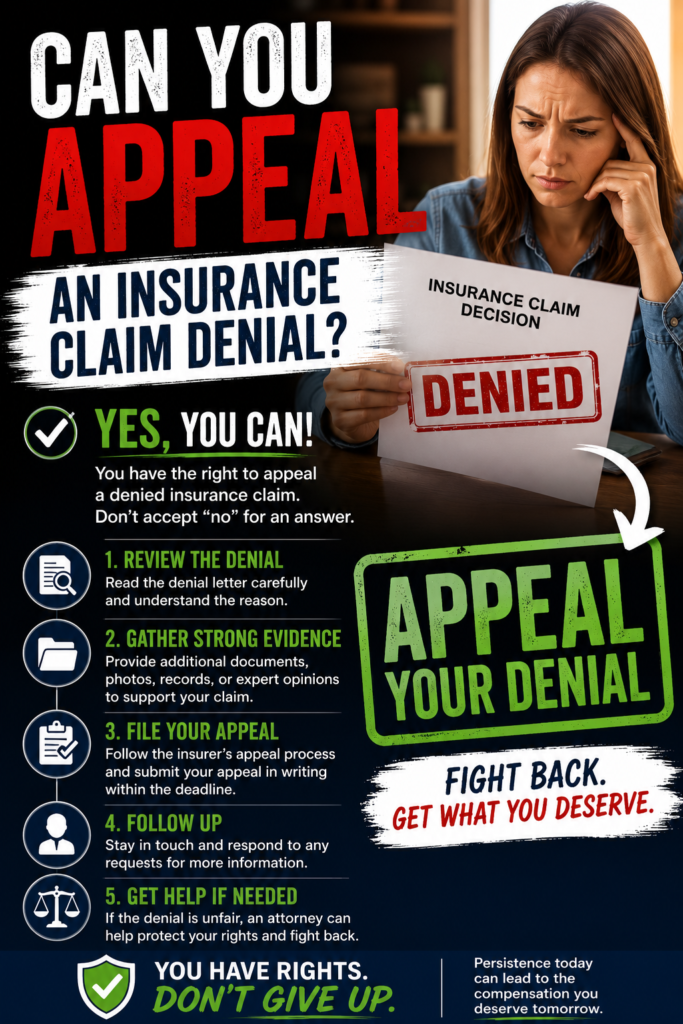
Can You Really Appeal an Insurance Claim Denial or Not?
Yes, in many situations you can appeal an insurance claim denial.
Receiving a denial does not automatically mean the matter is over.
Insurance companies sometimes receive additional evidence, corrected information, expert opinions, repair estimates, medical records, or other documentation after a denial has been issued.
In some cases, that information may lead to further review of the claim.
Whether an appeal is successful depends on the specific facts, policy language, available evidence, and the reason the claim was denied.
Quick Answer
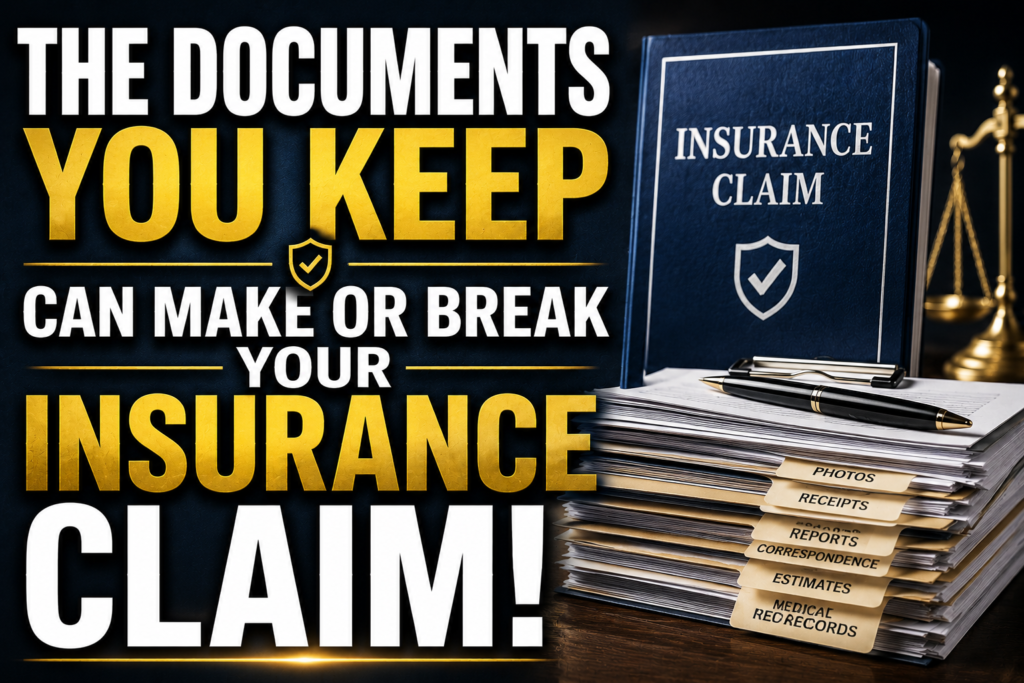
Many insurance claim denials can be appealed or reviewed again. The process often involves understanding the reason for the denial, gathering supporting evidence, and requesting that the insurance company reconsider the decision. The outcome depends on the facts of the claim, the policy terms, and the information available during the review. Organizing the right evidence is easier when policyholders understand What Documents Should You Keep for an Insurance Claim?.
What Does an Insurance Appeal Mean?
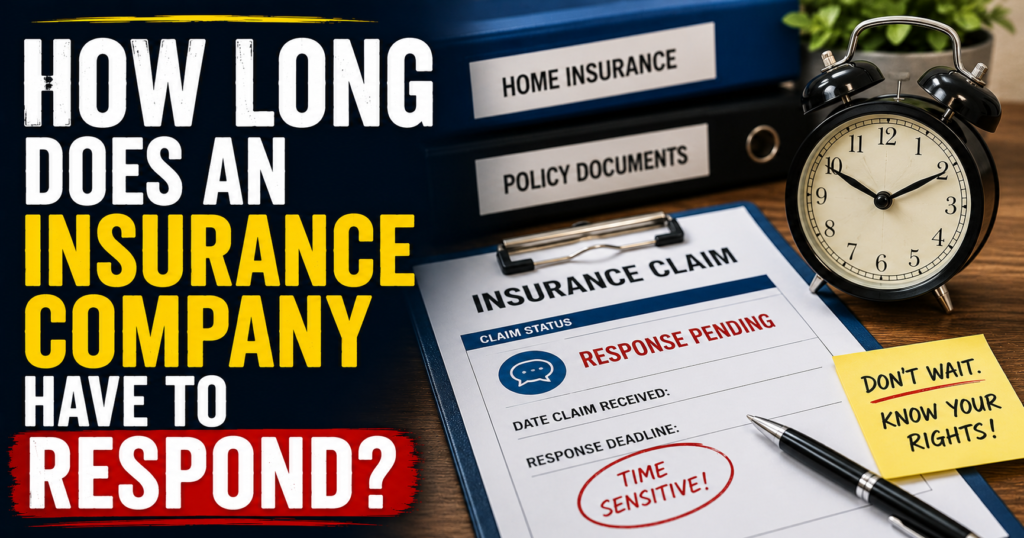
An appeal generally means asking the insurance company to review its decision. Understanding the insurer’s response obligations can also help provide context, as explained in How Long Does an Insurance Company Have to Respond?.
Different insurers may use different terminology.
You may hear terms such as:
- Appeal
- Reconsideration
- Review request
- Dispute review
- Claim reassessment
Regardless of the name, the goal is usually the same.
The policyholder believes additional review is warranted because important information may not have been fully considered during the original decision.
Start With the Denial Letter
Before doing anything else, carefully read the denial letter.
Many people immediately focus on the denial itself while overlooking the explanation.
The denial letter often explains:
- Why the claim was denied
- What policy language applies
- What evidence was reviewed
- What information may be missing
Understanding the reason for the denial is often the most important step in deciding whether an appeal makes sense.
You may also find helpful information in:
What Happens If an Insurance Claim Is Denied?
Common Reasons People Appeal Denied Claims
Several situations commonly lead policyholders to request additional review.
New Evidence Is Discovered
New information may become available after the original decision.
Examples include:
- Additional photographs
- Video footage
- Witness statements
- Repair estimates
- Medical records
Important Information Was Missed
Sometimes policyholders believe relevant evidence was overlooked or misunderstood.
Administrative Errors Occurred
Mistakes occasionally happen.
Incorrect information, missing documents, or communication issues may affect how a claim is evaluated.
Additional Damage Is Found
Especially with property damage claims, additional issues may not become apparent until repairs begin.
What Evidence Can Help an Appeal?
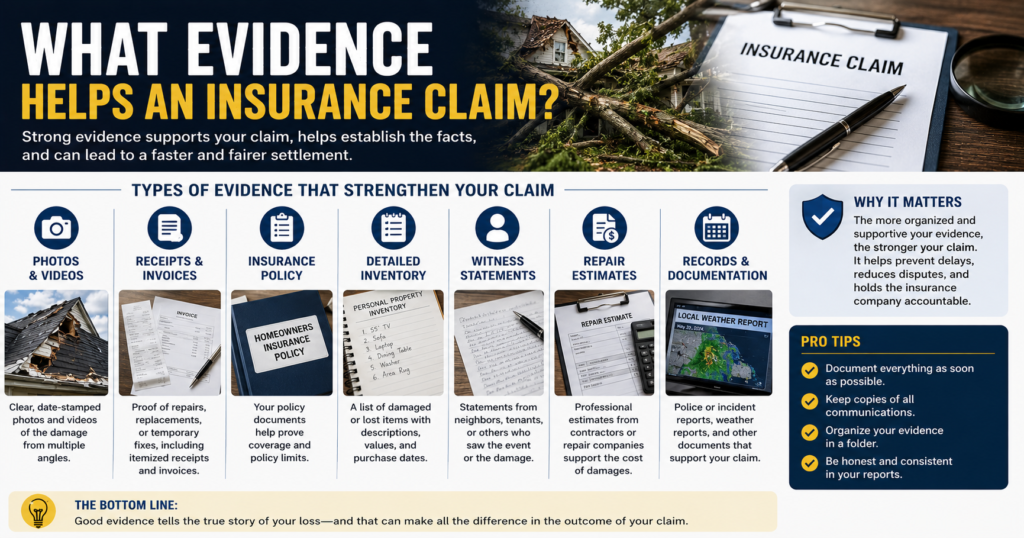
Evidence often plays a major role in claim disputes. Knowing What Evidence Helps an Insurance Claim? can help clarify which records may support a request for reconsideration.
Helpful evidence may include:
- Photographs
- Videos
- Estimates
- Receipts
- Medical records
- Inspection reports
- Police reports
- Expert evaluations
Strong documentation may help clarify issues that contributed to the original denial.
Readers looking for more information should also see:
10 Types of Proof That Can Strengthen Your Insurance Claim Case
Video Evidence Can Be Especially Helpful
Accident-related claims frequently involve disagreements regarding what happened.
Video footage can sometimes help resolve conflicting accounts.

Many drivers use the VNV Front and Rear Dash Cam for Accident Evidence because it records both the front and rear of the vehicle and may help preserve important evidence that can later become relevant during claim reviews and disputes.
Keep Every Claim Record
Documentation becomes even more important once a denial occurs.
Consider retaining:
- Denial letters
- Emails
- Estimates
- Receipts
- Photographs
- Claim numbers
- Inspection reports

Many people choose to organize records using the Canon imageFORMULA Portable Document Scanner so documents can be stored digitally and accessed easily when needed.

Important records are often stored in a SentrySafe Fireproof Waterproof Document Safe or an ENGPOW Fireproof Document Storage Box to help protect valuable paperwork.


Can an Insurance Company Deny the Appeal?
Yes.
Submitting an appeal does not guarantee the decision will change.
After reviewing the information, the insurance company may:
- Reverse the denial
- Approve part of the claim
- Request additional information
- Maintain the denial
The outcome depends heavily on the facts and evidence involved.
What If You Believe the Original Investigation Was Incomplete?
Many policyholders appeal because they believe the insurer failed to fully investigate the claim.
Questions sometimes arise when people feel the company:
- Ignored evidence
- Failed to inspect damage
- Overlooked important facts
- Reached conclusions too quickly
For additional information, see:
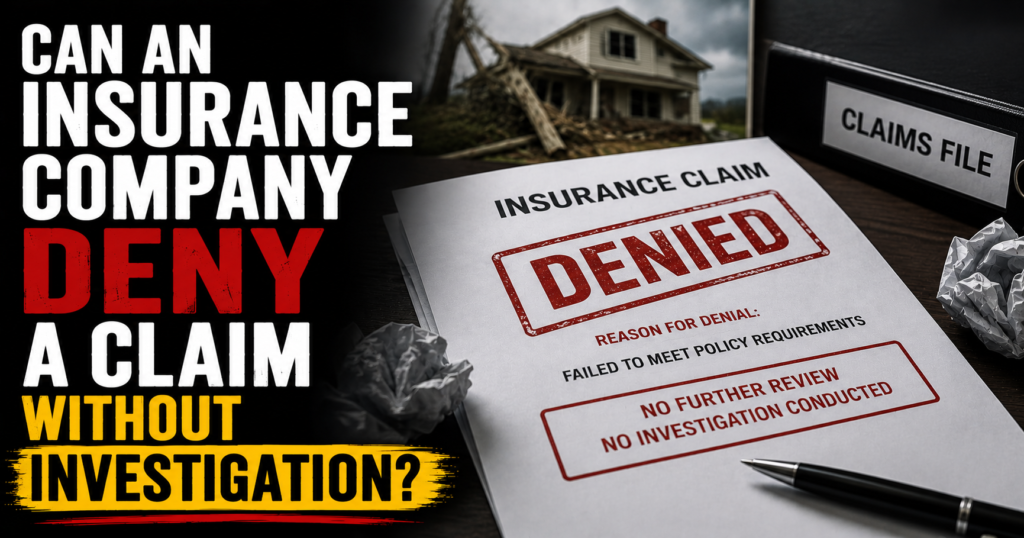
Can an Insurance Company Deny a Claim Without Investigation?
Appeals Often Work Best When Supported by Facts
Strong appeals usually focus on evidence rather than emotions.
The goal is to show:
- What information was missing
- Why the original decision may be incorrect
- What evidence supports reconsideration
Clear documentation often carries more weight than general disagreement with the outcome.
What If the Appeal Is Denied?
Sometimes the insurance company reviews the additional information and still decides not to change its decision.
This can be frustrating, especially when a policyholder believes the evidence clearly supports the claim.
However, an unsuccessful appeal does not automatically mean all options have been exhausted.
The next step often depends on:
- The reason for the denial
- The amount of money involved
- The available evidence
- State laws
- The type of insurance claim
Understanding why the appeal was unsuccessful is often just as important as understanding why the original claim was denied.
Can You File a Complaint Against an Insurance Company?
In many states, consumers can file complaints with the agency responsible for regulating insurance companies.
Complaints are commonly filed regarding:
- Claim delays
- Communication problems
- Claim handling concerns
- Denials
- Billing disputes
A complaint does not automatically force the insurance company to approve the claim.
However, it may help ensure the situation receives additional review.
For a detailed explanation, see:

Can You File a Complaint Against an Insurance Company?
What If You Believe the Insurance Company Acted Unfairly?
Some claim disputes go beyond simple disagreements.
Policyholders sometimes become concerned when they believe the insurer:
- Failed to investigate
- Ignored evidence
- Delayed the claim unnecessarily
- Misrepresented policy language
- Failed to communicate
These concerns often lead people to research insurance bad faith.
You can learn more here:
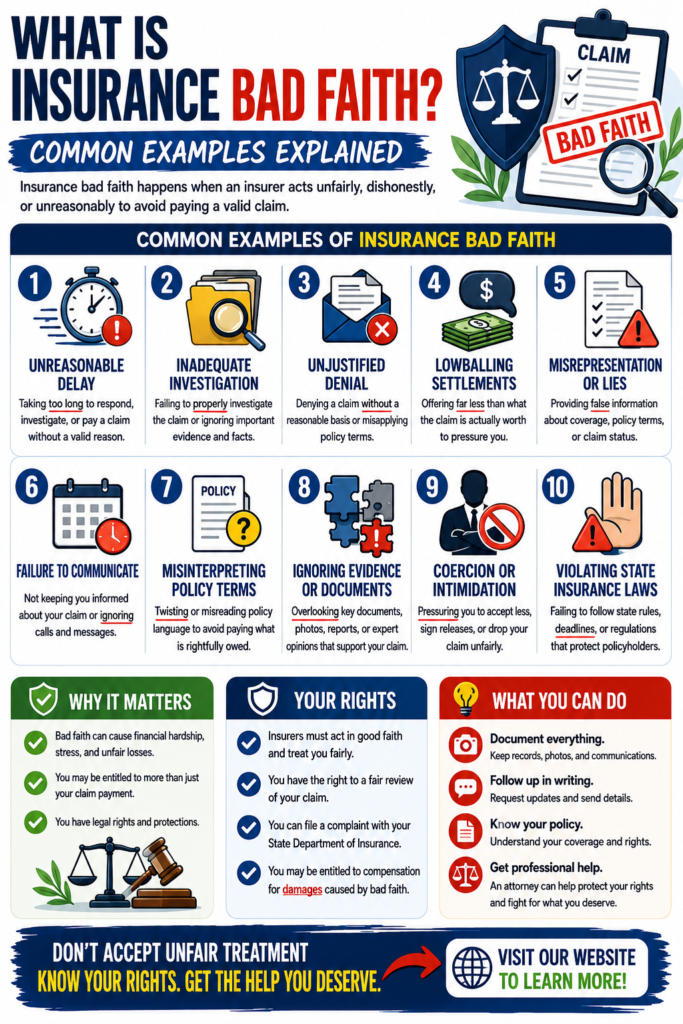
What Is Insurance Bad Faith? Common Examples Explained
Not every denied claim or unsuccessful appeal involves bad faith.
However, understanding the concept can help policyholders better evaluate their situation.
Can You Reopen a Closed Insurance Claim?
Sometimes.
Depending on the circumstances, newly discovered evidence, additional damage, or other information may justify further review.
For example:
- Hidden property damage is discovered
- New medical information becomes available
- Important documentation is located
- Administrative errors are identified
For more information, see:
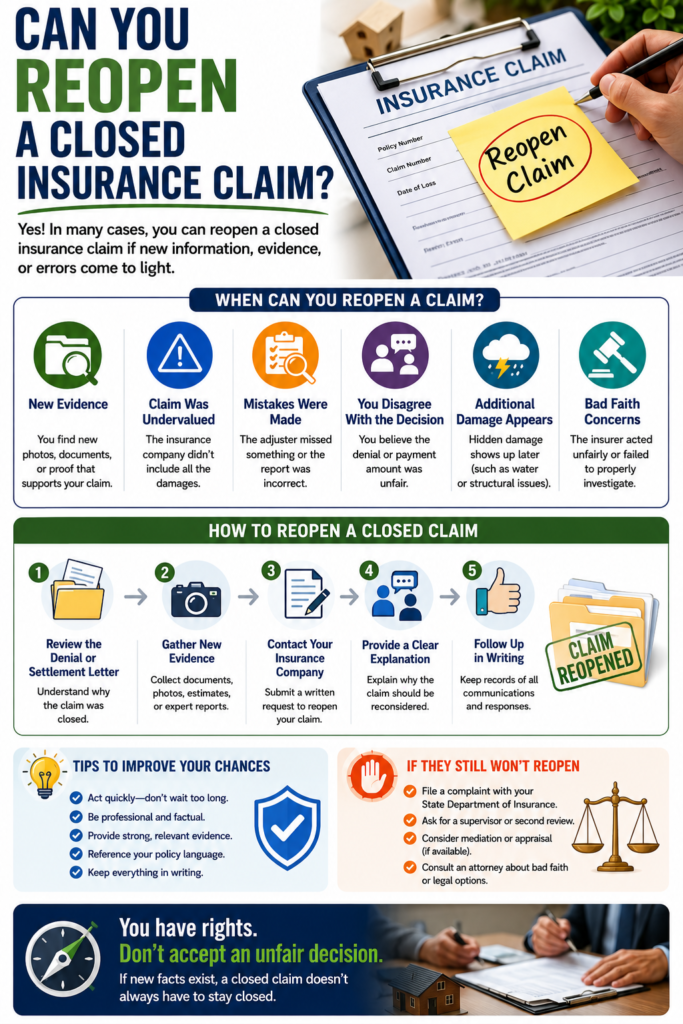
Can You Reopen a Closed Insurance Claim?
Can You Sue an Insurance Company?
In some situations, policyholders consider legal action.
Whether a lawsuit is appropriate depends on numerous factors, including:
- State law
- Policy language
- Available evidence
- The amount in dispute
- Claim history
Not every dispute results in litigation.
Many disagreements are resolved through additional review, negotiation, complaints, or other dispute-resolution processes.
For additional information, see:
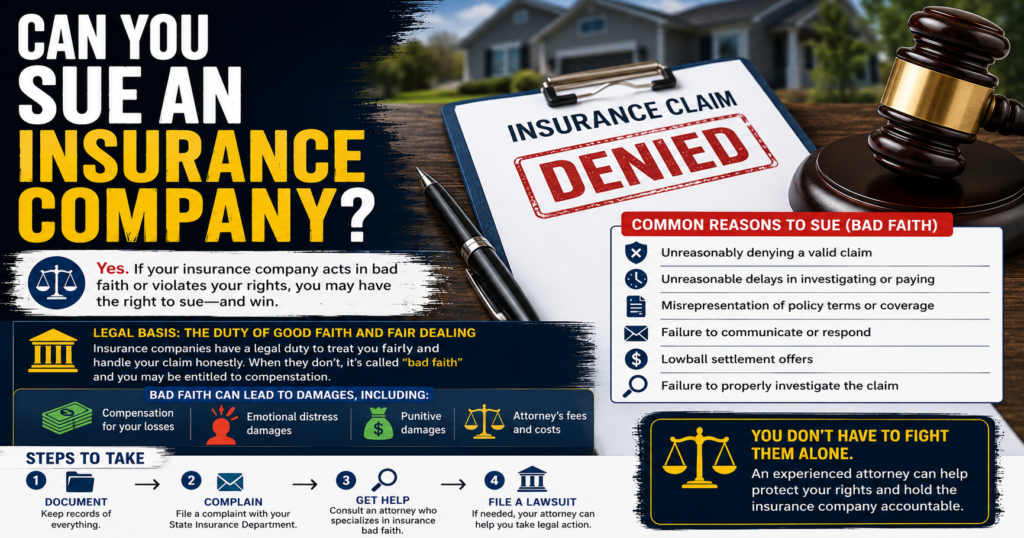
Can You Sue an Insurance Company?
How Long Should You Keep Appeal Records?
If you’re challenging a denial, maintaining organized records is extremely important.
Documents worth keeping often include:
- Denial letters
- Appeal requests
- Emails
- Estimates
- Inspection reports
- Medical records
- Photographs
- Claim correspondence

Many policyholders digitize these records using the Canon imageFORMULA Portable Document Scanner and store originals in a SentrySafe Fireproof Waterproof Document Safe or ENGPOW Fireproof Document Storage Box.
Having organized documentation can be extremely valuable if questions arise months or even years later.
Practical Tips for Appealing a Denied Insurance Claim
Stay Professional
Anger is understandable, but professional communication is usually more productive.
Focus on Evidence
Strong documentation often carries more weight than opinions.
Respond Promptly
Delays can make disputes more difficult to resolve.
Keep Copies of Everything
Never assume records will always remain available elsewhere.
Understand the Reason for the Denial
The strongest appeals usually address the specific reason the claim was denied.
Appeals Are Often About Information
Many successful appeals happen because new information becomes available.
The insurance company may have made its original decision based on incomplete facts, missing documents, or evidence that was not yet available.
For that reason, the quality of the information submitted often matters more than the quantity.
You may also find these related articles helpful:
- How Long Does an Insurance Claim Take? What to Expect
- What Happens After You File an Insurance Claim?
- What Happens After an Insurance Adjuster Visits?
- What Happens If an Insurance Claim Is Denied?
- Can an Insurance Company Deny a Claim Without Investigation?
- 10 Types of Proof That Can Strengthen Your Insurance Claim Case
A well-supported appeal gives the insurance company the best opportunity to reevaluate the claim using the most complete information available.
Frequently Asked Questions
Can you appeal an insurance claim denial?
In many situations, yes. Insurance companies often allow policyholders to request additional review of a denied claim, especially when new evidence, documentation, or information becomes available.
How long do you have to appeal a denied insurance claim?
The answer varies depending on the insurance company, policy language, type of claim, and applicable state laws. Review the denial letter and policy documents carefully for any deadlines that may apply.
What evidence helps during an insurance appeal?
Helpful evidence may include:
- Photographs
- Videos
- Receipts
- Repair estimates
- Medical records
- Police reports
- Witness statements
- Expert opinions
Strong documentation often plays a major role in claim reviews.
Can an insurance company deny an appeal?
Yes. After reviewing the information submitted, the insurer may decide to maintain the denial, request additional documentation, approve part of the claim, or reverse its original decision.
Is an appeal different from filing a complaint?
Yes. An appeal generally asks the insurance company to reconsider its decision. A complaint is usually submitted to a state insurance regulator regarding claim handling concerns or disputes.
Can I submit new evidence after a denial?
In many situations, yes. Additional evidence is one of the most common reasons policyholders request further review of a denied claim.
What if I disagree with the appeal decision?
Depending on the circumstances, additional options may be available, including complaints, further review, negotiation, or other dispute-resolution processes.
Can a denied claim be reopened later?
Sometimes. Newly discovered evidence, additional damage, administrative errors, or other factors may occasionally lead to additional review after a claim has been closed.
Should I keep records related to my appeal?
Absolutely. Maintaining copies of correspondence, estimates, reports, photographs, receipts, and appeal documents can be extremely important if questions arise later.
Where can I learn more about insurance claim disputes?
You may find these related articles helpful:
- What Happens If an Insurance Claim Is Denied?
- Can an Insurance Company Deny a Claim Without Investigation?
- Can You File a Complaint Against an Insurance Company?
- Can You Sue an Insurance Company?
- What Is Insurance Bad Faith? Common Examples Explained
Important Information
This article is provided for educational and informational purposes only and should not be considered legal advice. Insurance laws vary by state, insurance policies differ, and individual circumstances can significantly affect claim outcomes. Information provided on Legal Know It All is intended to help readers better understand insurance claim procedures and legal concepts, not to provide legal representation or legal advice.
To learn more about how content is researched and reviewed, visit our Editorial Policy and Fact-Checking Policy pages.
Additional information about this website can be found on our About Us, Contact Us, FAQ, Disclaimer, and Terms and Conditions pages.
About the Author
Sarah Reynolds is a legal research contributor for Legal Know It All who focuses on insurance claims, consumer rights, and everyday legal issues affecting American families. She researches insurance regulations, policyholder rights, claim procedures, and consumer-focused legal topics to help readers better understand complicated subjects using plain English. Her goal is to provide trustworthy educational information that helps readers make informed decisions when dealing with insurance companies and claim disputes.