Most people carry their phone everywhere.
It goes to work.
It goes on vacation.
It sits beside the bed at night.
It travels in the car, rides in a pocket, and rarely leaves a person’s side.
Because smartphones are involved in so much of daily life, they create a surprisingly detailed record of where people go and what they do.
That reality has caused many Americans to ask an important question:
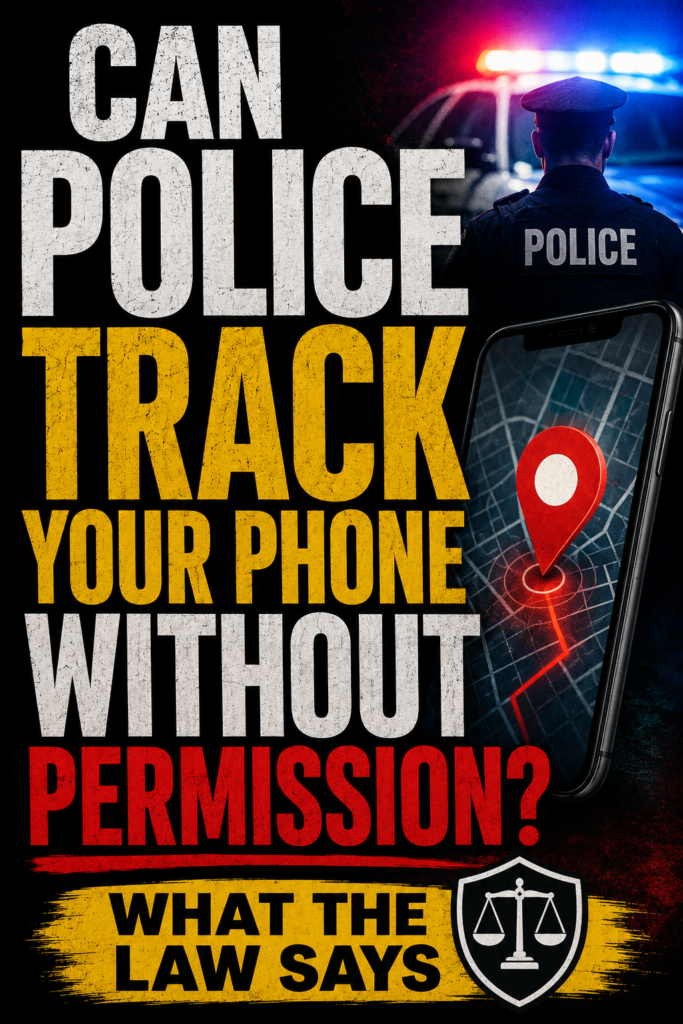
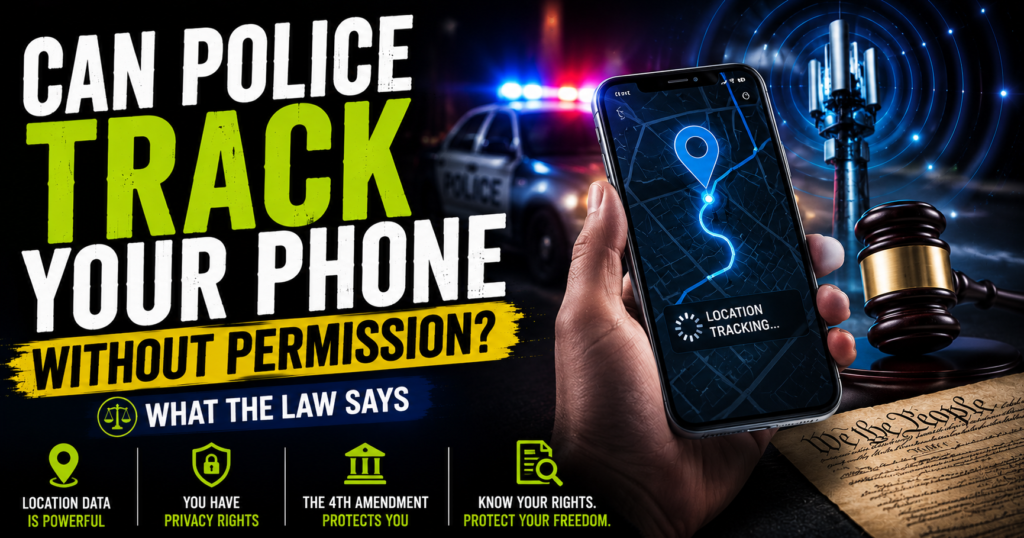
Can police track your phone without permission?
I’ve found that many people assume police can monitor any phone at any time.
Others believe phones are completely protected from tracking.
As with many constitutional-rights issues, the answer is usually more complicated.
Quick Answer
Whether police may track a phone often depends on factors such as location information, privacy expectations, warrants, specific circumstances, constitutional protections, and applicable laws. Questions involving phone tracking are often highly fact-dependent.
Why Smartphones Create Unique Privacy Concerns
Modern smartphones contain far more than phone numbers and text messages.
A single device may contain:
- Location history
- Maps data
- Photos
- Videos
- Contacts
- Financial information
- Internet activity
Because phones store so much personal information, tracking-related questions frequently become major constitutional-rights issues.



Your Phone Reveals More Than You Think
One thing I’ve noticed is that many people underestimate how much information a smartphone can reveal.
Location information alone may potentially show:
- Where a person lives
- Where they work
- Where they shop
- Places they visit regularly
- Travel habits
- Daily routines
That is one reason phone-tracking questions often generate strong privacy concerns.
Digital Privacy Is Becoming Increasingly Important
A generation ago, many privacy disputes involved physical searches.
Today, some of the most significant constitutional-rights questions involve technology.
People are increasingly concerned about:
- Location tracking
- Electronic surveillance
- Digital records
- Online activity
- Smartphone data
As technology evolves, constitutional-rights discussions continue evolving as well.



Phone Tracking And Phone Searches Are Related
Many readers who research phone tracking also research phone searches.
While the two issues are not identical, they frequently overlap.
For example, you may also find helpful information in:
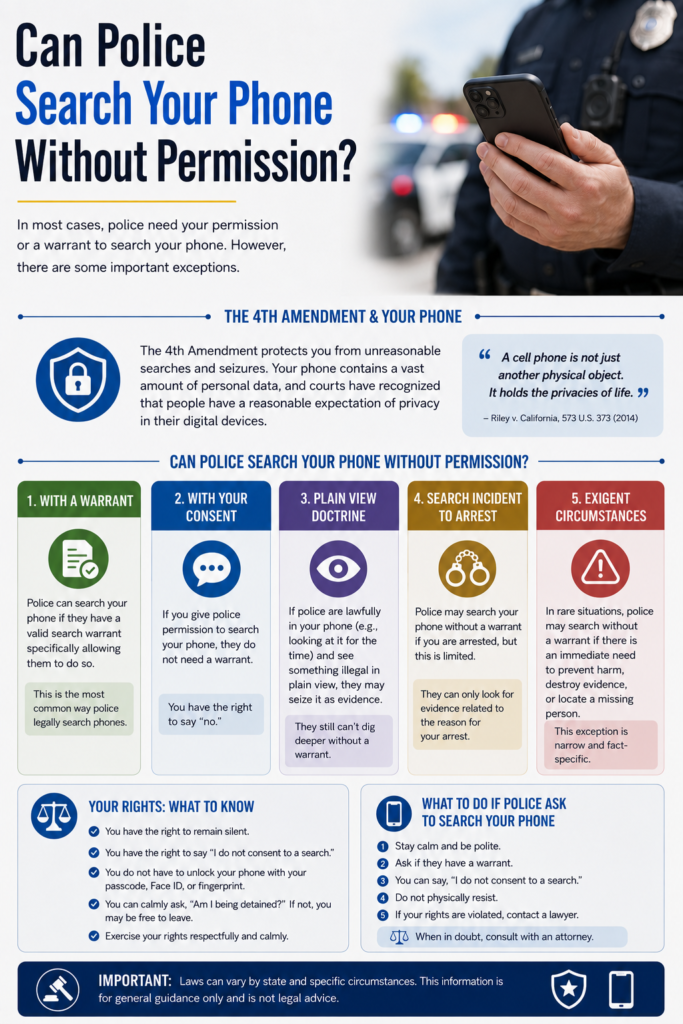
Can Police Search Your Phone Without Permission?
Both topics involve privacy, personal information, and constitutional protections.
Location Data Has Become A Major Legal Topic
One thing I’ve learned is that location data is often far more valuable than people realize.
Location information may reveal patterns that help create a detailed picture of a person’s life.
That is one reason courts, lawmakers, privacy advocates, and law-enforcement agencies have all devoted significant attention to location-tracking issues in recent years.
Digital Privacy Often Connects To Other Constitutional Rights
People researching phone tracking frequently continue exploring other constitutional-rights questions.
For example:
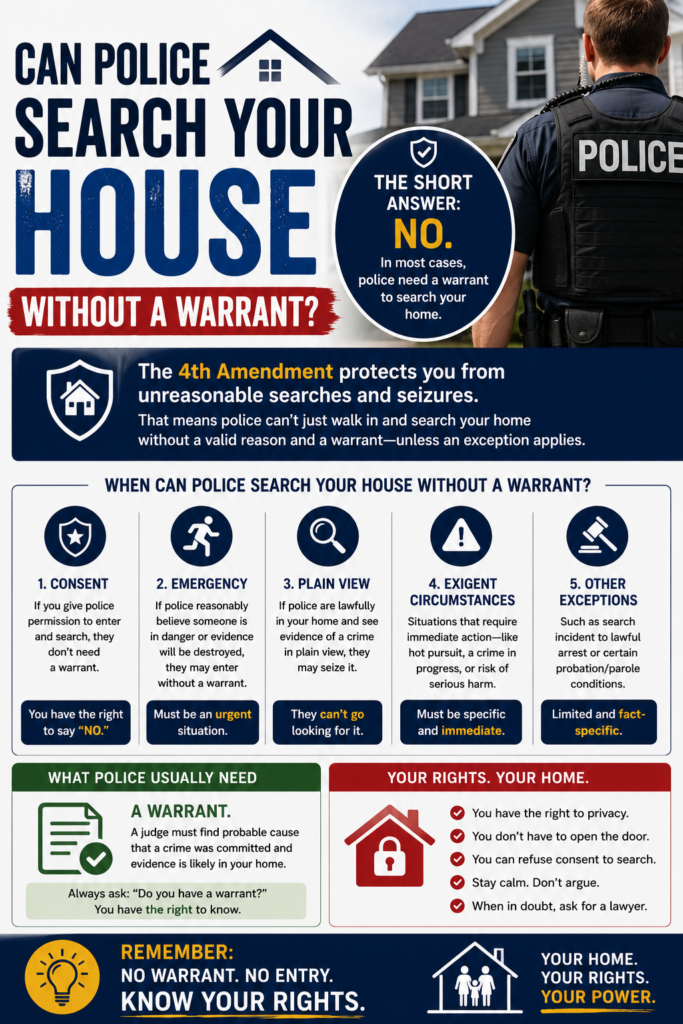
Can Police Search Your House Without a Warrant?

Can Police Search Your Car Without Permission?

Can Police Search Your Hotel Room? Know Your Rights
What Happens If Police Search You Illegally?
These topics all involve broader questions about privacy, searches, and constitutional protections.
Why So Many People Search This Question
I’ve found that concerns about phone tracking have increased dramatically over the last decade.
People know their devices constantly interact with:
- Cell towers
- GPS systems
- Apps
- Wireless networks
- Online services
As a result, many Americans are understandably curious about who may have access to that information and under what circumstances.



The Facts Usually Matter
One of the biggest misconceptions involving phone tracking is the belief that there is a simple rule that applies to every situation.
The reality is that privacy-related questions often depend heavily on:
- The technology involved
- The circumstances
- Applicable laws
- Constitutional protections
- Specific facts
That is one reason courts frequently examine phone-tracking issues very carefully.
GPS Tracking And Location Data Get Most Of The Attention
When people think about phone tracking, they usually picture GPS.
That makes sense.
GPS technology has become one of the most recognizable forms of location tracking in modern life.
Most smartphones interact with location services every day.
For example:
- Navigation apps
- Weather apps
- Ride-sharing apps
- Delivery apps
- Fitness apps
Because location technology is so common, many people naturally wonder how it relates to privacy rights.
Cell Towers Can Also Reveal Information
Many Americans are surprised to learn that phones communicate with nearby cell towers as part of normal operation.
As a result, discussions involving phone tracking often include questions about:
- Cell towers
- Location records
- Wireless networks
- Communication systems
I’ve found that people often focus exclusively on GPS while overlooking other sources of location-related information.
Your Location History May Paint A Detailed Picture
One reason phone-tracking issues receive so much attention is that location information can sometimes reveal patterns over time.
For example, location history may potentially show:
- Daily routines
- Frequent destinations
- Travel habits
- Work locations
- Shopping locations
That is one reason privacy advocates and constitutional-rights organizations have closely followed phone-tracking developments.
Smartphones Generate More Data Than Ever Before
Modern devices create enormous amounts of information.
Many people are surprised by how much data may be generated through ordinary activities such as:
- Driving
- Walking
- Using apps
- Browsing websites
- Making purchases
- Traveling
Because smartphones play such a central role in modern life, digital privacy has become one of the most important constitutional-rights topics of the technology era.
Phone Tracking Is Different From Phone Searches
One thing I’ve noticed is that many people combine these two issues into a single question.
However, phone tracking and phone searches often involve different concerns.
Phone tracking typically focuses on location information.
Phone searches often focus on information stored inside the device.
For readers interested in search-related issues, see:
Can Police Search Your Phone Without Permission?
Understanding the distinction can help explain why courts often analyze these issues separately.
Common Misconceptions About Phone Tracking
One misconception is that phones are either completely private or completely trackable.
Most legal discussions are not nearly that simple.
Another misconception is that all tracking technologies work the same way.
In reality, different technologies often raise different legal and constitutional questions.
That is one reason phone-tracking cases frequently become complex.
Digital Privacy And Constitutional Rights Continue To Evolve
I’ve found that technology often develops faster than the laws surrounding it.
As new devices, apps, and tracking systems emerge, courts and lawmakers continue addressing new privacy-related questions.
That process is likely to continue for years to come.
Questions involving:
- Smartphones
- Location tracking
- Digital privacy
- Electronic records
remain among the most important constitutional-rights issues in modern America.
Phone Tracking Often Leads To Other Privacy Questions
People researching phone tracking frequently continue exploring related topics.
You may also find helpful information in:
Can Police Search Your Phone Without Permission?
Can Police Search Your Car Without Permission?
Can Police Search Your House Without a Warrant?
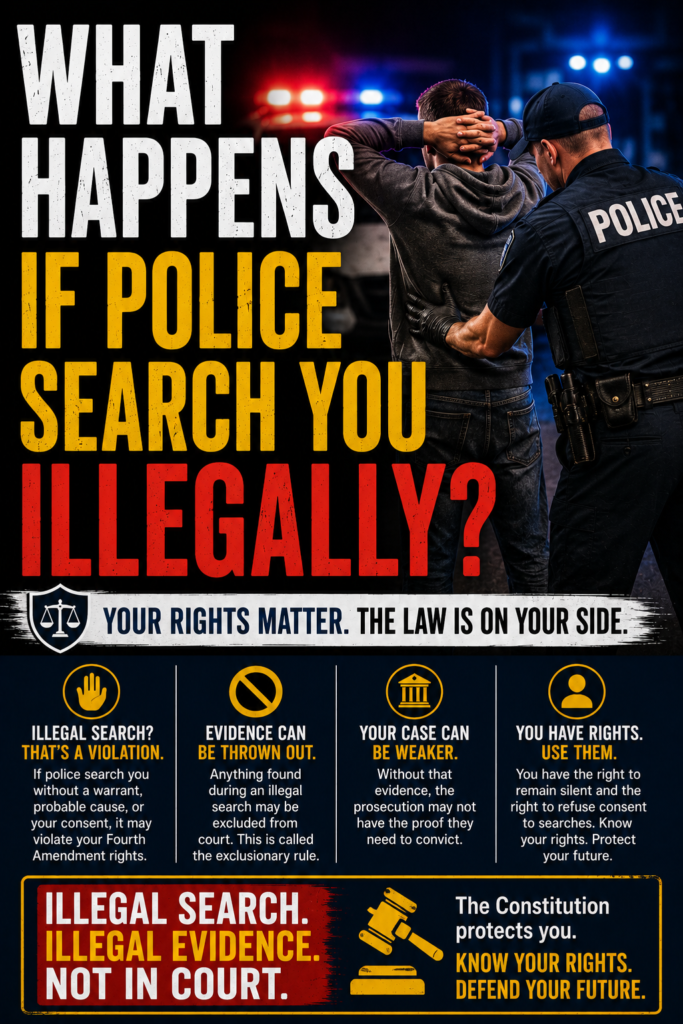
What Happens If Police Search You Illegally?
Together, these articles help explain many of the privacy and constitutional-rights questions Americans ask most often.
Frequently Asked Questions
Can police track your phone without permission?
The answer often depends on the technology involved, the circumstances, applicable laws, constitutional protections, and the specific facts of a situation.
Is GPS the only way phones can be tracked?
No. Discussions involving phone tracking often include GPS, cell-tower information, location records, and other technologies.
Why is phone tracking considered a privacy issue?
Location information can potentially reveal significant details about a person’s daily life and routines.
What is location history?
Location history generally refers to records that may show where a device has been over time.
Is phone tracking the same as searching a phone?
Not necessarily. Tracking often focuses on location information, while searches often focus on information stored on the device itself.
Why are phone-tracking cases so complicated?
Technology, privacy expectations, constitutional protections, and evolving laws all contribute to the complexity of these issues.
Why are digital privacy issues becoming more important?
Modern smartphones generate and store enormous amounts of information about everyday activities.
Where can I learn more about constitutional rights?
You can browse additional topics in our:
Constitutional Rights Category
Important Information
This article is provided for educational and informational purposes only and should not be considered legal advice. Constitutional protections, privacy laws, electronic-surveillance laws, criminal procedure rules, and digital-privacy issues vary depending on the facts involved and applicable laws. Consult a qualified attorney regarding your specific situation.
For more information about our content standards, visit our Editorial Policy and Fact-Checking Policy pages.
Additional information about this website can be found on our About Us, Contact Us, FAQ, Disclaimer, and Terms and Conditions pages.
About the Author
Michael Carter is a legal research contributor for Legal Know It All who focuses on constitutional rights, criminal law, police procedures, privacy issues, and individual liberties. He researches common legal questions involving searches, investigations, digital privacy, and constitutional protections while helping readers understand complex legal topics in clear, practical language.