
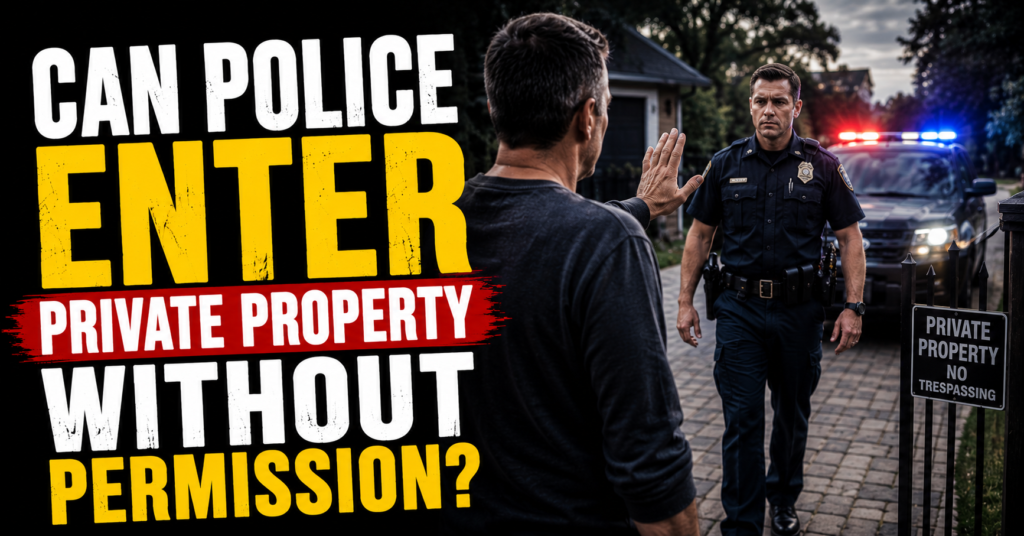
Can Police Enter Private Property Without Permission?
Learn when police may enter private property without permission, common exceptions, and what property owners should know about their rights.
Learn when police may enter private property without permission, common exceptions, and what property owners should know about their rights.
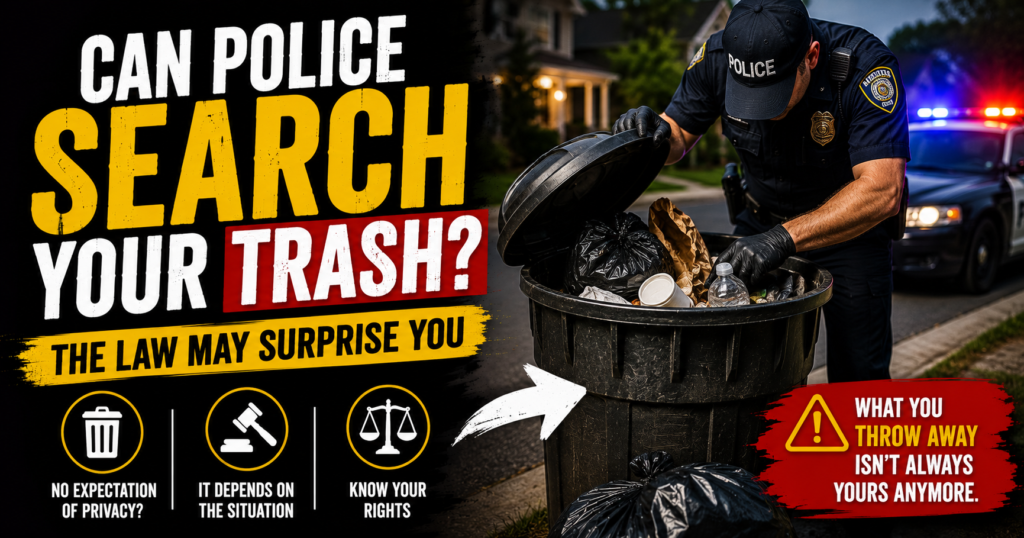
Many homeowners assume their trash is private. Here’s what Americans should know about garbage searches and constitutional rights.
Probable cause is one of the most important legal standards in the Fourth Amendment. Learn what it means, why it matters, and how it differs from reasonable suspicion.
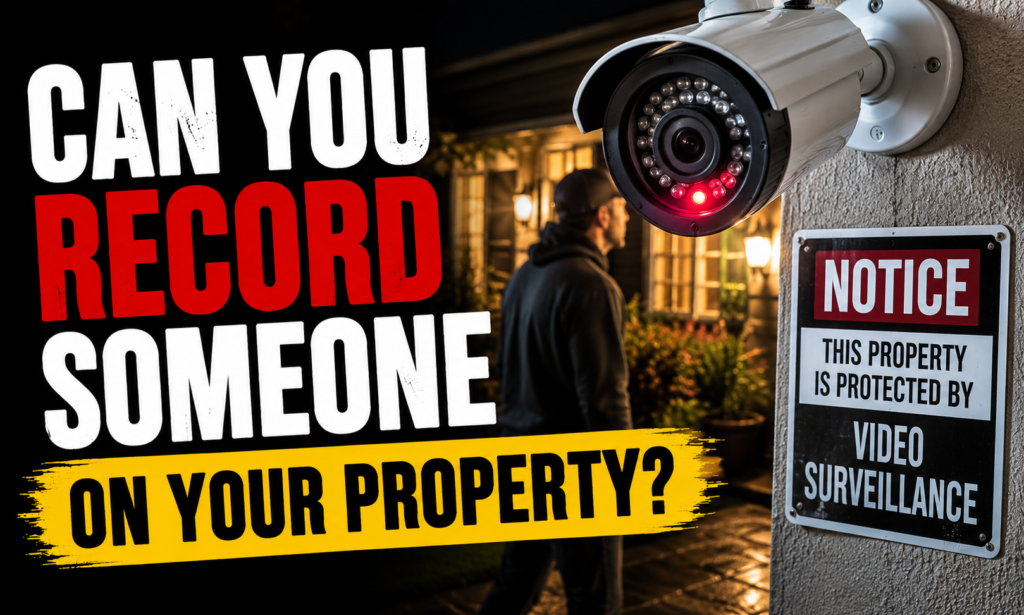
Learn whether you can record someone on your property, common privacy concerns, and what homeowners should know before using security cameras.
Your phone contains years of personal information. Before handing it over, here’s what Americans should know about phone searches and privacy rights.
A backpack or purse may contain your most personal belongings. Before handing it over, here’s what many Americans misunderstand about searches and privacy rights.
Learn when police can legally search your car, when they need consent, how probable cause works, and what rights drivers have during traffic stops.
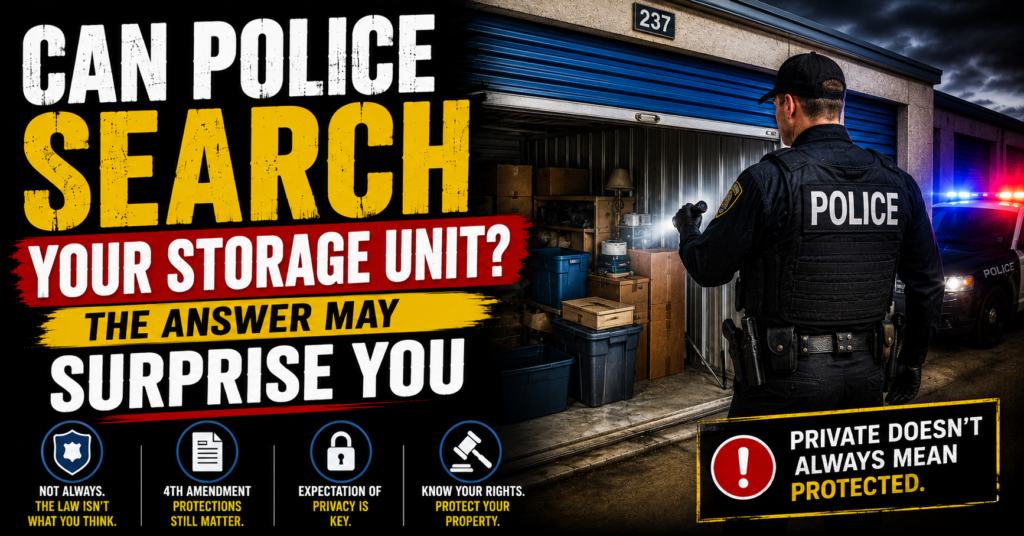
Many people treat storage units like an extension of their home. Here’s what Americans should know about storage-unit privacy and police searches.
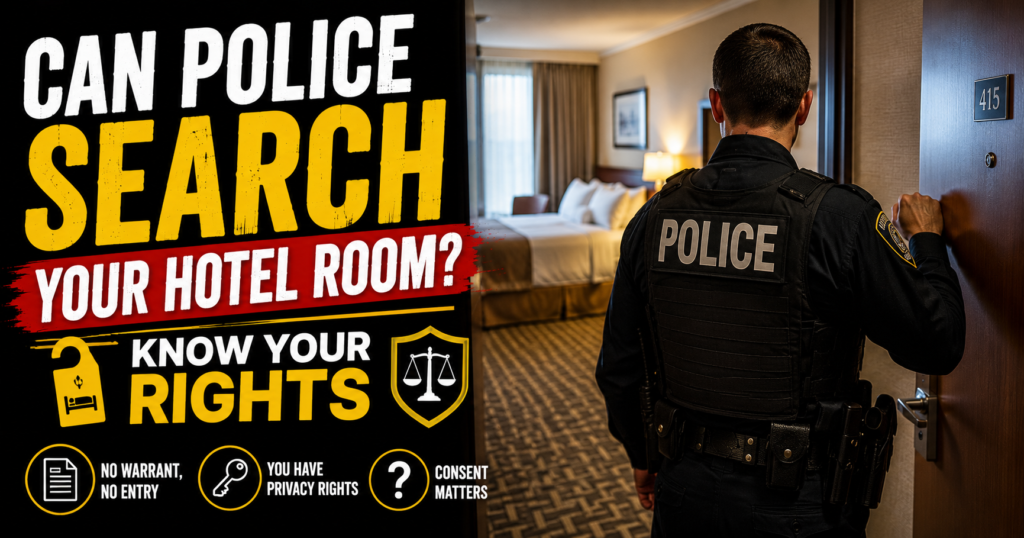
Staying in a hotel doesn’t mean giving up all privacy rights. Here’s what travelers should know about hotel room searches and constitutional protections.
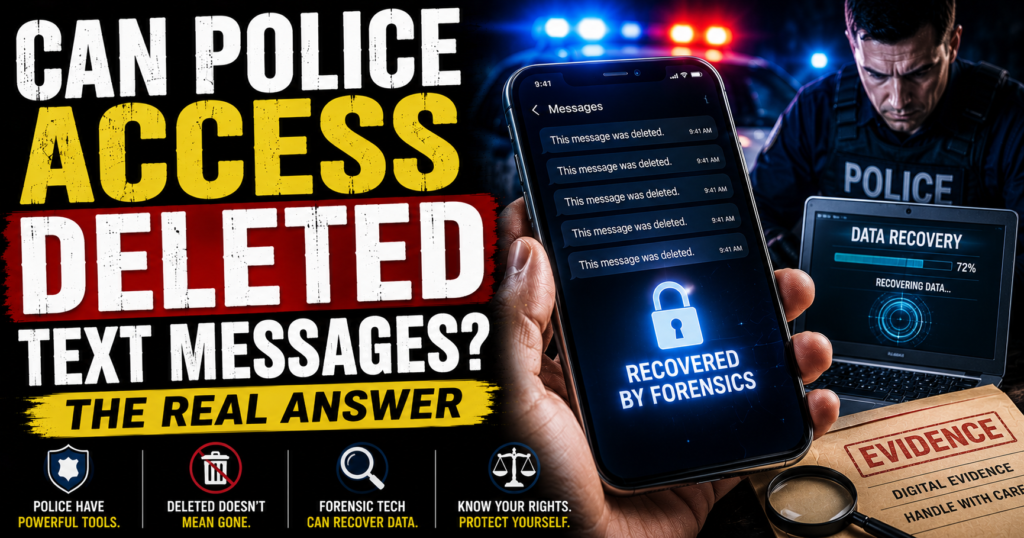
Many people assume a deleted text message is gone forever. Here’s what Americans should know about deleted texts, digital privacy, and investigations.
Being detained and being arrested are not always the same thing. Here’s what Americans should know about police detentions and constitutional rights.
Your home receives some of the strongest legal protections in America. Discover what homeowners should know about warrantless searches and constitutional rights.