
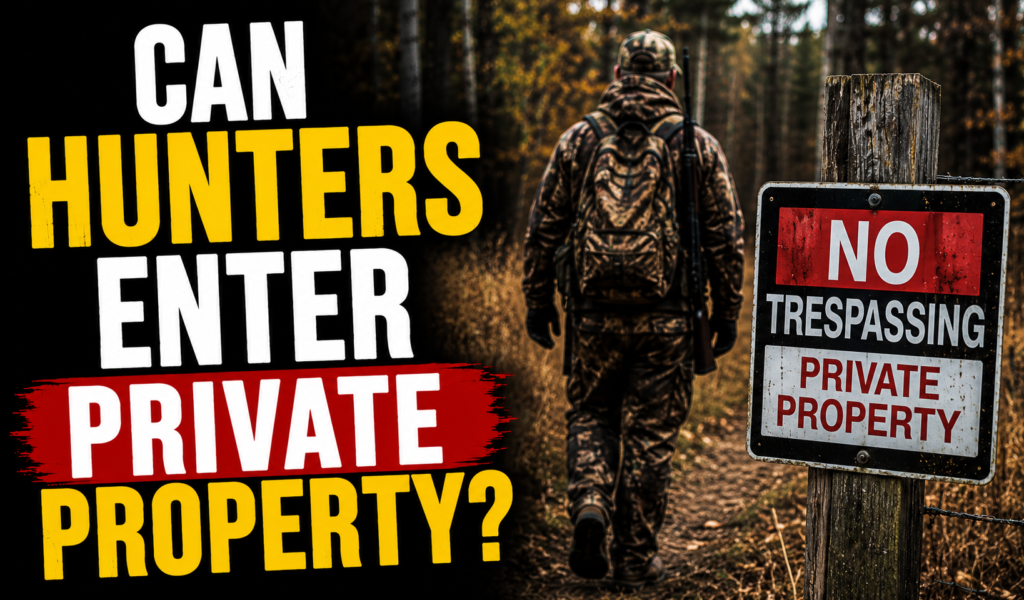
Growing up around rural Missouri, I’ve seen hunting-related property disputes create hard feelings faster than almost anything else.
Most hunters are respectful. They ask permission, respect property lines, and appreciate the opportunity to hunt private land.
The problems usually start when assumptions get involved.
A landowner assumes nobody would cross a fence.
A hunter assumes a property line is somewhere else.
Someone follows a deer across a boundary.
Before long, a simple misunderstanding turns into a disagreement about trespassing, access rights, and property ownership.
If you’ve ever looked out your window and seen a hunter on your land without permission, you’re probably wondering what rights you have and what the law may allow.
Quick Answer
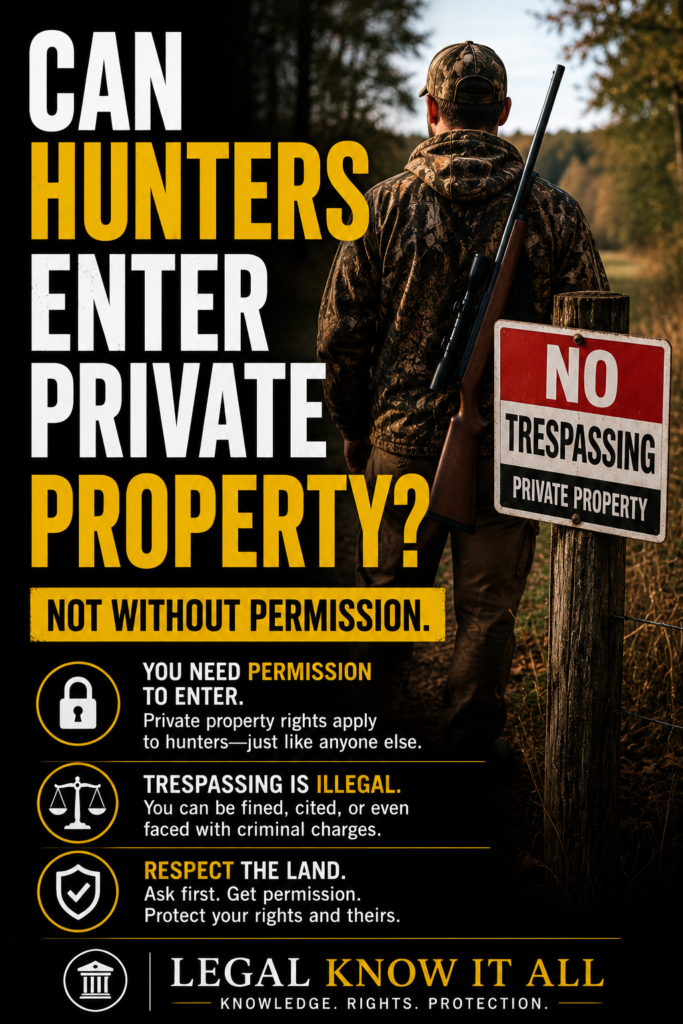
In many situations, private property owners have the right to control who enters their land. Whether hunters may legally enter private property depends on permission, property boundaries, easements, state laws, and the specific circumstances involved.
Why Hunting Creates Unique Property Disputes

Unlike many trespassing situations, hunting often occurs across large areas of land. When a hunting dispute also involves physical damage, What Happens If Someone Damages Your Property? addresses the related property problem.
A hunter may cover hundreds of acres in a single day.
Because of that, hunting disputes often involve:
- Farms
- Timber ground
- Recreational property
- Hunting land
- Acreage
- Rural property
The larger the property, the easier it can be for confusion to occur.



Knowing Your Property Lines Is Critical
One thing I’ve learned is that many property disputes happen because somebody simply doesn’t know exactly where the property line is.
A hunter may genuinely believe they are on one parcel when they are actually standing on another.
That is why I always recommend verifying boundaries before problems arise.
If you haven’t already done so, read:

How Do You Find Your Property Lines?

Many rural property owners also choose to clearly mark verified property corners and boundaries so visitors, neighbors, and hunters can more easily identify where private property begins and ends.
Permission Matters
One of the biggest misconceptions I see is the belief that hunting land is automatically open unless it is fenced or posted.
That assumption can create serious problems.
Property owners often want to decide:
- Who enters their land
- When access is allowed
- What activities occur on the property
Because of that, permission frequently becomes one of the most important issues in hunting-related disputes.


What About No Trespassing Signs?
Many landowners use signs as a simple way to communicate expectations.
Signs can help make it clear that:
- The property is private
- Hunting access is not authorized
- Permission is required
For a deeper look at the topic, see:
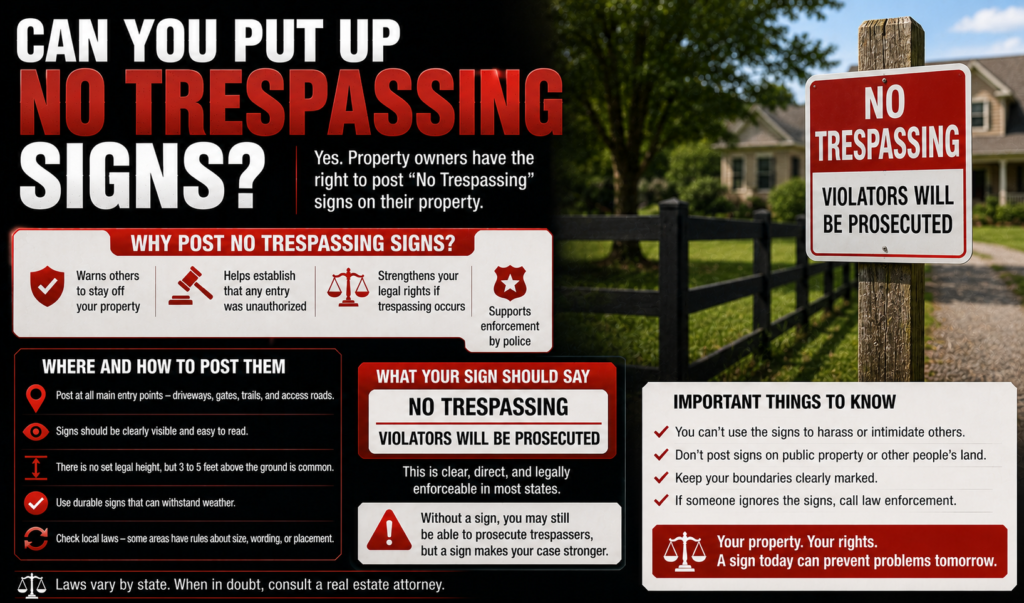
Can You Put Up No Trespassing Signs?
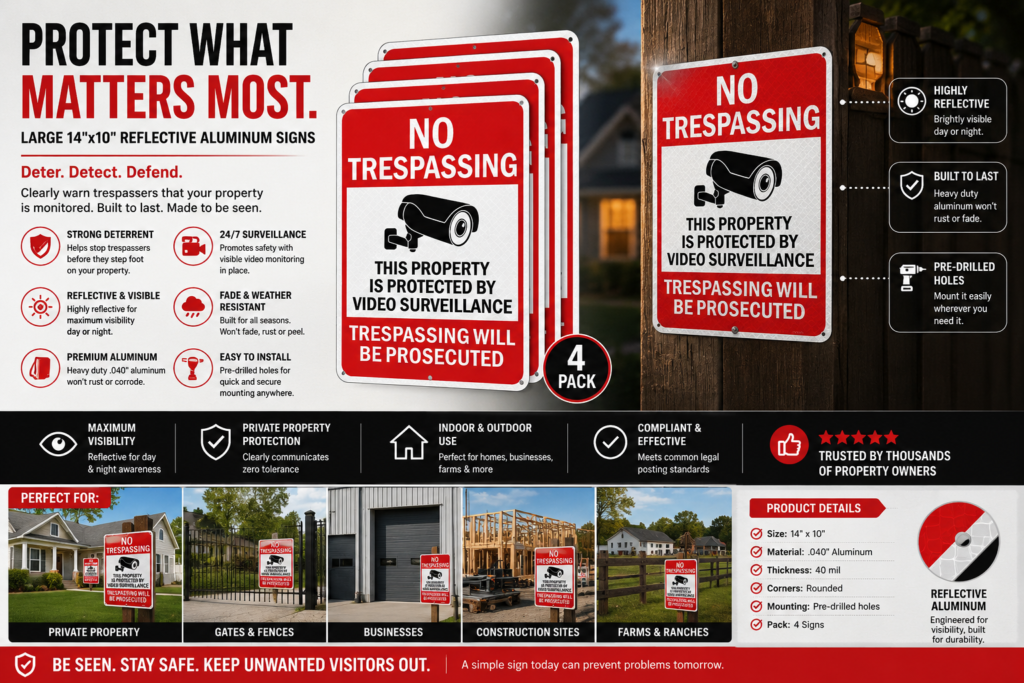
Many property owners choose to make private property notices highly visible with surveillance warning signs near gates, access roads, trails, and fence crossings.
Following Game Creates Confusion
One situation that causes a surprising number of disputes involves wounded game.
A hunter shoots a deer.
The deer runs.
The deer crosses onto neighboring property.
Now both the hunter and the landowner may have questions about what happens next.
Because laws vary from state to state, situations involving retrieval of game can become far more complicated than many people realize.
Large Rural Properties Can Be Difficult to Monitor
One challenge many landowners face is simply knowing who is on their property.
A 5-acre lot is one thing.
A 100-acre farm or hunting property is something completely different.

Many landowners choose to monitor remote trails, field entrances, and hunting access points with trail cameras so they have a better understanding of how their property is being accessed.
Hunting Disputes Often Become Trespassing Disputes
In my experience, hunting disputes rarely stay only about hunting.
They often expand into questions involving:
- Property rights
- Boundary disputes
- Vehicle access
- Easements
- Trespassing
That is why understanding trespassing laws is often just as important as understanding hunting regulations.
You may also find helpful information in:
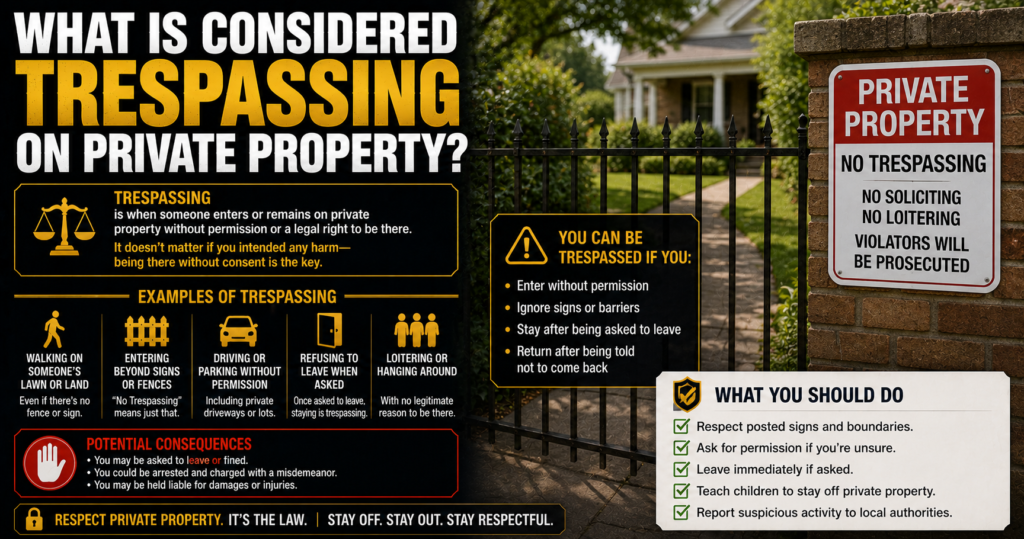
What Is Considered Trespassing on Private Property?
Most Problems Start With Assumptions
The biggest lesson I’ve learned from property disputes is that assumptions create problems.
When people assume they know where a property line exists, assume permission has been granted, or assume they have access rights, disagreements become much more likely.
Knowing your boundaries, clearly communicating expectations, and understanding your rights can prevent many hunting-related conflicts before they ever begin.
What If a Hunter Crosses a Fence?
Many landowners assume a fence should settle the issue immediately.
In reality, I’ve seen situations where a hunter crosses a fence because they believe the property line is somewhere else, while the landowner believes the boundary is obvious.
That is one reason fences help, but they do not eliminate every dispute.
Whenever questions arise about access, it is usually helpful to verify:
- Property boundaries
- Survey information
- Easement rights
- Access agreements
The more facts everyone has, the less likely a disagreement becomes.
What Happens When a Hunter Wants to Retrieve Game?
This is probably one of the most common questions rural landowners ask.
A deer or other game animal crosses onto neighboring property after being shot.
Now the hunter wants to retrieve it.
The landowner may feel differently.
I’ve found that many disputes start because both parties believe they are acting reasonably.
Hunters often want to recover the animal.
Property owners often want control over who enters their land.
Because laws vary significantly from state to state, this situation can be much more complicated than many people expect.
Repeated Hunting Trespass Is Usually a Bigger Concern
Most property owners are far more concerned about repeated activity than a single isolated incident.
Common concerns include:
- Hunters crossing the same area repeatedly
- Vehicles entering private property
- Damage to crops
- Disturbance of livestock
- Unauthorized ATV use
- Safety concerns near homes and buildings
When the same problem continues happening, many landowners begin documenting activity more carefully.
Why Documentation Matters
One thing I’ve learned is that people often remember events differently.
That is why documentation can be incredibly valuable.
Many property owners choose to:
- Photograph damage
- Save video footage
- Record dates and times
- Keep records of conversations
Good records often make it easier to understand exactly what occurred.
Trail Cameras Can Be Extremely Helpful
Large properties can be difficult to monitor.
Many rural landowners choose to monitor remote trails, field entrances, and wooded access points with trail camerasbecause they provide visibility into areas that are rarely observed in person.
Trail cameras can help document:
- Foot traffic
- Vehicle traffic
- Entry patterns
- Activity near property lines
For larger properties, they are often one of the most useful tools available.
Why Signs and Cameras Often Work Well Together
Signs tell people where they should not be.
Cameras help document what happens if someone ignores those signs.
Many landowners choose to make private property notices more visible with surveillance warning signs while also monitoring entrances and trails.
In many situations, simply making boundaries and expectations obvious prevents future problems.
Security Cameras Near Homes and Buildings
While trail cameras are excellent for remote locations, traditional security cameras often work better around:
- Homes
- Garages
- Barns
- Workshops
- Driveways
- Gates

Many property owners choose to keep an eye on driveways, gates, and entrances with an outdoor security camera system to document activity occurring closer to buildings.
Lighting Can Improve Visibility
Many hunting-related access concerns occur during early morning or evening hours.
Property owners often choose to improve visibility around gates, driveways, and entrances with motion-activated security lighting to make activity easier to see and record.
Lighting can also discourage unwanted activity before it starts.
Frequently Asked Questions
Can hunters enter private property without permission?
In many situations, property owners have significant rights regarding who may enter their land. Whether hunting access is permitted depends on the circumstances and applicable laws.
Can hunters cross fences?
Crossing a fence does not automatically create permission to enter private property. Property boundaries and local laws still matter.
What if a hunter follows a deer onto my property?
Situations involving retrieval of game can vary significantly depending on state law and the specific facts involved.
Do No Trespassing signs help?
Many landowners use signs to clearly communicate that access is not authorized and permission is required.
How can I monitor hunting activity on my property?
Many rural property owners use trail cameras, security cameras, property markers, and signs to better understand how their land is being accessed.
Can I document activity on my property?
Property owners commonly document activity using photographs, video footage, trail cameras, and written records.
Why do hunting disputes happen?
Many disputes occur because of misunderstandings involving property lines, permission, access rights, and assumptions about where boundaries exist.
What should I do if hunting trespass keeps happening?
Many landowners begin by documenting activity, confirming property boundaries, reviewing local laws, and clearly communicating expectations.
Important Information
This article is provided for educational and informational purposes only and should not be considered legal advice. Hunting regulations, trespassing laws, access rights, and property laws vary by state and individual circumstances. Property owners and hunters should consult applicable laws and qualified legal professionals regarding specific situations.
For more information about our content standards, visit our Editorial Policy and Fact-Checking Policy pages.
Additional information about this website can be found on our About Us, Contact Us, FAQ, Disclaimer, and Terms and Conditions pages.
About the Author
Sarah Reynolds is a legal research contributor for Legal Know It All who focuses on property rights, rural land issues, neighbor disputes, and practical legal topics affecting homeowners and landowners. She researches common legal questions involving private property, trespassing, hunting access, and landowner rights while helping readers better understand legal topics in plain English.