
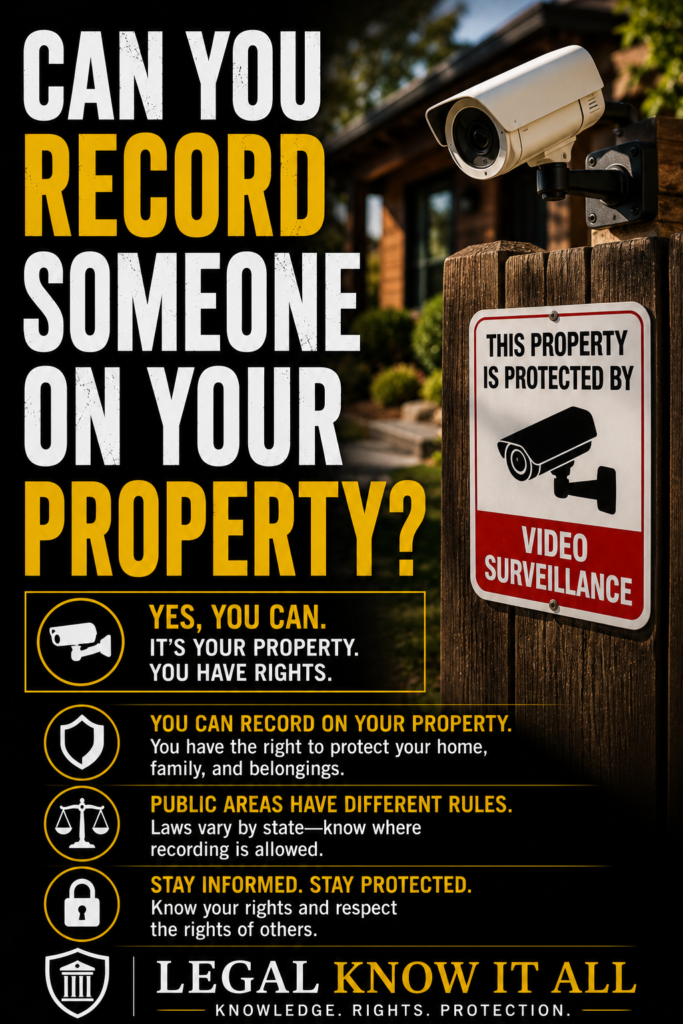
I’ve noticed that many homeowners install cameras for one simple reason.
They want to know what is happening on their property when they are not looking.
Maybe a neighbor keeps cutting across the yard.
Maybe hunters have been entering private land. The separate question of Can Hunters Enter Private Property? may help explain the underlying access dispute.
Maybe someone damaged a fence, mailbox, or gate. When camera footage reveals damage, What Happens If Someone Damages Your Property? addresses the practical issues that may follow.
Maybe packages keep disappearing.
Whatever the reason, one question comes up again and again:
Can you legally record someone on your property?
The answer is often more complicated than people expect because property rights and privacy concerns can sometimes overlap.
Quick Answer
In many situations, property owners may use security cameras to monitor their property. However, privacy laws, recording laws, camera placement, and other factors can affect what is allowed. The specific circumstances and applicable laws often matter.
Why So Many Property Owners Use Cameras
When I talk with homeowners, the reasons for installing cameras are usually pretty similar.
People want to:
- Protect their property
- Monitor entrances
- Document trespassing
- Deter theft
- Improve security
- Preserve evidence
Security cameras have become one of the most common tools homeowners use to understand what is happening around their homes.
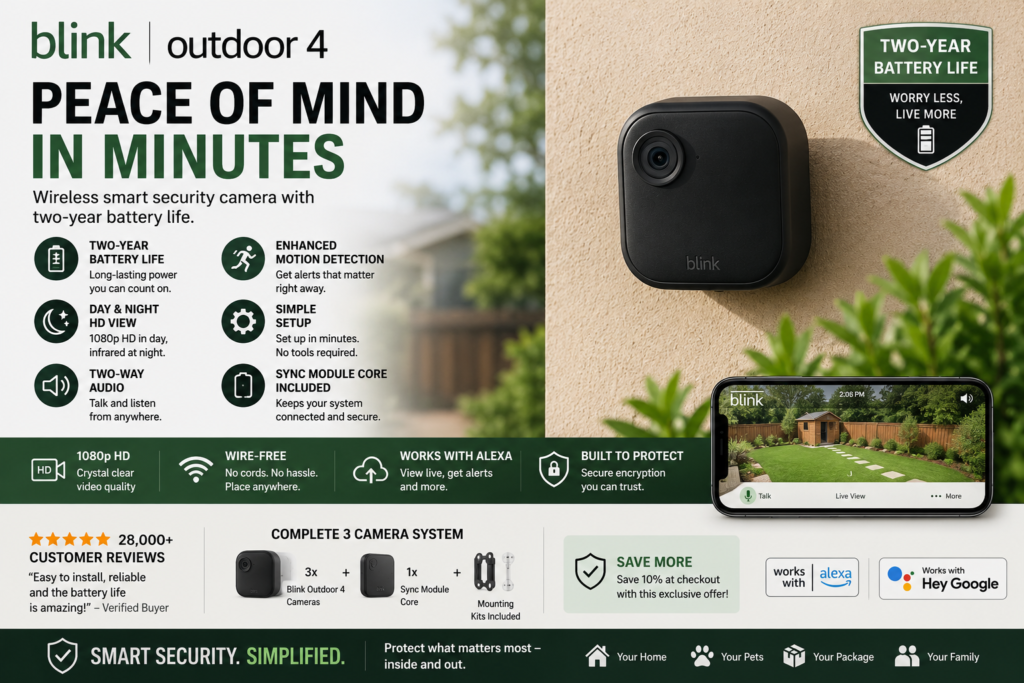
Many property owners choose to keep an eye on entrances, driveways, and gates with an outdoor security camera system because it provides a reliable record of activity around the property.


Property Rights Do Not Automatically Answer Every Question
One misconception I hear frequently is:
“It’s my property, so I can record anything I want.”
The reality is usually more nuanced.
Property ownership is important, but privacy laws and recording laws may also come into play depending on:
- Camera placement
- What is being recorded
- Where the recording occurs
- State laws
That is why two camera setups that look similar at first glance may raise very different legal questions.
Cameras Are Common in Trespassing Situations
Many homeowners first consider installing cameras after experiencing:
- Trespassing
- Property damage
- Repeated access issues
- Driveway disputes
- Neighbor conflicts
You may also find helpful information in:
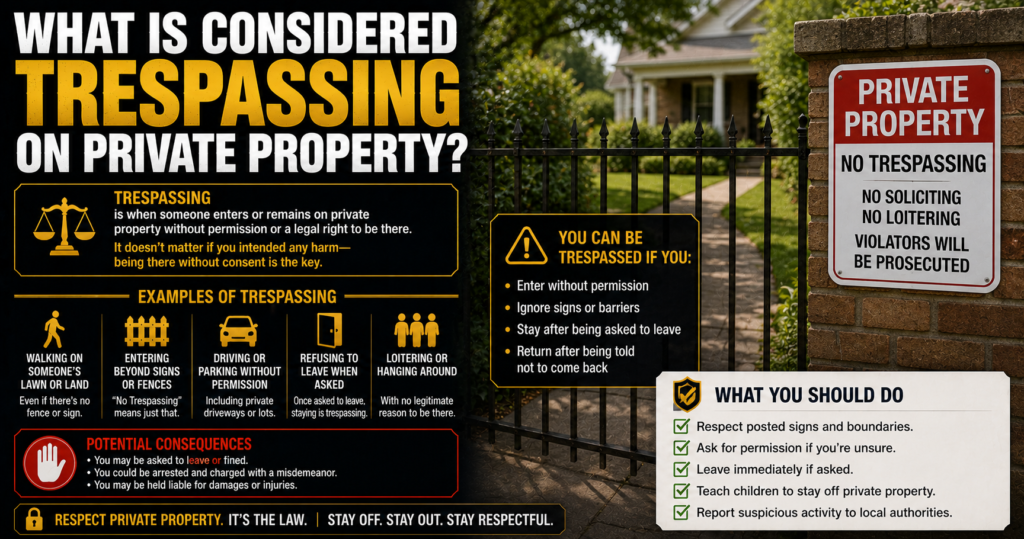
What Is Considered Trespassing on Private Property?
and
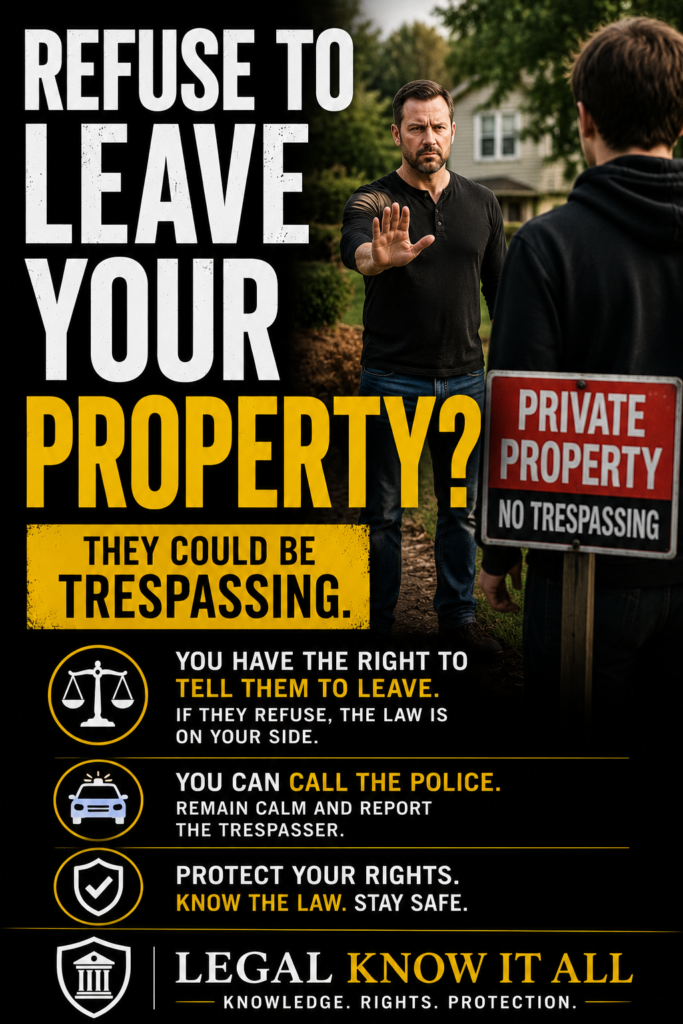
What Happens If Someone Refuses to Leave Your Property?
In many situations, cameras provide documentation that may help clarify what actually occurred.
Driveways, Gates, and Entrances Are Common Camera Locations
Most property owners focus cameras on areas where people naturally enter the property.
Examples include:
- Front doors
- Driveways
- Gates
- Walkways
- Garages
The goal is usually to monitor activity occurring near common access points.
Rural Property Owners Face Different Challenges
Owners of acreage, farms, timber ground, and hunting property often need to monitor areas that are far away from the home.
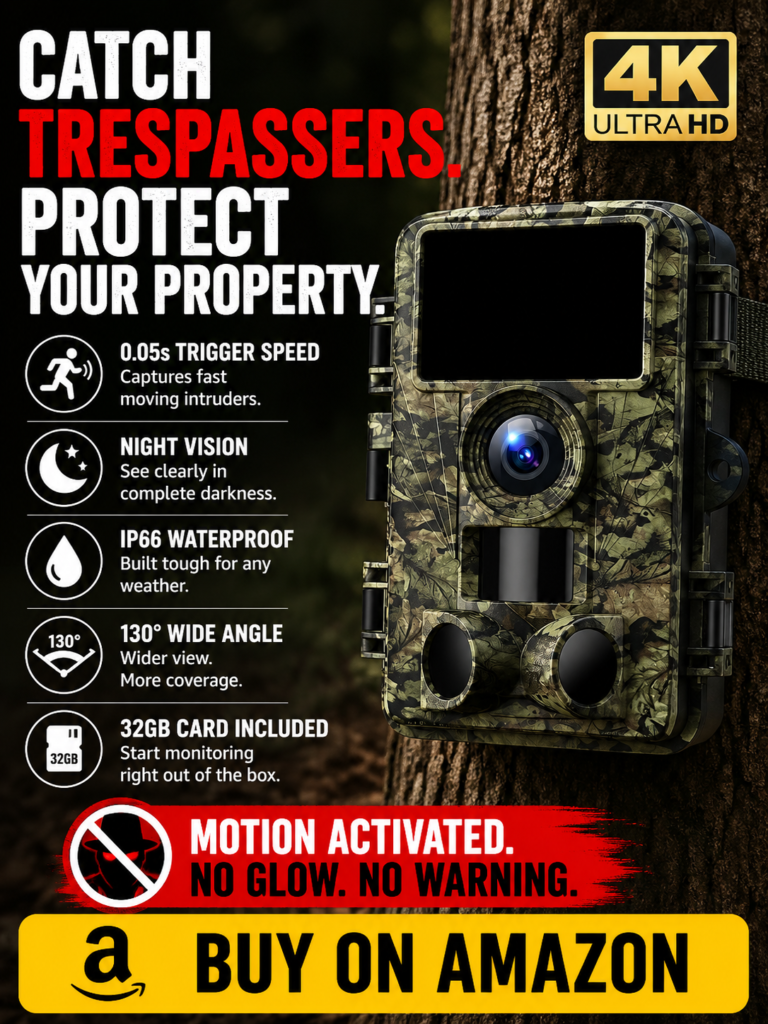
Many landowners choose to monitor remote trails and property entrances with trail cameras because traditional cameras may not be practical in those locations.
This can be especially helpful when property owners are trying to understand how their land is being accessed.
Why Good Lighting Matters
One thing I’ve learned is that camera footage is only as useful as the visibility available.

Many property owners choose to improve nighttime visibility with motion-activated security lighting around:
- Gates
- Driveways
- Entrances
- Outbuildings
Better lighting can make recorded footage significantly more useful.
Documentation Is Often the Real Goal
Most homeowners are not installing cameras because they enjoy watching footage.
They install cameras because they want documentation.
Video footage can help establish:
- Dates
- Times
- Vehicle activity
- Property access
- Damage incidents
That documentation often becomes valuable when disputes arise.

Understanding Privacy Expectations Matters
When discussing cameras and recording, one of the biggest legal concepts often involves privacy expectations.
Where a camera is located and what it records can sometimes become just as important as the recording itself.
That is one reason homeowners should think carefully about camera placement before installation.
What About Recording Audio?
One thing I’ve noticed is that many homeowners focus entirely on the camera and forget about the microphone.
Video recording and audio recording are not always treated the same way.
Many modern security cameras can record:
- Video
- Audio
- Two-way conversations
- Motion-triggered clips
Because recording laws vary from state to state, audio recording can sometimes create different legal questions than video recording alone.
That is one reason property owners should understand the capabilities of their equipment before installing it.
Can You Record a Neighbor?
Neighbor disputes are one of the biggest reasons people start looking into security cameras.
Common situations include:
- Property line disputes
- Fence disagreements
- Driveway conflicts
- Trespassing concerns
- Property damage
I’ve found that most homeowners are not trying to spy on anyone.
They simply want an accurate record of what is happening on their own property.
For related topics, see:
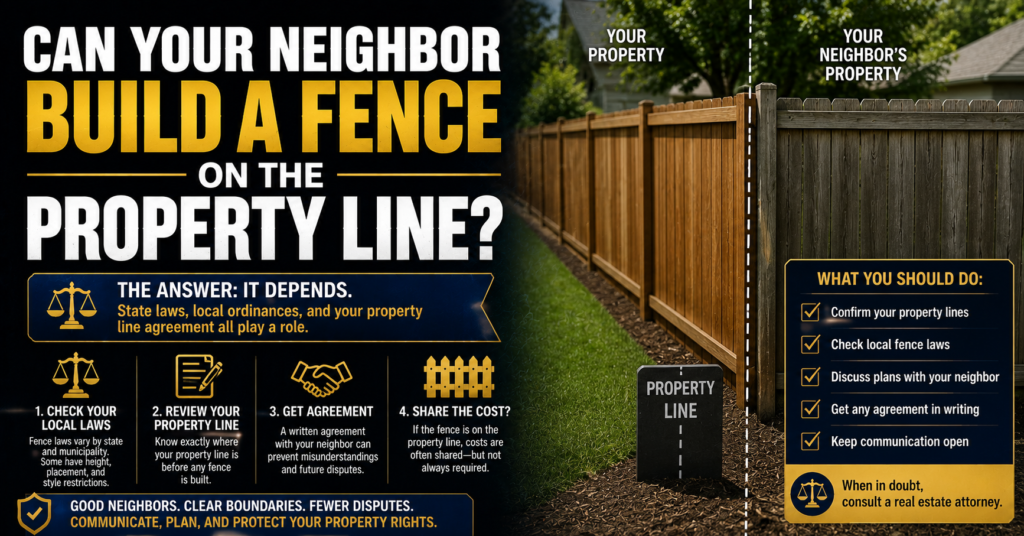
Can Your Neighbor Build a Fence on the Property Line?
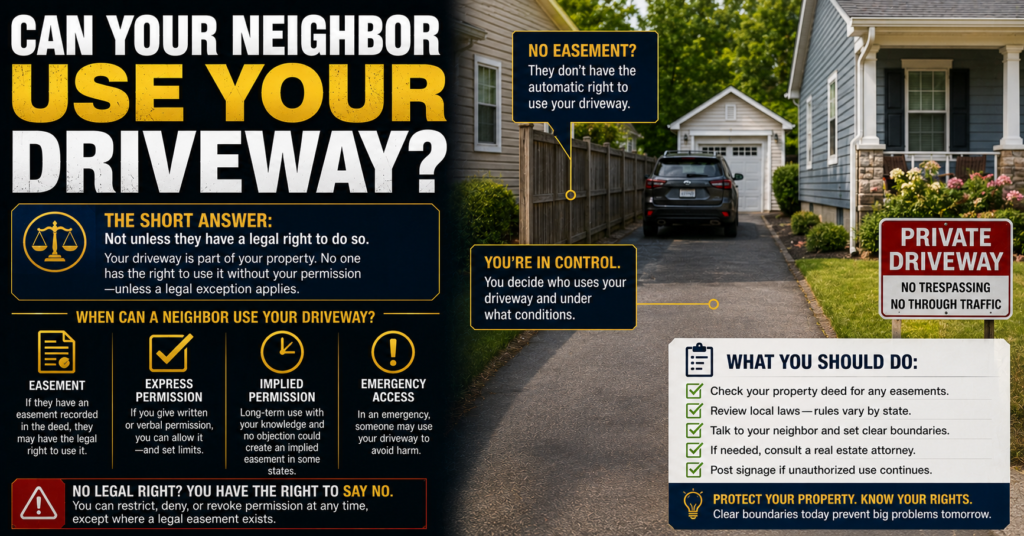
Can Your Neighbor Use Your Driveway?
Does Camera Placement Matter?
Absolutely.
Camera placement is often one of the most important factors involved in recording questions.
Property owners frequently place cameras near:
- Front doors
- Driveways
- Gates
- Garages
- Walkways
- Outbuildings
The purpose is usually to monitor access points rather than unrelated areas.
Whenever cameras are installed, placement should be considered carefully.
Why Many Property Owners Use Surveillance Signs
Some homeowners prefer to make it obvious that cameras are present.
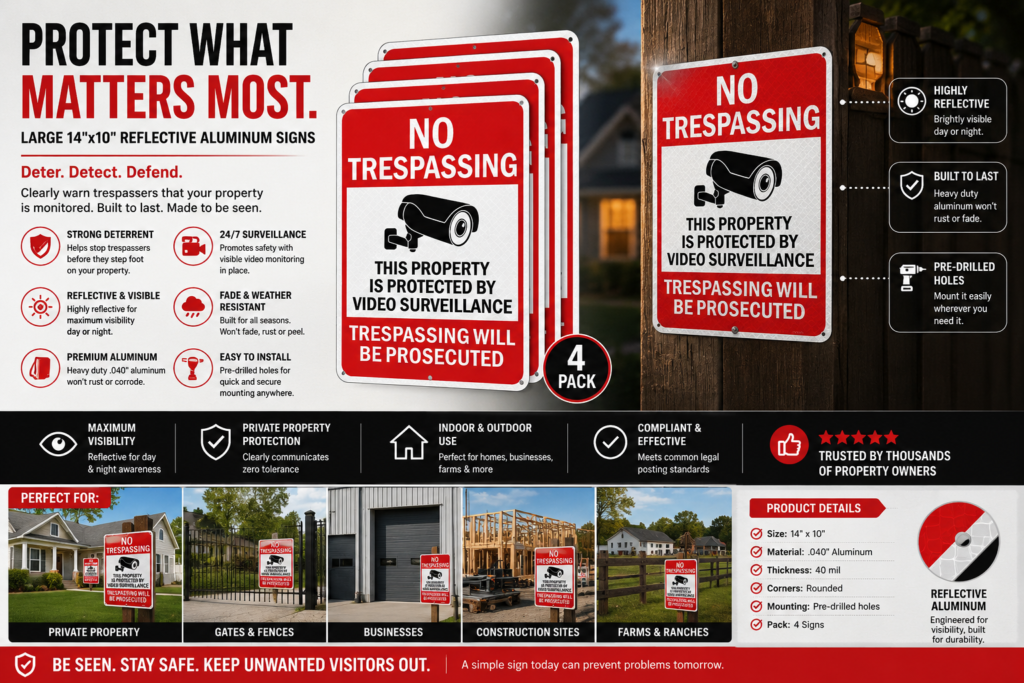
Many property owners choose to make camera monitoring more visible with surveillance warning signs near entrances, driveways, and gates.
Visible signs often serve two purposes:
- Inform visitors
- Discourage unwanted activity
In many situations, preventing problems is better than documenting them afterward.
Security Cameras Can Help Resolve Disputes
One reason cameras have become so common is that they often help answer questions when people disagree about what happened.
Video footage may help document:
- Property damage
- Trespassing
- Vehicle activity
- Access disputes
- Repeated entry onto property
Many homeowners choose to monitor entrances, driveways, and gates with outdoor security cameras because video often provides a clearer picture than conflicting memories.
Rural Properties Often Need Additional Monitoring
Owners of farms, hunting property, and acreage face different challenges than homeowners with small lots.
Large properties may contain:
- Trails
- Timber
- Creeks
- Field entrances
- Remote access roads
Many landowners choose to keep watch over remote trails and wooded access points with trail cameras where traditional security systems may not be practical.
Lighting Can Improve Recorded Footage
One thing I always recommend people consider is lighting.
Many security concerns occur during:
- Early morning
- Evening hours
- Nighttime
Property owners often choose to improve camera visibility with motion-activated security lighting near entrances and access points.
Better lighting often means better footage.
Cameras and Constitutional Rights Sometimes Overlap
Many people are surprised to learn that recording questions can sometimes overlap with constitutional and privacy concerns.
That is one reason these topics can become more complicated than they first appear.
You may also find useful information in:
Can Police Enter Private Property Without Permission?

Can Police Search Your Car Without Permission?
Can Police Lie to You During an Investigation?
You can also browse additional related topics in our:
Constitutional Rights Category
Frequently Asked Questions
Can I record someone on my property?
In many situations, property owners may use security cameras on their property. The specific legal issues often depend on camera placement, recording methods, and applicable laws.
Can security cameras record audio?
Many modern security cameras include audio recording features. Audio recording laws can differ from video recording laws.
Can I record trespassers?
Property owners commonly use security cameras to document activity occurring on their property, including potential trespassing incidents.
Can cameras help with neighbor disputes?
Many homeowners use cameras to document activity involving property lines, driveways, fences, and other disputed areas.
Should I use surveillance signs?
Many property owners choose to post surveillance notices to inform visitors that activity may be recorded.
Are trail cameras useful on large properties?
Trail cameras are commonly used on farms, acreage, hunting property, and other rural land where traditional cameras may not be practical.
Why does camera placement matter?
The location of a camera can affect both the usefulness of the footage and the legal questions that may arise.
Can cameras help document property damage?
Many homeowners use security cameras to preserve evidence when property damage occurs.
Important Information
This article is provided for educational and informational purposes only and should not be considered legal advice. Recording laws, privacy laws, surveillance regulations, and constitutional protections vary by state and individual circumstances. Consult a qualified attorney regarding your specific legal situation.
For more information about our content standards, visit our Editorial Policy and Fact-Checking Policy pages.
Additional information about this website can be found on our About Us, Contact Us, FAQ, Disclaimer, and Terms and Conditions pages.
About the Author
Sarah Reynolds is a legal research contributor for Legal Know It All who focuses on property rights, constitutional rights, privacy issues, and practical legal topics affecting everyday Americans. She researches legal questions involving surveillance, recording laws, property disputes, and individual rights while helping readers understand complex legal concepts in plain English.