

For many Americans, the home represents something more than a building.
It represents privacy.
It represents security.
It represents a place where people expect to be left alone.
That is one reason questions involving house searches often feel different from questions involving vehicles, phones, or other property.
I’ve found that many people assume police either always need a warrant to enter a home or never need one.
As with many legal topics, the reality is usually more complicated.
The answer often depends on the specific facts, circumstances, and constitutional issues involved.
Quick Answer

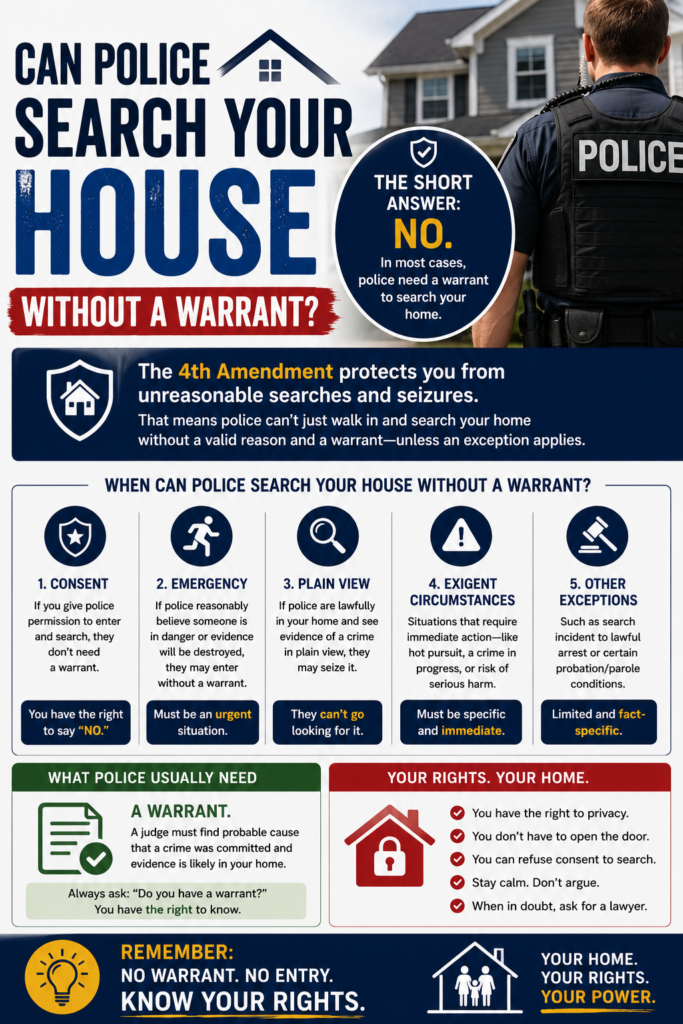
Whether police may search a house without a warrant can depend on factors such as consent, emergencies, specific circumstances, constitutional protections, and applicable laws. House-search questions are often highly fact-dependent. Those same constitutional questions are also relevant to What Happens If Police Search You Illegally?.
Why Homes Receive Special Attention
One thing that makes homes different is the expectation of privacy people associate with them.
Most Americans view their home as one of the most private places they have.
Because of that, questions involving homes frequently receive significant constitutional attention.

This is one reason house-search issues are often discussed differently than many other search-related topics. A different privacy setting raises related questions about Can Police Search Your Hotel Room? Know Your Rights.



Constitutional Rights Often Take Center Stage
When people discuss warrantless house searches, they are usually discussing broader constitutional principles as well.
Questions often involve:
- Privacy
- Government authority
- Searches
- Warrants
- Individual rights
That is why house-search issues are often considered among the most important constitutional-rights topics.
For additional information, visit our:
Constitutional Rights Category
Not Every Police Entry Is The Same
One thing I’ve learned is that people often use the phrase “searching a house” to describe several very different situations.
For example:
- Officers knocking on a door
- Officers entering a home
- Officers conducting a search
- Emergency responses
- Investigative activity
Each situation may involve different legal questions.
That is one reason assumptions can sometimes create confusion.



Permission Can Change The Discussion
Many constitutional-rights questions involve whether permission was given.
If access is voluntarily granted, the legal discussion may look very different from situations where permission does not exist.
That is one reason consent frequently becomes part of conversations involving searches and police access.
Emergencies Often Raise Different Questions
One thing that surprises many people is that emergencies are often discussed differently than routine investigations.
Examples may include:
- Medical emergencies
- Fires
- Immediate safety concerns
- Active threats
- Urgent situations
The circumstances surrounding an event can significantly affect how legal questions are evaluated.
House Searches And Property Rights Sometimes Overlap
Questions involving homes often overlap with property-rights issues.
You may also find helpful information in:

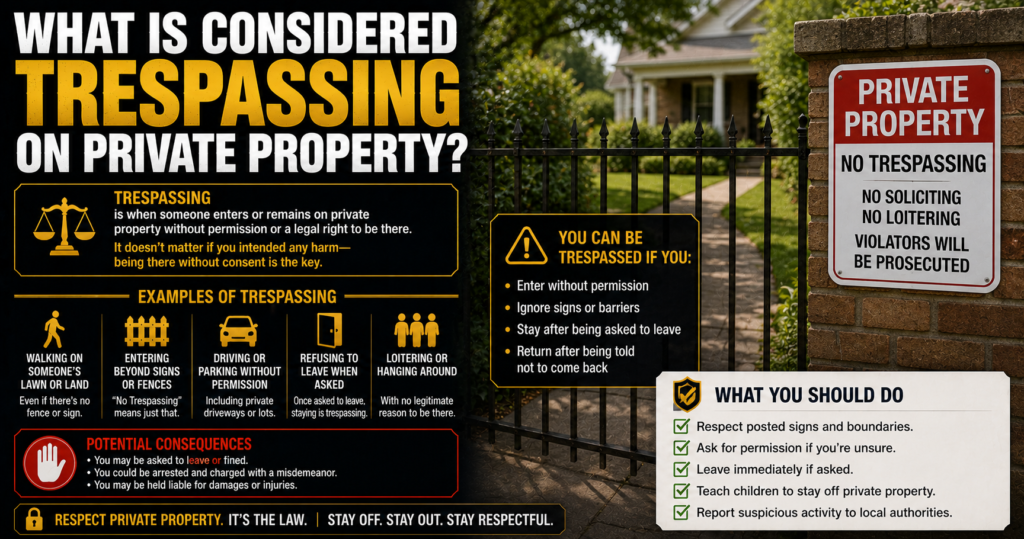
Can Police Enter Private Property Without Permission?
While homes and property are not identical legal topics, the discussions frequently intersect.
Why People Worry About House Searches
I’ve found that people are often less concerned about the physical structure itself and more concerned about what may be inside.
A home may contain:
- Personal records
- Financial information
- Family information
- Computers
- Phones
- Private belongings
Because homes often contain so much personal information, searches involving residences frequently receive close scrutiny.


Understanding The Facts Is Critical
Whenever questions arise involving warrantless house searches, the facts often matter tremendously.
The answer may depend on:
- What happened
- Who was involved
- Why officers were present
- Whether permission existed
- Whether emergency circumstances existed
That is one reason legal professionals often focus heavily on the specific details surrounding a situation.
Consent Searches Create Many Questions
One thing I’ve noticed is that many conversations about house searches eventually come back to consent.
People often ask questions such as:
- What if permission was given?
- What if someone else gave permission?
- What if permission was misunderstood?
- What if a homeowner later changes their mind?
Because consent can affect how a situation is evaluated, it often becomes one of the most heavily discussed issues in search-related cases.
That is one reason many legal discussions involving homes spend significant time examining exactly what occurred and who was involved.
Emergencies Are Often Treated Differently
Most people picture house searches occurring during criminal investigations.
In reality, emergency situations frequently raise different legal questions.
Examples may include:
- Medical emergencies
- Fires
- Active threats
- Welfare checks
- Immediate safety concerns
I’ve found that many Americans are surprised by how often emergency circumstances become part of legal discussions involving entry into homes.
The specific facts surrounding an event often matter a great deal.
What About Guests and Roommates?
Another area that creates confusion involves homes occupied by multiple people.
Questions frequently arise regarding:
- Family members
- Roommates
- Guests
- Shared living arrangements
Many homeowners assume only the property owner matters when search-related questions arise.
Real-world situations are often far more complicated than that.
Whenever multiple people live in or use a residence, additional legal questions may emerge.
House Searches and Phone Searches Often Overlap
Modern homes contain far more than furniture and personal belongings.
Many people now keep large portions of their lives stored digitally.
That is one reason house-search discussions frequently overlap with questions involving electronic devices.
You may also find useful information in:

Can Police Search Your Phone Without Permission?
Digital privacy has become one of the most significant constitutional-rights topics of the modern era.
House Searches and Police Questioning Sometimes Occur Together
I’ve found that situations involving home searches often lead to questions about police interactions more generally.
People commonly wonder:
- Should I answer questions?
- What are my rights?
- Does Miranda apply?
- What happens during an investigation?
For additional information, see:

Can You Refuse to Answer Police Questions?

These topics frequently overlap because they all involve constitutional protections and interactions with law enforcement.
Television Has Created Misconceptions
One thing I’ve learned is that television often presents house searches in a very dramatic way.
Viewers frequently see:
- Officers bursting through doors
- Immediate searches
- Instant arrests
- Fast-moving investigations
Real-world situations are often much more fact-specific and far less dramatic than what appears on television.
That is one reason many people are surprised when actual legal situations unfold differently than they expected.
Constitutional Rights Extend Beyond The Home
While houses receive significant legal attention, constitutional protections often extend into many other areas as well.
Questions involving:
- Vehicles
- Phones
- Property
- Police questioning
are all part of larger constitutional-rights discussions.
You may also find helpful information in:

Can Police Search Your Car Without Permission?
Can Police Enter Private Property Without Permission?

Can Police Lie to You During an Investigation?
Together, these topics help explain many of the constitutional questions Americans ask most often.
Frequently Asked Questions
Can police search your house without a warrant?
The answer often depends on factors such as consent, emergencies, specific circumstances, constitutional protections, and applicable laws.
Why do homes receive special legal protections?
Homes are often associated with strong expectations of privacy, which is one reason they receive significant constitutional attention.
Does permission matter?
Questions involving consent frequently play an important role in situations involving house searches.
Can emergencies affect house-search questions?
Emergency situations often raise legal issues that differ from routine investigative situations.
What if multiple people live in the home?
Shared living arrangements may create additional legal questions depending on the circumstances involved.
Can phones become part of a house search?
Modern homes frequently contain phones, computers, and other devices that may raise additional privacy concerns.
Why do people misunderstand house-search laws?
Television and movies often simplify situations that are much more complex in real life.
Where can I learn more about constitutional rights?
You can explore additional topics in our:
Constitutional Rights Category
Important Information
This article is provided for educational and informational purposes only and should not be considered legal advice. Constitutional protections, search-and-seizure laws, criminal procedure rules, and police-search issues vary depending on the facts involved and applicable laws. Consult a qualified attorney regarding your specific situation.
For more information about our content standards, visit our Editorial Policy and Fact-Checking Policy pages.
Additional information about this website can be found on our About Us, Contact Us, FAQ, Disclaimer, and Terms and Conditions pages.
About the Author
Michael Carter is a legal research contributor for Legal Know It All who focuses on constitutional rights, criminal law, police procedures, and individual liberties. He researches common legal questions involving searches, investigations, questioning, and constitutional protections while helping readers understand legal topics in clear, practical language.