

Waiting for updates during an insurance claim can be frustrating.
It becomes even more frustrating when phone calls go unanswered, emails receive no response, and days or weeks pass without any meaningful communication.
Many policyholders begin wondering whether the insurance company is intentionally ignoring them or whether something has gone wrong with the claim.
In reality, there can be many reasons communication slows down.
However, that does not mean you should simply wait indefinitely without taking action.
Quick Answer
If an insurance company stops responding, it is often helpful to document all communication attempts, continue following up through multiple methods, keep copies of correspondence, and understand the timelines that may apply to your claim. Depending on the circumstances, additional options may include requesting supervisor involvement, filing a complaint, or pursuing further review.

Is It Normal for Insurance Companies to Go Quiet?
Short periods of limited communication can occur during some claims.
Insurance companies may be:
- Reviewing documents
- Waiting for reports
- Investigating damages
- Requesting information from third parties
- Reviewing medical records
- Evaluating settlement information
A temporary delay does not automatically mean there is a problem.
The concern usually grows when communication stops completely for an extended period.


Why Insurance Companies Sometimes Stop Responding
Several situations can contribute to communication delays.
Examples include:
- High claim volume
- Staffing shortages
- Large weather events
- Missing documentation
- Ongoing investigations
- Internal claim reviews
In some cases, the adjuster handling the claim may have changed without the policyholder being notified immediately.
Start Documenting Every Contact Attempt
One of the smartest things you can do is create a record of every communication attempt.
Examples include:
- Phone calls
- Emails
- Letters
- Online claim messages
- Voicemails
Keep track of:
- Dates
- Times
- Names
- Phone numbers
- Email addresses
- Discussion summaries
This documentation may become important if questions arise later.


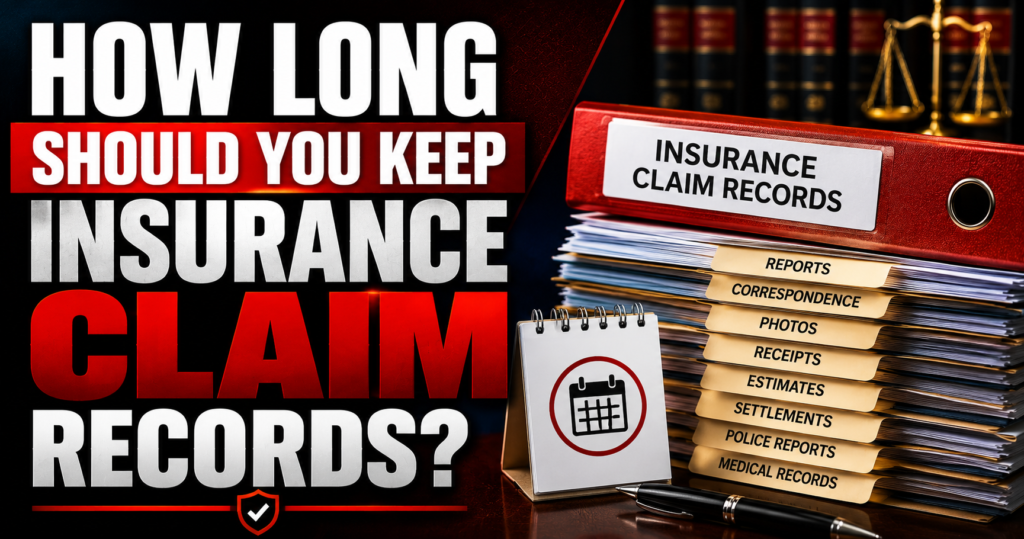
Keep Copies of All Claim Records
Good recordkeeping becomes especially valuable when communication problems occur.
Important documents often include:
- Claim numbers
- Correspondence
- Estimates
- Settlement offers
- Denial letters
- Inspection reports
You may also find helpful information in:

What Documents Should You Keep for an Insurance Claim?
and
How Long Should You Keep Insurance Claim Records?
Many policyholders organize records digitally using the Canon imageFORMULA Portable Document Scanner so claim documents can be located quickly when needed.
Follow Up Through Multiple Channels
If phone calls are not being returned, consider using additional communication methods.
Examples may include:
- Certified mail
- Online claim portals
- Customer service departments
Having written communication can also help create a clear record of what was requested and when.
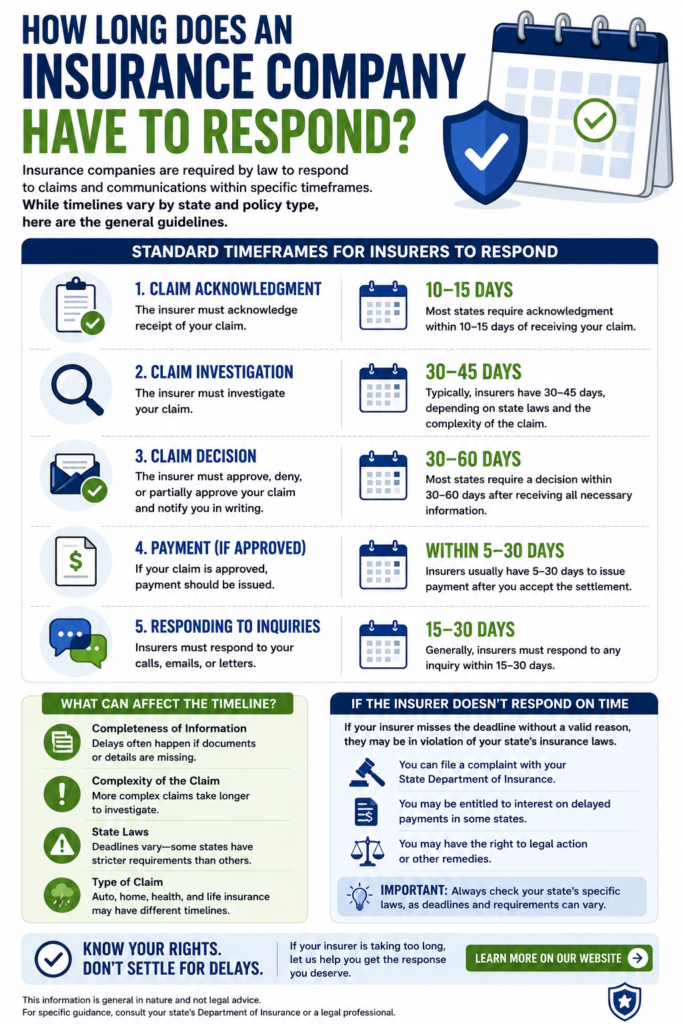
Understand Response Time Expectations
Insurance companies are generally expected to communicate regarding claims within reasonable timeframes.
However, specific requirements vary depending on:
- State laws
- Claim type
- Policy language
- Claim complexity
For more information, see:
How Long Does an Insurance Company Have to Respond?
Delays and Lack of Communication Are Not Always the Same Thing
A claim can be delayed while communication remains active.
On the other hand, a company may stop communicating while the claim itself remains open.
Understanding the difference can help identify what type of issue may actually exist.
For more information, see:
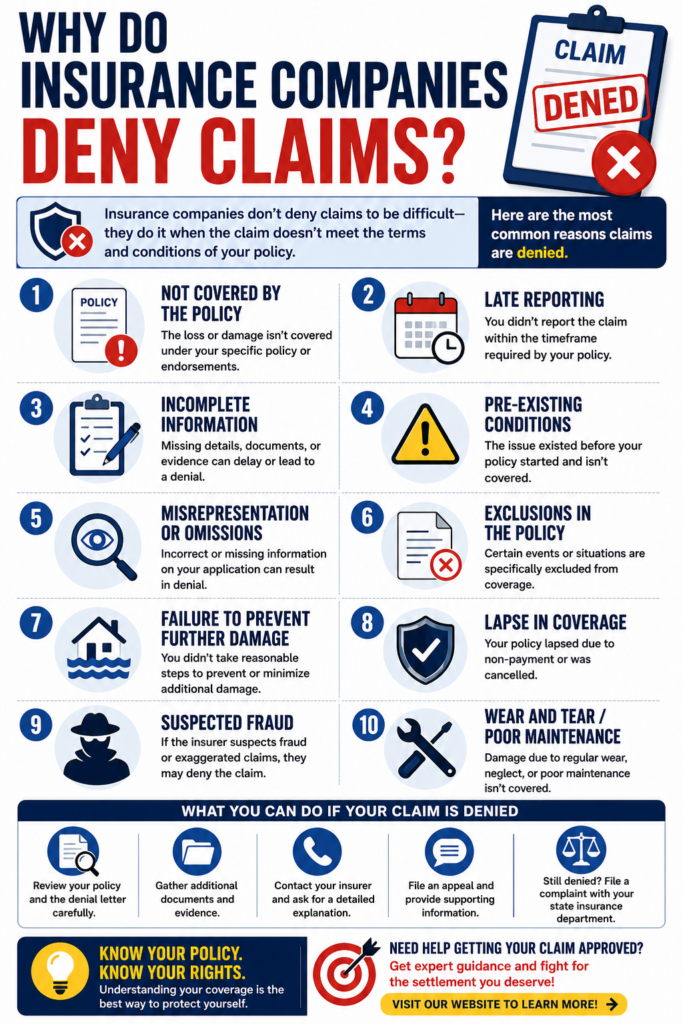
Why Do Insurance Companies Delay Claims? Common Reasons
Don’t Assume Silence Means Denial
Many policyholders immediately assume the worst when communication stops.
While concerns are understandable, silence alone does not necessarily mean the claim has been denied.
The goal should be gathering information, documenting communication attempts, and understanding the status of the claim before jumping to conclusions.
When Should You Ask for a Supervisor?
If multiple communication attempts have gone unanswered, requesting a supervisor may be a reasonable next step.
Many insurance companies have:
- Claims supervisors
- Team managers
- Escalation departments
- Customer service representatives
A supervisor may be able to:
- Review the claim status
- Identify communication issues
- Explain delays
- Assign a new adjuster if necessary
Remaining professional and organized during these conversations often produces the best results.
What If the Adjuster Never Calls Back?
This is one of the most common complaints policyholders have during the claims process.
If repeated phone calls go unanswered, consider:
- Sending a follow-up email
- Using the insurer’s claim portal
- Contacting customer service
- Requesting a supervisor
Written communication can be especially valuable because it creates a documented record of the request.
Can You File a Complaint?
In many situations, yes.
If communication problems continue, some policyholders choose to file complaints with the agency responsible for regulating insurance companies in their state.
Complaints commonly involve:
- Communication failures
- Claim delays
- Investigation concerns
- Claim handling issues
For more information, see:
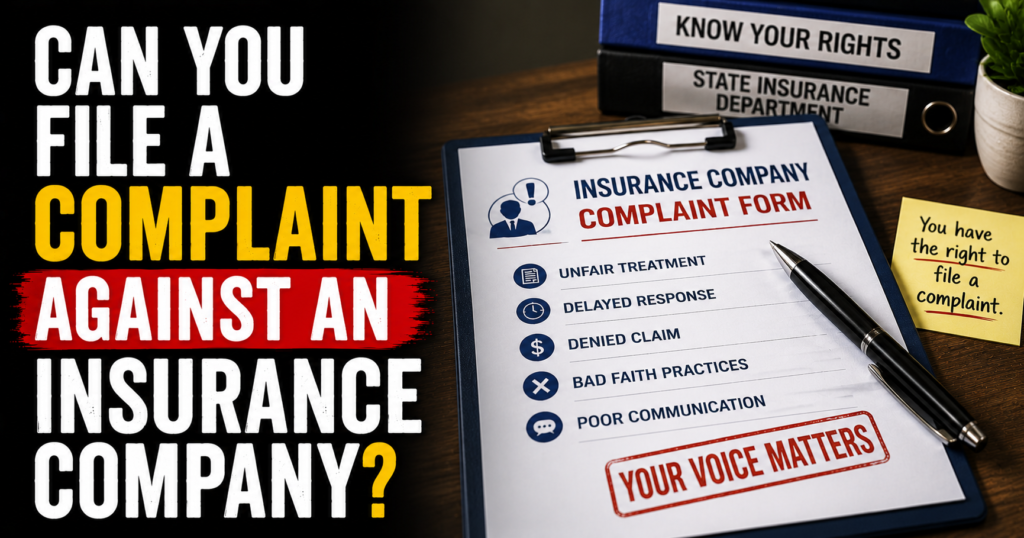
Can You File a Complaint Against an Insurance Company?
A complaint does not guarantee a particular outcome, but it may result in additional review of the situation.
When Does Lack of Communication Become a Bigger Concern?
Most delays are caused by ordinary claim issues.
However, extended periods of silence can become concerning when combined with other factors such as:
- Unexplained delays
- Missed deadlines
- Ignored evidence
- Repeated unanswered communications
- Failure to explain claim decisions
These situations sometimes lead policyholders to explore whether additional concerns may exist regarding claim handling.
Could Lack of Communication Be Related to Bad Faith?
Not always.
Communication delays alone do not automatically mean bad faith occurred.
However, poor communication is one issue that frequently appears in disputes involving claim handling concerns.
You may find helpful information in:

What Is Insurance Bad Faith? Common Examples Explained
Understanding the difference between an ordinary delay and a more serious claim-handling concern can help policyholders evaluate their situation more effectively.
Keep Detailed Records During Communication Problems
Whenever communication becomes difficult, recordkeeping becomes even more important.
Helpful records may include:
- Phone logs
- Emails
- Letters
- Claim updates
- Voicemails
- Contact attempts

Many people create digital backups using the Canon imageFORMULA Portable Document Scanner and store important paperwork in a SentrySafe Fireproof Waterproof Document Safe or ENGPOW Fireproof Document Storage Box.
Having organized documentation can be valuable if communication problems continue.
Communication Problems Can Affect Other Parts of the Claim
Lack of communication often creates additional concerns regarding:
- Settlement discussions
- Repair approvals
- Claim investigations
- Denial decisions
- Appeal deadlines
For that reason, it is generally wise to address communication issues as soon as possible rather than waiting indefinitely.
You may also find these articles helpful:
- What Happens After You File an Insurance Claim?
- How Long Does an Insurance Company Have to Respond?
- Why Do Insurance Companies Delay Claims? Common Reasons
- Can You File a Complaint Against an Insurance Company?
- What Is Insurance Bad Faith? Common Examples Explained
Frequently Asked Questions
What should I do if my insurance company won’t call me back?
Continue documenting your communication attempts and consider contacting the company through additional channels such as email, customer service, online claim portals, or supervisor requests.
How long should I wait before following up?
The appropriate timeframe depends on the situation, but documenting communication attempts and maintaining consistent follow-up is generally a good practice.
Can I file a complaint if an insurance company ignores me?
In many states, consumers may submit complaints regarding claim handling concerns, communication issues, or unreasonable delays.
Does no response mean my claim was denied?
Not necessarily. Communication delays do not automatically mean a claim has been denied. Additional investigation or internal review may still be occurring.
Should I keep records of phone calls and emails?
Yes. Maintaining detailed records of communication attempts can be very helpful if questions arise later.
Important Information
This article is provided for educational and informational purposes only and should not be considered legal advice. Insurance laws vary by state, insurance policies differ, and individual circumstances can significantly affect claim outcomes. Consult a qualified attorney regarding your specific legal situation.
For more information about our content standards, visit our Editorial Policy and Fact-Checking Policy pages.
About the Author
Sarah Reynolds is a legal research contributor for Legal Know It All who focuses on insurance claims, consumer rights, and practical legal topics affecting everyday Americans. She researches claim procedures, policyholder rights, insurance disputes, and consumer protections to help readers better understand complex legal subjects in plain English.