

Few things are more frustrating than filing an insurance claim and then feeling like nothing is happening.
You report the loss.
You submit photos.
You answer questions.
Then days turn into weeks.
Weeks turn into months.
At some point, many people begin asking:
Why is my insurance claim taking so long?
The truth is that not every delay means something is wrong.
Some delays are completely normal and happen because the insurance company needs additional information before making a decision.
Other delays may involve communication problems, missing documentation, complicated investigations, or disagreements about coverage. Keeping organized records can help address delays caused by missing documentation, as discussed in What Documents Should You Keep for an Insurance Claim?.
Understanding the most common causes of insurance claim delays can help you determine whether your situation is typical or whether additional follow-up may be needed.
Quick Answer
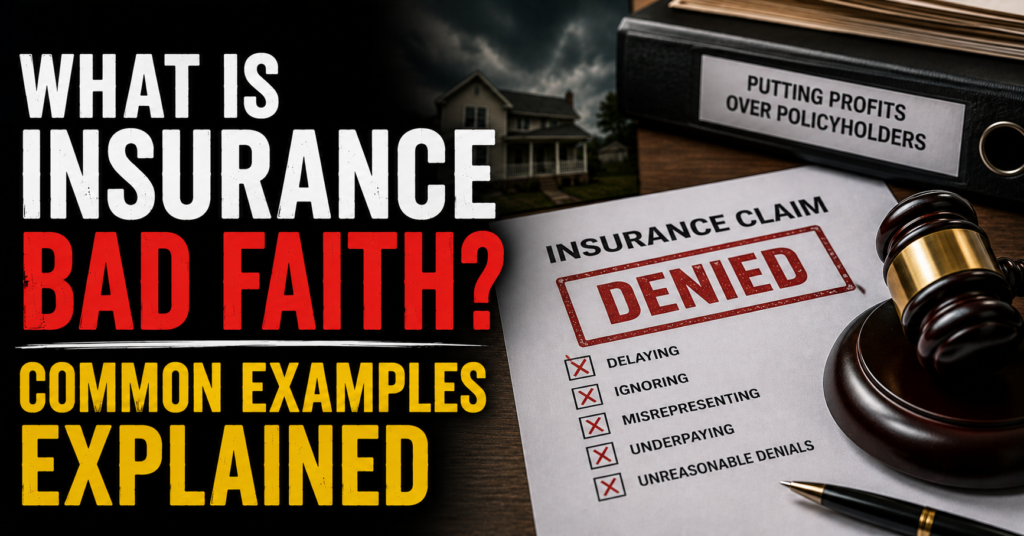
Insurance companies may delay claims for many reasons, including ongoing investigations, disputed fault, missing documents, serious injuries, large property losses, coverage questions, and high claim volumes following major storms or disasters. Not every delay is improper, but policyholders should keep records, follow up regularly, and understand their rights if a claim appears stalled. When a delay appears unreasonable or involves failures to investigate, it may raise questions about What Is Insurance Bad Faith? Common Examples Explained.
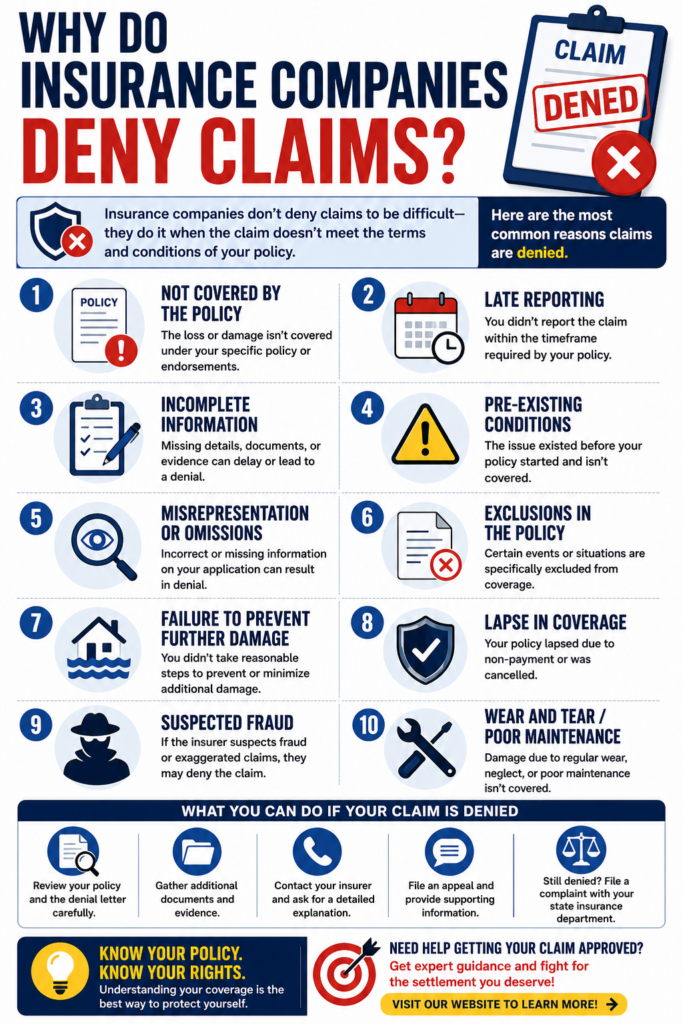
Not Every Delay Means the Insurance Company Is Doing Something Wrong
Many people assume a delayed claim automatically means the insurance company is trying to avoid paying.
Sometimes that may be true.
Many times it isn’t.
Insurance companies often need substantial information before approving or denying a claim.
For example, after a car accident, the insurer may need to:
- Review police reports
- Interview drivers
- Speak with witnesses
- Examine vehicle damage
- Review medical records
All of those things take time.

If you’re unfamiliar with how claims normally progress, our article What Happens After You File an Insurance Claim?explains the typical process from start to finish.
The Insurance Company Is Still Investigating
One of the most common reasons for delays is an ongoing investigation.
Insurance companies generally need enough information to answer several important questions:
- What happened?
- When did it happen?
- Is the loss covered?
- How much damage occurred?
- Is another person responsible?
Until those questions are answered, the company may be unable to make a final decision.
This is especially common in complicated claims involving injuries, multiple parties, or conflicting evidence.
Fault Is Being Disputed
Disputed fault is another major cause of delays.
Imagine a car accident where both drivers insist they had the green light.
Without independent evidence, determining fault can become difficult.
The insurance company may need to:
- Review accident reports
- Examine photographs
- Interview witnesses
- Analyze vehicle damage
- Review video footage
The more disagreement there is, the longer the investigation may take.
Many accident-related insurance disputes overlap with topics discussed in our Traffic Laws category.
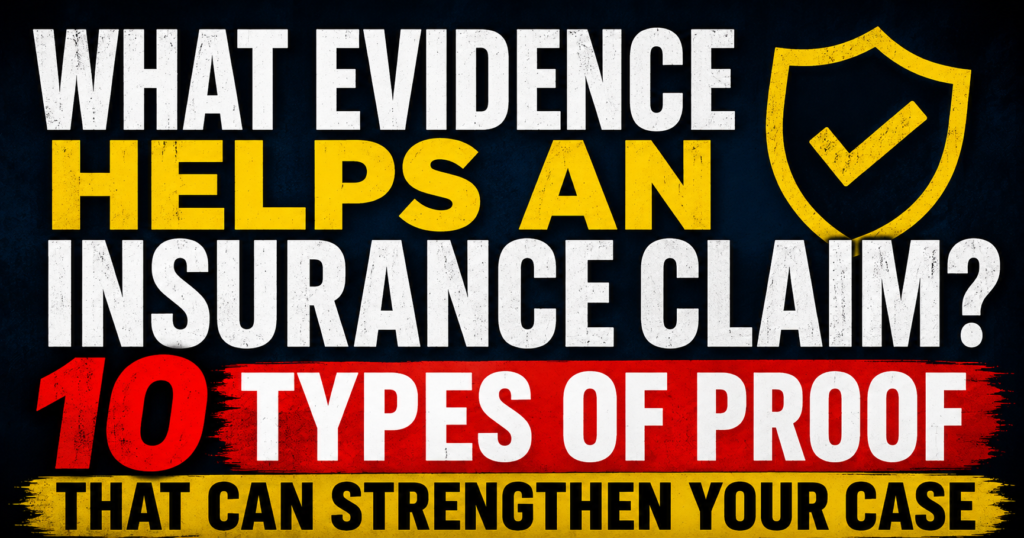
Missing Documents Are Slowing Things Down
Sometimes the delay is much simpler.
The insurance company may be waiting for documentation.
Examples include:
- Repair estimates
- Medical records
- Photos
- Receipts
- Contractor reports
- Proof of ownership
Policyholders often assume documents were received when they were not.
This is one reason it is smart to keep copies of everything you submit.
A missing document can sometimes delay a claim for weeks without anyone realizing it.
Serious Injuries Require More Investigation
Claims involving injuries often take longer than claims involving only property damage.
This is especially true when treatment is still ongoing.
Insurance companies may need to review:
- Medical records
- Treatment plans
- Specialist evaluations
- Future care estimates
- Medical bills
Until the full extent of an injury is understood, settlement discussions may be delayed.
Readers dealing with accident-related injuries may also find useful information in our Personal Injury Law category.
Large Property Losses Usually Take Longer
A broken window is very different from a house fire.
Large losses generally require:
- More inspections
- More estimates
- More paperwork
- More approvals
For example, after a major house fire, the insurance company may need to evaluate:
- Structural damage
- Personal property losses
- Temporary housing costs
- Debris removal costs
- Repair or rebuilding estimates
These claims naturally require more time than smaller losses.
Major Storms Can Create Massive Backlogs
After hurricanes, tornadoes, hailstorms, and other major weather events, insurance companies often receive thousands of claims at once.
Even with additional adjusters, there are only so many inspections that can be completed each day.
As a result, claims filed after major disasters frequently take longer than normal.
This does not necessarily mean anything is wrong with your claim.
It may simply mean the insurer is handling an unusually large volume of losses.

The Insurance Company Needs More Evidence
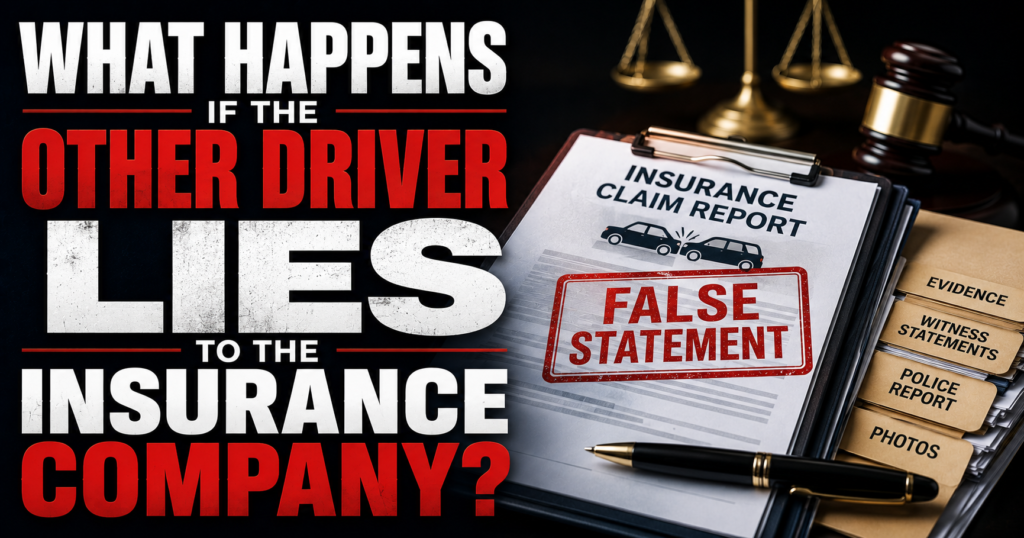
Evidence plays a major role in claim decisions.
When evidence is limited or conflicting, delays often follow.
Helpful evidence may include:
- Photographs
- Videos
- Police reports
- Witness statements
- Receipts
- Inspection reports
Vehicle accidents provide a good example.
When drivers disagree about what happened, video footage can sometimes eliminate uncertainty.

Many drivers choose to install a VNV Front and Rear Dash Cam for Accident Evidence because recorded footage may help document what occurred before, during, and after an accident.
The clearer the evidence, the easier it often becomes for an insurer to evaluate the claim.
Coverage Questions Are Being Reviewed
Sometimes the facts are clear, but coverage is not.
Insurance companies may need additional time to determine:
- Whether the loss is covered
- Whether exclusions apply
- Whether policy limits affect payment
- Whether deductibles apply
Policy language can be complicated, and coverage reviews sometimes require additional analysis before a decision is made.
Multiple Insurance Companies Are Involved
Claims often become more complicated when multiple insurers are involved.
This may occur when:
- Several drivers are involved in an accident
- Commercial vehicles are involved
- Property ownership is disputed
- Liability is unclear
Each company may conduct its own investigation.
As a result, decisions can take longer than expected.
Fraud Concerns Can Slow a Claim
Insurance fraud is a serious issue.
When an insurer suspects fraud, additional investigation is often required.
This does not mean fraud occurred.
It simply means the company believes additional review is necessary before making a decision.
Fraud investigations frequently add significant time to the claim process.
When Should You Start Worrying About a Claim Delay?
Most insurance claims experience some level of delay.
That alone is not usually a reason to panic.
The bigger question is whether the insurance company is communicating and explaining what is happening.
For example, if an adjuster tells you they are waiting for repair estimates or medical records, that may be perfectly reasonable.
On the other hand, concerns often begin when:
- Calls go unanswered for weeks
- Emails receive no response
- The insurance company cannot explain the delay
- Deadlines continually change
- The same documents are repeatedly requested
These situations do not automatically mean the insurer is acting improperly, but they may indicate that additional follow-up is needed.
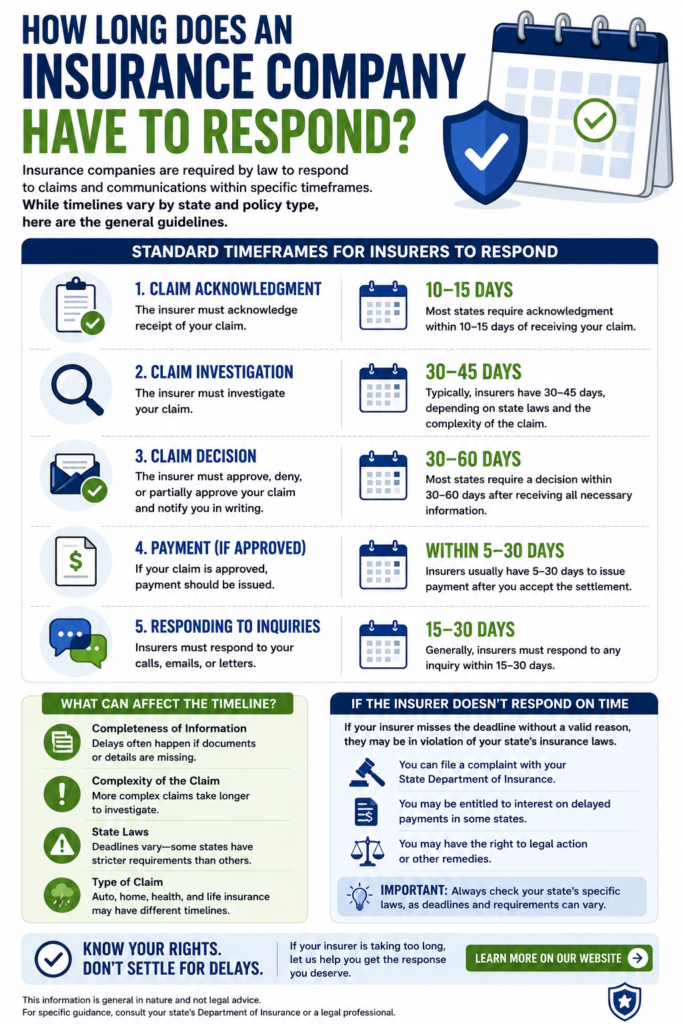
Not every delay means the insurance company has failed to respond. Our guide on how long an insurance company has to respond to a claim explains the difference between response deadlines and final claim decisions.
What Should You Do If Your Claim Is Taking Too Long?
If your claim seems stalled, there are several practical steps you can take.
Request a Status Update
Start by asking a simple question:
“What is currently preventing the claim from moving forward?”
Sometimes the answer is surprisingly straightforward.
The insurer may be waiting on:
- Medical records
- Repair estimates
- Inspection reports
- Contractor evaluations
Understanding the specific reason for the delay can help reduce frustration.
Keep Detailed Records
Every phone call, email, and letter should be documented.
Record:
- Dates
- Times
- Names
- Job titles
- What was discussed
Keeping detailed records can be helpful if disputes arise later.
Follow Up in Writing
Phone calls are useful.
Written communication is often even better.
Emails and letters create a record that can be referenced later if necessary.
Stay Professional
It’s understandable to become frustrated.
However, remaining calm and professional often leads to more productive communication.
What Is Insurance Bad Faith?
One phrase that often appears in discussions about delayed claims is “insurance bad faith.”
Many people hear the term but aren’t exactly sure what it means.
In general, insurance bad faith refers to situations where an insurance company allegedly fails to handle a claim appropriately under applicable laws or policy obligations.
Examples that sometimes lead to bad faith allegations include:
- Unreasonable delays
- Failure to investigate
- Ignoring important evidence
- Misrepresenting policy terms
- Refusing to communicate
- Improper claim denials
It’s important to understand that not every delay qualifies as bad faith.
A complicated claim that legitimately requires additional investigation is very different from a company that simply refuses to act.
Insurance bad faith laws vary significantly by state.
Can You File a Complaint Against an Insurance Company?
In many situations, yes.
Most states have agencies that regulate insurance companies.
These agencies often accept complaints involving:
- Delayed claims
- Communication problems
- Settlement disputes
- Claim handling concerns
- Potential regulatory violations
A complaint does not guarantee a particular outcome.
However, it may help bring additional attention to a claim that appears stalled.
Readers interested in consumer protections may also find useful information in our Consumer Rights category.
Can You Sue an Insurance Company for Delaying a Claim?
Sometimes.
Whether legal action is appropriate depends on many factors, including:
- State law
- Policy language
- The reason for the delay
- The amount of money involved
- Available evidence
Some disputes are resolved through negotiation.
Others involve mediation, arbitration, or litigation.
Smaller disputes may occasionally qualify for procedures discussed in our Small Claims Court category, although eligibility varies by state.
State Law Differences Matter
One of the most important things to remember is that insurance laws are primarily regulated by individual states.
That means policyholder rights may differ depending on where you live.
States may have different rules regarding:
- Claim handling deadlines
- Required communications
- Complaint procedures
- Settlement practices
- Bad faith claims
Because of these differences, readers should avoid assuming that a rule in one state automatically applies everywhere else.
For additional information on legal topics that vary across the country, visit our State Laws category.
How to Help Prevent Insurance Claim Delays
While some delays are unavoidable, there are steps that can reduce the chances of problems developing.
Report Claims Quickly
The sooner a claim is reported, the sooner the investigation can begin.
Document Everything
Take photographs and videos whenever possible.
Save receipts and records.
Keep copies of all documents submitted to the insurer.
Respond Promptly
If the insurance company requests information, provide it as quickly as reasonably possible.
Stay Organized
Keeping all claim-related information together can make communication much easier.
Gather Strong Evidence
Strong evidence often reduces disputes.
For vehicle accidents, video footage can sometimes provide a clear record of what occurred.
Many drivers choose the VNV Front and Rear Dash Cam for Accident Evidence because it records both the front and rear of the vehicle and may help preserve valuable evidence if an accident occurs.
Most Delays Have an Explanation
When a claim takes longer than expected, it’s easy to assume the worst.
In reality, many delays are caused by investigations, documentation requests, inspections, or high claim volumes.
That doesn’t mean policyholders should simply accept endless delays.
Understanding the process allows you to ask better questions, keep better records, and recognize when additional action may be necessary.
If you’re currently waiting on a claim decision, you may also find these related articles helpful:
- How Long Does an Insurance Claim Take? What to Expect
- What Happens After You File an Insurance Claim?
Both articles explain important parts of the insurance process and may help you better understand where your claim currently stands.
Frequently Asked Questions
Why is my insurance claim taking so long?
Insurance claims may be delayed for many reasons, including ongoing investigations, disputed fault, missing documentation, serious injuries, major property damage, coverage questions, or high claim volumes following storms and natural disasters. Some delays are normal, while others may require additional follow-up.
How long is too long for an insurance claim?
There is no single answer because insurance laws vary by state and every claim is different. However, if weeks or months pass with little communication and no clear explanation, it may be appropriate to request updates or explore additional options.
Can an insurance company ignore my claim?
Generally, insurance companies are expected to investigate and respond to claims according to applicable laws and regulations. If you believe your claim is being ignored, document your communications and consider escalating your concerns through the company or your state’s insurance regulator.
What should I do if my insurance adjuster stops responding?
Start by contacting the insurance company directly and requesting a status update. Keep records of all communications. If necessary, ask to speak with a supervisor or claims manager.
Does a large claim take longer than a small claim?
In many cases, yes. Large claims often require more inspections, estimates, documentation, and review before a final decision can be made.
Can missing paperwork delay my insurance claim?
Absolutely. Missing photos, receipts, estimates, medical records, or other supporting documents are among the most common reasons claims slow down.
Does hiring an attorney speed up an insurance claim?
Not necessarily. While legal representation may help in some disputes, investigations, inspections, and evidence gathering may still take time. Every situation is different.
Can I negotiate with an insurance company?
Yes. Settlement negotiations are common. If you believe the offer does not fully account for your damages, additional documentation and evidence may help support further discussions.
Will a dash camera help if my claim is delayed because of a fault dispute?
It can. Video footage may help clarify what happened during an accident and reduce disagreements between drivers. Many drivers choose the VNV Front and Rear Dash Cam for Accident Evidence because recorded footage may help preserve important evidence following a collision.
Where can I learn more about insurance claim timelines?
Our articles How Long Does an Insurance Claim Take? What to Expect and What Happens After You File an Insurance Claim? provide additional information about investigations, adjusters, settlements, and claim timelines.
Important Information
This article is provided for educational and informational purposes only and should not be considered legal advice. Insurance laws vary by state, insurance policies differ, and individual circumstances can significantly affect claim outcomes. If you need legal advice regarding your specific claim, consult a qualified attorney licensed in your jurisdiction.
Legal Know It All is committed to publishing accurate, educational content for everyday Americans. You can learn more about our content standards by reviewing our Editorial Policy, Fact-Checking Policy, and Disclaimer.
Additional information about this website can be found on our About Us, Contact Us, FAQ, and Terms and Conditionspages.
About the Author
Sarah Reynolds is a legal research contributor for Legal Know It All who focuses on insurance claims, consumer rights, and everyday legal issues that affect American families. She researches claim procedures, insurance regulations, policyholder rights, and consumer-focused legal topics to help readers better understand complex subjects in plain English. Her goal is to provide clear, trustworthy information that helps people make informed decisions when dealing with insurance companies and legal processes.