
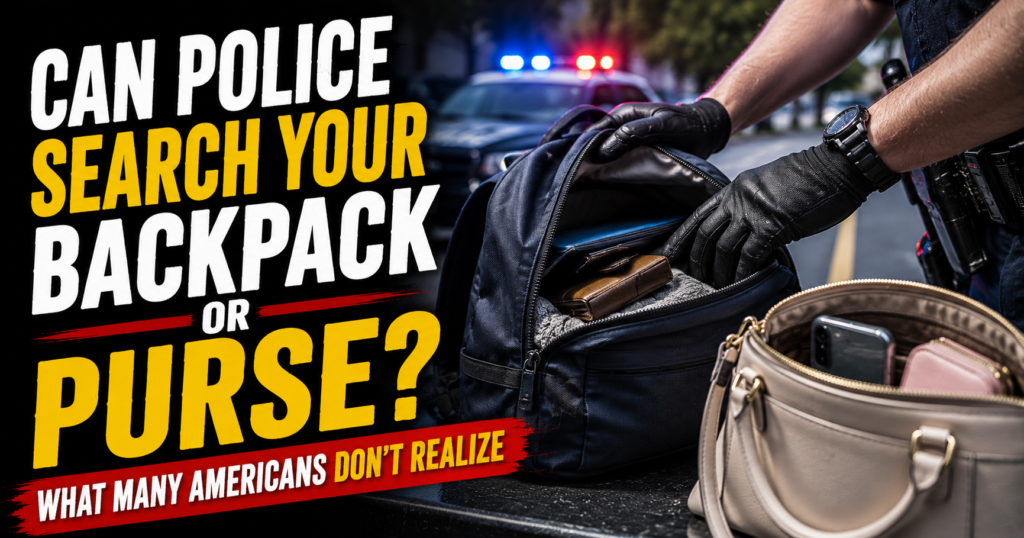
For many people, a backpack or purse contains some of the most personal items they own.
Think about what might be inside:
- Wallets
- Identification
- Medications
- Phones
- Keys
- Financial information
- Personal documents
That is one reason people often become uncomfortable when police ask to look inside a bag.
I’ve found that many Americans assume officers can search a backpack or purse whenever they want.
Others believe police can never look inside without permission.
As with many constitutional-rights questions, the reality is usually more complicated.
The answer often depends on the circumstances surrounding the encounter.
Quick Answer
Whether police may search a backpack or purse can depend on factors such as consent, warrants, specific circumstances, constitutional protections, and applicable laws. Questions involving personal belongings are often highly fact-dependent.
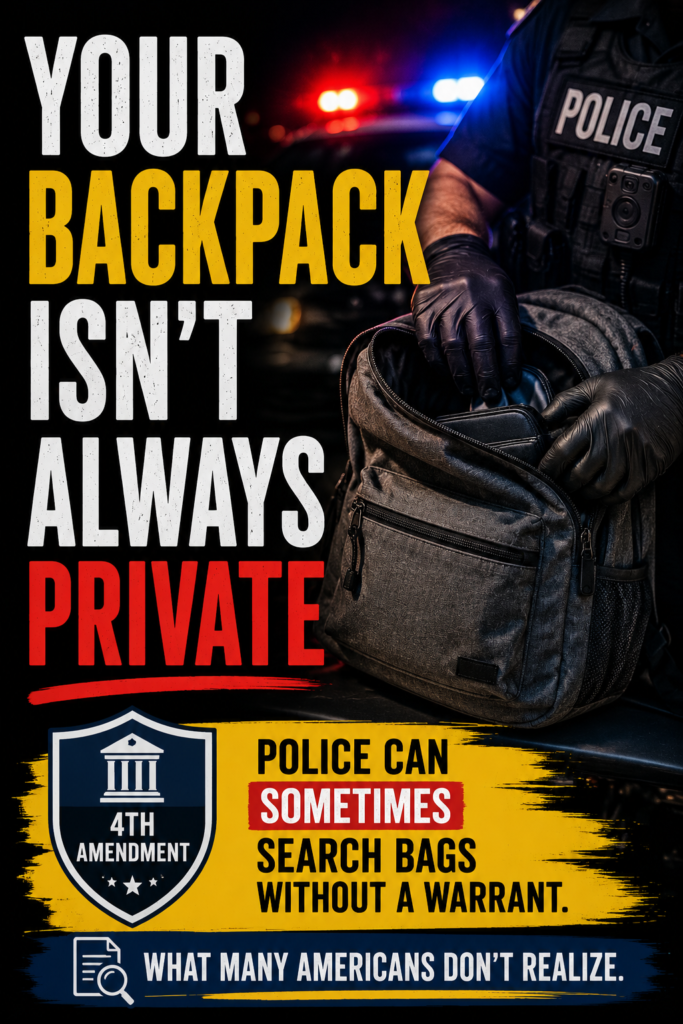
Why Bags Raise Unique Privacy Concerns
One thing that makes backpacks and purses different from many other items is the amount of personal information they often contain.
A bag may hold:
- Personal records
- Financial information
- Electronic devices
- Prescription medications
- Private correspondence

Because of that, searches involving personal belongings frequently raise important privacy questions. Privacy concerns also apply to digital personal information, including the contents of an email account, as explained in Can Police Search Your Email? What Every American Should Know.


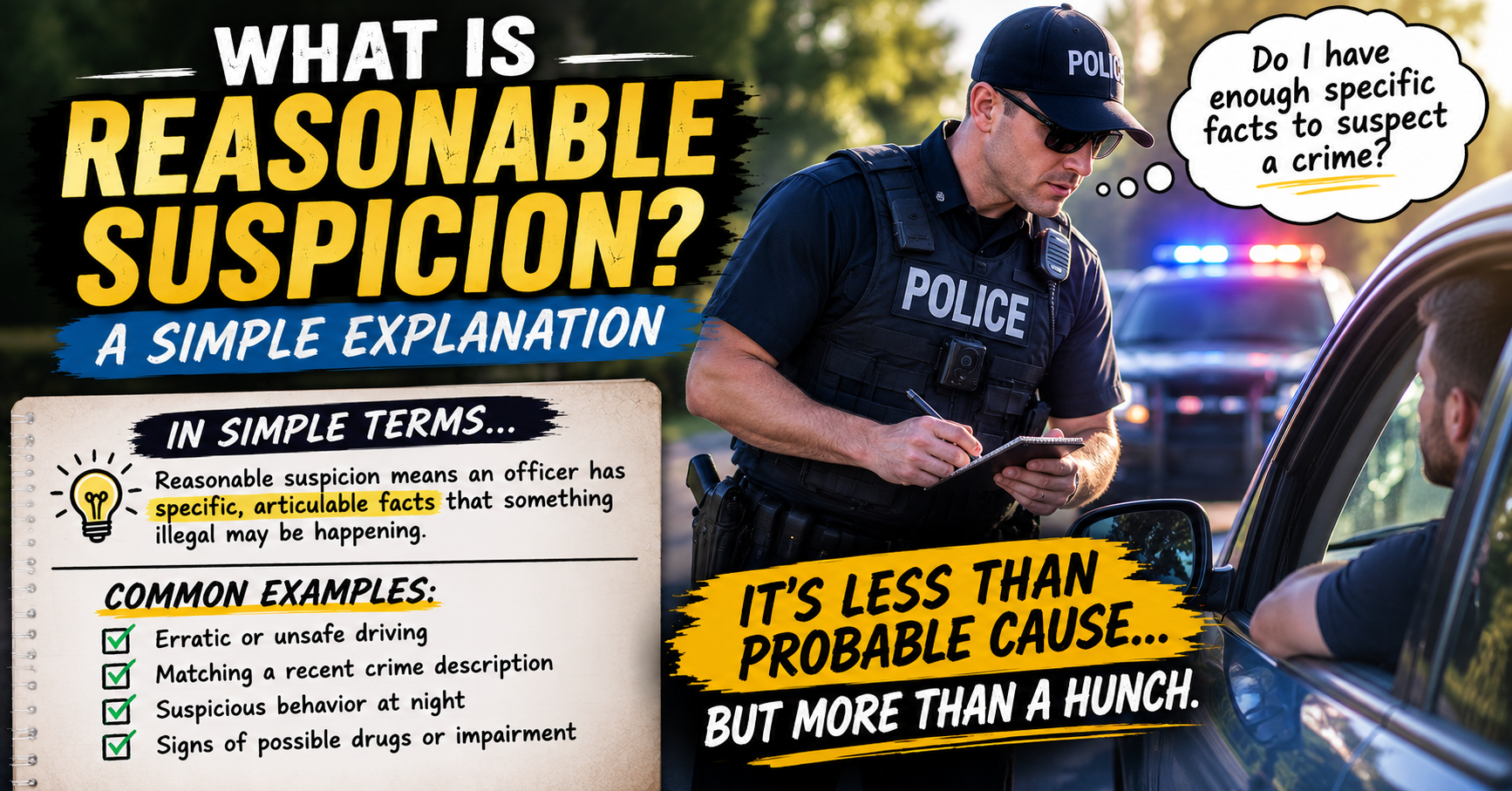
Constitutional Rights Are Often At The Center
When people ask whether police can search a purse or backpack, they are usually asking a broader question:
What privacy protections do I have?

That is why discussions involving bag searches often become discussions involving constitutional rights as a whole. The potential consequences of an unlawful search are explained in What Happens If Police Search You Illegally?.
For additional information, visit our:
Constitutional Rights Category
Permission Often Changes The Discussion
One thing I’ve learned is that many search-related questions eventually come back to consent.
If a person voluntarily allows access to a backpack or purse, the legal discussion may look very different than situations where permission is not provided.
That is one reason consent frequently becomes an important part of search-related conversations.


Backpacks Often Contain More Than People Realize
Many people think only about the physical items inside a bag.
Modern backpacks frequently contain:
- Laptops
- Tablets
- Phones
- External storage devices
- Work records
- School records
Because so much information may be stored inside a single bag, searches involving backpacks often create additional privacy concerns.
Purse Searches Can Raise Similar Questions
Purses often contain highly personal information as well.
Items may include:
- Identification
- Financial information
- Medical information
- Personal correspondence
- Electronic devices
That is one reason purse-search questions frequently receive significant attention.
Searches Often Overlap With Other Constitutional Issues
People researching backpack or purse searches frequently ask other constitutional-rights questions as well.
You may also find helpful information in:
Can Police Search Your Phone Without Permission?

Can Police Search Your Car Without Permission?

Can Police Search Your House Without a Warrant?
These topics are often closely connected because they all involve privacy, searches, and constitutional protections.
The Specific Facts Often Matter Most
I’ve found that people are often disappointed when they discover there is no simple one-size-fits-all answer.
The reality is that search-related questions frequently depend on:
- What happened
- Where the encounter occurred
- Who was involved
- Whether permission existed
- The surrounding circumstances
That is one reason legal professionals often focus heavily on the details of each situation.



Understanding Your Rights Before A Situation Occurs
One of the biggest mistakes people make is waiting until a stressful encounter to start learning about constitutional rights.
Having a basic understanding of search-and-seizure issues beforehand can make it easier to understand the legal questions that may arise later.
What About School Backpacks?
One thing that creates confusion is that not every backpack search occurs in the same setting.
A backpack carried through a school may raise different questions than a backpack carried through a shopping center, public park, or private business.
That is one reason many people are surprised to learn that the location of an encounter can sometimes become an important factor when discussing searches.
I’ve found that people often focus entirely on the backpack itself while overlooking the circumstances surrounding the search.
Airports, Courthouses, and Security Checkpoints Are Different
Most Americans already understand that airports operate differently than many other locations.
The same is often true for places such as:
- Courthouses
- Government buildings
- Sporting venues
- Concert venues
- Secure facilities
People frequently encounter bag inspections in these environments.
Because security screening is often expected in these locations, many Americans are familiar with the idea that certain places may have different procedures than an ordinary police encounter on a public street.
Backpacks During Criminal Investigations
When a backpack becomes part of an investigation, people often become concerned about what information may be discovered.
Modern backpacks may contain:
- Phones
- Laptops
- Tablets
- Documents
- Financial records
- Personal correspondence
That is one reason searches involving backpacks frequently overlap with broader privacy concerns.
You may also find helpful information in:
Can Police Search Your Phone Without Permission?
Many people are surprised by how closely physical searches and digital privacy issues can become connected.
Purses Often Contain Highly Sensitive Information
Purses frequently contain some of the most personal items a person carries on a daily basis.
Examples may include:
- Credit cards
- Identification
- Medical information
- Prescription medications
- Personal notes
- Electronic devices
Because of that, purse searches often generate strong privacy concerns.
I’ve found that many people feel far more uncomfortable about a purse search than they do about many other types of searches.
Common Misconceptions About Bag Searches
One misconception is that there is always a simple yes-or-no answer.
In reality, search-related questions often depend on:
- The location
- The circumstances
- The people involved
- Whether permission was given
- The nature of the encounter
That is why constitutional-rights discussions often focus heavily on the facts of a specific situation rather than broad assumptions.
Search Questions Often Lead To Other Rights Questions
People who research backpack and purse searches frequently end up researching related constitutional-rights topics as well.
For example:
Can Police Search Your House Without a Warrant?
Can Police Search Your Car Without Permission?
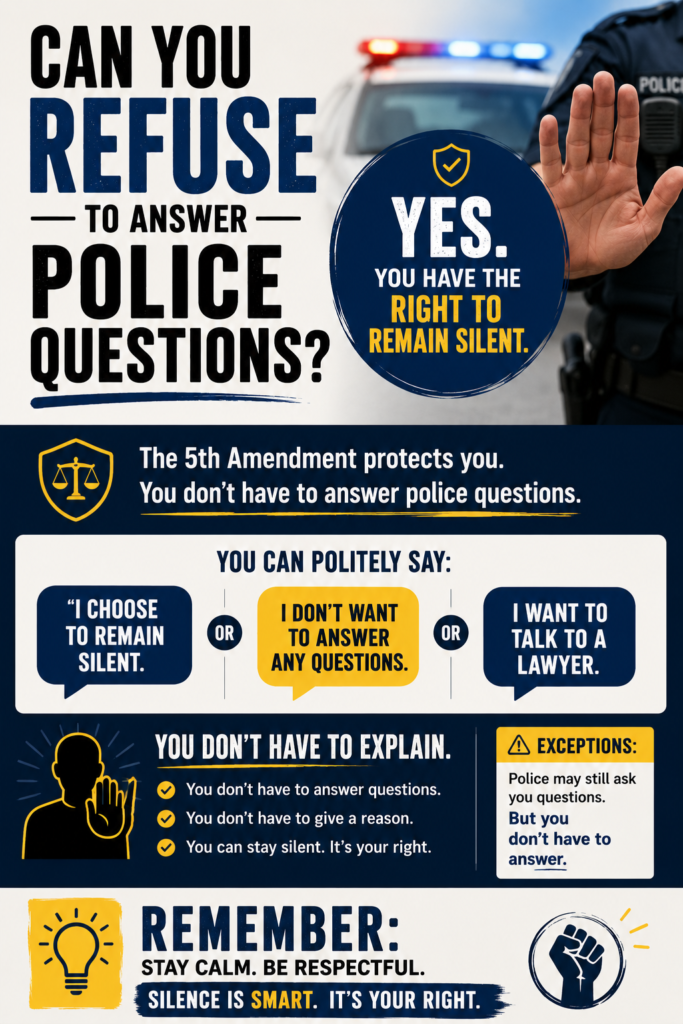
Can You Refuse to Answer Police Questions?
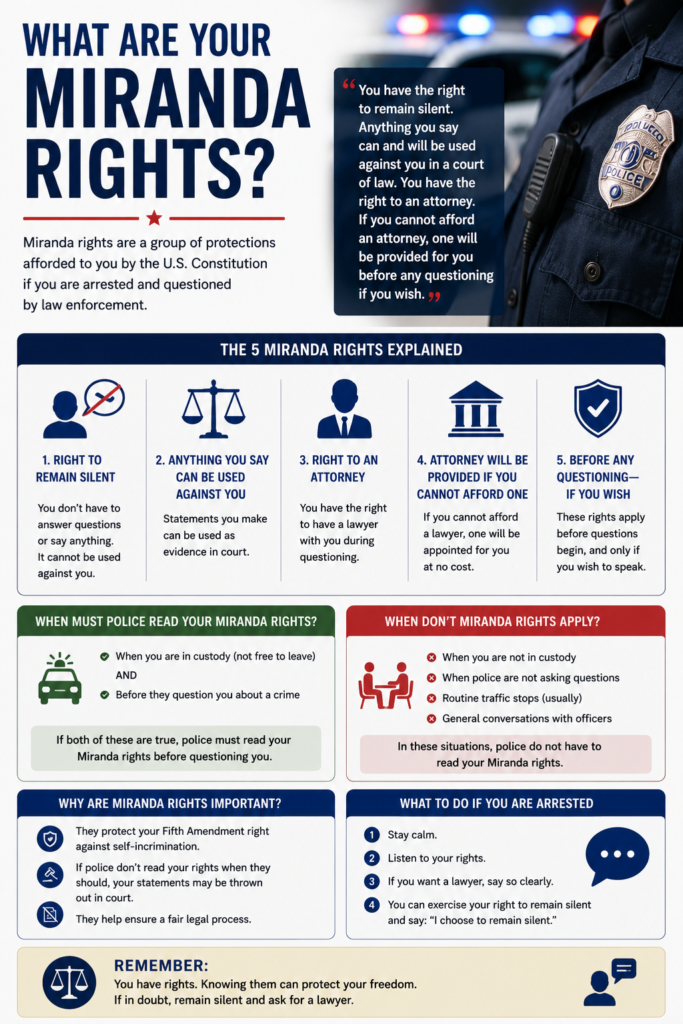
Together, these topics help explain many of the constitutional protections Americans hear about most often.
Frequently Asked Questions
Can police search your backpack or purse?
The answer often depends on factors such as consent, specific circumstances, constitutional protections, and applicable laws.
Does location matter?
Location can sometimes play an important role when evaluating search-related questions.
Are school backpack searches different?
School settings frequently raise different legal questions than encounters occurring in other locations.
What about airports and courthouses?
Security screening procedures are often common in airports, courthouses, and similar facilities.
Why do backpack searches raise privacy concerns?
Modern backpacks often contain electronic devices, documents, and other highly personal information.
Are purse searches treated the same way?
Purse searches frequently raise similar privacy concerns because purses often contain sensitive personal items.
Why is there so much confusion about search laws?
Many people expect a simple answer when legal situations are often highly dependent on the facts involved.
Where can I learn more about constitutional rights?
You can browse additional topics in our:
Constitutional Rights Category
Important Information
This article is provided for educational and informational purposes only and should not be considered legal advice. Constitutional protections, search-and-seizure laws, criminal procedure rules, and police-search issues vary depending on the facts involved and applicable laws. Consult a qualified attorney regarding your specific situation.
For more information about our content standards, visit our Editorial Policy and Fact-Checking Policy pages.
Additional information about this website can be found on our About Us, Contact Us, FAQ, Disclaimer, and Terms and Conditions pages.
About the Author
Michael Carter is a legal research contributor for Legal Know It All who focuses on constitutional rights, criminal law, police procedures, and individual liberties. He researches common legal questions involving searches, investigations, questioning, and constitutional protections while helping readers understand legal concepts in clear, practical language.