
Most people never think twice about posting on Facebook, Instagram, TikTok, or other social media platforms.
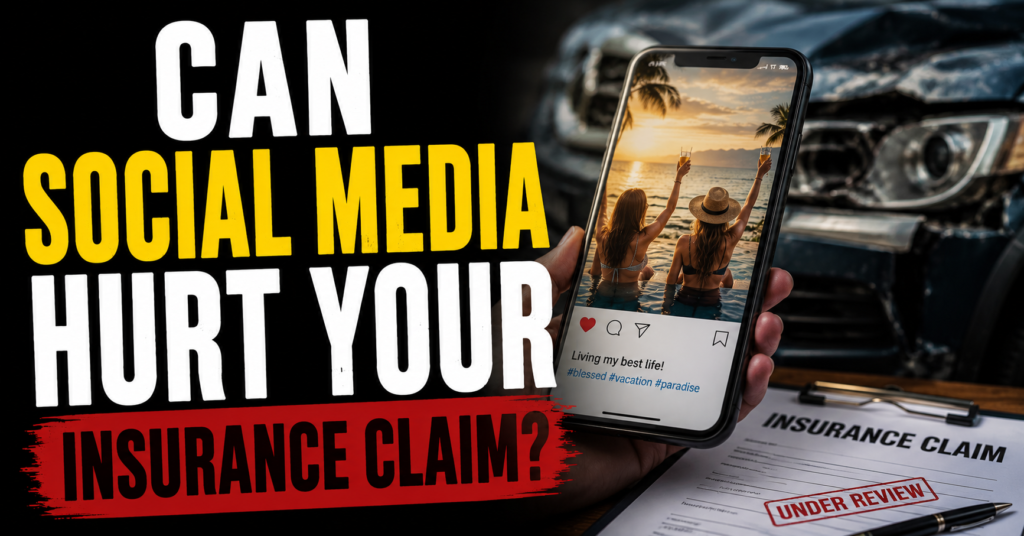
You share vacation photos, check in at restaurants, post updates about your day, and interact with friends and family.
But if you’re involved in an insurance claim, those same posts could potentially create problems you never expected.
I’ve seen many people assume their social media accounts have nothing to do with an insurance claim. Unfortunately, insurance companies often look for information that may help them evaluate, verify, or challenge a claim.
That doesn’t mean every post will hurt your case.
However, understanding how social media can affect an insurance claim may help you avoid costly mistakes.
Can Insurance Companies Look at Your Social Media?
In many situations, yes.
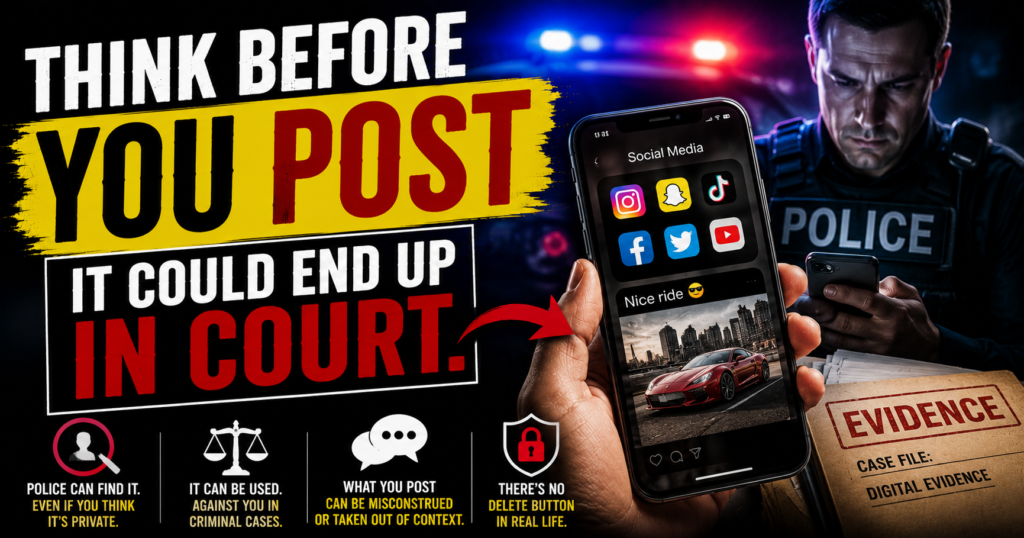
Insurance companies often investigate claims by reviewing available information. The same concerns about online activity also arise in questions about Can Police Use Your Social Media Posts Against You?.
That may include:
- Public social media profiles
- Public photographs
- Public videos
- Public comments
- Public check-ins
- Public activity updates
If information is publicly available online, there is generally a good chance someone involved in the claim process could see it.
Many people are surprised by how much information they share without realizing it.
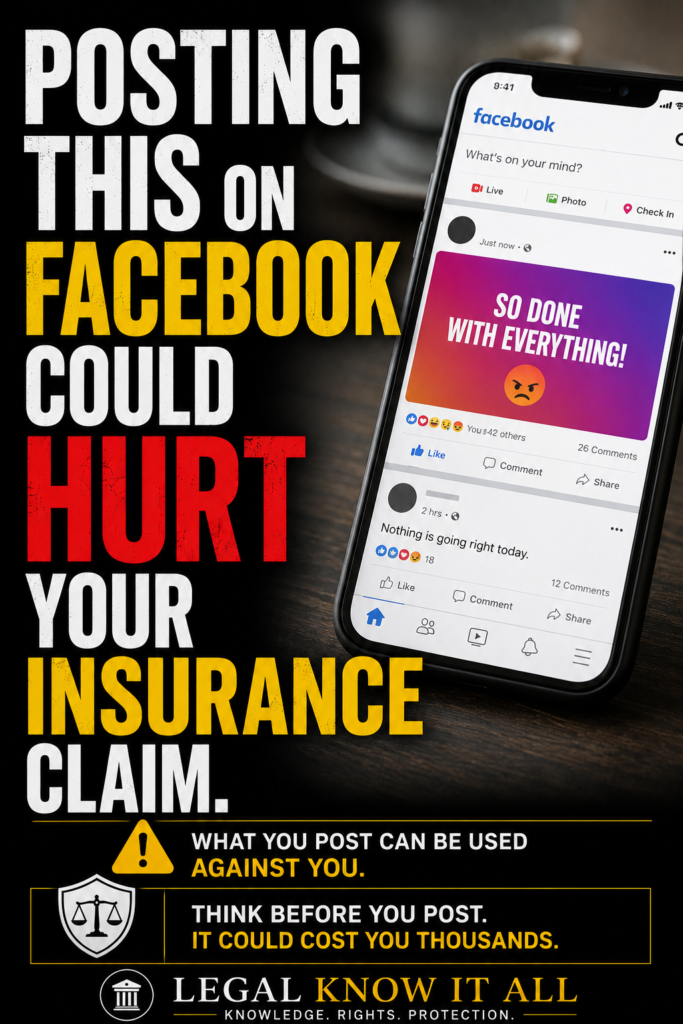
Why Would an Insurance Company Check Social Media?
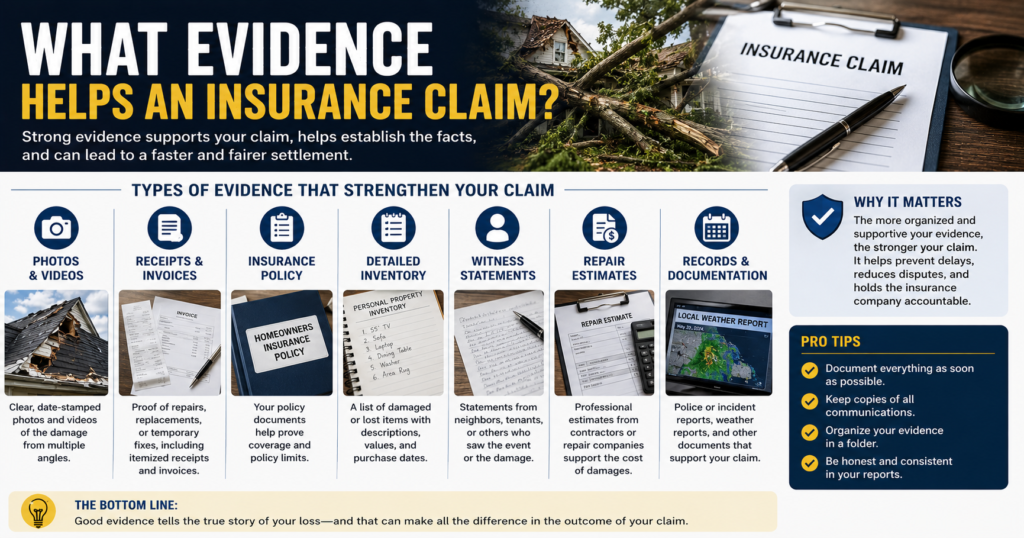
Insurance companies investigate claims to verify facts and assess damages. That evaluation often depends on the quality of What Evidence Helps an Insurance Claim?.
They’re looking for information that may support or contradict statements made during the claims process.
For example, imagine someone claims a serious back injury prevents them from performing physical activities.
Then a social media profile shows recent videos of heavy lifting, sports activities, or physically demanding recreation.
Whether the post tells the full story or not, it may raise questions.
This is one reason it’s important to be consistent and accurate throughout the claims process.



Can Social Media Posts Be Used as Evidence?
Potentially, yes.
Photos, videos, comments, and messages may sometimes become evidence in legal disputes.
Examples may include:
- Accident-related posts
- Injury-related statements
- Property damage photos
- Location check-ins
- Videos showing physical activity
- Statements about the incident
Evidence doesn’t always come from police reports and repair estimates.
In today’s world, digital evidence often plays a major role.
Our article on 10 Types of Proof That Can Strengthen Your Insurance Claim Case explains how evidence can impact the outcome of a claim.
Should You Post About Your Accident?
Personally, I would recommend caution.
Many legal professionals advise avoiding detailed discussions about an accident while a claim remains active.
Common examples include:
- Describing who caused the accident.
- Discussing injuries.
- Discussing settlement offers.
- Discussing insurance companies.
- Posting details about ongoing negotiations.
Even innocent comments can sometimes be misunderstood when viewed outside their original context.


What About Photos?
Photos are often where people run into trouble.
Imagine someone files a claim involving:
- Vehicle accident injuries
- Workers’ compensation injuries
- Personal injury claims
- Disability claims
A single photograph posted online may create questions that require additional explanation.
The issue isn’t always whether the claim is legitimate.
The issue is often how the image appears to someone who doesn’t know the full story.
Can Deleted Posts Still Cause Problems?
Sometimes.
Many people assume deleting a post removes it forever.
In reality:
- Screenshots may exist.
- Other users may have shared it.
- Cached versions may exist.
- Archived copies may be available.
Once something is posted online, there is no guarantee it can be completely erased.
This is why thinking before posting is usually the safest approach.
Can Private Accounts Protect You?
Privacy settings can help limit public access.
However, many people make the mistake of assuming private means invisible.
Privacy settings do not guarantee that information will never become relevant during a legal dispute.
Friends may share content.
Screenshots may circulate.
Posts may be viewed by unintended audiences.
Privacy settings should never be viewed as a substitute for good judgment.
What Types of Claims Can Social Media Affect?
Social media can potentially affect many types of claims, including:
- Auto insurance claims
- Personal injury claims
- Disability claims
- Workers’ compensation claims
- Property damage claims
The more significant the claim, the more likely documentation and evidence may receive close scrutiny.

If you’re dealing with an auto accident claim, you may also want to read What Happens After a Car Accident? 8 Important Steps to better understand the claims process.
Can Social Media Help an Insurance Claim?
Absolutely.
Social media isn’t always harmful.
In some situations, it may actually support a claim.
Examples might include:
- Photos showing property damage.
- Videos documenting storm damage.
- Time-stamped evidence.
- Documentation of conditions immediately after an event.
The key is ensuring that information is accurate and consistent with the facts.
What Other Evidence Matters?
Social media is only one piece of the puzzle.
Insurance companies often review:
- Police reports
- Witness statements
- Repair estimates
- Medical records
- Photos and videos
- Communication records
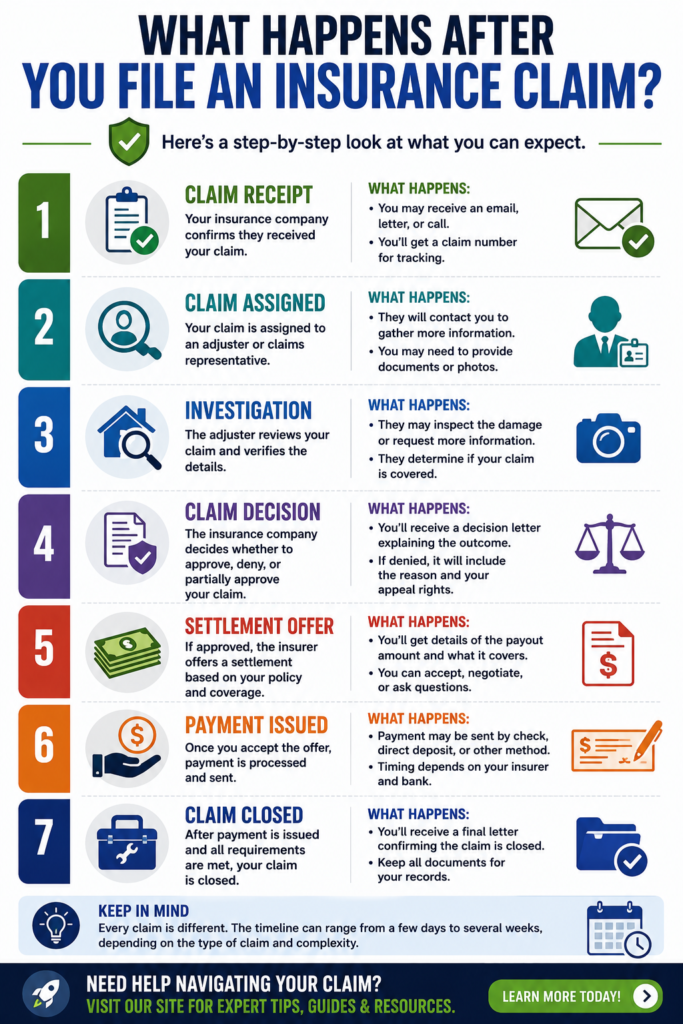
If you’ve recently filed a claim, our guide on What Happens After You File an Insurance Claim explains what usually occurs during the investigation process.
Common Social Media Mistakes During Insurance Claims
I’ve noticed several mistakes appear repeatedly.
Posting About Being Uninjured
People sometimes tell friends they’re fine while telling insurance companies they’re seeking treatment.
Even if both statements are technically true, they may appear inconsistent.
Posting Vacation Photos
A vacation photo may seem harmless.
However, if it appears inconsistent with claimed limitations, questions may arise.
Complaining About the Claim Online
Publicly criticizing an insurance company rarely helps resolve a dispute.
In some situations, those comments may simply become additional evidence.
Posting Too Much Information
The more information posted publicly, the greater the chance something may be misunderstood.
Should You Stop Using Social Media During a Claim?
Most people don’t need to completely disappear from social media.
However, many attorneys recommend exercising caution while a claim remains active.
Before posting, ask yourself:
- Could this be misunderstood?
- Does this relate to my claim?
- Would I be comfortable explaining this post later?
If the answer raises concerns, it may be worth waiting.
The Bottom Line
What you post online can sometimes have real-world consequences.
Insurance companies frequently investigate claims, and publicly available social media content may become part of that process.
That doesn’t mean you should panic every time you open Facebook.
It simply means you should be thoughtful about what you share while an insurance claim is ongoing.
The strongest claims are usually supported by consistent facts, solid documentation, and reliable evidence.

If you’re dealing with an insurance dispute, you may also find our Insurance Claims section helpful, along with our article on 10 Things You Should Never Say to an Insurance Adjuster.
About the Author
Michael Harrington
Michael Harrington is a legal researcher and writer who focuses on helping everyday Americans understand insurance claims, consumer rights, contract disputes, property law, and other common legal issues. His goal is to explain complicated legal topics in plain English so readers can make informed decisions and better protect their rights.