
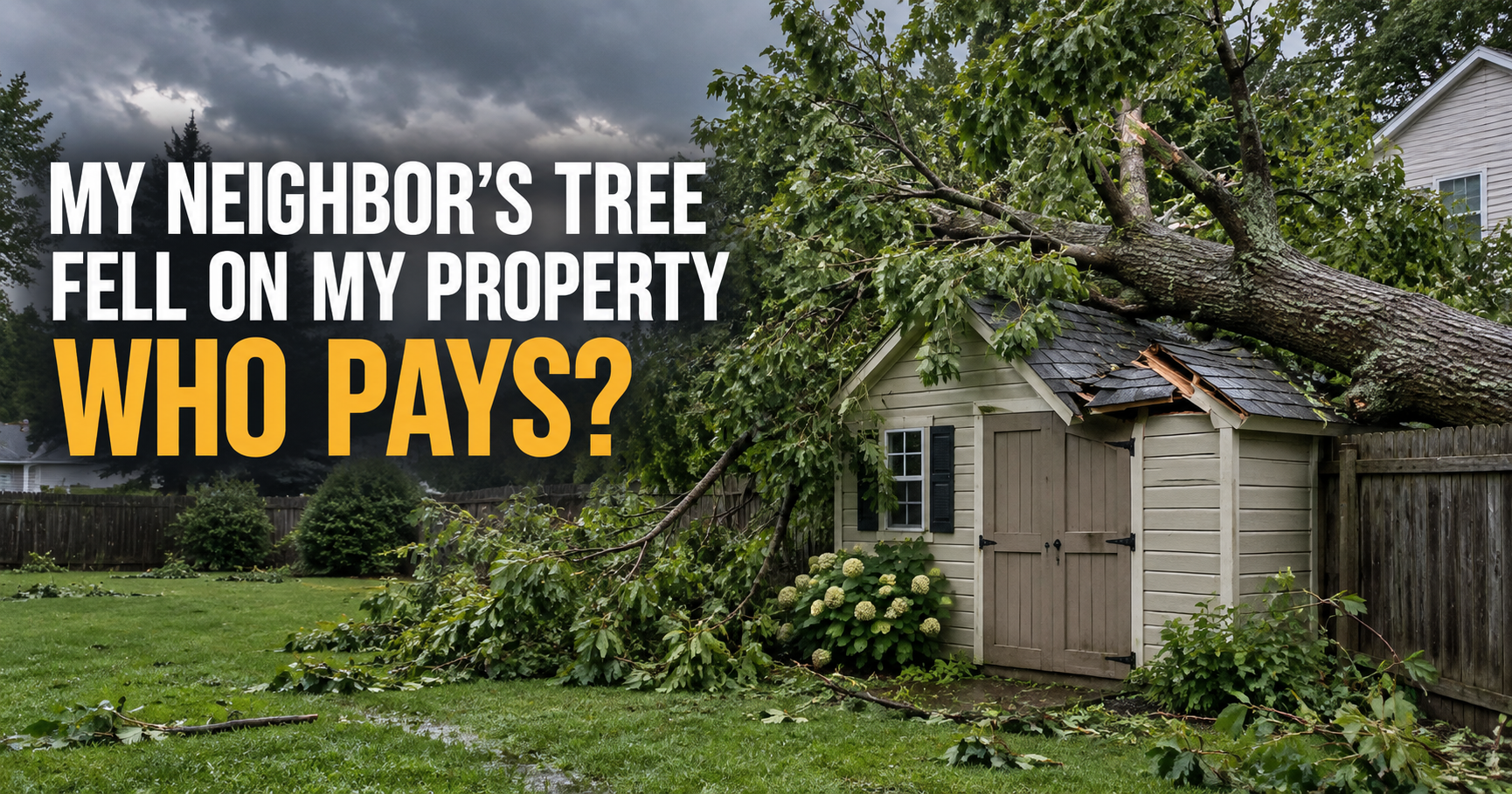
You wake up after a violent storm, look outside, and immediately see something isn’t right.
Your neighbor’s tree is lying across your yard.
Maybe it crushed your fence. Maybe it landed on your garage. Maybe it punched a hole straight through your roof.
Once the initial shock wears off, almost everyone asks the same question.
Who has to pay for this?
I’ve found that many homeowners assume the answer is obvious. If it was the neighbor’s tree, then surely the neighbor has to pay.
Sometimes that’s exactly what happens.
Many times it isn’t.
The answer usually depends on why the tree fell, whether anyone knew it was dangerous beforehand, and how your state’s laws treat property damage and negligence.
Quick Answer
If your neighbor’s healthy tree falls onto your property because of a storm or another natural event, your own homeowner’s insurance will often cover your damage if your policy applies. However, if your neighbor knew or reasonably should have known the tree was dead, diseased, or dangerous and failed to address it, they may be responsible for the damage.
The Condition of the Tree Matters
Not every fallen tree is treated the same.
One of the biggest factors is whether the tree appeared healthy before it came down.
A strong, healthy tree that falls during severe weather is often viewed very differently than one that had been dead for years or was obviously leaning and ready to collapse.
I’ve found that many legal disputes come down to one simple question:
Did the owner know the tree was dangerous before it fell?
If the answer is yes, responsibility may look very different than if the tree unexpectedly came down during an unusually severe storm.
Storm Damage Doesn’t Automatically Mean Your Neighbor Pays
This surprises many homeowners.
If a healthy tree is blown over by high winds, tornadoes, heavy snow, or another natural event, there often isn’t anyone legally at fault.
That doesn’t make the damage any less frustrating, but it may change who ultimately pays for repairs.
Every insurance policy is different, but many homeowners first work through their own insurance company when storm damage affects their property.
What If the Tree Was Dead or Obviously Unsafe?
Now we’re talking about a completely different situation.
Imagine the tree had no leaves for years.
Large branches had already been falling into your yard.
The trunk was visibly rotting.
Your neighbor had even talked about removing it but never did.
Those facts may become extremely important.
If a property owner knew, or reasonably should have known, that a tree posed a danger and failed to take reasonable action, they could potentially be held responsible depending on the laws in your state.
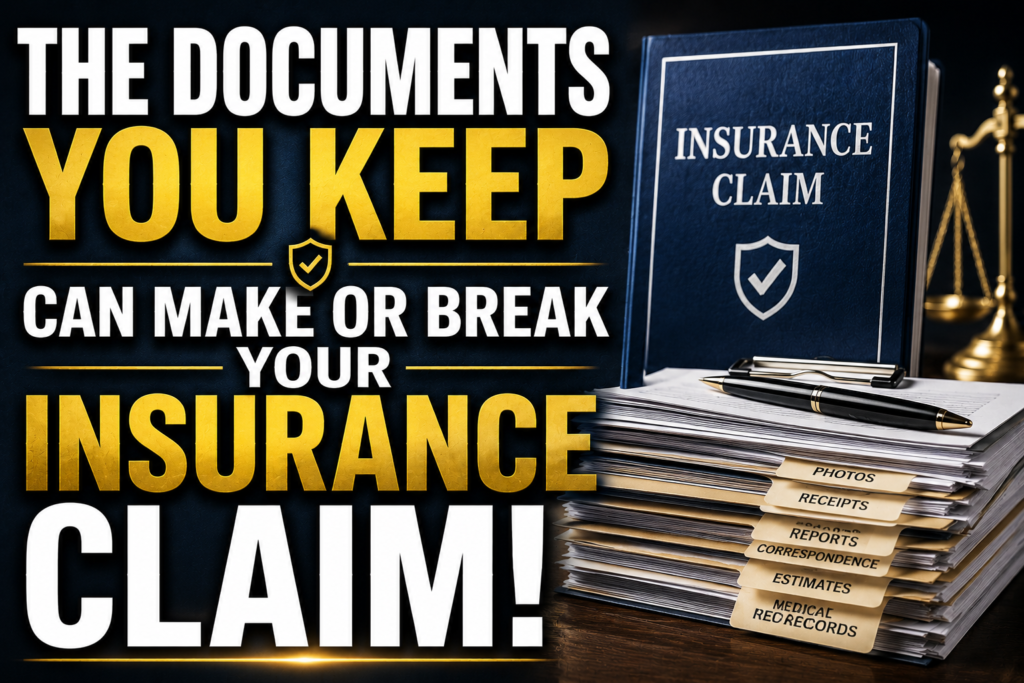
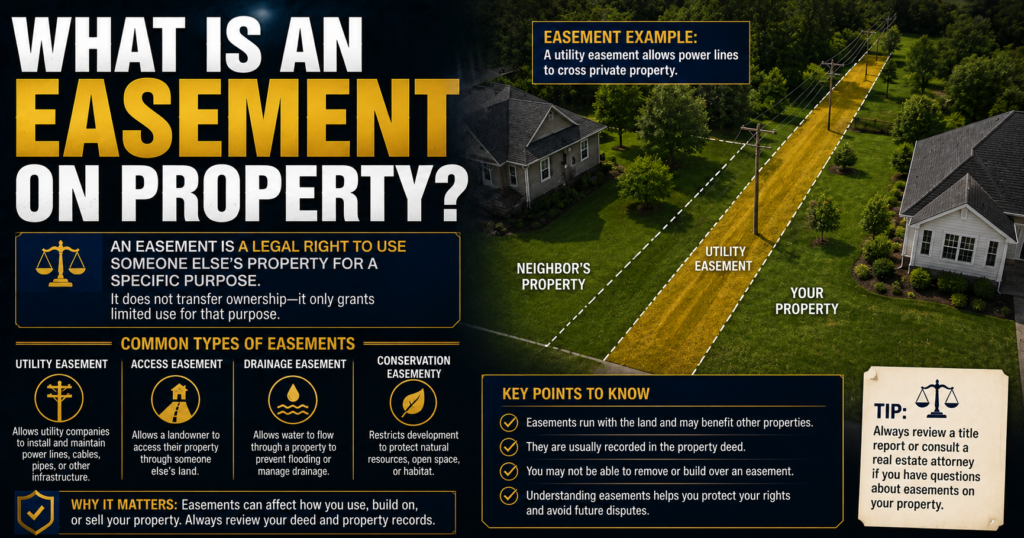
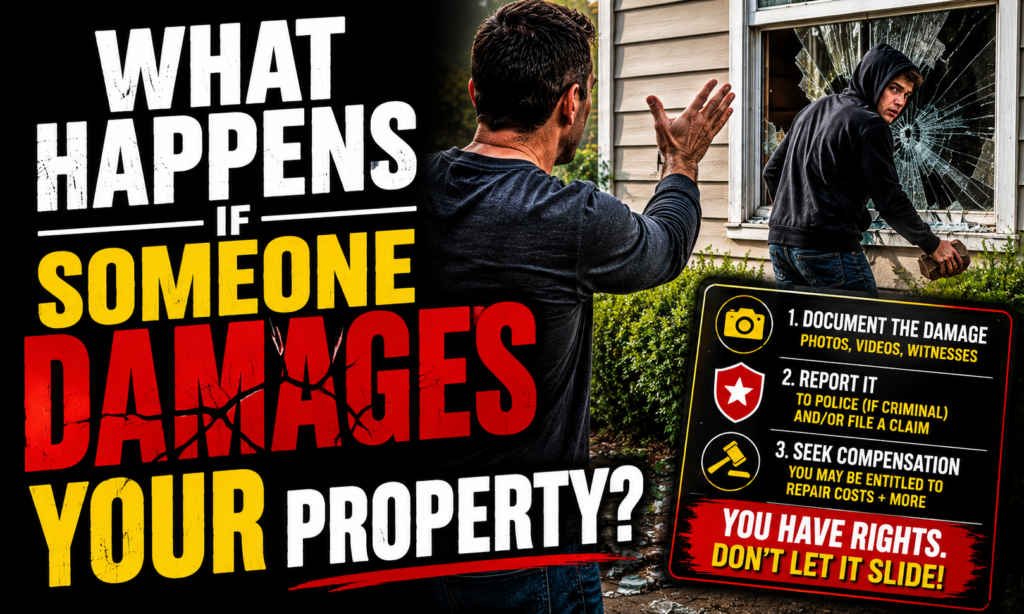
Take Pictures Before Anything Gets Moved
I completely understand wanting to grab a chainsaw and start cleaning up immediately.
But if it’s safe to wait, document everything first.
Take photographs of:
- The entire tree.
- The stump.
- The trunk.
- Any visible decay.
- Broken limbs.
- Damage to your home.
- Damage to vehicles.
- Damage to fences.
- Damage to landscaping.
If you’ve warned your neighbor about the tree before, save text messages, emails, letters, or photographs showing its condition before the storm.
I’ve found that good documentation often becomes one of the most valuable pieces of evidence later.
Property Lines Can Become Part of the Dispute
Sometimes everyone agrees the tree fell.
What they disagree about is who actually owned it.
If the trunk stood close to the property line, ownership itself may become part of the disagreement.
Before assuming responsibility belongs to one homeowner or the other, make sure you actually know where the legal boundary is.
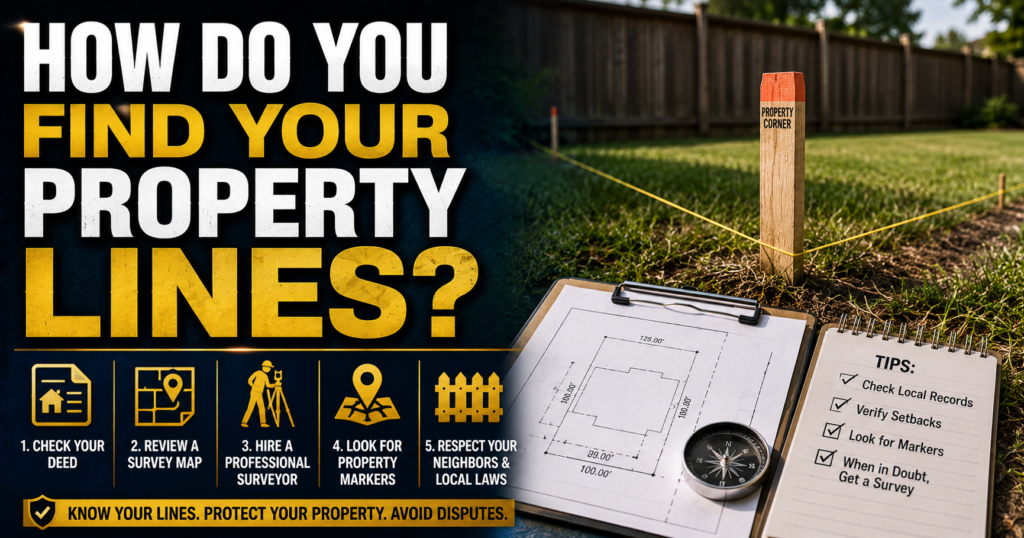
If you’re unsure, our guide on how to find your property lines explains several ways homeowners can verify where their property begins and ends.
Insurance Companies Often Get Involved Quickly
After significant damage, one of your first phone calls will probably be to your homeowner’s insurance company.
They’ll usually want photographs, information about the storm, and an estimate of the damage.
Depending on the circumstances, the insurance company may also investigate whether another party could ultimately be responsible.
That’s one reason preserving evidence before cleanup begins can be so valuable.
What If the Branches Had Been Hanging Over Your Yard?
Sometimes homeowners saw warning signs long before the tree actually fell.
Maybe branches had been rubbing against your roof for years.
Maybe large limbs regularly dropped into your yard during windy weather.
Those earlier problems can become important when determining whether the tree owner ignored an obvious hazard.
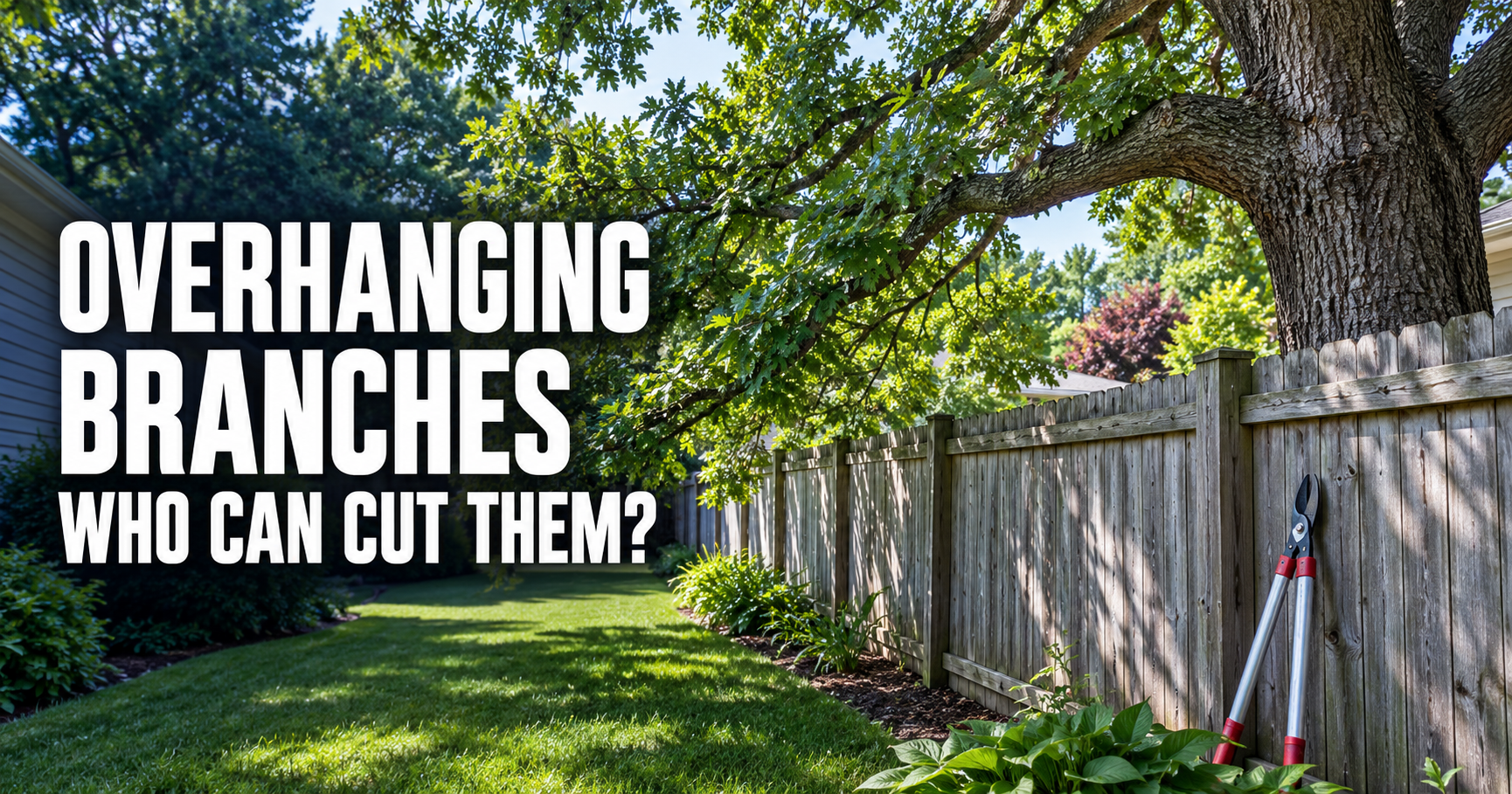
If you’ve been dealing with overhanging limbs already, our article on Can I Cut Tree Branches Overhanging My Property? explains what homeowners are generally allowed to do before a dangerous situation becomes even worse.
What If Your Neighbor Refuses to Accept Responsibility?
Unfortunately, not every homeowner is willing to admit when they may have ignored a dangerous tree.
Some neighbors immediately blame the weather.
Others insist the tree looked perfectly healthy.
I’ve found that keeping the conversation calm and focused on facts usually works much better than arguing across the property line.
If you believe your neighbor ignored an obvious hazard, gather as much evidence as possible before memories fade or cleanup changes the scene.
Could You Be Responsible for Cleanup?
One of the first questions people ask after a tree falls is who has to remove it.
The answer often depends on where the tree landed and what caused it to fall.
For example, if a healthy tree comes down during a severe storm and lands entirely in your yard, you may be responsible for arranging cleanup on your property, even though the tree originally belonged to your neighbor.
On the other hand, if evidence shows the tree was obviously hazardous and the owner failed to address it, responsibility for removal may become part of the larger dispute.
Every situation is different, which is why documenting the tree’s condition before it’s cut up and hauled away is so important.
What If the Tree Damaged More Than Just Your Yard?
Fallen trees don’t always stop at a fence.
They can damage:
- Houses
- Detached garages
- Sheds
- Vehicles
- Pools
- Decks
- Utility lines
- Landscaping
The larger the loss, the more likely insurance adjusters, contractors, and sometimes attorneys become involved.
That’s another reason why it’s important to avoid making assumptions about fault until all of the facts are known.
Can You Prevent This From Happening Again?
If another tree on your neighbor’s property appears unhealthy or dangerous, don’t wait until after it falls.
I’ve found it’s much easier to address a potential problem before it becomes thousands of dollars in damage.
Take photographs of the tree while it’s still standing.
If you’re genuinely concerned, consider politely notifying your neighbor in writing about what you’ve observed. That doesn’t guarantee responsibility later, but it can help show the concern wasn’t raised for the first time after the damage occurred.
When a Survey May Be Worth the Cost
Sometimes the fallen tree exposes a much bigger disagreement.
Maybe your neighbor insists the tree was actually on your property.
Maybe the trunk sat directly on the boundary.
Maybe both of you have been relying on an old fence that isn’t actually on the legal property line.
When ownership becomes part of the dispute, a professional survey can often settle questions that neither homeowner can answer with certainty.
If you’re already questioning where the legal boundary actually is, our guide on how to find your property lines explains several ways homeowners begin verifying property boundaries.
Frequently Asked Questions
If my neighbor’s healthy tree falls during a storm, do they automatically have to pay?
Not usually. In many situations involving healthy trees and severe weather, there may not be legal fault on either side. Insurance often becomes an important part of resolving the damage.
What if my neighbor knew the tree was dead?
That could change things significantly. If a homeowner knew, or reasonably should have known, that a tree posed a danger and failed to address it, they may be responsible depending on the facts and the laws in your state.
Should I call my insurance company first?
In many cases, yes. Your homeowner’s insurance company can explain what your policy covers and begin documenting the damage while responsibility is still being evaluated.
Should I remove the tree immediately?
If it’s safe, photograph everything before cleanup begins. Once the tree has been cut apart and removed, valuable evidence about its condition may disappear.
What if the tree had branches hanging over my property before it fell?
That may become relevant depending on the circumstances. If you’ve dealt with overhanging limbs before, you may also find our article on Can I Cut Tree Branches Overhanging My Property? helpful.
Important Information
This article is intended for general educational purposes only and should not be considered legal advice. Property laws, negligence standards, insurance policies, and liability rules vary by state. If a fallen tree has caused significant property damage or you’re involved in a dispute over responsibility, consider speaking with a licensed attorney or your insurance company to better understand your legal options.
About the Author
Ryan Caldwell is a property rights researcher and homeowner legal writer for Legal Know It All. He specializes in explaining neighbor disputes, property boundaries, easements, trespassing, and homeowner rights in plain English so homeowners can better understand their legal options before small disagreements become expensive legal battles.