
Most people think about tree branches.
Far fewer think about what’s happening underground.
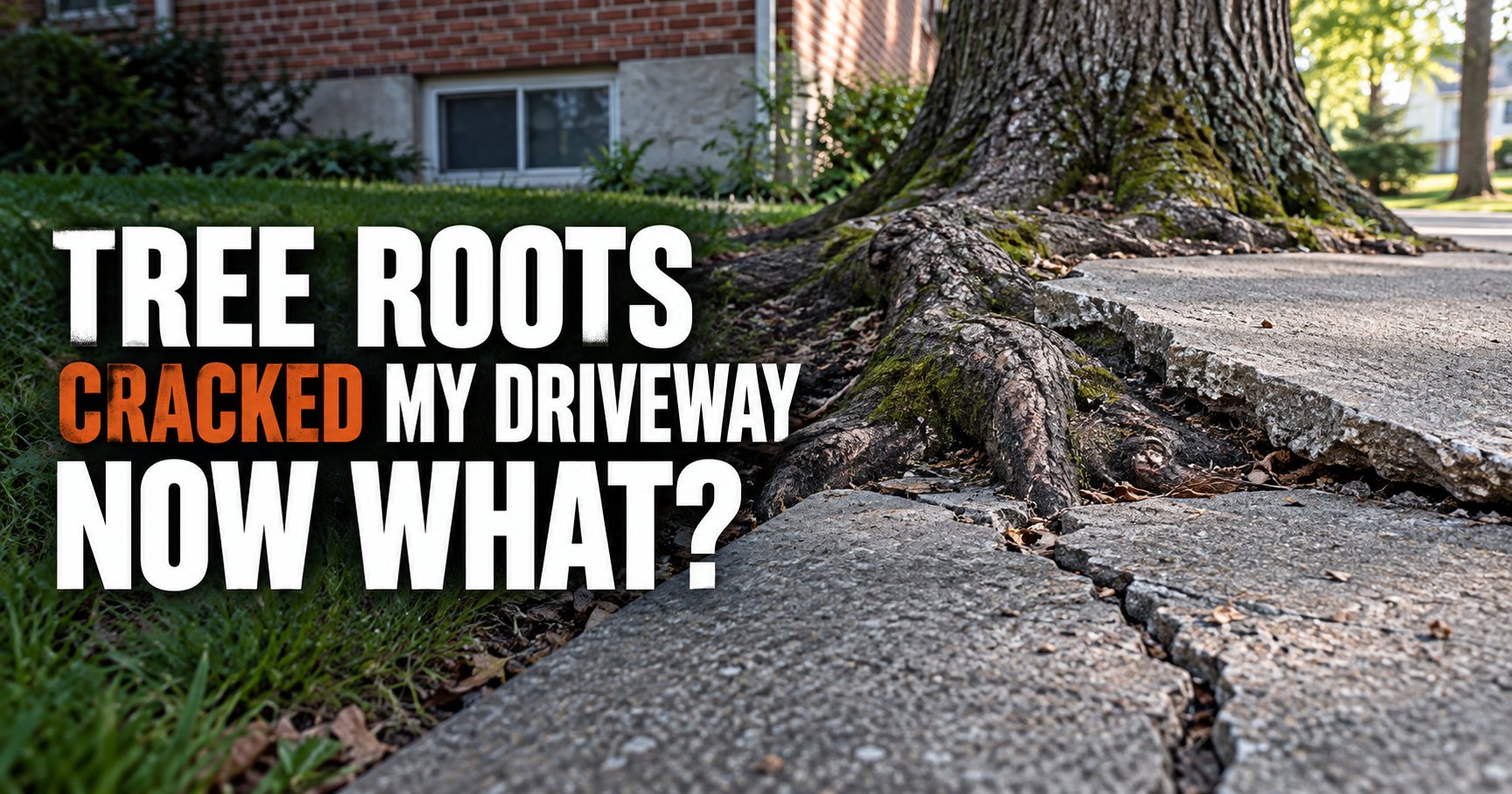
Then one day you notice a crack running across your driveway. Your sidewalk has started lifting. Maybe there’s even a crack forming in your home’s foundation.
As you look around, you realize your neighbor’s huge tree is only a few feet away.
That raises an important question.
Can tree roots make your neighbor responsible for the damage?
I’ve found this is one of the more confusing property disputes because the damage usually happens slowly over several years. By the time homeowners notice it, the roots may already be well established beneath the property.
The answer isn’t always straightforward. It often depends on what caused the damage, whether the tree owner knew about the problem, and how your state’s property laws handle tree root disputes.
Quick Answer
Tree roots can sometimes damage driveways, sidewalks, patios, foundations, and underground utilities. Whether your neighbor is legally responsible often depends on your state’s laws, the facts surrounding the damage, and whether the tree owner knew or should have known the roots were creating a problem.
Can Tree Roots Really Cause That Much Damage?
Absolutely.
Large trees develop extensive root systems that often spread much farther than most people realize.
While roots rarely “break through” solid concrete on their own, they commonly grow beneath slabs, lifting them over time as the roots expand.
I’ve seen roots contribute to problems involving:
- Cracked driveways.
- Uneven sidewalks.
- Patio damage.
- Foundation movement.
- Retaining walls.
- Underground water lines.
- Septic systems.
- Landscape edging.
Not every crack is caused by roots, but mature trees growing close to structures deserve a closer look.

The Tree Doesn’t Stop at the Property Line
One thing that surprises many homeowners is that tree roots don’t care where one yard ends and another begins.
A tree growing entirely on your neighbor’s property may have roots extending well beneath your driveway, lawn, or even your home’s foundation.
That alone doesn’t automatically make your neighbor legally responsible.
Instead, the circumstances surrounding the damage usually become much more important.
Don’t Assume Every Crack Is Caused by Roots
Concrete naturally cracks over time.
So do foundations.
Before blaming a nearby tree, it’s important to determine what’s actually causing the problem.
Soil movement, poor drainage, freeze and thaw cycles, settling, construction defects, and age can all create damage that looks surprisingly similar to root intrusion.
I’ve found that jumping to conclusions before identifying the real cause often makes neighbor disputes much worse.
Document the Damage Early
If you believe roots are causing damage, start documenting everything as soon as possible.
Take photographs every few months.
Measure widening cracks if they’re getting worse.
Save repair estimates.
If contractors identify tree roots as the likely cause, keep copies of their reports.
The more documentation you have, the easier it becomes to show how the damage developed over time.
Talk to Your Neighbor Before the Damage Gets Worse
Many property disputes could be avoided with one respectful conversation.
Your neighbor may have no idea the roots have spread beneath your property.
They may even be willing to work together on a solution before repairs become much more expensive.
I’ve found that approaching the conversation calmly and focusing on the damage rather than assigning blame usually leads to much better results than starting with accusations.
Can You Cut Roots Crossing Onto Your Property?
This is another question homeowners ask all the time.
In many situations, property owners may have certain rights to address roots extending onto their property.
However, there are important limits.
Cutting large structural roots without understanding how they’ll affect the tree could make it unstable or even kill it.
That’s why many homeowners consult an arborist before removing major roots.
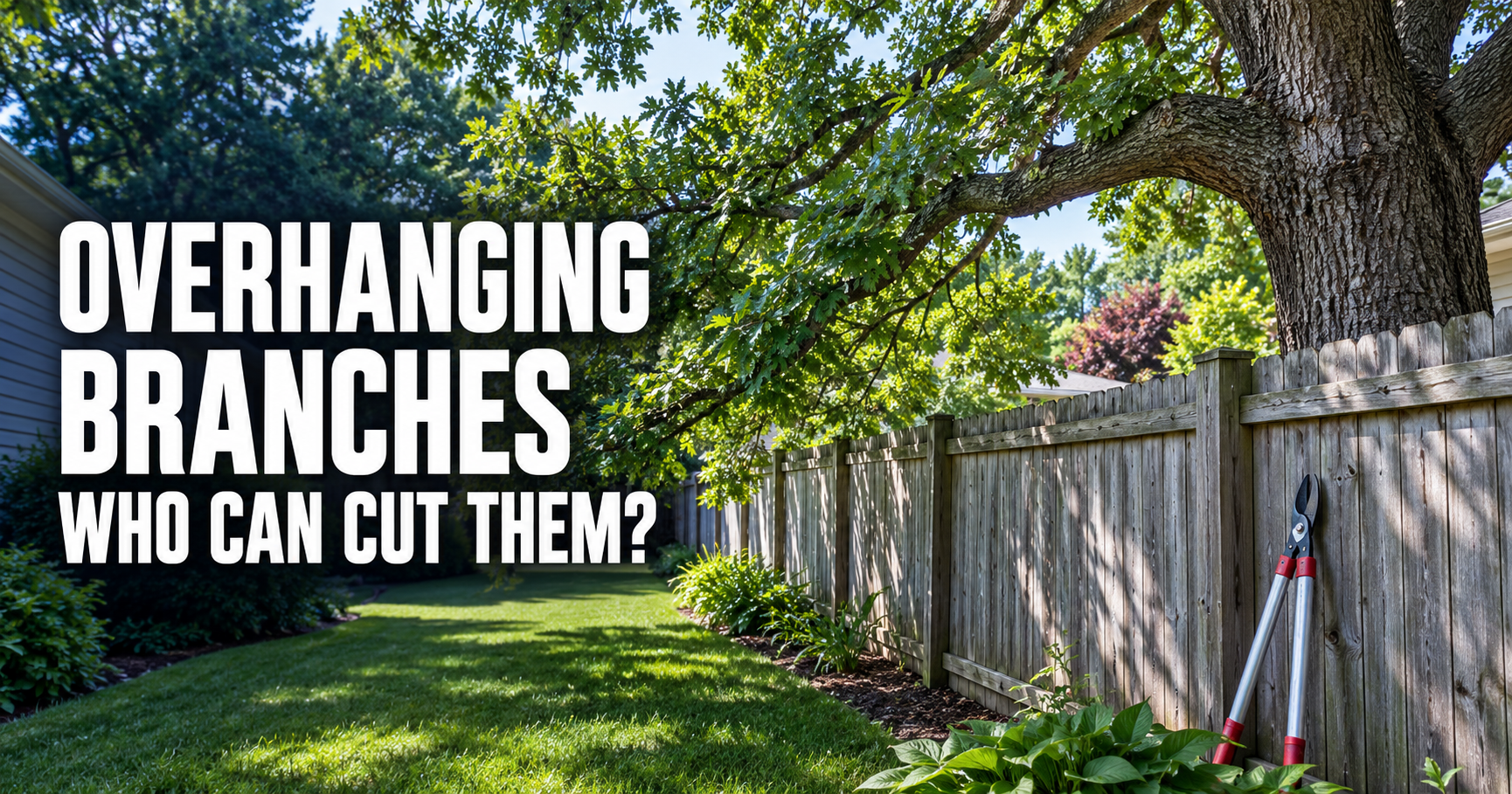
The same legal concerns often apply to branches growing across property lines. Our guide on Can I Cut Tree Branches Overhanging My Property? explains where those rights often begin and where they can create legal problems.
What If the Damage Keeps Getting Worse?
Tree root damage rarely happens overnight.
A small crack in the driveway may become several inches wide over the next few years.
A section of sidewalk may slowly rise until it’s a tripping hazard.
Foundation cracks may become larger as the roots continue growing beneath the structure.
I’ve found that waiting too long often makes repairs much more expensive.
If you notice the damage getting worse, continue documenting it with dated photographs and keep records of any inspections or repair estimates.



Should You Hire an Expert?
Sometimes the biggest disagreement isn’t whether damage exists.
It’s what caused it.
A foundation contractor may believe roots are responsible.
An engineer may determine the real problem is soil movement.
An arborist may conclude the tree’s root system isn’t even capable of reaching the damaged area.
If the damage is significant, professional opinions can help determine what’s actually happening before neighbors begin blaming one another.
Can You Make Your Neighbor Remove the Tree?
Many homeowners assume removing the tree will automatically solve the problem.
Unfortunately, it’s usually not that simple.
Even if roots are contributing to the damage, you generally can’t force your neighbor to remove an otherwise healthy tree simply because it’s growing near your property.
However, if the tree has become dangerous or presents an unreasonable risk, the legal analysis may be different.
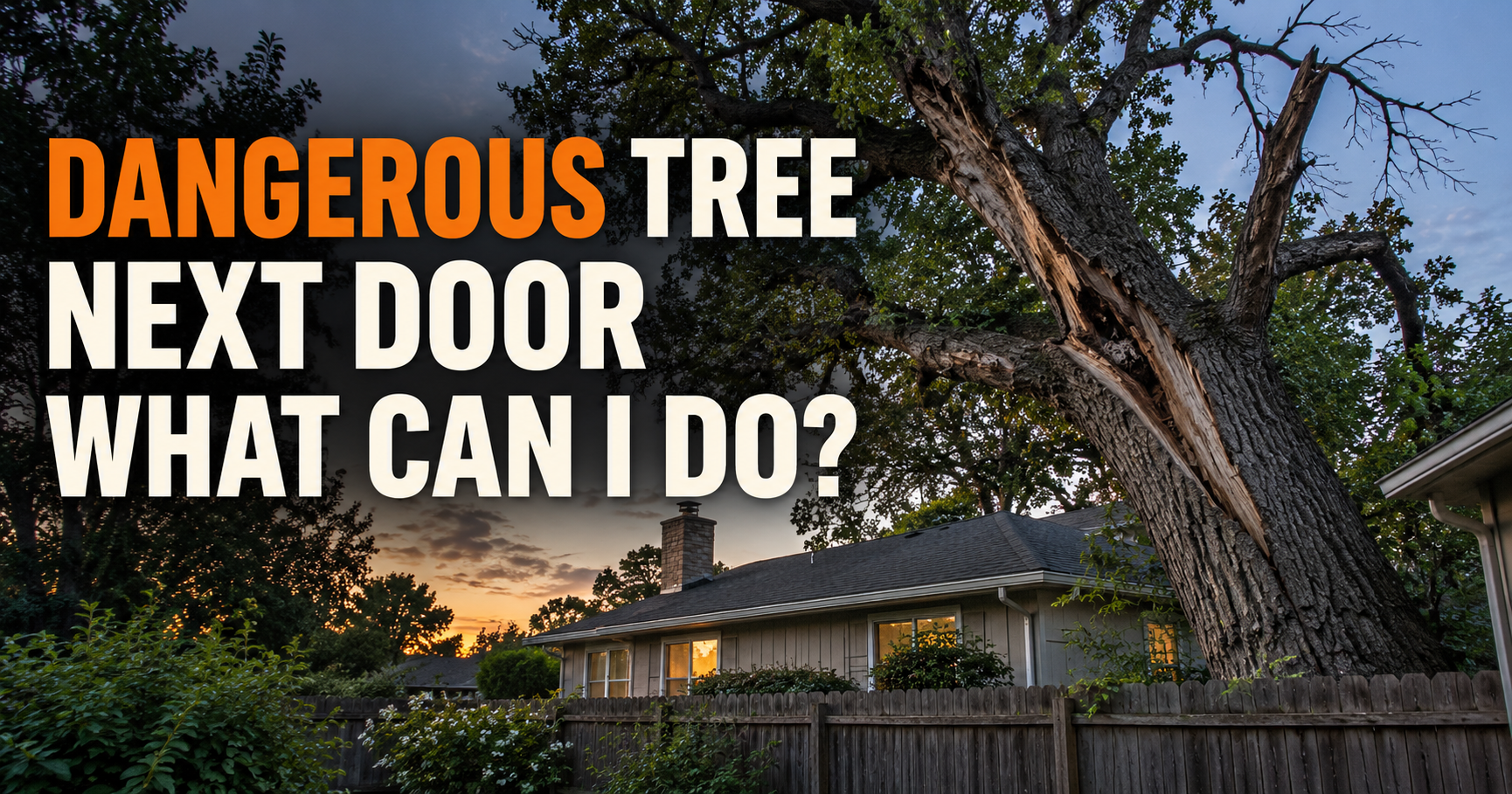
If that’s your concern, our article on Can I Make My Neighbor Remove a Dangerous Tree? explains when homeowners may have additional legal options.
Don’t Start Cutting Major Roots Without a Plan
It may be tempting to rent a trencher or grab a saw and start cutting every root crossing your property line.
I’ve found that’s one of the quickest ways to create an even bigger problem.
Removing large structural roots may:
- Destabilize the tree.
- Cause the tree to die.
- Increase the risk of the tree falling during a storm.
- Create additional property damage.
- Lead to disputes over who caused the tree’s decline.
Before removing significant roots, it’s often worth consulting an arborist who can explain how the work may affect the tree.
What If the Damage Is Already Severe?
If your driveway has become unsafe or your home’s foundation has sustained major damage, don’t wait hoping the problem will fix itself.
Photograph everything.
Keep copies of repair estimates.
Save written communications with your neighbor.
If insurance companies become involved, maintain records of inspections and claim information.
The more organized your documentation is, the easier it may be to establish what happened and when.
Frequently Asked Questions
Can my neighbor’s tree roots damage my foundation?
Yes. Large root systems can sometimes contribute to foundation movement, cracked concrete, and other structural issues. However, professional inspections are often needed to determine whether roots are actually the cause.
Can I cut roots growing onto my property?
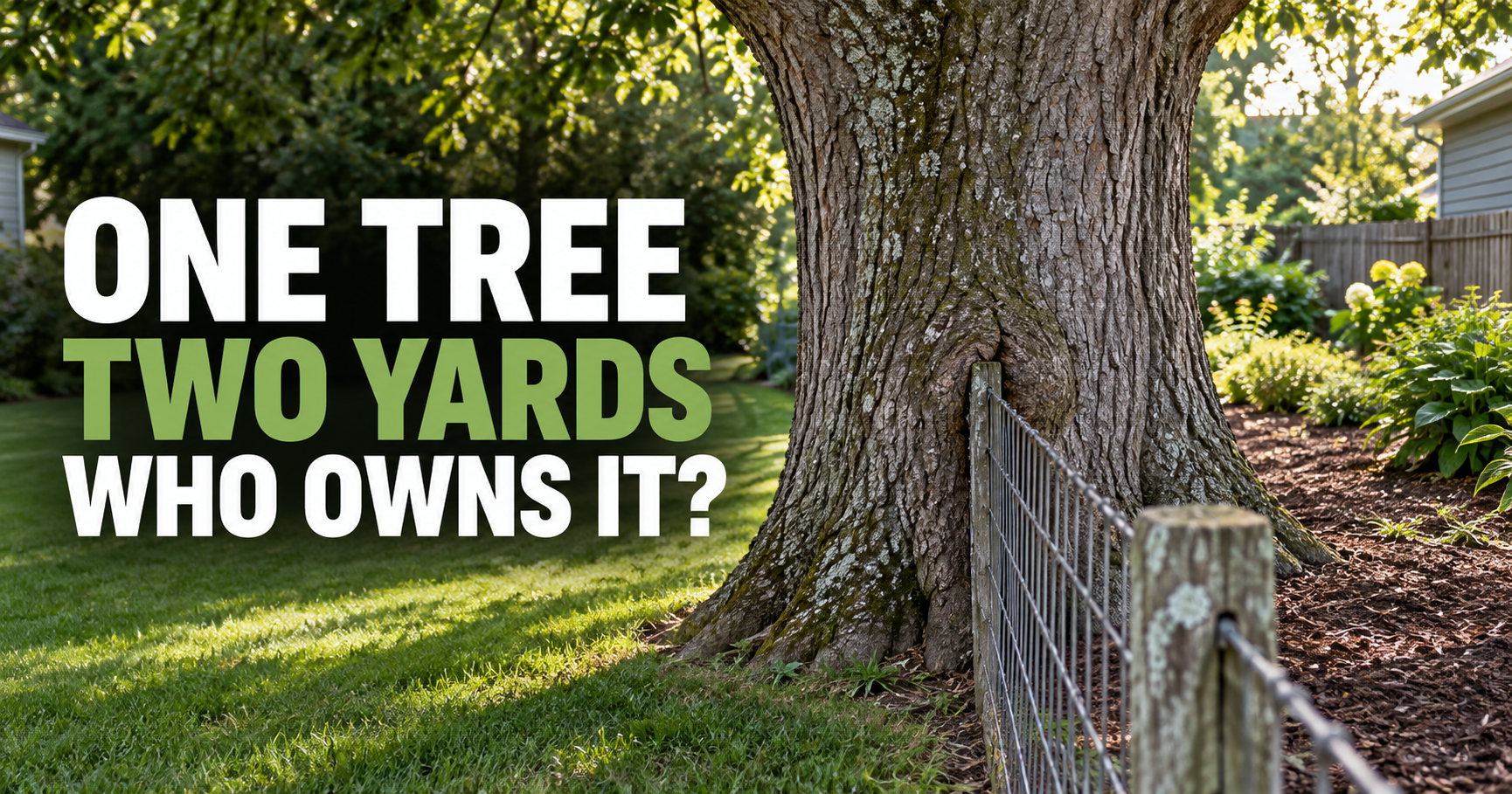
In many situations, homeowners may have certain rights to address roots extending onto their property. However, cutting large structural roots can damage or destabilize the tree, so it’s important to understand the potential consequences before taking action. The tree's location may also affect who has an interest in decisions about it; see rights to address roots extending onto their property for the boundary-ownership issue.
What if the roots damage my driveway?
Document the damage with photographs, keep repair estimates, and determine whether the roots are actually responsible before assuming liability.
Can I sue my neighbor because of tree roots?
Depending on the circumstances and your state’s laws, legal remedies may be available in some situations. The outcome often depends on factors such as negligence, the extent of the damage, and whether the tree owner knew about the problem.
Should I remove the tree myself?
Generally, no. Removing or seriously damaging someone else’s tree without permission can create significant legal issues. It’s usually better to document the problem and explore your options first.
Important Information
This article is intended for general educational purposes only and should not be considered legal advice. Property laws, negligence standards, tree ownership rules, and liability for root damage vary by state. If you’re dealing with significant property damage or a dispute involving tree roots, consider consulting a licensed attorney or another qualified professional in your jurisdiction.
About the Author
Ryan Caldwell is a property rights researcher and homeowner legal writer for Legal Know It All. He specializes in explaining neighbor disputes, property boundaries, easements, trespassing, and homeowner rights in plain English so homeowners can better understand their legal options before costly property disputes grow even larger.