
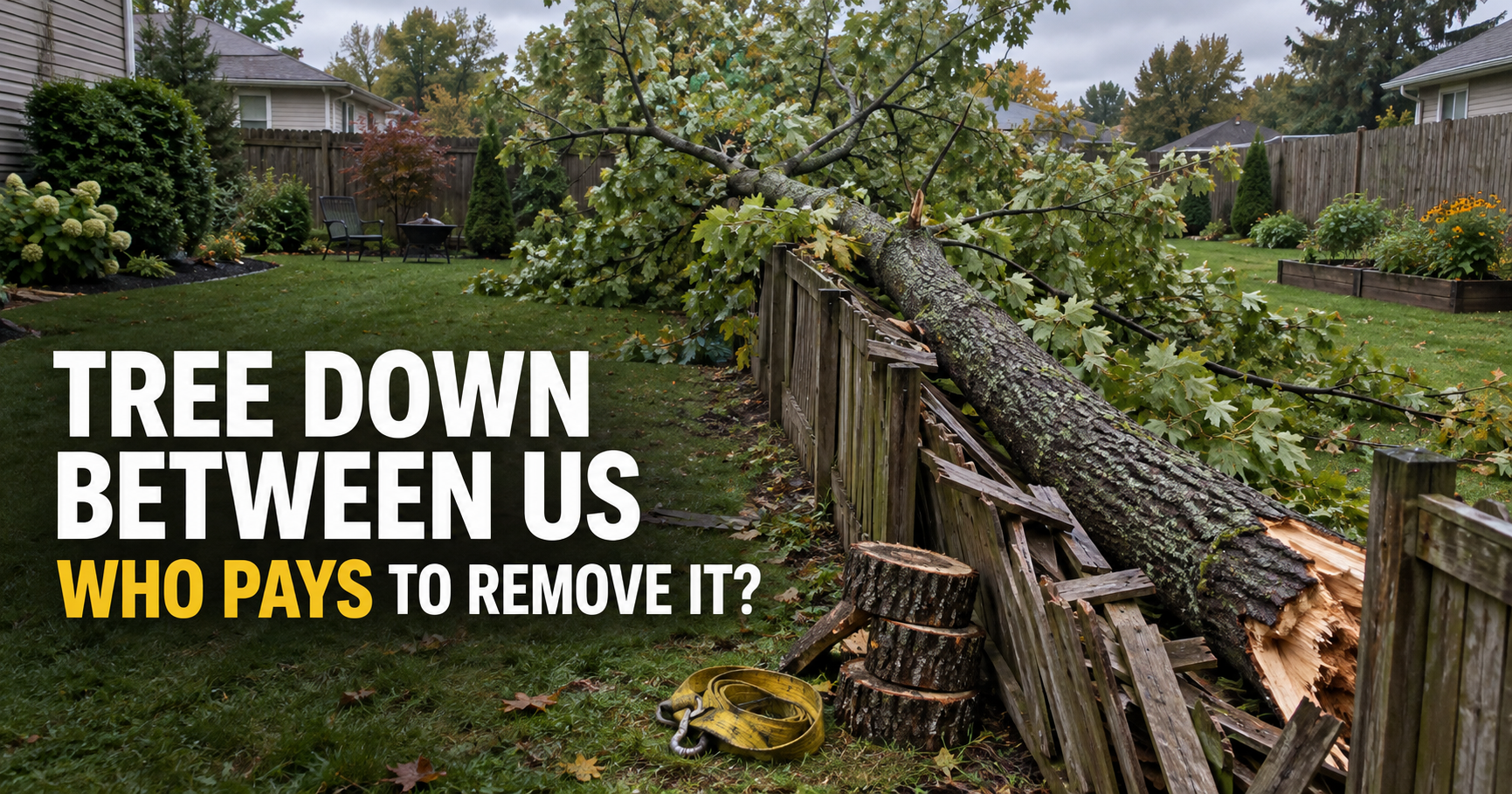
A storm rolls through overnight.
The next morning, you walk outside and find a large tree lying across the property line.
Part of it’s in your yard.
Part of it’s in your neighbor’s.
Maybe it’s blocking a fence.
Maybe it’s covering both driveways.
Or maybe neither of you even knows who owned the tree before it fell.
I’ve found this is one of the first questions neighbors ask after a major storm.
Who is supposed to pay to remove it?
Many homeowners assume whoever owned the tree automatically pays.
Others believe the cleanup should always be split down the middle.
The truth is that the answer depends on several important factors, including where the tree came from, why it fell, and what your state’s laws say about property damage and responsibility.
Quick Answer
There isn’t one rule that applies in every situation. Responsibility for removing a fallen tree often depends on where the tree originated, whether it caused damage, whether it was already known to be dangerous, and how your state’s laws allocate responsibility between neighboring property owners.
Start by Determining Where the Tree Came From
Before anyone starts calling tree services, try to answer one simple question.
Where did the tree actually grow?
If the tree clearly originated on one property, ownership may be easier to determine.
If it was growing directly on the property line, things can become much more complicated.
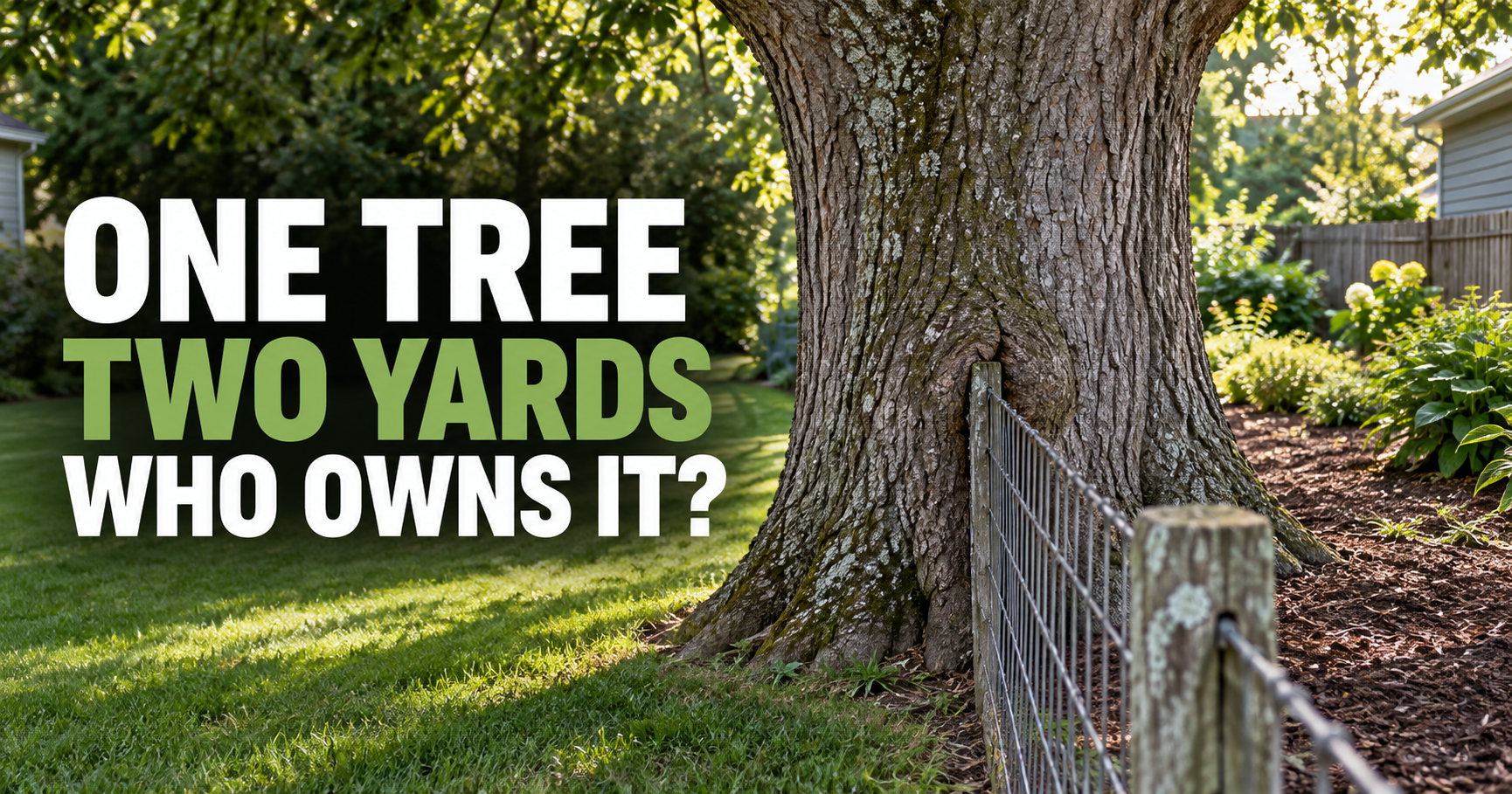
Our guide on Who Owns a Tree Growing on the Property Line? explains why boundary trees often create unique legal questions long before they ever fall.
Was the Tree Healthy Before It Fell?
One of the biggest questions after any storm is whether the tree simply lost its battle with severe weather or whether it had been dangerous for quite some time.
I’ve found this distinction often matters.
Healthy trees sometimes fall during tornadoes, hurricanes, ice storms, or unusually strong winds.
That doesn’t automatically mean someone was negligent.
On the other hand, if the tree had obvious signs of decay, large dead limbs, severe leaning, or other visible hazards before it fell, the analysis may be very different.
Photograph Everything Before Cleanup Begins
It’s tempting to grab a chainsaw immediately.
Before doing that, take photographs.
Lots of them.
Capture:
- Where the tree fell.
- The base of the trunk.
- Any visible decay.
- Damage to structures or fences.
- The condition of the surrounding property.
I’ve found these photographs can become valuable if insurance companies or legal questions arise later.
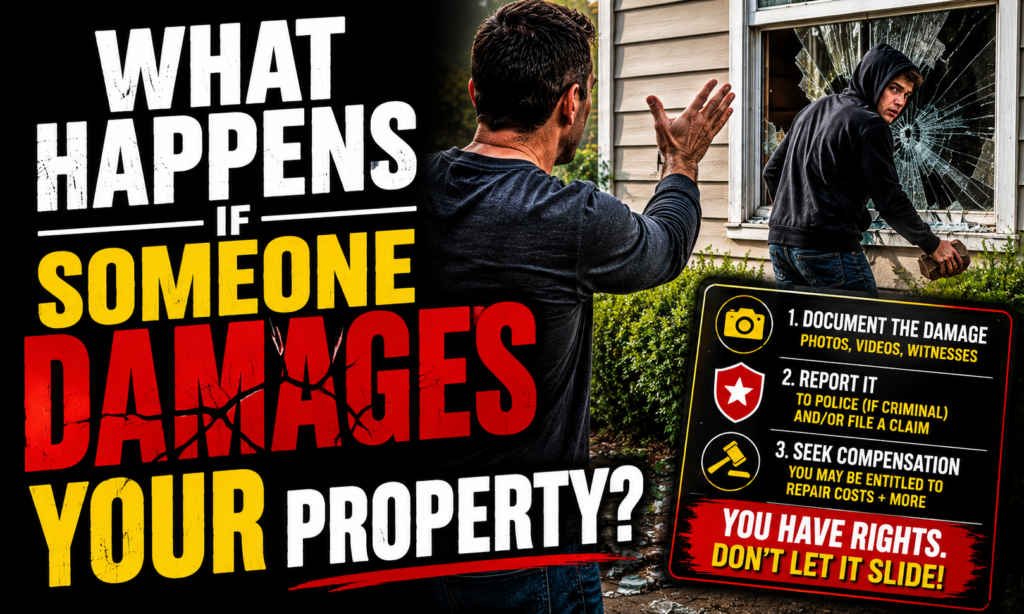

Don’t Assume Insurance Will Handle Everything
Many homeowners expect insurance to automatically pay for every fallen tree.
Sometimes it does.
Sometimes it doesn’t.
Coverage often depends on whether the tree damaged a covered structure, simply landed in the yard, or blocked access to the property.
The details of your homeowners insurance policy can make a significant difference.
When Neighbors Work Together, Everyone Usually Wins
If the tree is lying across both properties but caused little or no damage, working together may be the quickest solution.
Splitting removal costs voluntarily is often far less stressful than arguing over who should pay every dollar.
I’ve found that neighbors who communicate early usually resolve these situations much faster than those who immediately begin assigning blame.
What if the Tree Was Already Dead Before It Fell?
One of the biggest factors after a tree falls is its condition beforehand.
If the tree was healthy and came down during an unusually severe storm, the situation is often treated differently than if the tree had obvious signs of decay that had been ignored for years.
I’ve found this is why homeowners should take photographs of trees they genuinely believe are hazardous before a storm ever arrives.
Evidence showing dead limbs, severe leaning, a hollow trunk, or visible decay may become important if responsibility is later disputed.
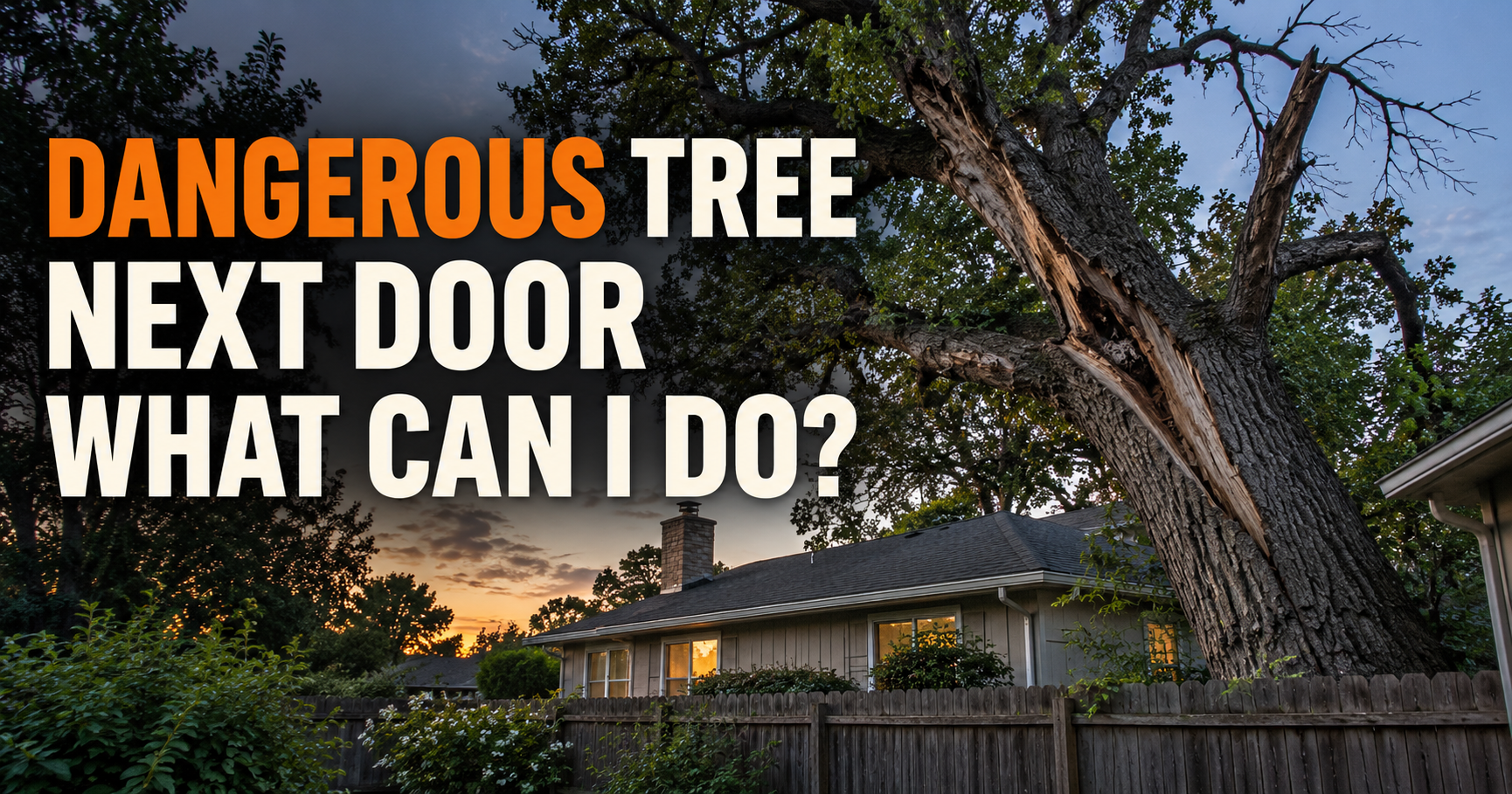
If you’re worried about a tree before it falls, our guide on Can I Make My Neighbor Remove a Dangerous Tree?explains what homeowners can often do before damage occurs.
Does It Matter Whether the Tree Damaged Anything?
Absolutely.
A fallen tree lying in the middle of two yards presents a different situation than one that crashes through a roof or destroys a fence.
Some homeowners insurance policies may provide coverage when a tree damages a covered structure, while simply removing a tree that landed in an open yard may be handled differently.
Because every policy is different, it’s important to review your own coverage rather than assuming every situation is treated the same way.

Should You Remove the Tree Immediately?
If the tree is creating an immediate safety hazard, blocking emergency access, or resting on power lines, safety should always come first.
Otherwise, I’ve found it’s usually wise to slow down before cleanup begins.
Take photographs.
Notify your insurance company if appropriate.
Talk with your neighbor.
Once the tree has been cut into pieces and hauled away, it becomes much harder to determine exactly how it fell or what condition it was in beforehand.
What if the Tree Was Growing on the Property Line?
Boundary trees create another layer of complexity.
If both neighbors may have ownership interests in the tree, questions about cleanup costs can become more complicated than if the tree clearly belonged to only one property owner.
If you’re unsure how ownership is generally determined, our article on Who Owns a Tree Growing on the Property Line? explains why the location of the trunk often matters so much.
Can You Make Your Neighbor Pay?
Many homeowners immediately ask whether they can simply send the bill to the neighbor.
The answer isn’t always yes.
I’ve found that responsibility often depends on why the tree fell, whether anyone acted negligently beforehand, what damage occurred, and how your state’s laws handle liability.
Assuming your neighbor automatically owes the entire removal cost can sometimes create even bigger disagreements.
Frequently Asked Questions
Who pays to remove a tree lying across two properties?
There isn’t one nationwide rule. Responsibility often depends on where the tree originated, why it fell, whether damage occurred, and the laws in your state.
What if the tree fell during a major storm?
Healthy trees sometimes fall during severe weather. In many situations, a storm alone doesn’t automatically make either neighbor legally responsible for the entire removal cost.
Does homeowners insurance always pay for tree removal?
Not always. Coverage often depends on whether the tree damaged a covered structure, blocked access, or simply fell into an open yard. Review your own policy for specific coverage details.
Should I clean up the tree before talking to my neighbor?
If there’s no immediate safety concern, it’s often helpful to photograph the damage and discuss the situation before major cleanup begins.
What if we can’t agree?
If discussions break down, documenting the damage, keeping repair estimates, and seeking legal guidance may help resolve the dispute.
Important Information
This article is intended for general educational purposes only and should not be considered legal advice. Laws involving tree ownership, negligence, insurance, and property damage vary by state. If a fallen tree has caused significant damage or you’re involved in a dispute over removal costs, consider consulting a licensed attorney or your insurance company for guidance based on your specific situation.
About the Author
Ryan Caldwell is a property rights researcher and homeowner legal writer for Legal Know It All. He specializes in explaining neighbor disputes, property boundaries, easements, trespassing, and homeowner rights in straightforward language so homeowners can better understand their legal options before everyday property issues become costly legal disputes.