
Few neighbor disputes create frustration faster than driveway problems.
Maybe your neighbor regularly drives across part of your driveway.
Maybe they park there without asking.
Maybe they claim they have always used it and therefore have a right to continue.
Situations like these often leave property owners wondering whether they can stop the behavior or whether the neighbor actually has legal rights involving the driveway.
The answer depends on several important factors, including property boundaries, easements, prior agreements, and local laws.
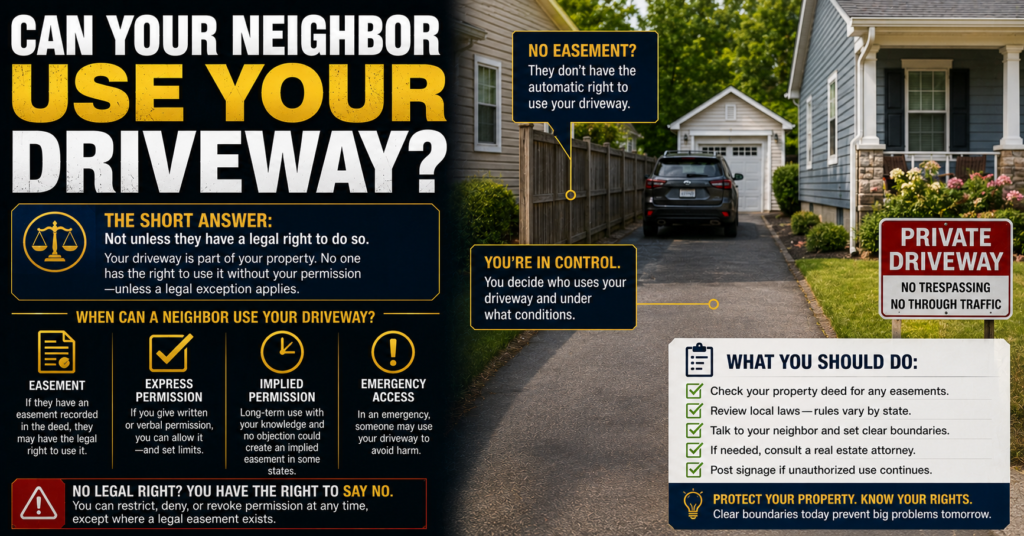
Quick Answer
In many situations, neighbors do not automatically have the right to use someone else’s driveway. However, exceptions may exist involving easements, shared driveways, access rights, recorded agreements, or other legal circumstances. Understanding exactly why the driveway is being used is often the first step in determining what rights may apply.
Who Actually Owns the Driveway?
The first question is often ownership.
Many people assume ownership is obvious, but driveway situations are not always simple.
Examples include:
- Private driveways
- Shared driveways
- Easement driveways
- Access driveways
- Boundary-line driveways
Determining ownership is often one of the most important steps in resolving a dispute.
Start With Property Records
Property records frequently provide valuable information regarding:
- Property boundaries
- Easements
- Access rights
- Shared-use agreements
Documents worth reviewing include:
- Surveys
- Deeds
- Closing documents
- Title records
If you have not already confirmed your property boundaries, you may find helpful information in:
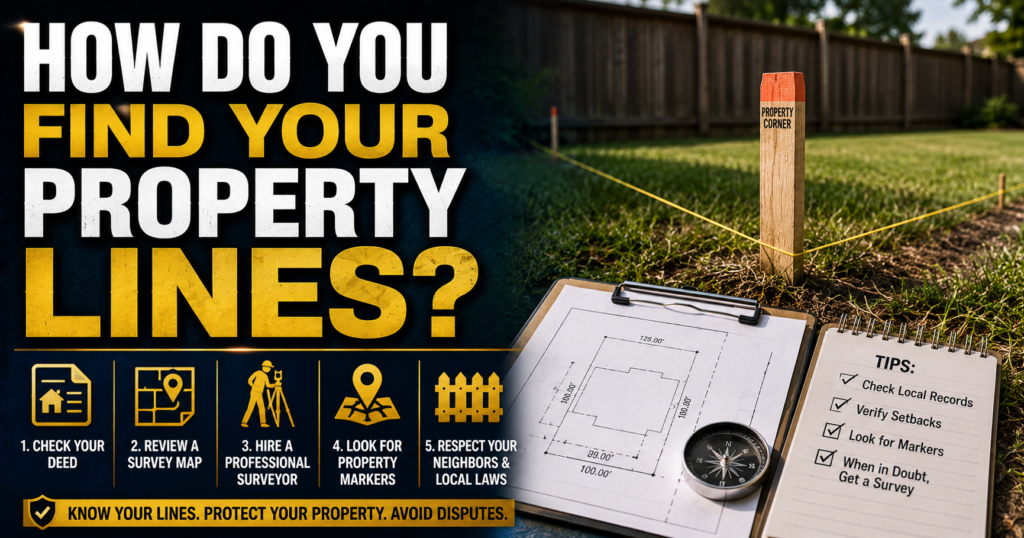
How Do You Find Your Property Lines?
Easements Can Change Everything
Many driveway disputes involve easements.
An easement may allow another property owner to use part of a driveway for a specific purpose.
For example:
- Access to a landlocked property
- Shared driveway access
- Entry to another parcel
In these situations, ownership and usage rights may not be the same thing.
For a detailed explanation, see:
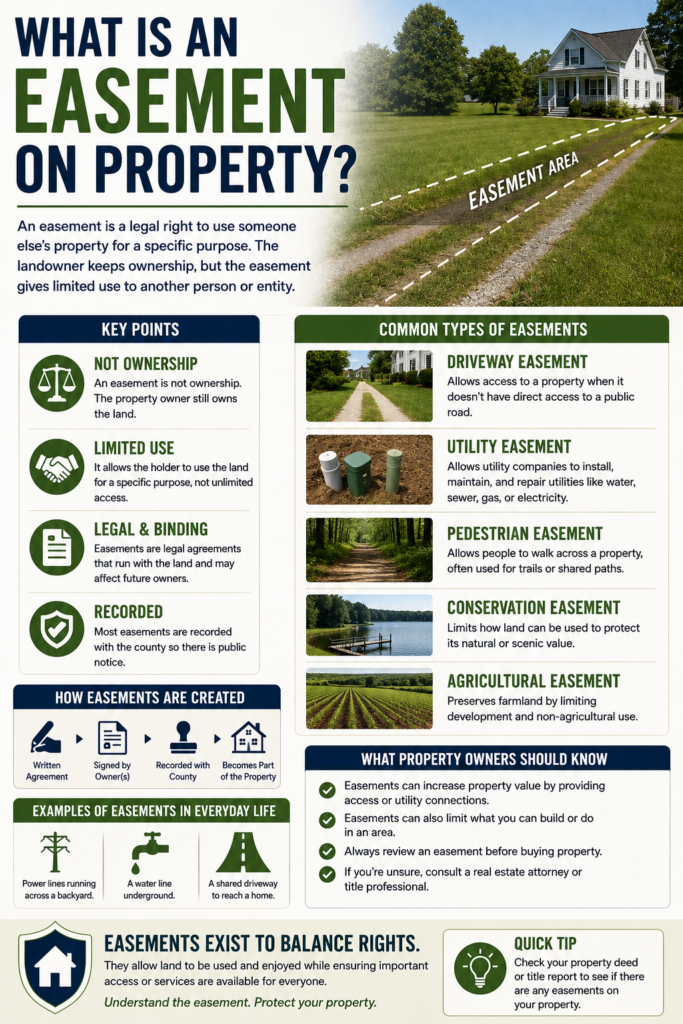
What Is an Easement on Property?
What Is a Shared Driveway?
A shared driveway is exactly what it sounds like.
Multiple property owners may have legal rights involving the same driveway.
Questions commonly arise regarding:
- Maintenance
- Parking
- Repairs
- Snow removal
- Access
Because shared driveways involve multiple parties, disputes can become complicated quickly.
Can a Neighbor Park in Your Driveway?
In many situations, a neighbor does not automatically gain the right to park in another person’s driveway.
However, every situation is different.
Important factors may include:
- Easements
- Agreements
- Property boundaries
- Local laws
The specific facts often determine what rights exist.
Why Driveway Disputes Often Escalate
Driveway issues rarely remain limited to the driveway itself.
Disputes often expand into disagreements involving:
- Property boundaries
- Fences
- Easements
- Parking
- Trespassing
- Access rights
The longer a dispute continues, the more difficult it often becomes to resolve.
Security Cameras Can Be Helpful
When disputes involve repeated access, property damage, or disagreements about what occurred, documentation can become important.
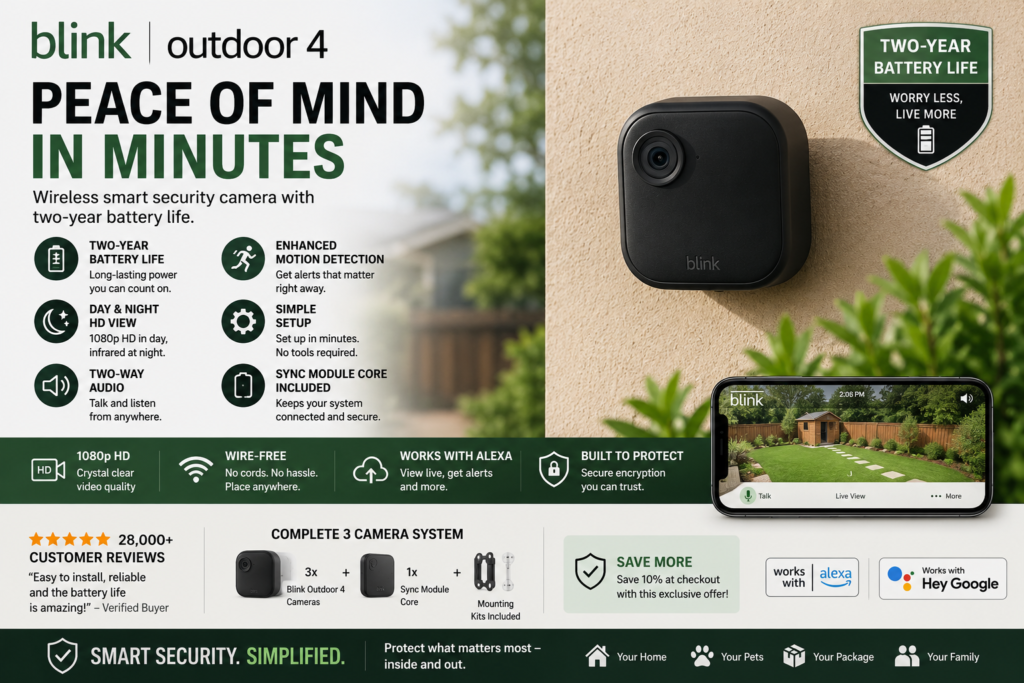
Many homeowners use the Blink Outdoor Security Camera System to monitor driveways, entrances, and access points.
Video footage may help document:
- Vehicle activity
- Parking issues
- Property damage
- Access disputes
The purpose is not confrontation but maintaining an accurate record if questions arise later.

Remote Properties May Benefit From Trail Cameras
Some driveway disputes involve long driveways, rural properties, or locations where traditional cameras are not practical.

Many property owners use a 4K Trail Camera to monitor remote access points and document activity occurring away from the home.
Understanding Rights Is Better Than Making Assumptions
One of the biggest mistakes property owners make is assuming they understand the legal situation without reviewing the relevant records.
Driveway disputes often involve facts that are not immediately obvious.
Property boundaries, easements, and historical use may all affect what rights exist.
Understanding those facts is usually the best place to start.
What If the Neighbor Has Been Using the Driveway for Years?
This is where driveway disputes often become more complicated.
Many property owners discover that a neighbor has used part of a driveway for years or even decades.
That history does not automatically determine legal rights, but long-term use may raise questions involving:
- Easements
- Historical access
- Prior agreements
- Property records
- State-specific property laws
This is one reason it is important to gather facts before assuming either side is right or wrong.
Can You Block a Neighbor From Using the Driveway?
Many frustrated property owners immediately want to install barriers, gates, fences, or other obstacles.
However, before blocking access, it is usually wise to understand:
- Property ownership
- Easement rights
- Shared-use agreements
- Access rights
- Local regulations
Blocking a driveway without fully understanding the legal situation can sometimes create additional disputes.
Who Pays for Shared Driveway Maintenance?
Shared driveways often generate disagreements regarding:
- Repairs
- Gravel
- Asphalt
- Snow removal
- Drainage issues
Unfortunately, maintenance responsibilities are not always obvious.
The answer may depend on:
- Easement documents
- Property agreements
- Local laws
- Historical arrangements
This is one reason shared driveways sometimes become ongoing sources of conflict.
What If a Neighbor Damages Your Driveway?
Damage disputes are another common issue.
Examples may include:
- Vehicle damage
- Heavy equipment damage
- Landscaping damage
- Surface deterioration
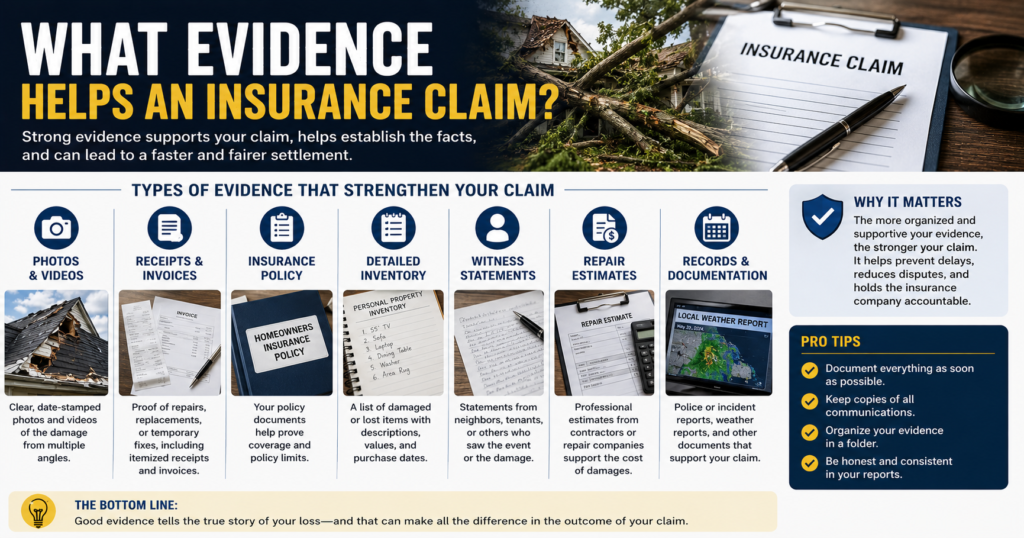
When questions arise regarding responsibility, documentation often becomes extremely important.
Helpful evidence may include:
- Photographs
- Video footage
- Repair estimates
- Witness statements
The sooner evidence is collected, the easier it may be to understand what occurred.
Can Security Lighting Help?
Many driveway disputes involve nighttime activity.
Property owners often install additional lighting around:
- Driveways
- Gates
- Access points
- Parking areas

Many homeowners use Solar Motion Security Lights because they can improve visibility without requiring extensive electrical work.
Improved visibility can also make security footage more useful.
Why Documentation Matters
When disagreements occur, documentation often becomes one of the most valuable tools available.
Helpful records may include:
- Surveys
- Easement documents
- Property records
- Photographs
- Videos
- Correspondence
Many disputes become easier to understand when reliable documentation exists.
Communication Often Solves Problems Early
Not every driveway issue requires legal action.
Many disputes begin with misunderstandings involving:
- Property boundaries
- Access rights
- Parking
- Maintenance
Open communication may help resolve problems before they become larger conflicts.
That does not mean every disagreement will be solved easily, but clear communication often helps property owners better understand the situation.
Driveway Disputes Often Lead to Larger Property Disputes
A disagreement about a driveway may eventually involve:
- Property lines
- Easements
- Trespassing claims
- Fence disputes
- Access rights
Because of this, resolving driveway issues early is often beneficial.
You may also find these articles helpful:
- How Do You Find Your Property Lines?
- Can Your Neighbor Build a Fence on the Property Line?
- What Is an Easement on Property?
Frequently Asked Questions
Can my neighbor legally use my driveway?
In many situations, neighbors do not automatically have the right to use another person’s driveway. However, easements, shared-driveway agreements, and other legal circumstances may affect the answer.
What is a shared driveway?
A shared driveway is a driveway used by multiple property owners, often through easement rights or other agreements.
Can I stop my neighbor from parking in my driveway?
The answer depends on ownership, easements, agreements, and the specific facts involved.
How do I know if an easement exists?
Property owners often review:
- Surveys
- Deeds
- Title documents
- Closing paperwork
- County records
to determine whether easements affect the property.
Can a neighbor gain rights by using a driveway for many years?
Long-term use may raise additional legal questions depending on state law and the specific circumstances involved.
What should I do if my neighbor damages my driveway?
Document the damage, gather evidence, and preserve records regarding what occurred.
Can security cameras help with driveway disputes?
Many property owners use security cameras to document activity occurring near driveways, entrances, and property boundaries.
Are driveway disputes common?
Yes. Driveway disputes are among the more common disagreements involving neighboring property owners.
Important Information
This article is provided for educational and informational purposes only and should not be considered legal advice. Property laws vary by state and individual circumstances. Consult a qualified attorney, surveyor, title professional, or other expert regarding your specific situation.
For more information about our content standards, visit our Editorial Policy and Fact-Checking Policy pages.
About the Author
Sarah Reynolds is a legal research contributor for Legal Know It All who focuses on property rights, neighbor disputes, real estate issues, and practical legal topics affecting homeowners. She researches common property-related legal questions and explains complex concepts in a way that is easy for everyday readers to understand.
As an Amazon Associate we earn from qualifying purchases through some links in our articles. Learn more.