
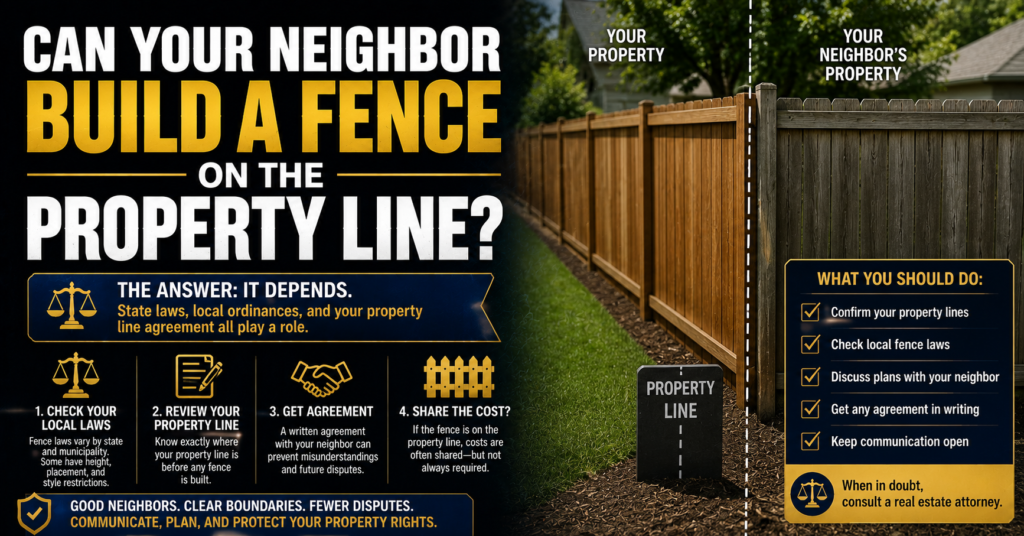
Fences are one of the most common causes of disputes between neighbors.
What starts as a simple weekend project can quickly become a disagreement about property boundaries, ownership rights, maintenance responsibilities, and local regulations.
Many homeowners are surprised to learn that the answer is not always as simple as yes or no.
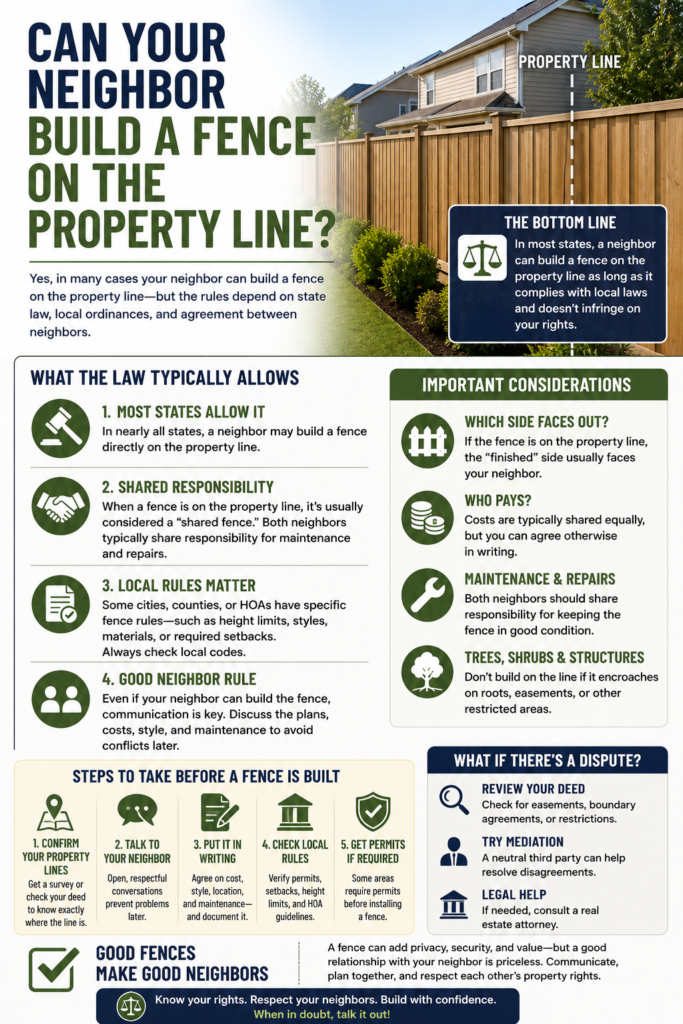
Whether a fence can be built directly on a property line often depends on local rules, property boundaries, easements, homeowner association requirements, and other factors.
Quick Answer
In some situations, a fence may be built on or near a property line. However, local ordinances, zoning regulations, HOA rules, easements, and property boundary issues can all affect what is allowed. Verifying the exact property line before construction is often one of the most important steps.
Why Property Lines Matter Before Building a Fence
Many fence disputes begin because someone assumes they know where the property line is located.
Unfortunately, assumptions are not always correct.
Property owners frequently rely on:
- Existing fences
- Tree rows
- Landscaping
- Mowing patterns
None of these automatically establish a legal property boundary.
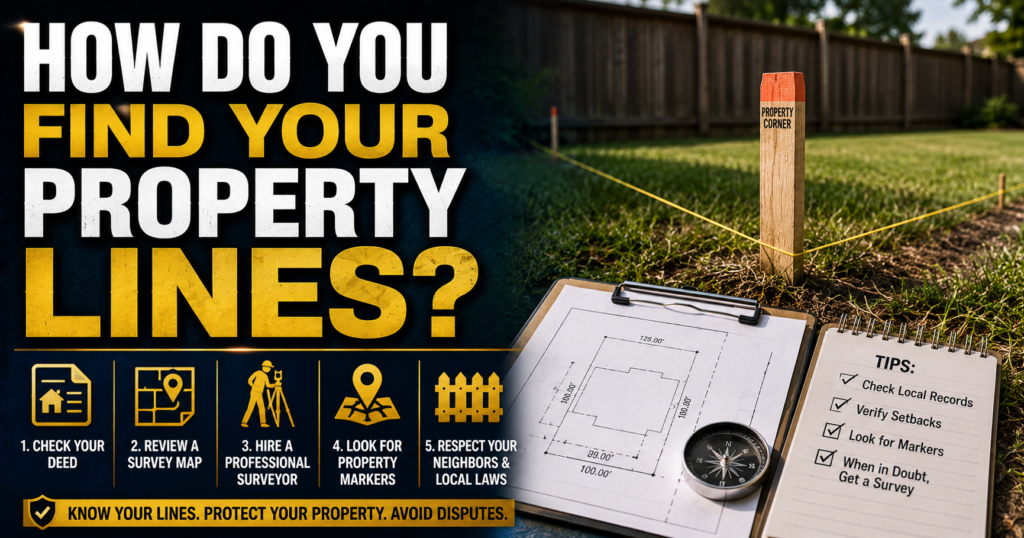
Before discussing fence placement, it is important to determine where the actual property line is located.
You may also find helpful information in:
How Do You Find Your Property Lines?
What Happens If the Fence Is Built in the Wrong Place?
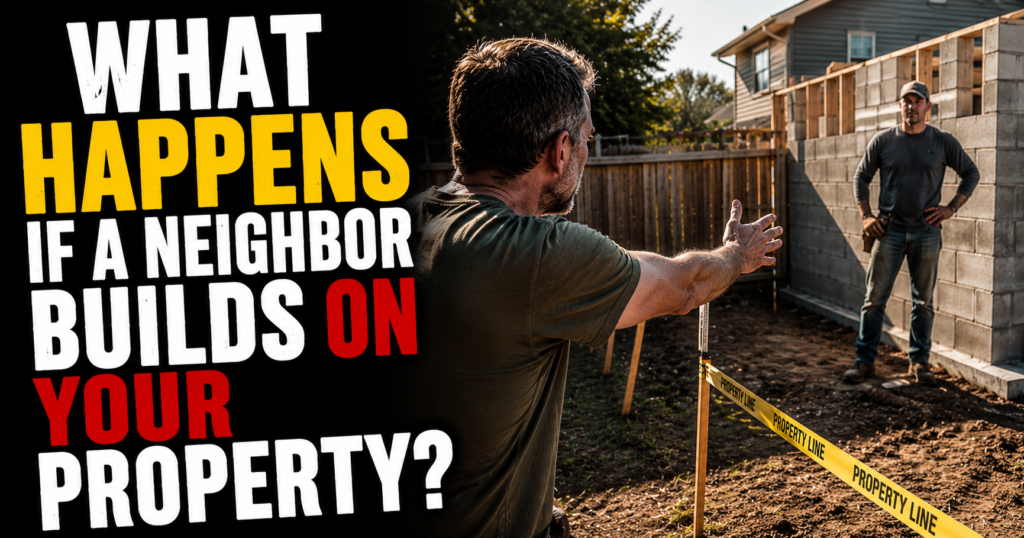
A fence that crosses onto another person’s property can create serious problems. The broader boundary and encroachment issues that may follow are addressed in What Happens If a Neighbor Builds on Your Property?.
Potential issues include:
- Boundary disputes
- Encroachments
- Property damage claims
- Fence removal costs
- Neighbor conflicts
Correcting a fence after it has been installed is often far more expensive than verifying the property line beforehand.
Property Surveys Can Prevent Expensive Mistakes
Many fence disputes could have been avoided with accurate survey information.
Property owners often review:
- Surveys
- Legal descriptions
- Property records
- Boundary markers
before construction begins.
The cost of confirming a property boundary is often much less than the cost of resolving a dispute later.

Why Homeowners Mark Property Corners
Property corners can become difficult to locate over time.
Markers may become:
- Buried
- Covered by grass
- Hidden by landscaping
- Disturbed during construction

Many property owners install Permanent Property Line Markers after confirming boundaries so corners remain easier to identify in the future.
Shared Fences Can Create Additional Questions
When a fence sits directly on a boundary line, questions often arise regarding:
- Ownership
- Maintenance
- Repairs
- Replacement costs
The answers vary significantly depending on local laws and the arrangement between neighbors.
For that reason, clear communication before construction begins is often extremely helpful.
Security Is One Reason Many Homeowners Install Fences
Privacy and security are among the most common reasons homeowners decide to install fencing.
Many property owners also add:
- Security cameras
- Motion lighting
- Property markers
to help monitor boundary areas.
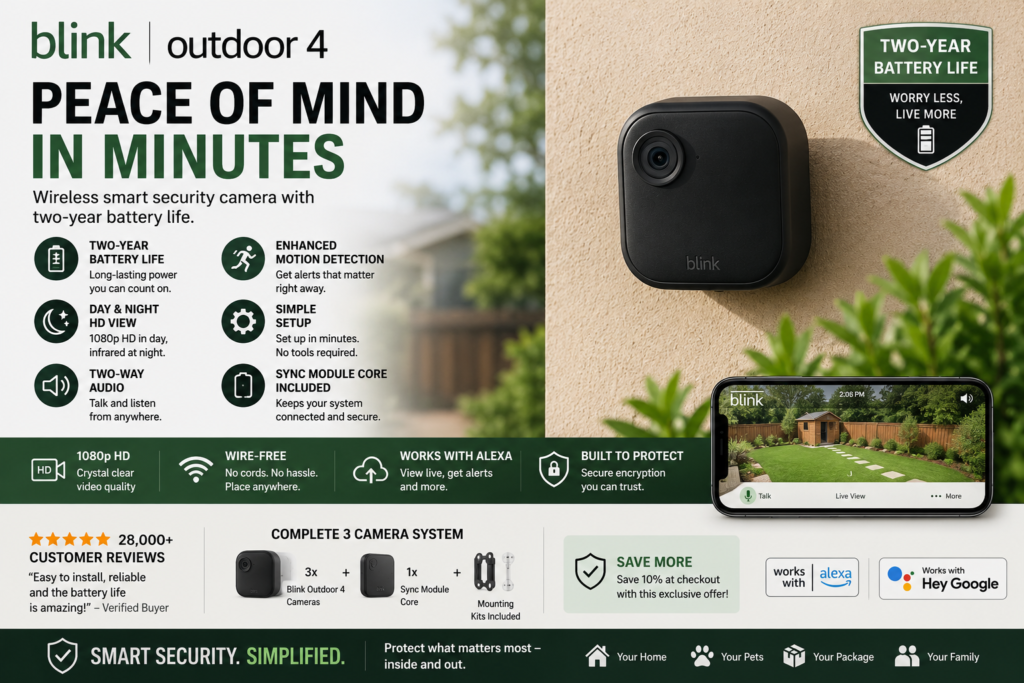
Popular options include the Blink Outdoor Security Camera System and Solar Motion Security Lights for monitoring fence lines, driveways, and property entrances.
Fence Disputes Are Easier to Prevent Than Resolve
Once a fence has been installed, disagreements often become more complicated.
Verifying property boundaries, understanding local requirements, and communicating with neighbors before construction begins can help prevent many common fence disputes.

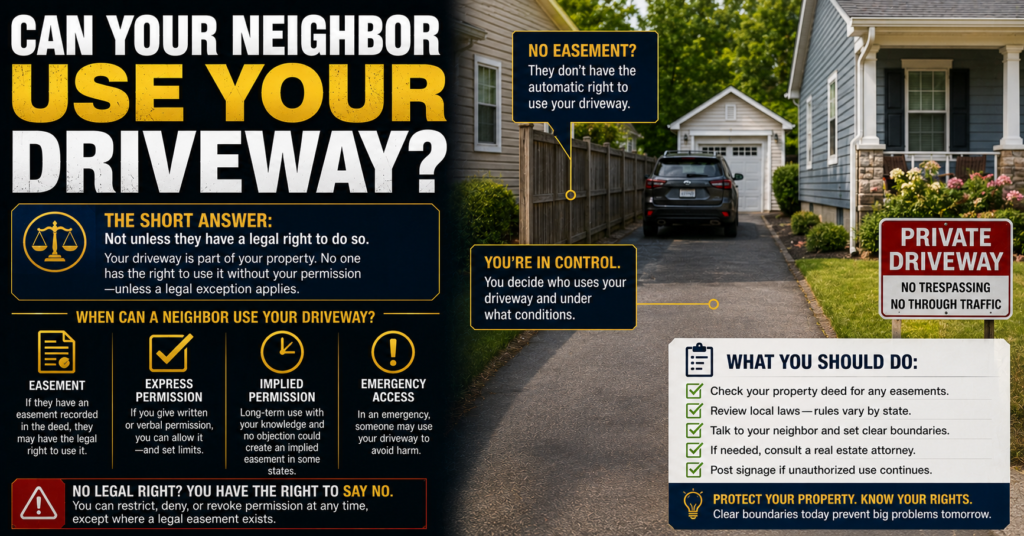
Good Information Is Better Than Assumptions
Many of the most expensive neighbor disputes begin with assumptions about where a property line exists.
Taking the time to verify boundaries before building can help protect property rights, avoid conflict, and prevent costly mistakes.
What If There Is an Easement on the Property?
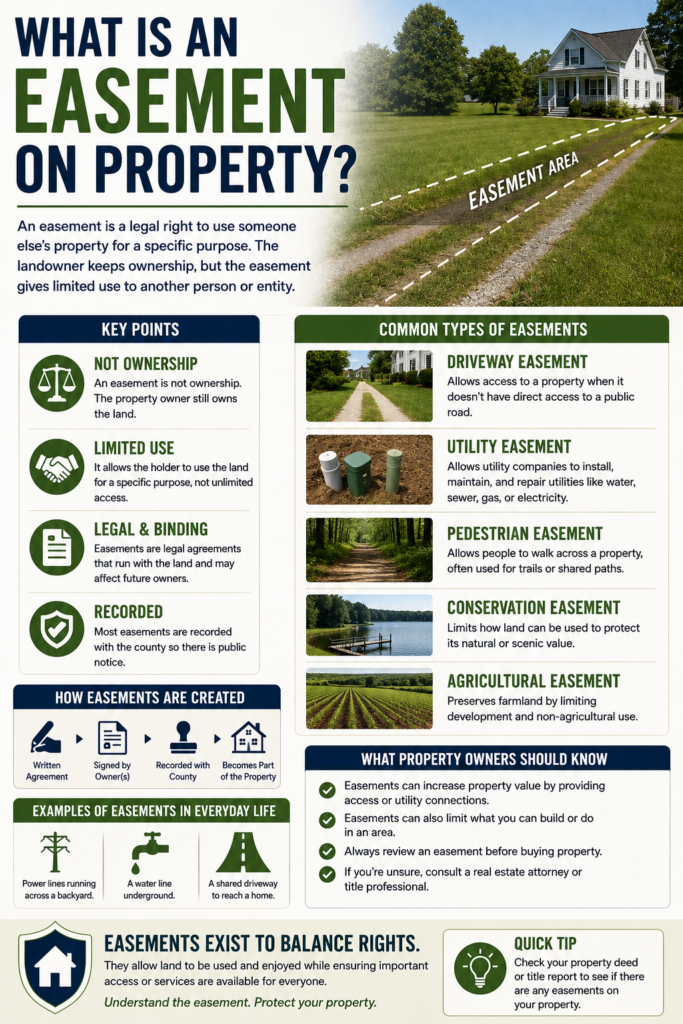
Easements can complicate fence projects. Understanding What Is an Easement on Property? can help explain why a fence may be restricted even when it appears to be within the property boundary.
An easement gives another party certain rights to use a portion of the property for a specific purpose.
Common examples include:
- Utility easements
- Drainage easements
- Access easements
- Shared driveway easements
Building a fence in an easement area can sometimes create problems, even if the fence is located on your own property.
Before construction begins, it is often wise to review property records and survey documents for any easements that may affect the project.
What Is an Encroachment?
An encroachment occurs when a structure extends onto someone else’s property.
Examples may include:
- Fences
- Garages
- Sheds
- Retaining walls
- Driveways
A fence that crosses a property line may be considered an encroachment depending on the circumstances.
This is one reason accurate boundary information is so important before construction begins.
Can HOA Rules Affect Fence Placement?
Absolutely.
Many homeowners live in neighborhoods governed by homeowner associations.
HOAs often regulate:
- Fence height
- Fence materials
- Fence colors
- Fence placement
- Approval requirements
Even when a fence complies with local laws, HOA requirements may still apply.
Homeowners should review HOA rules before beginning construction.
You may also find useful information in our HOA Rules category.
What If Your Neighbor Objects to the Fence?
Not every objection automatically prevents a fence from being built.
However, concerns from a neighbor should not be ignored.
Sometimes objections arise because of:
- Boundary disagreements
- Easement issues
- Visibility concerns
- Maintenance questions
- Existing structures
Open communication often resolves misunderstandings before they become larger disputes.
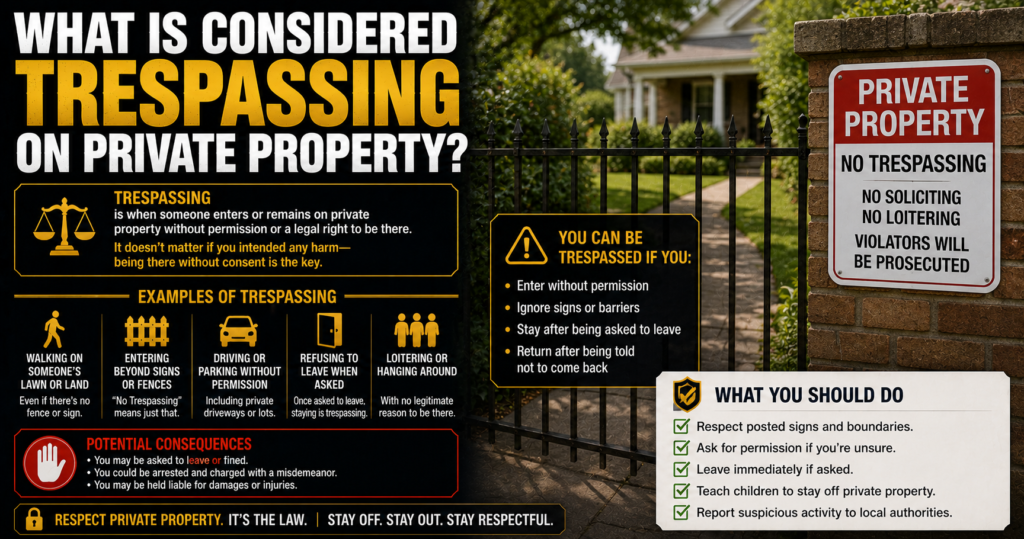
Can a Fence Lead to Trespassing Disputes?
Sometimes.
Property owners often install fences to establish clear boundaries and discourage unwanted access.
When disputes arise regarding property boundaries, trespassing concerns may follow.
Some homeowners choose to install additional monitoring around fence lines.
Popular options include:
- Security cameras
- Motion lighting
- Trail cameras

Many property owners use a 4K Trail Camera in areas where traditional security cameras may not be practical.
Can Security Cameras Help During Fence Disputes?
In some situations, yes.
Video footage may help document:
- Property damage
- Trespassing incidents
- Fence vandalism
- Unauthorized access
Many homeowners use the Blink Outdoor Security Camera System to monitor driveways, fence lines, gates, and other areas near property boundaries.
The goal is not to create conflict but to document events if problems arise later.
Exterior Lighting Can Improve Property Security
Fence projects often go hand in hand with security improvements.
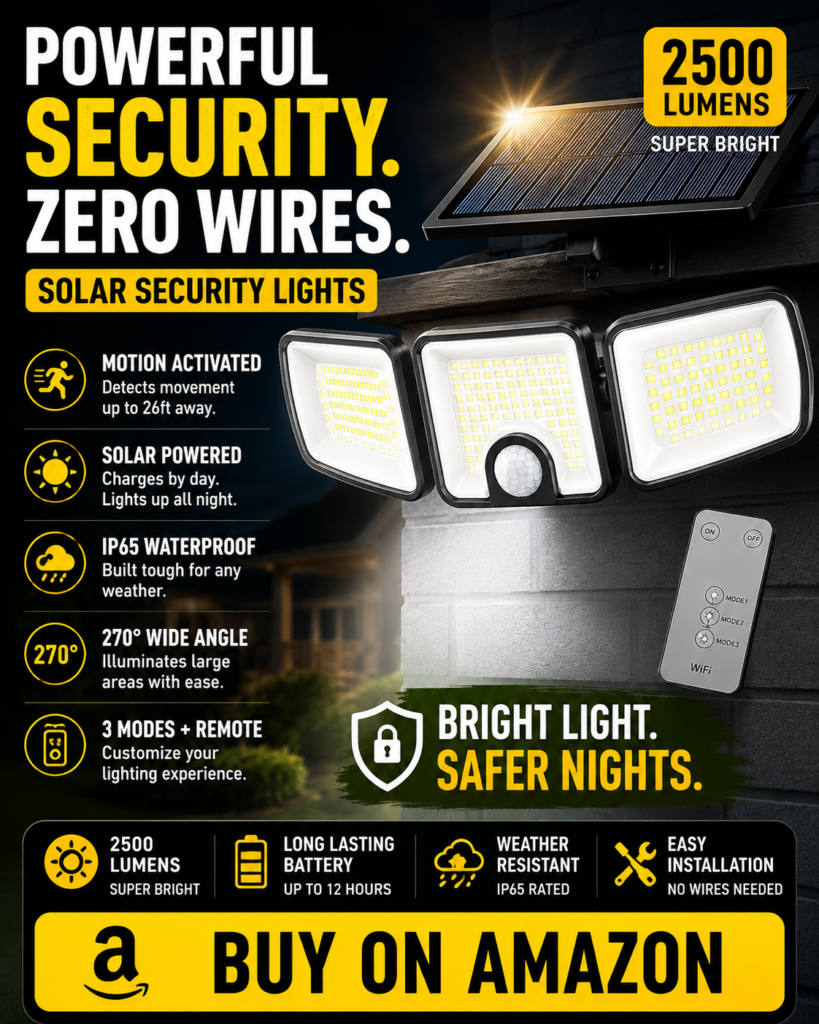
Many property owners install Solar Motion Security Lights around:
- Fence lines
- Gates
- Side yards
- Driveways
- Detached buildings
Improved visibility can help deter unwanted activity and make monitoring easier.
Frequently Asked Questions
Can my neighbor build a fence directly on the property line?
In some situations, yes. However, local ordinances, HOA rules, easements, and property boundary issues may affect what is permitted.
How do I know where the property line is?
Property owners often use surveys, legal descriptions, county records, and boundary markers to identify property lines.
You may also find helpful information in:
How Do You Find Your Property Lines?
What happens if a fence crosses onto my property?
Depending on the circumstances, a fence crossing a property boundary may create an encroachment issue that could require resolution.
Can I remove my neighbor’s fence if it is on my property?
The answer depends on state law, local regulations, and the specific facts involved. Property owners should be cautious before taking action involving another person’s property.
Who pays for a fence on the property line?
The answer varies based on local laws and any agreements between neighbors.
Can an HOA stop me from building a fence?
Many HOAs regulate fence construction and may require approval before installation.
Do I need a survey before building a fence?
Not always, but surveys can help prevent costly mistakes and disputes.
Can security cameras help protect my property?
Many homeowners use security cameras, trail cameras, and motion lighting to monitor property boundaries and document activity around fence lines.
Important Information
This article is provided for educational and informational purposes only and should not be considered legal advice. Property laws, fence regulations, HOA rules, and zoning requirements vary by state, county, city, and individual circumstances. Consult a qualified attorney, surveyor, or other professional regarding your specific situation.
For more information about our content standards, visit our Editorial Policy and Fact-Checking Policy pages.
About the Author
Sarah Reynolds is a legal research contributor for Legal Know It All who focuses on property rights, neighbor disputes, real estate issues, and practical legal questions affecting homeowners. She researches property ownership topics and helps explain complex legal concepts using clear, easy-to-understand language.
As an Amazon Associate we earn from qualifying purchases through some links in our articles. Learn more.