
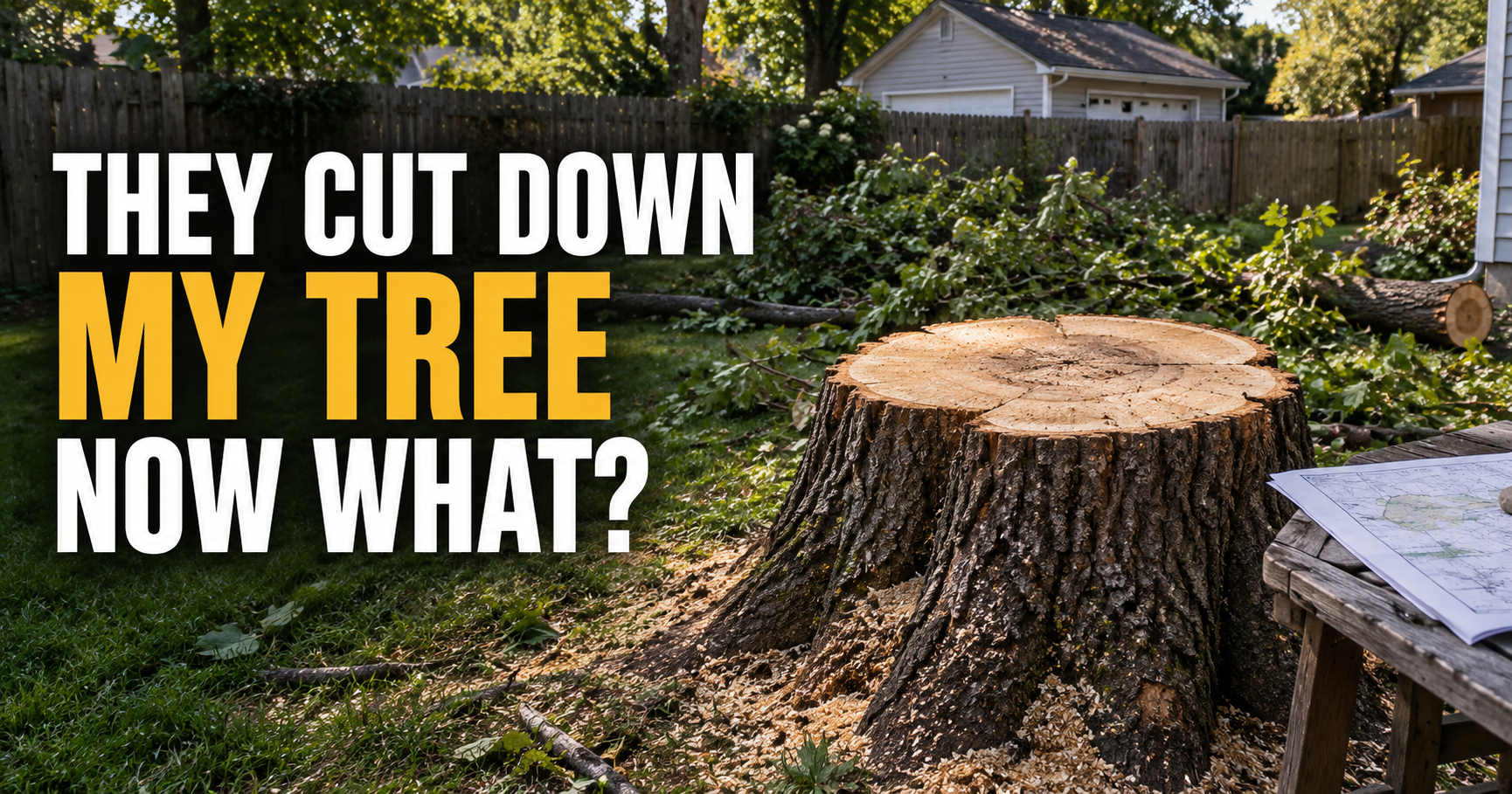
Walking outside to find your tree missing is enough to make anyone’s stomach drop.
Maybe you came home from work and discovered nothing but a fresh stump. Maybe your neighbor hired a tree service while you were away. Or maybe a tree you’ve cared for over the years suddenly disappeared because someone decided it was in the way.
I’ve found that few neighbor disputes create more frustration than this one. Trees aren’t just landscaping. They add shade, privacy, beauty, and often significant value to your property.
So what happens if your neighbor cuts one down without asking?
The answer depends on several important facts, but in many situations, homeowners may have legal options when someone removes or seriously damages a tree they didn’t own.
Quick Answer
If your neighbor intentionally or negligently cut down a tree that belonged to you without permission, you may have grounds to seek compensation. The outcome often depends on where the tree was located, who owned it, why it was removed, and the laws in your state.
The First Question Is Simple
Whose Tree Was It?
Everything starts with ownership.
Many people assume the person who disliked the tree gets to decide what happens to it.
That isn’t how property law usually works.
If the trunk was entirely on your property, the tree generally belongs to you. If ownership is disputed because the trunk sits on or near the property line, things can become much more complicated.
Before assuming anyone was in the wrong, make sure you actually know where your property boundary is.
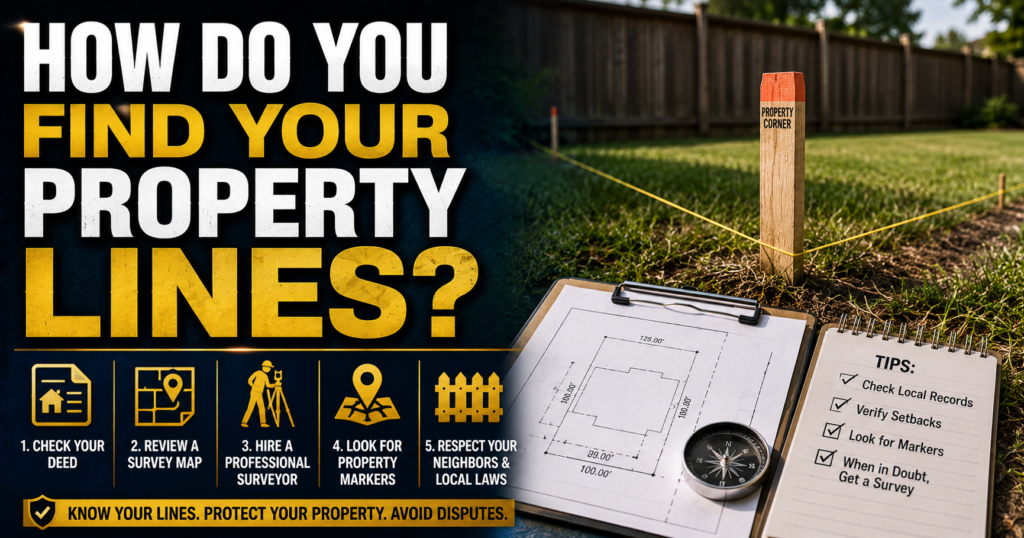
If you’ve never verified it, our guide on how to find your property lines explains several ways homeowners can determine where their property legally begins and ends.
Why Someone Cuts Down a Neighbor’s Tree
Not every situation involves someone acting maliciously.
I’ve seen disputes begin because a neighbor believed:
- The tree was dangerous.
- Branches were damaging their home.
- The tree was actually on their property.
- A contractor removed the wrong tree.
- They misunderstood where the property line was.
The reason matters because courts often look at whether the removal was intentional, accidental, negligent, or based on an honest mistake.
A Healthy Tree Can Be Worth Much More Than You Think
Many homeowners are surprised to learn that mature trees can have significant value.
It’s easy to think of a tree as just another part of the yard.
In reality, replacing a mature oak, maple, walnut, or other established tree isn’t as simple as buying a new sapling from a nursery.
Depending on the species, size, location, and condition, the financial loss can be substantial.
That’s one reason tree disputes sometimes become expensive lawsuits.
Don’t Assume They Had the Right Because Branches Crossed the Property Line
One misconception I hear all the time is that if branches hung over a neighbor’s yard, they had the right to remove the entire tree.
Generally speaking, that’s not true.
In many situations, homeowners may have the right to reasonably trim branches extending onto their property, but that doesn’t usually give them permission to remove the entire tree.
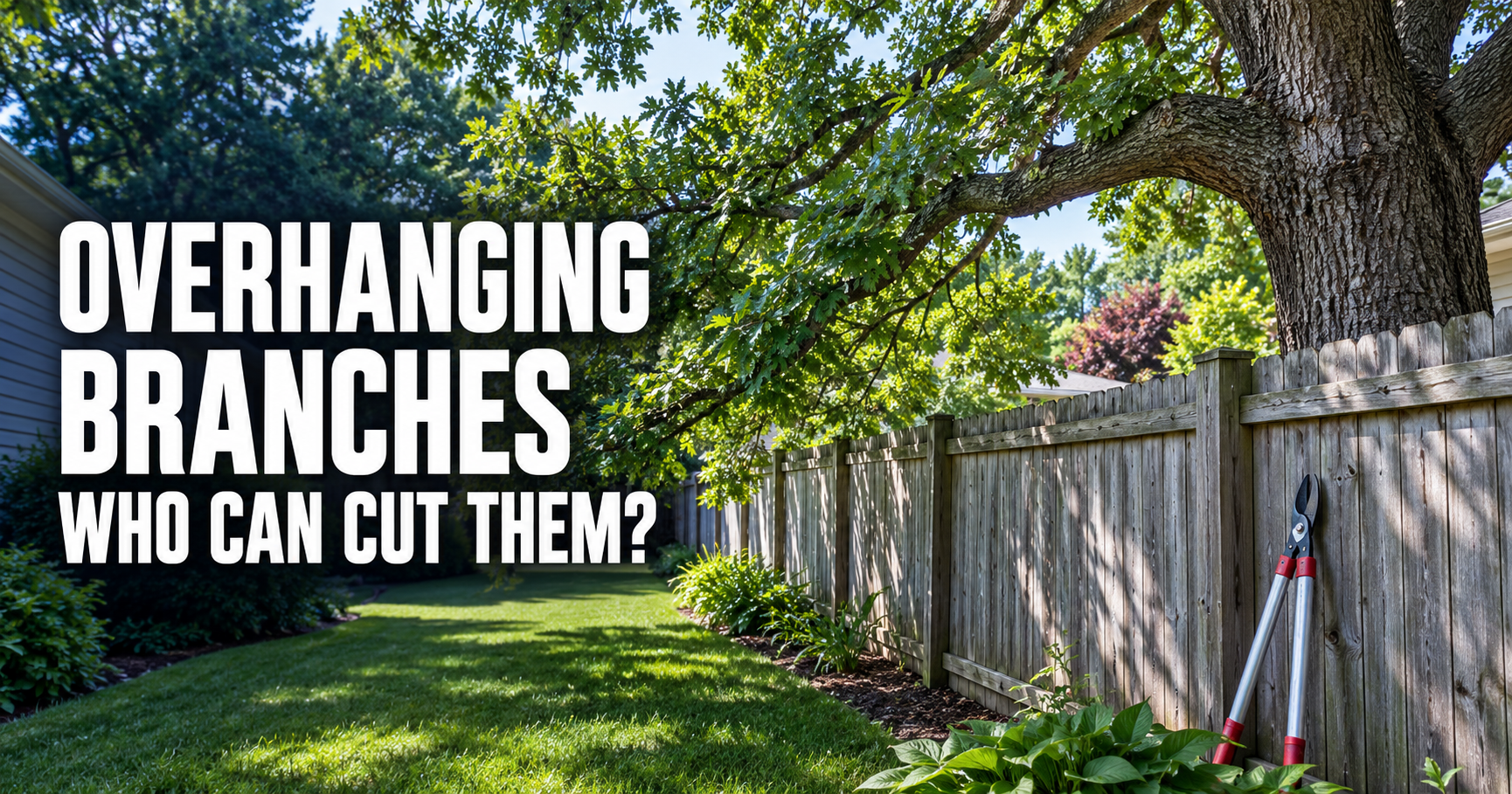
If you’re wondering where that line is, our guide explaining can I cut tree branches overhanging my property walks through what homeowners can generally do and where legal problems often begin.
Gather Evidence Immediately
If you discover your tree has been cut down, don’t assume you’ll remember every detail later.
I’ve found it’s much easier to deal with these disputes when you gather evidence right away.
Take photographs from multiple angles.
Photograph the stump.
Save older photos showing the tree before it was removed.
If contractors performed the work, write down the company name if you know it.
If neighbors witnessed what happened, ask whether they’d be willing to describe what they saw.
The more information you preserve early, the easier it may be to establish what actually happened.
Property Line Disputes Often Become the Real Issue
Sometimes everyone agrees the tree was cut down.
The disagreement is over whose property it was actually standing on.
That’s why boundary disputes frequently become part of tree lawsuits.
If your neighbor insists the tree was theirs because they believe the property line is somewhere different, resolving the boundary question often becomes just as important as proving who cut the tree.
Our article about whether a neighbor can claim part of your property explains how disagreements over ownership sometimes grow into much larger legal disputes.
Can You Recover More Than Just the Cost of the Tree?
Many homeowners assume that if they win a lawsuit, they’ll only receive the cost of buying a new tree from a local nursery.
I’ve found that’s often not how these cases are evaluated.
A mature tree may have taken decades to grow. Simply planting a six-foot replacement rarely puts the property back in the same position it was before.
Depending on the facts and the laws in your state, courts may consider factors such as the tree’s size, species, condition, location, and the impact its removal had on the property’s value or appearance.
That’s one reason it’s important not to immediately assume your loss is limited to the price of a young replacement tree.

What If a Tree Company Cut Down the Wrong Tree?
Sometimes your neighbor never touched the chainsaw.
Instead, they hired a tree service that accidentally removed the wrong tree.
When that happens, the situation can become more complicated because there may be multiple parties involved.
Questions often include:
- Who instructed the company?
- Did the contractor remove the correct tree?
- Was the property line identified correctly?
- Did anyone verify ownership before beginning the work?
I’ve found that mistakes like this often happen because everyone assumed they knew where the property boundary was without actually confirming it.
Don’t Wait Too Long to Protect Your Rights
If your tree was removed without your permission, don’t put the issue off for months hoping it will simply resolve itself.
Photograph the area before anything changes.
Save older pictures showing the tree if you have them.
Keep copies of estimates, receipts, written conversations, emails, or text messages discussing the removal.
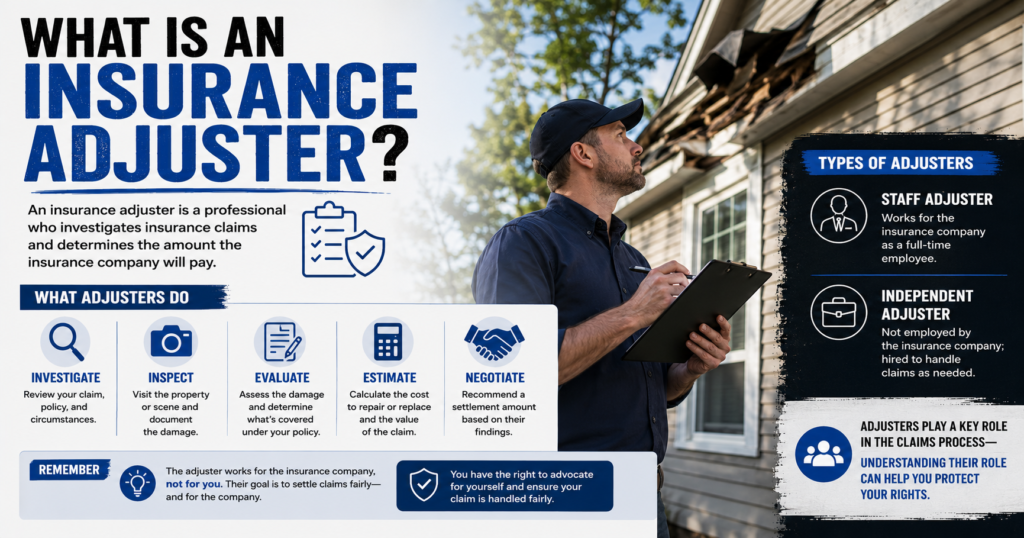
Good documentation can make an enormous difference if the disagreement eventually reaches an insurance company or a courtroom.
Can You Call the Police?
People often ask whether cutting down someone else’s tree is automatically a criminal matter.
In many situations, these disputes are handled as civil property disputes rather than criminal cases.
However, intentionally entering someone else’s property and destroying valuable property could potentially involve criminal laws in some circumstances depending on the facts and state law.
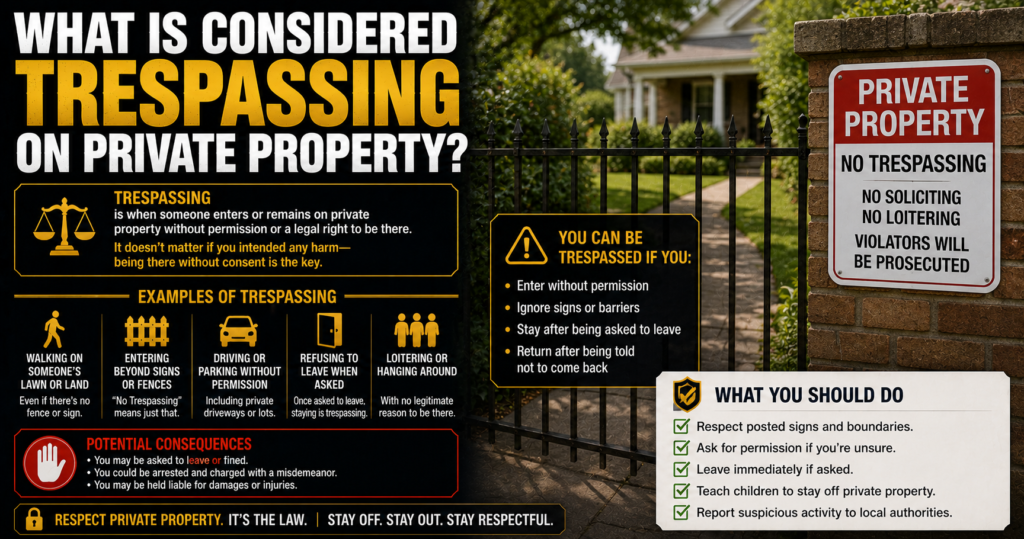
If your neighbor entered your property without permission to remove the tree, you may also want to understand what is considered trespassing on private property because that issue sometimes becomes part of the overall dispute.
What If the Tree Was Already Dead?
Dead, diseased, or hazardous trees can create additional legal questions.
A neighbor generally doesn’t gain the right to remove your tree simply because they believe it’s unhealthy.
On the other hand, property owners also have responsibilities when they know a dangerous tree poses an unreasonable risk to others.
Whether the tree was healthy, dying, or already dead may become an important part of determining who was responsible and whether removing it was justified.
Common Misconceptions About Tree Lawsuits
One misconception is that a neighbor can remove any tree they don’t like if part of it hangs over their property.
Another is that homeowners can never recover damages because “it’s just a tree.”
Neither assumption is usually correct.
Tree disputes often involve questions about ownership, property boundaries, negligence, trespassing, and the value of the tree itself. Every case depends on its own facts, which is why documenting what happened is so important.
Frequently Asked Questions
Can I sue my neighbor for cutting down my tree?
In many situations, yes. If your neighbor removed a tree that belonged to you without permission, you may have legal options. The outcome often depends on ownership, property boundaries, and your state’s laws.
What if my neighbor says they thought the tree was theirs?
Boundary disputes happen more often than many people realize. If ownership is unclear, a survey and other evidence may be necessary to determine who actually owned the tree.
What if only the branches were hanging over their property?
That doesn’t necessarily give someone the right to remove the entire tree. In many states, homeowners may be allowed to trim overhanging branches, but removing the tree altogether is a very different issue. Learn more in Can I Cut Tree Branches Overhanging My Property?.
Should I hire an arborist?
For valuable or mature trees, an arborist can often help document the tree’s condition, species, and estimated value. That information may become important if damages are later disputed.
What if we disagree about where the property line is?
Resolving the boundary may become the first step. Our guide on how to find your property lines explains several ways homeowners can verify where their property legally begins and ends.
Important Information
This article is provided for general educational purposes only and should not be considered legal advice. Property laws, tree ownership rules, trespassing laws, and available legal remedies vary by state. If someone has removed a tree from your property or you believe your legal rights have been violated, consider consulting a licensed attorney in your jurisdiction.
About the Author
Ryan Caldwell is a property rights researcher and homeowner legal writer for Legal Know It All. He specializes in explaining neighbor disputes, property boundaries, easements, trespassing, and homeowner rights in plain, easy-to-understand language so readers can better protect their property and avoid costly legal conflicts.