
Most property owners understand that strangers generally cannot simply enter private property whenever they want.
However, many people are surprised to learn that trespassing situations are not always as obvious as they seem.
Questions often arise involving:
- Neighbors
- Delivery drivers
- Utility workers
- Hunters
- Hikers
- Former guests
- People using shortcuts
Property owners frequently wonder where the line exists between lawful access and trespassing. That question is also central to Can Someone Walk Across Your Property?, which examines when crossing private land may be allowed.
The answer depends on the circumstances and the laws that apply where the property is located.
Quick Answer
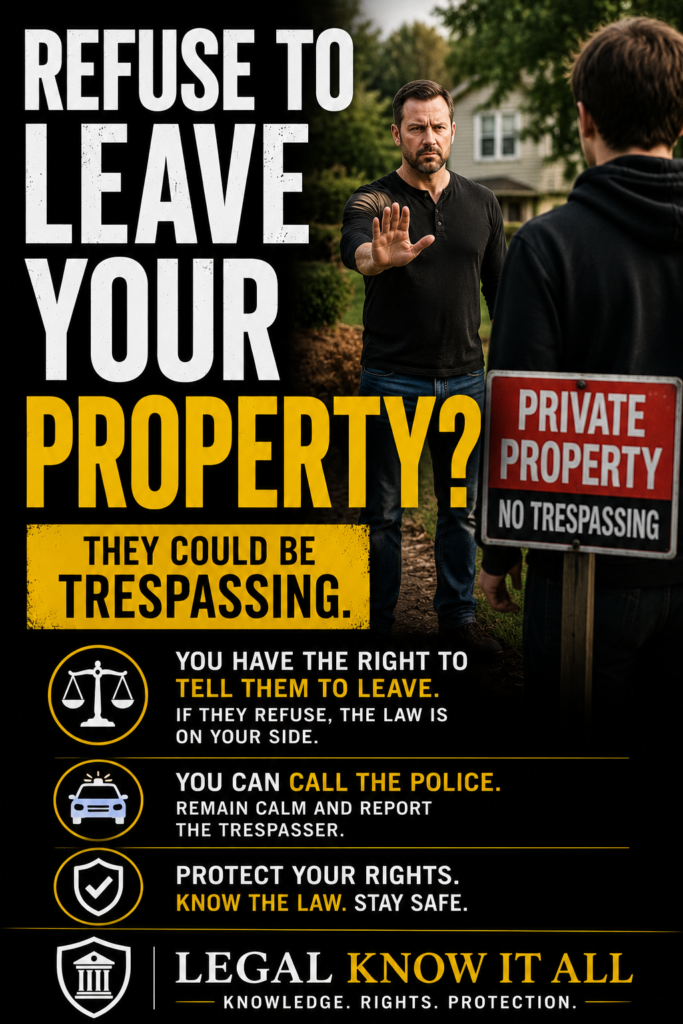
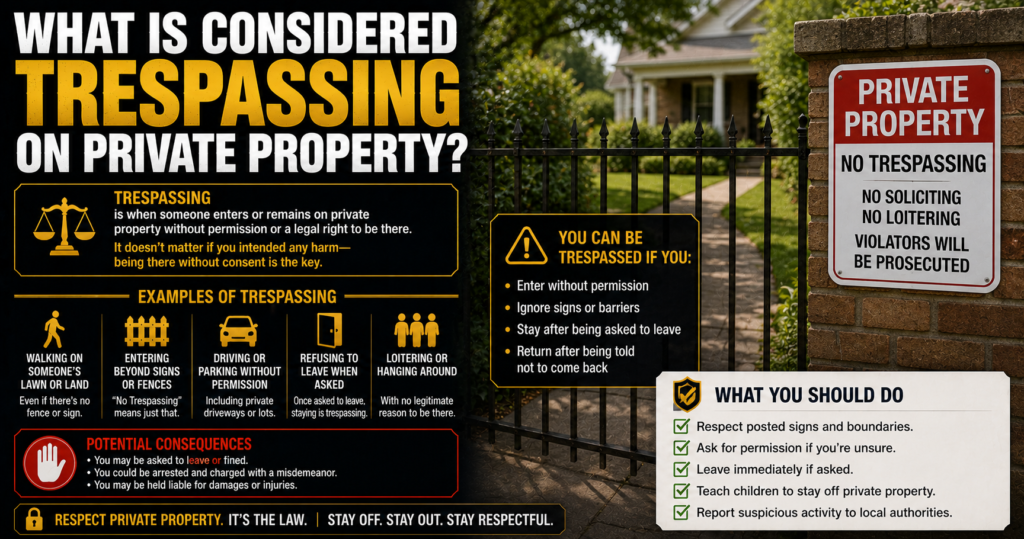
Trespassing generally involves entering or remaining on private property without permission or legal authority. Exact rules vary by state, but trespassing disputes commonly involve unauthorized entry, refusal to leave, property boundary issues, and access disputes. When unauthorized entry develops into a refusal to leave, What Happens If Someone Refuses to Leave Your Property? addresses the circumstances that may matter.
Why Trespassing Disputes Are So Common
Many trespassing disputes happen because people have different assumptions about property rights.
Examples include:
- A neighbor cutting across a yard
- Someone using a private driveway
- Hunters entering private land
- Visitors refusing to leave
- Individuals crossing property lines
What seems harmless to one person may be viewed very differently by the property owner.
Property Boundaries Matter
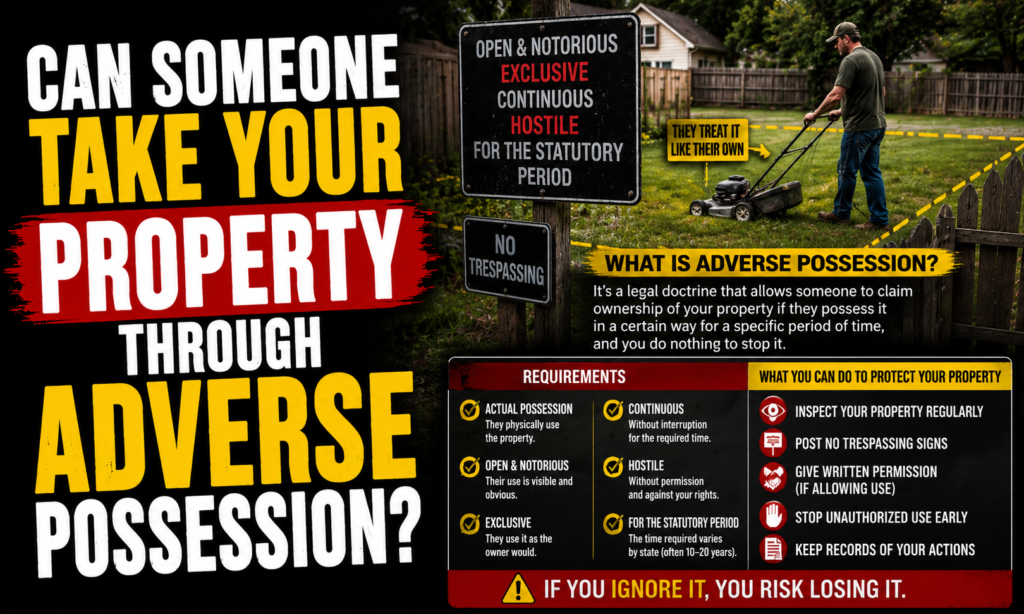
Before addressing a trespassing issue, it is important to understand exactly where property boundaries are located. Boundary uncertainty can also matter in disputes involving Can Someone Take Your Property Through Adverse Possession?.
Many disputes occur because someone mistakenly believes they are on their own property when they are not.
If you are unsure where your property begins and ends, you may find helpful information in:
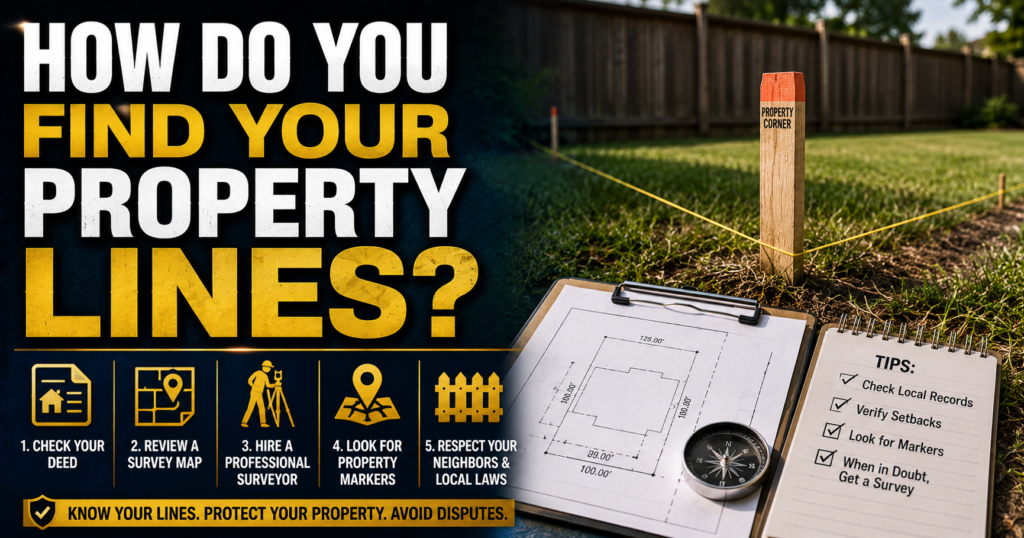
How Do You Find Your Property Lines?
Clearly identified property boundaries often help prevent misunderstandings.

Many property owners install Permanent Property Line Markers after confirming boundaries so corners remain easier to identify.
Entering Property Without Permission
One of the most common examples of trespassing involves entering private property without permission.
Examples may include:
- Walking through a backyard
- Entering fenced property
- Crossing private land
- Using private roads
- Accessing restricted areas
Whether the conduct qualifies as trespassing depends on the circumstances and applicable laws.



Remaining on Property After Being Told to Leave
Trespassing issues do not always begin with unauthorized entry.
Sometimes a person initially enters property lawfully but later refuses to leave.
Examples may include:
- Guests
- Visitors
- Former tenants
- Customers
- Acquaintances
When permission is withdrawn, remaining on the property may create different legal issues depending on the circumstances.
Does a Fence Automatically Prevent Trespassing?
Fences often help establish boundaries, but they do not automatically eliminate trespassing concerns.
Property owners install fences for many reasons:
- Privacy
- Security
- Pet containment
- Property protection
You may also find useful information in:
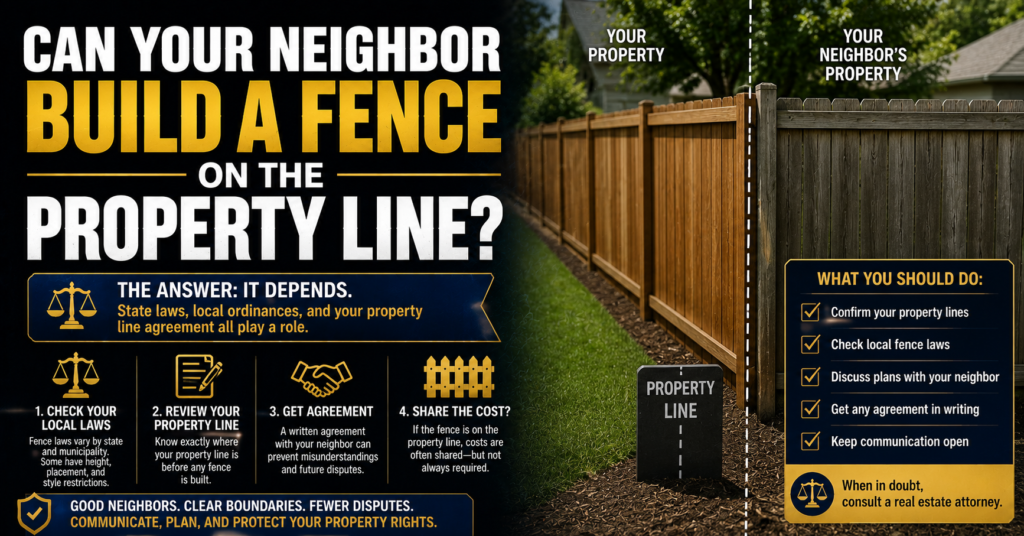
Can Your Neighbor Build a Fence on the Property Line?
Understanding where the fence is located relative to the actual property line is often important.
Easements Can Create Exceptions
Not every person entering your property is necessarily trespassing.
Some properties contain easements that grant specific access rights.
Examples include:
- Utility easements
- Shared driveway easements
- Access easements
- Right-of-way easements
For a detailed explanation, see:
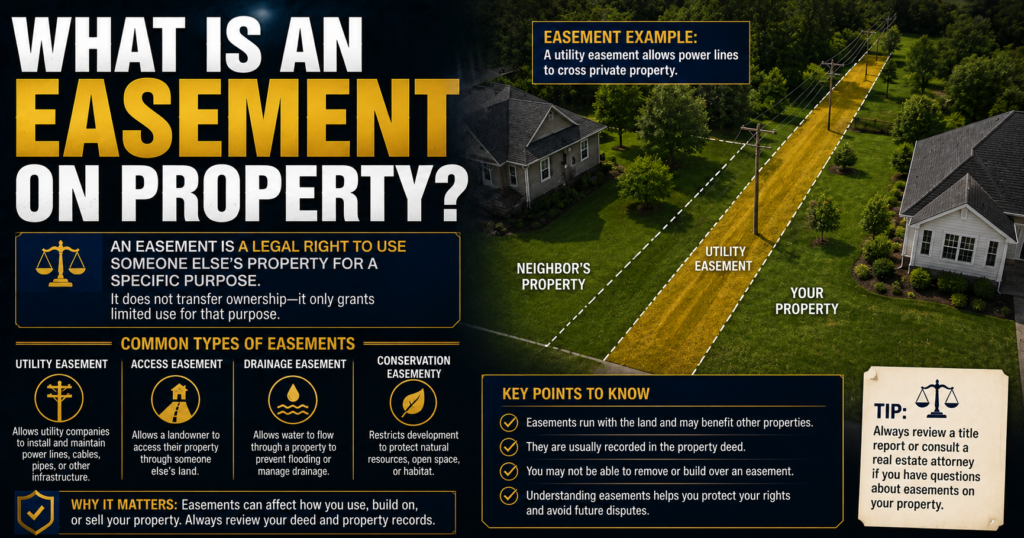
What Is an Easement on Property?
This is one reason property owners should understand whether easements affect their land before assuming someone is trespassing.
Driveway Disputes Frequently Lead to Trespassing Questions
Many property owners first encounter trespassing concerns when dealing with driveway access.
Common situations include:
- Neighbors using a driveway
- Unauthorized parking
- Vehicles crossing private property
- Shared access disputes
You may also find helpful information in:
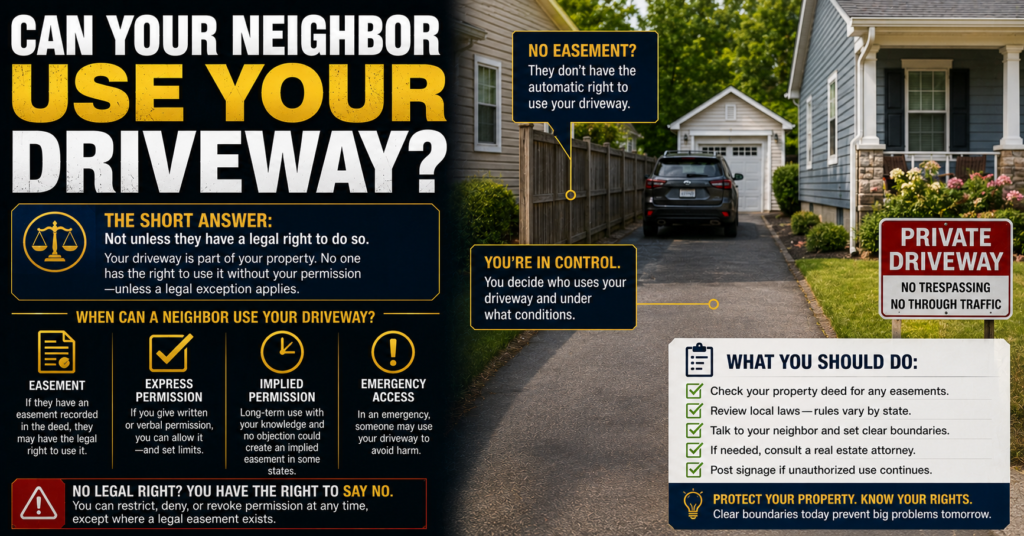
Can Your Neighbor Use Your Driveway?
Understanding the difference between authorized access and unauthorized use is often key to resolving these situations.
Security Cameras Can Help Document Activity
When property owners experience repeated access problems, documentation can become important.

Many homeowners use the Blink Outdoor Security Camera System to monitor:
- Driveways
- Gates
- Property entrances
- Side yards
- Access points
Video footage may help establish what occurred if questions arise later.
Remote Areas Can Be Difficult to Monitor
Large rural properties, wooded acreage, hunting land, and undeveloped parcels can be challenging to monitor.
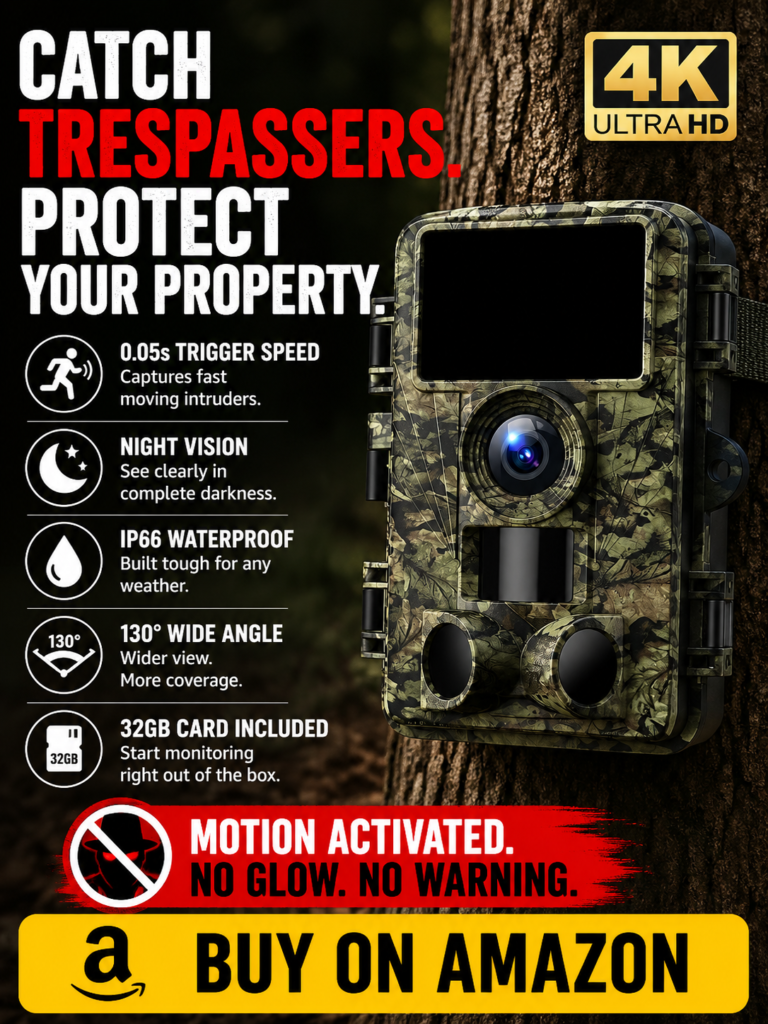
Many property owners use a 4K Trail Camera to document activity occurring in remote areas where traditional security cameras may not be practical.
Understanding Property Rights Is the First Step
Trespassing disputes are often easier to address when property owners understand:
- Property boundaries
- Easements
- Access rights
- Neighbor relationships
The more information available, the easier it becomes to determine whether a particular situation may involve trespassing.
Do You Need No Trespassing Signs?
Many property owners assume that trespassing laws only apply if a sign is posted.
That is not always true.
Whether signs are required can depend on:
- State law
- Local regulations
- Property type
- Circumstances of the entry
Even when signs are not legally required, they can still be helpful because they clearly communicate that the property is private.
Signs may also help reduce misunderstandings involving visitors, hunters, hikers, and neighbors.
Many property owners install Reflective No Trespassing and Video Surveillance Signs near entrances, gates, driveways, and property boundaries.
What About Neighbors Who Cut Across Your Property?
This is one of the most common complaints property owners have.
Examples include:
- Walking across a yard
- Using a shortcut
- Crossing fields
- Accessing neighboring property through your land
Some people view these actions as harmless.
Property owners often view them differently.
The challenge is that repeated access can sometimes create larger disputes involving property rights, boundaries, and access claims.
Addressing concerns early is often easier than waiting until a problem grows.
Are Hunters and Hikers Allowed on Private Property?
This depends on the circumstances and applicable laws.
Property owners frequently encounter concerns involving:
- Hunting
- Fishing
- Hiking
- ATV use
- Recreational access
Because laws vary significantly, it is important to understand the rules that apply where the property is located.
Many rural property owners use a 4K Trail Camera to monitor wooded areas, trails, field entrances, and other locations where unauthorized access may occur.
Can Delivery Drivers Enter Private Property?
In many situations, yes.
Property owners generally expect delivery drivers, mail carriers, utility personnel, and other authorized individuals to enter portions of the property necessary to perform their duties.
These situations are usually different from unauthorized access by strangers.
The specific circumstances often matter.
What If Someone Damages Property While Trespassing?
Property damage can significantly complicate a trespassing situation.
Examples include:
- Fence damage
- Landscaping damage
- Vehicle damage
- Crop damage
- Building damage
When damage occurs, documentation becomes extremely important.
Helpful evidence may include:
- Photographs
- Video footage
- Witness statements
- Repair estimates
The sooner evidence is preserved, the easier it may be to understand what occurred.
Can Security Lighting Help Protect Property?
Many property owners install additional lighting around:
- Driveways
- Gates
- Barns
- Outbuildings
- Fence lines
The goal is often to improve visibility and discourage unwanted activity.
Many homeowners use Solar Motion Security Lights because they can provide illumination without requiring extensive electrical installation.
Lighting can also improve the quality of security footage captured during nighttime hours.
Why Documentation Matters
When trespassing disputes occur, documentation is often one of the most valuable tools available.
Property owners frequently document:
- Dates
- Times
- Locations
- Vehicle information
- Photographs
- Video footage
The more accurate the records, the easier it may be to explain what happened if questions arise later.
Security Cameras Can Help Establish Facts
Many property owners install the Blink Outdoor Security Camera System to monitor entrances, driveways, gates, and other access points.
Video footage may help document:
- Unauthorized entry
- Property damage
- Vehicle activity
- Repeated access
The goal is not conflict but preserving evidence if needed.
Frequently Asked Questions
What is considered trespassing on private property?
Trespassing generally involves entering or remaining on private property without permission or legal authority.
Do I need a No Trespassing sign?
Not always. Requirements vary by state and situation, but signs can help communicate that property is private.
Can a neighbor walk across my property?
The answer depends on the circumstances, property rights, easements, and applicable laws.
Can hunters enter private property?
Rules vary by state, but unauthorized hunting activity on private land frequently creates trespassing concerns.
Are utility workers trespassing?
Not necessarily. Utility companies often have legal rights involving easements and access areas.
What if someone refuses to leave my property?
The specific legal implications depend on the circumstances and local laws.
Can security cameras help with trespassing issues?
Many property owners use cameras to document activity occurring around property entrances, driveways, and boundaries.
Can trail cameras be used on private property?
Many landowners use trail cameras to monitor remote areas, wooded property, hunting land, and other locations that are difficult to observe regularly.
Important Information
This article is provided for educational and informational purposes only and should not be considered legal advice. Trespassing laws vary by state, county, municipality, and individual circumstances. Property owners should consult qualified legal professionals regarding specific situations involving trespassing or property rights.
For more information about our content standards, visit our Editorial Policy and Fact-Checking Policy pages.
About the Author
Sarah Reynolds is a legal research contributor for Legal Know It All who focuses on property rights, neighbor disputes, real estate issues, and practical legal topics affecting homeowners. She researches common legal questions involving land ownership and helps explain complex legal concepts using straightforward language readers can easily understand.
As an Amazon Associate we earn from qualifying purchases through some links in our articles. Learn more.