
I’ve found that most property owners aren’t nearly as upset about an accident as they are about not knowing what to do next.
Maybe someone backed into a fence.
Maybe a vehicle tore through part of a yard.
Maybe a hunter damaged a gate.
Maybe a neighbor’s tree fell onto a structure.
Whatever the situation, most people immediately start asking the same questions:
Who is responsible?
How do I prove what happened?
What should I do first?
The answers often depend on the circumstances, but there are several important steps property owners commonly take after discovering damage.

Quick Answer
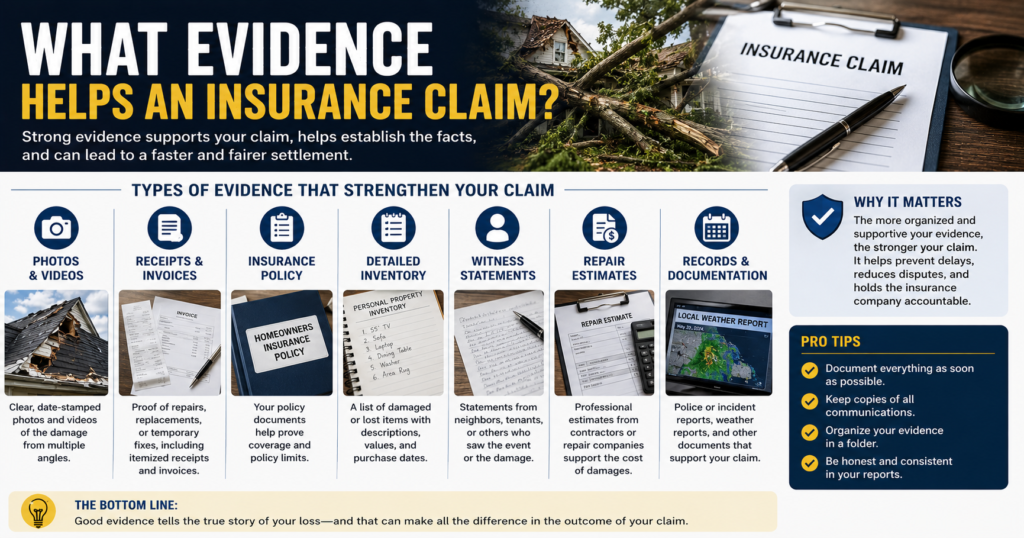
When someone damages private property, property owners often begin by documenting the damage, preserving evidence, identifying what happened, and reviewing available options. The specific rights and remedies available can depend on the facts involved and applicable laws. If the damage may lead to an insurance claim, What Evidence Helps an Insurance Claim? explains which records and documentation can be especially useful.
Property Damage Can Happen In Many Ways
When people hear the phrase property damage, they often picture a broken fence.
In reality, property damage can involve:
- Fences
- Gates
- Mailboxes
- Vehicles
- Landscaping
- Buildings
- Driveways
- Trees
- Outbuildings
Every situation is different, which is why documenting the facts early is often important.
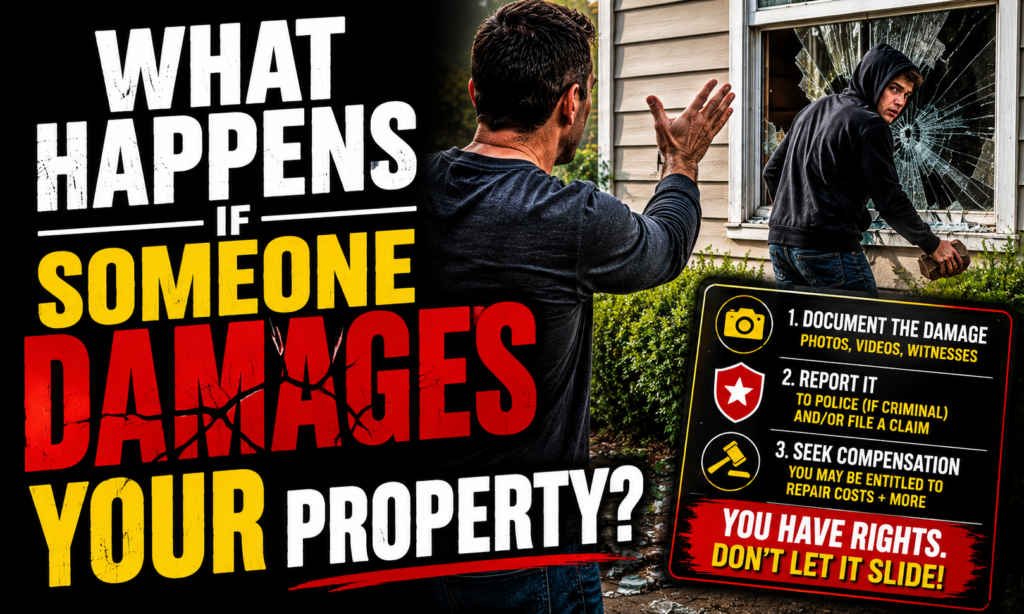
The First Thing I Would Do Is Take Photos
One of the biggest mistakes property owners make is waiting.
Damage can change quickly.
Weather can erase evidence.
Repairs can remove important details.
If I discovered damage on my property, one of the first things I would do is photograph:
- The damage itself
- Surrounding areas
- Tire tracks
- Footprints
- Broken materials
- Entry points
Good photographs often become some of the most valuable evidence available.
Video Footage Can Be Extremely Helpful
Many property owners discover damage but have no idea who caused it.
That is where security cameras can become incredibly useful.

Many homeowners choose to keep an eye on driveways, entrances, and access points with an outdoor security camera system because video footage may help answer questions such as:
- Who entered the property?
- When did it happen?
- What vehicle was involved?
- How did the damage occur?
Video evidence often removes much of the guesswork.


Large Properties Create Unique Challenges
Owners of farms, acreage, timber ground, and hunting property often face a different problem.
The damage may occur hundreds of yards away from the home.

Many landowners choose to monitor remote trails, gates, and property entrances with trail cameras because remote areas are often difficult to observe in person.
Trail camera footage can sometimes reveal activity that would otherwise go unnoticed.
Property Damage Often Follows Trespassing
One thing I’ve noticed is that property damage and trespassing frequently appear together.
For example:
- Someone enters private property
- Access occurs without permission
- Damage is discovered afterward
You may also find helpful information in:
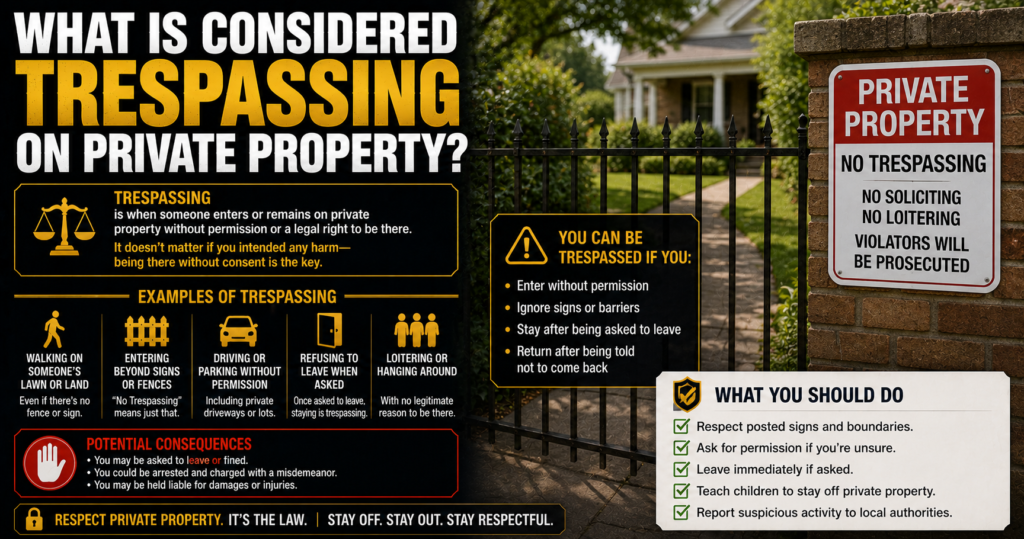
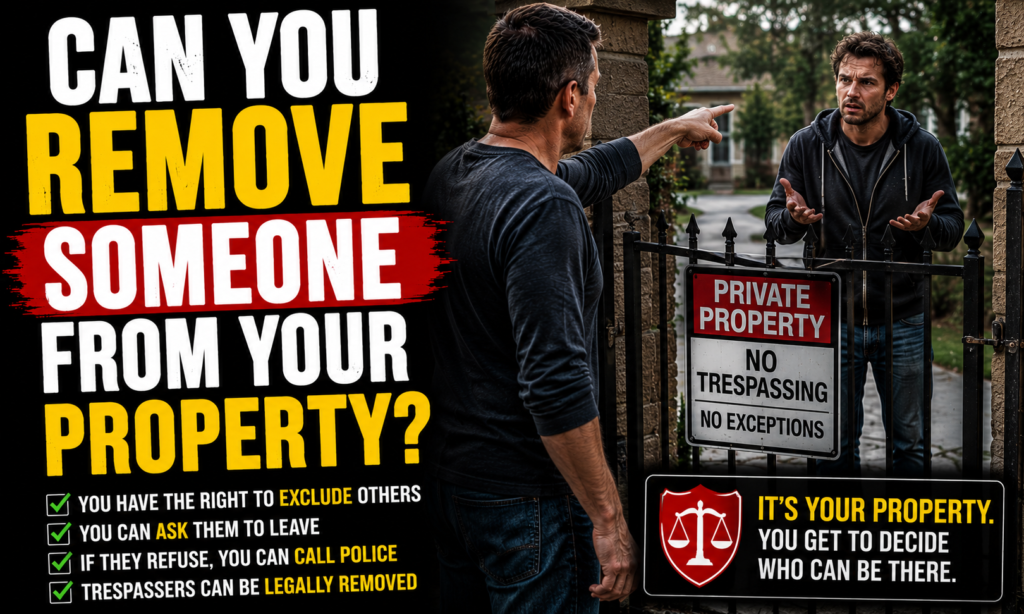
What Is Considered Trespassing on Private Property?
and
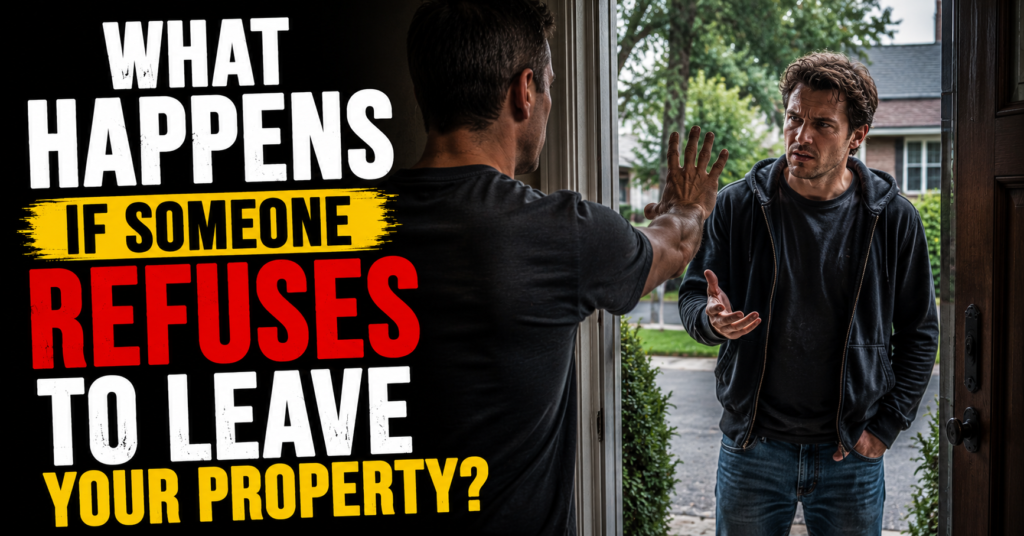
What Happens If Someone Refuses to Leave Your Property?
Understanding how the damage occurred is often just as important as understanding the damage itself.
Documentation Is Often Your Best Friend
If there is one lesson I’ve learned from property disputes, it’s this:
People forget details.
Documentation doesn’t.
Many property owners create records that include:
- Photos
- Videos
- Dates
- Times
- Repair estimates
- Written notes
The more information preserved early, the easier it often becomes to understand what happened later.
Keeping Records Can Save Headaches Later
Property damage situations sometimes take time to resolve.
Because of that, many homeowners keep copies of:
- Repair receipts
- Contractor estimates
- Insurance documents
- Photos
- Video evidence

Some property owners choose to protect important records and paperwork in a fireproof document storage box so critical documentation remains organized and accessible when needed.


Understanding What Happened Comes First
Whenever property damage occurs, emotions can run high.
I’ve found it is usually best to focus first on the facts.
What was damaged?
When did it happen?
Who may have been involved?
What evidence exists?
Answering those questions often provides the foundation for everything that comes next.
What If a Neighbor Damages Your Property?
Neighbor-related property damage is one of the most common situations homeowners face.
I’ve seen disputes arise from things such as:
- Vehicles crossing property lines
- Fence damage
- Landscaping damage
- Drainage issues
- Construction projects
- Trees and branches
The challenge is that neighbors usually continue living next to each other long after the damage occurs.
Because of that, many property owners try to focus on facts and documentation rather than assumptions and emotions.
You may also find helpful information in:
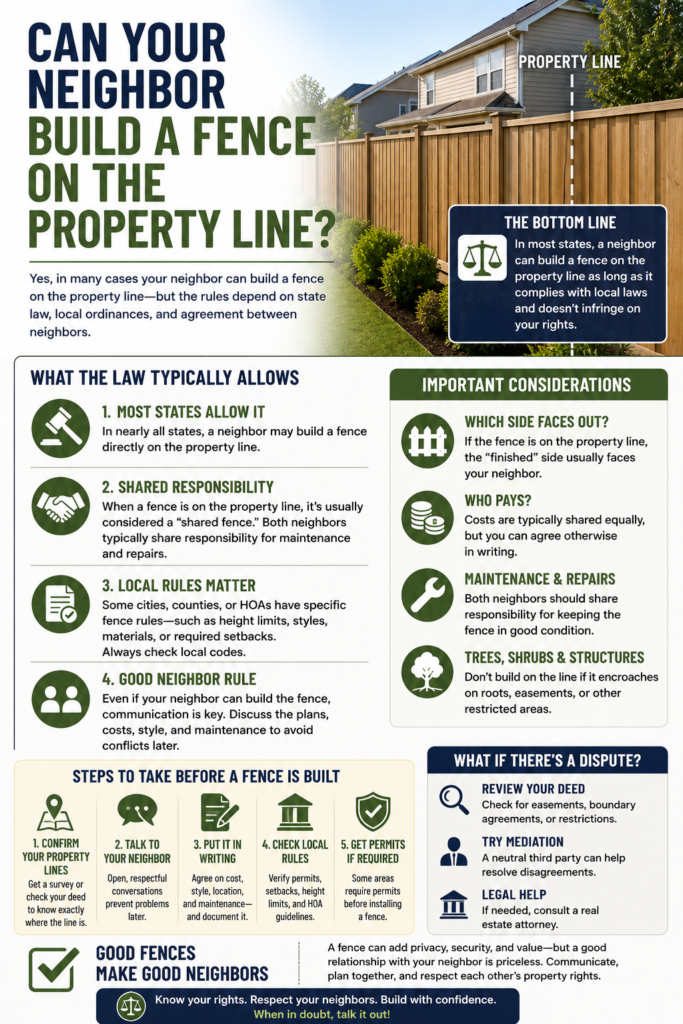
Can Your Neighbor Build a Fence on the Property Line?
and
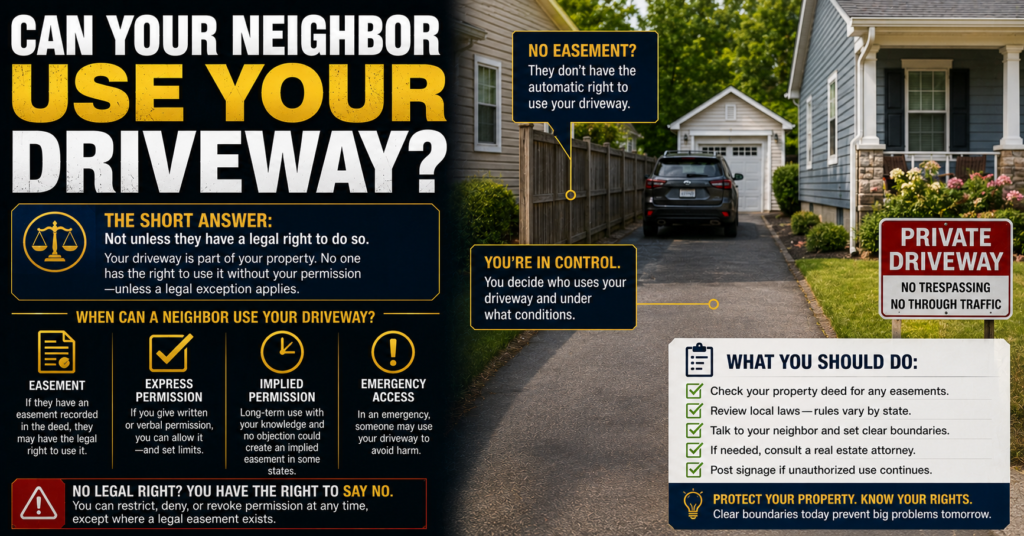
Can Your Neighbor Use Your Driveway?
Vehicle Damage Can Raise Additional Questions
Property owners are often surprised by how frequently vehicles become involved in property damage incidents.
Examples may include:
- Damaged fences
- Destroyed mailboxes
- Tire ruts in yards
- Damaged landscaping
- Gate damage
When a vehicle is involved, photographs and video footage often become especially valuable.
Many homeowners choose to monitor driveways and entrances with an outdoor security camera system because it can help document activity around the property before and after an incident occurs.
What If a Tree Damages Property?
Trees create another common source of disputes.
Storms, wind, disease, and age can all contribute to tree-related damage involving:
- Homes
- Garages
- Fences
- Vehicles
- Sheds
- Outbuildings
Every situation is different, which is one reason tree disputes can quickly become complicated.
Documenting the damage as soon as possible is often important.
Why Estimates Matter
After property damage occurs, many homeowners immediately begin thinking about repairs.
One thing I’ve learned is that repair costs are often very different from what people initially expect.
Because of that, property owners frequently obtain:
- Contractor estimates
- Repair quotes
- Material costs
- Replacement costs
The more information available, the easier it becomes to understand the scope of the damage.
Organizing Documentation Can Make Life Easier
Property damage situations sometimes generate a surprising amount of paperwork.
Documents may include:
- Estimates
- Receipts
- Insurance paperwork
- Photographs
- Correspondence
- Inspection reports

Many property owners choose to scan important property damage records and estimates for easy digital storage so copies remain available even if paper documents are misplaced.
Others choose to protect critical records in a fireproof document storage box for additional peace of mind.
Security Lighting Can Help Prevent Future Problems
Property owners often become more security-conscious after experiencing damage.

Many homeowners choose to improve visibility around driveways, gates, and entrances with motion-activated security lighting because well-lit areas are easier to monitor and record.
Lighting may also discourage unwanted activity before it starts.
Rural Properties Often Need Additional Monitoring
Owners of farms, acreage, hunting property, and timber ground frequently face challenges monitoring remote areas.
Many landowners choose to monitor remote trails, gates, and access roads with trail cameras because damage can occur far from the home itself.
Remote monitoring often helps property owners better understand what is happening across larger parcels of land.
Frequently Asked Questions
What should I do first if someone damages my property?
Many property owners begin by photographing the damage, preserving evidence, documenting what occurred, and gathering information about the incident.
Should I take pictures of property damage?
Yes. Photographs often become some of the most valuable documentation available.
What if I do not know who caused the damage?
Security cameras, trail cameras, witnesses, and other evidence may help establish what happened.
Can security cameras help document property damage?
Many homeowners use cameras to record activity around entrances, driveways, gates, and other areas where damage may occur.
Should I keep repair estimates?
Many property owners save repair estimates, receipts, invoices, and related records after damage occurs.
Can trail cameras help on large properties?
Trail cameras are commonly used on farms, hunting property, acreage, and other rural land where traditional security systems may not reach.
What if the damage involves a neighbor?
Neighbor-related property damage disputes are common and often involve fences, trees, landscaping, vehicles, and property boundaries.
Why is documentation so important?
Documentation often provides the clearest record of what happened and may become valuable later if questions arise.
Important Information
This article is provided for educational and informational purposes only and should not be considered legal advice. Property damage disputes, insurance issues, liability questions, and property rights vary depending on the facts and applicable laws. Consult a qualified attorney or other professional regarding your specific situation.
For more information about our content standards, visit our Editorial Policy and Fact-Checking Policy pages.
Additional information about this website can be found on our About Us, Contact Us, FAQ, Disclaimer, and Terms and Conditions pages.
About the Author
Sarah Reynolds is a legal research contributor for Legal Know It All who focuses on property rights, neighbor disputes, insurance issues, and practical legal topics affecting homeowners. She researches common legal questions involving property damage, liability concerns, and homeowner rights while helping readers understand complex topics in straightforward language.
As an Amazon Associate we earn from qualifying purchases through some links in our articles. Learn more.