
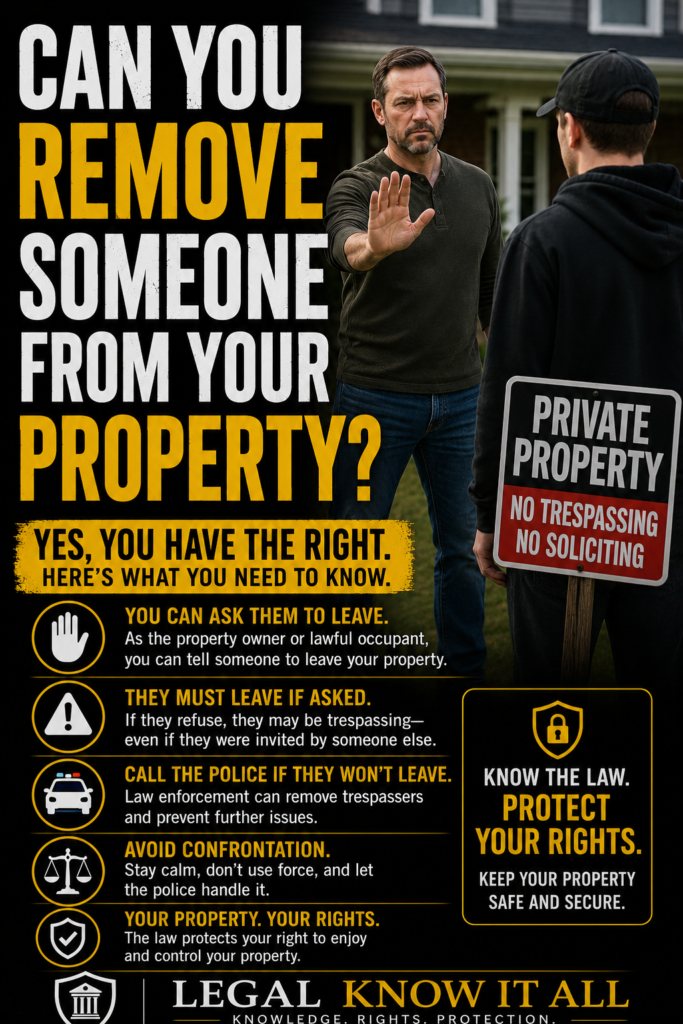
I’ve noticed that when most homeowners ask this question, they are already frustrated.
Usually, something has already happened.
Maybe a stranger refuses to leave.
Maybe a neighbor keeps entering the property.
Maybe a former guest won’t go away.
Maybe someone is using private land without permission.
At that point, most property owners are not thinking about legal theories.
They’re thinking about one simple question:
How do I get this person off my property?
The answer is not always as simple as people expect because the circumstances often matter.
Who the person is, why they are there, and what rights may or may not exist can all affect the situation.
Quick Answer
Property owners often have important rights regarding access to their property. However, the options available when someone refuses to leave can depend on the facts involved, the person’s relationship to the property, and applicable laws.
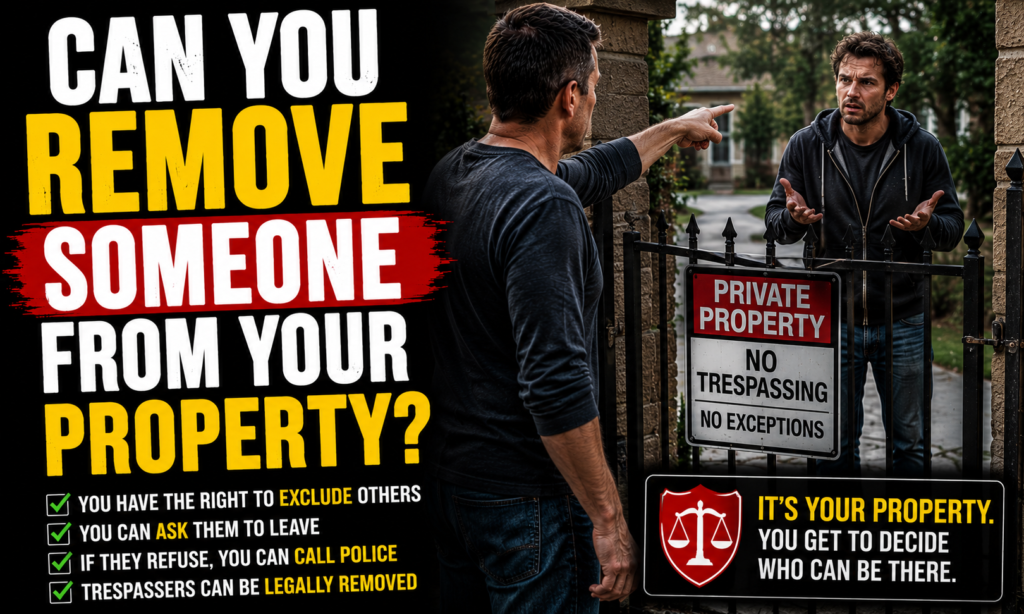
Not Every Situation Is The Same
One thing I’ve learned is that people often use the phrase “remove someone from my property” to describe very different situations.
Examples may include:
- Strangers
- Neighbors
- Former guests
- Former tenants
- Hunters
- Utility workers
- Contractors
The circumstances surrounding each situation can be very different.
That is one reason property owners often benefit from understanding exactly what type of situation they are dealing with.


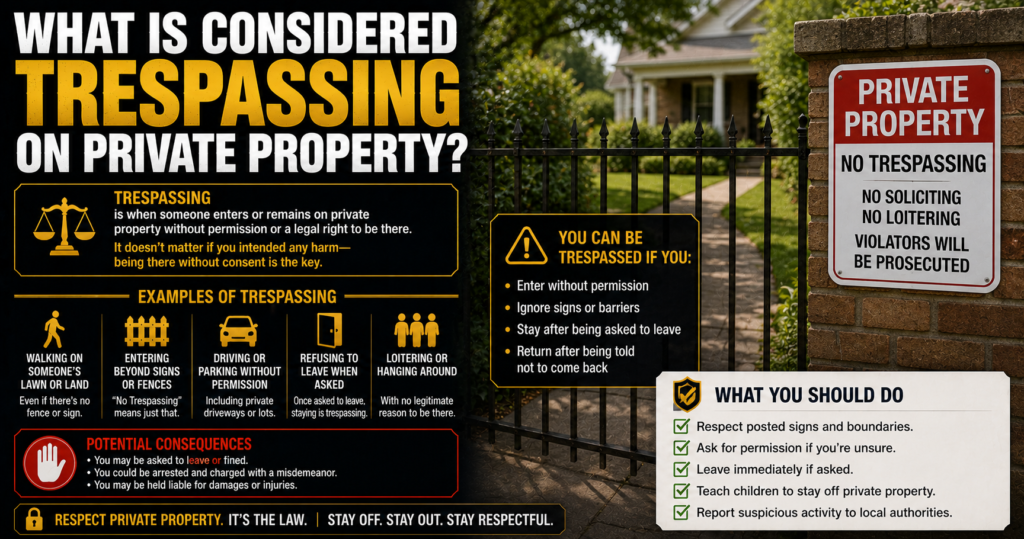
Trespassing Is Often Part Of The Discussion
Many unwanted-access situations eventually raise questions about trespassing.
For example:
- Someone enters private property
- Permission may not exist
- The person remains on the property
- The owner wants them to leave
That is why trespassing concerns frequently overlap with removal questions.
For additional information, see:
What Is Considered Trespassing on Private Property?
Refusing To Leave Creates Additional Issues
In many cases, the problem is not how the person arrived.
The problem is that they refuse to leave.
I’ve found that many homeowners become far more concerned when a person remains after being asked to leave.
You may also find helpful information in:
What Happens If Someone Refuses to Leave Your Property?
because these situations often overlap.
Documentation Can Be Extremely Helpful
One thing I recommend in almost every property dispute is documentation.
People often remember events differently.
Documentation creates a record.
Many property owners preserve:
- Photos
- Video footage
- Dates
- Times
- Notes
- Witness information
The more information available, the easier it often becomes to understand what occurred.
Security Cameras Can Help Establish Facts

Many homeowners choose to document activity around entrances, gates, and driveways with outdoor security cameras because video footage may help answer questions such as:
- When did the person arrive?
- How long were they there?
- Were vehicles involved?
- Did any property damage occur?
Clear footage can often provide a much better picture than conflicting memories.
Rural Properties Create Different Challenges
Owners of farms, hunting property, acreage, and timber ground frequently face access issues far from the home itself.

Many landowners choose to monitor remote trails, gates, and access points with trail cameras because it can be difficult to observe large properties in person.
This type of monitoring may help property owners better understand how their land is being accessed.
Understanding The Facts Comes First
Whenever an unwanted person is on private property, emotions can run high.
I’ve found it is usually best to start with the facts.
Who is the person?
Why are they there?
Do they claim a right to be there?
Is there an easement involved?
Has permission ever been given?
The answers to those questions often shape everything that follows.


What If the Person Is a Neighbor?
Neighbor disputes are some of the most common situations where property owners ask this question.
I’ve seen disagreements arise over:
- Property lines
- Driveways
- Easements
- Fences
- Access routes
- Parking areas
In many cases, both parties genuinely believe they are right.
That is why I always think it is important to understand exactly where the property boundaries are and whether any easements or access rights exist before assuming someone has no right to be there.
You may also find helpful information in:
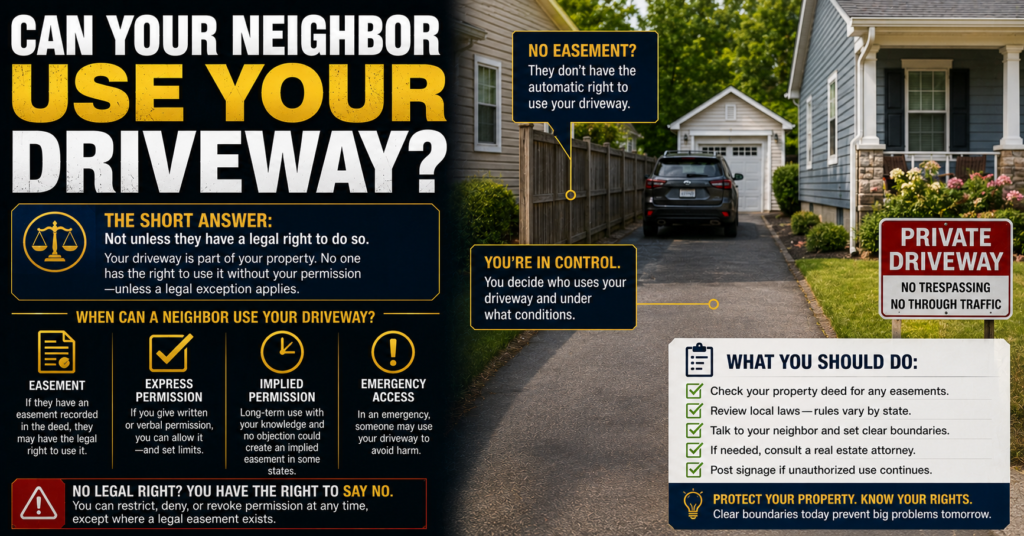
Can Your Neighbor Use Your Driveway?
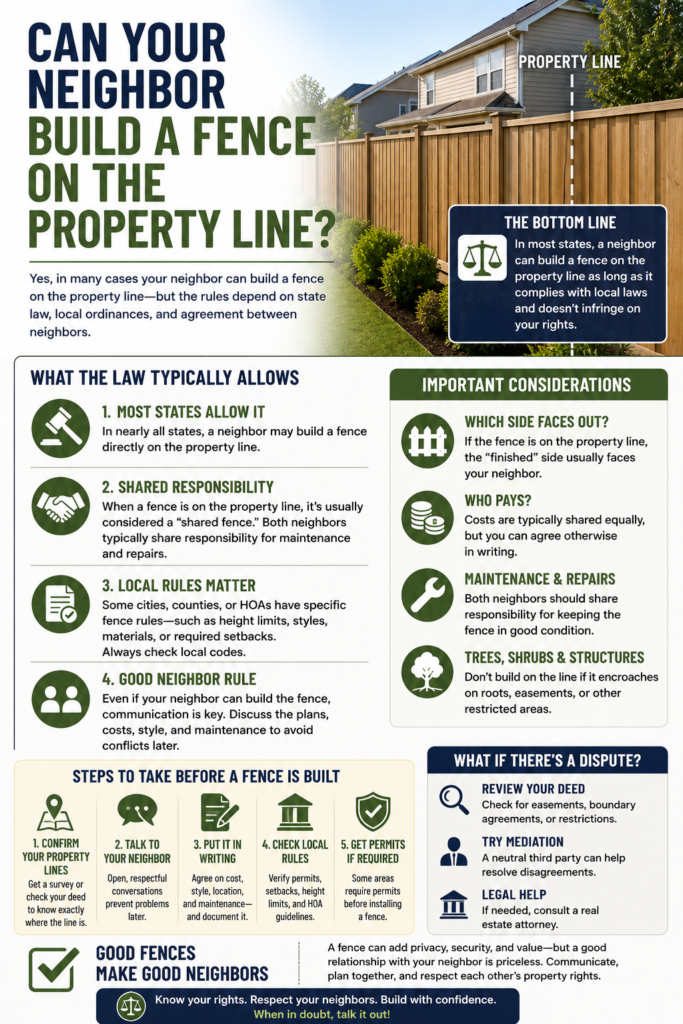
Can Your Neighbor Build a Fence on the Property Line?
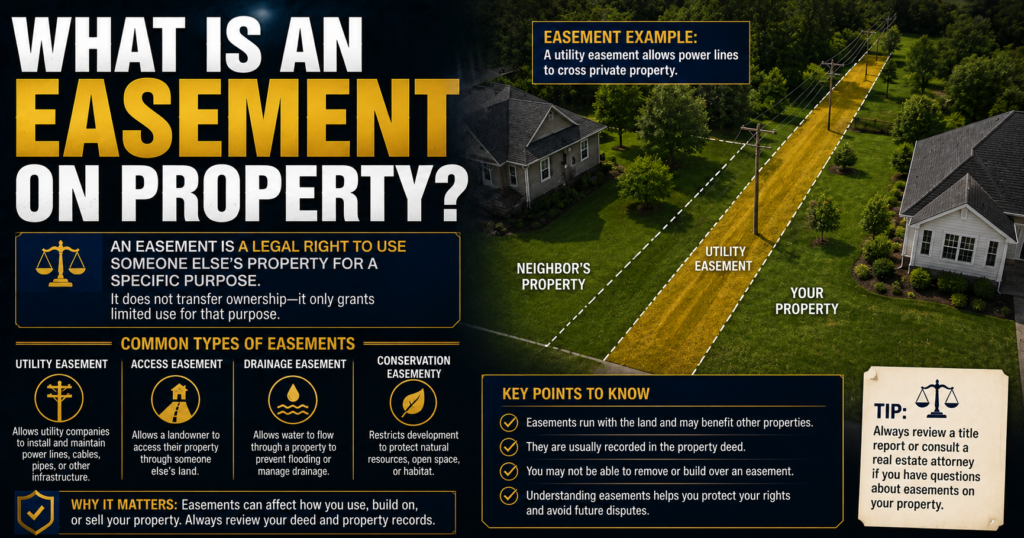
What Is an Easement on Property?
What If the Person Is a Former Guest?
I’ve found that many homeowners are surprised by how often this situation involves someone who was originally invited onto the property.
Examples may include:
- Friends
- Family members
- Acquaintances
- Visitors
What starts as a normal visit can sometimes turn into a disagreement when expectations change.
Because the relationship between the parties may be different than a typical trespassing situation, the circumstances often matter.
Former Tenants Can Be Different
One mistake people sometimes make is assuming every unwanted person on a property is treated exactly the same.
Former tenant situations can involve different legal issues than situations involving strangers or casual visitors.
Questions involving housing, occupancy, and landlord-tenant laws often depend heavily on the facts and applicable state laws.
That is one reason property owners should be careful about assuming every situation follows the same rules.
Easements Can Create Confusion
One thing I’ve noticed repeatedly is that access rights often create confusion.
A property owner may believe someone has no right to enter.
The other person may believe an easement gives them access.
Because of that, understanding easements is often an important part of resolving disputes.
For additional information, see:
What Is an Easement on Property?
Cameras Can Help Document Ongoing Problems
When access disputes continue, documentation often becomes increasingly important.
Many homeowners choose to document entrances, gates, and driveways with outdoor security cameras because footage may help establish:
- Arrival times
- Departure times
- Vehicle activity
- Repeated visits
- Property damage
I’ve found that good documentation often reduces disagreements about what actually occurred.
Larger Properties Often Require Different Solutions
Owners of farms, hunting land, timber property, and acreage frequently face access concerns in locations that are far from the home.
Many landowners choose to monitor remote access points and trails with trail cameras because traditional security systems may not reach those areas.
This can help identify recurring access patterns that would otherwise go unnoticed.
Why Property Owners Often Use Signs
Many people want expectations to be clear before problems begin.
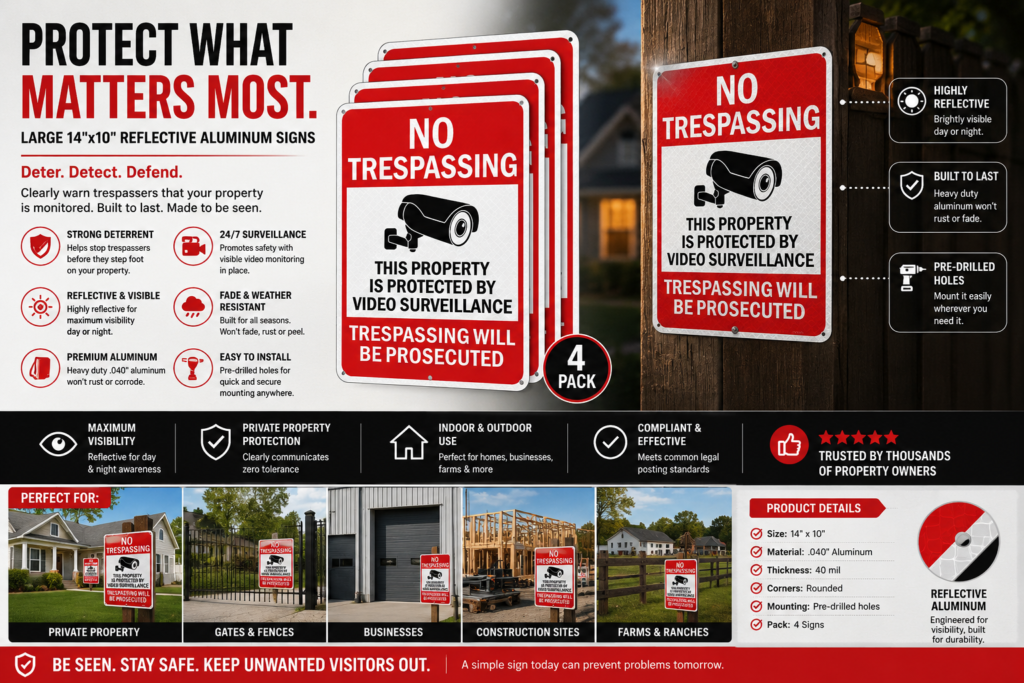
Property owners often choose to make private property notices more visible with surveillance warning signs near entrances, gates, and driveways.
Clear communication can sometimes prevent misunderstandings before they become larger disputes.
Frequently Asked Questions
Can I remove someone from my property?
Property owners often have important rights involving access to their property. The options available can depend on the circumstances, the individual’s relationship to the property, and applicable laws.
What if someone refuses to leave?
Refusing to leave can create additional legal issues depending on the facts involved.
Does an easement allow someone to stay on my property?
An easement may provide certain access rights, but the specific scope of those rights depends on the easement itself and the circumstances involved.
Can cameras help document disputes?
Many homeowners use security cameras to create a record of activity occurring around entrances, driveways, gates, and other access points.
What if the issue involves a neighbor?
Neighbor disputes often involve property lines, easements, driveways, access rights, and boundary questions.
Are trail cameras useful on acreage?
Many rural property owners use trail cameras to monitor remote areas that are difficult to observe in person.
Should I document what happened?
Documentation is often one of the most valuable tools available when property disputes occur.
Where can I learn more about trespassing?
You may find helpful information in:
What Is Considered Trespassing on Private Property?
Important Information
This article is provided for educational and informational purposes only and should not be considered legal advice. Property rights, access rights, trespassing laws, easements, and landlord-tenant laws vary by state and individual circumstances. Consult a qualified attorney regarding your specific situation.
For more information about our content standards, visit our Editorial Policy and Fact-Checking Policy pages.
Additional information about this website can be found on our About Us, Contact Us, FAQ, Disclaimer, and Terms and Conditions pages.
About the Author
Sarah Reynolds is a legal research contributor for Legal Know It All who focuses on property rights, neighbor disputes, constitutional rights, and practical legal topics affecting homeowners. She researches common legal questions involving trespassing, access disputes, easements, and private property rights while helping readers better understand legal concepts in plain English.
As an Amazon Associate we earn from qualifying purchases through some links in our articles. Learn more.