

Can Police Search Your Email? What Every American Should Know
Email accounts contain years of personal information. Here’s what Americans should know about email privacy, digital communications, and constitutional protections.
This category covers search and seizure law, including Fourth Amendment protections, police authority to search people and property, warrant requirements, consent searches, probable cause, plain view, and related rights during law enforcement encounters.
Email accounts contain years of personal information. Here’s what Americans should know about email privacy, digital communications, and constitutional protections.
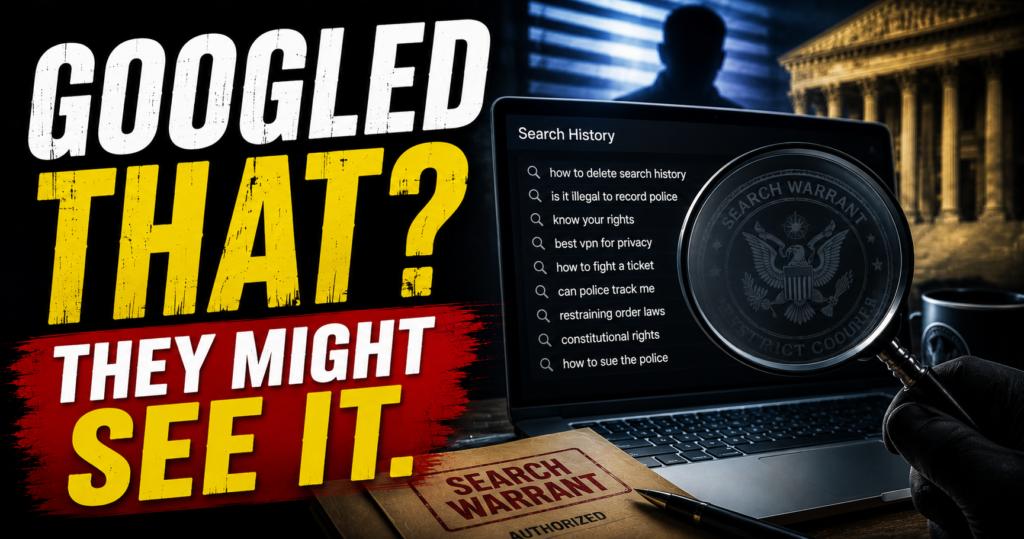
Your internet searches can reveal a surprising amount about your life. Here’s what Americans should know about search history, privacy, and online activity.

Can police ask for ID if you haven’t done anything wrong? Learn when officers can request identification, when you must comply, and what your rights are under state and federal law.

That photo, comment, or status update may seem harmless today. Here’s what Americans should know about social media posts and legal investigations.

A police pat-down is not the same as a full search. Learn when officers may frisk someone, why it happens, and what the Fourth Amendment says.

Many people share their lives online without realizing who may be looking. Here’s what Americans should know about social media and privacy rights.

Many homeowners assume their trash is private. Here’s what Americans should know about garbage searches and constitutional rights.
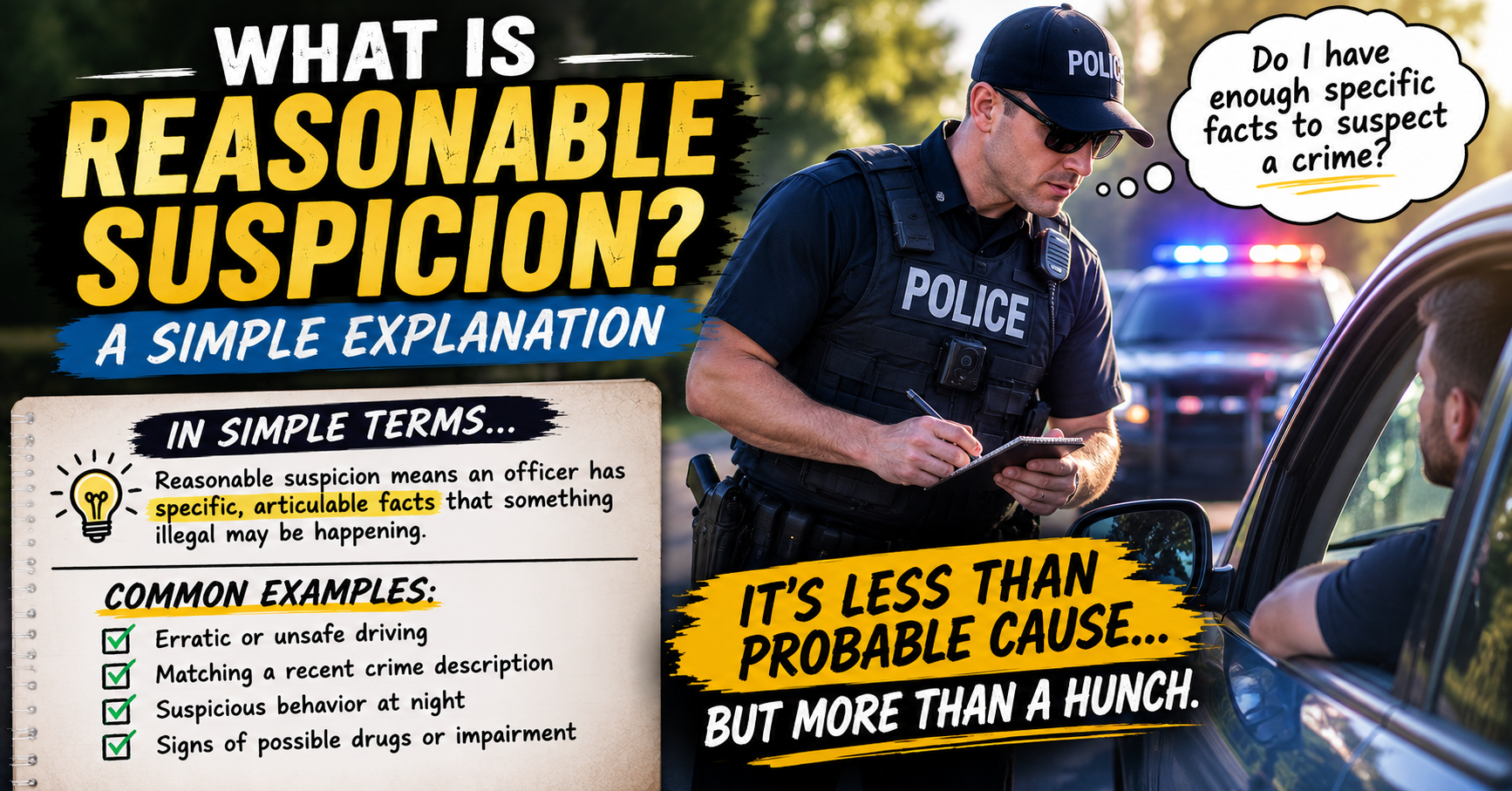
Reasonable suspicion is one of the most important legal standards during police encounters. Here’s what it means and why it matters under the Fourth Amendment.

Do you have to roll down your window during a traffic stop? Learn what drivers should know about traffic stops, constitutional rights, and police encounters.

Your smartphone reveals far more than most people realize. Here’s what Americans should know about phone tracking, location data, and privacy rights.

An illegal police search can raise serious constitutional concerns. Here’s what many Americans should know about unlawful searches and their rights.