
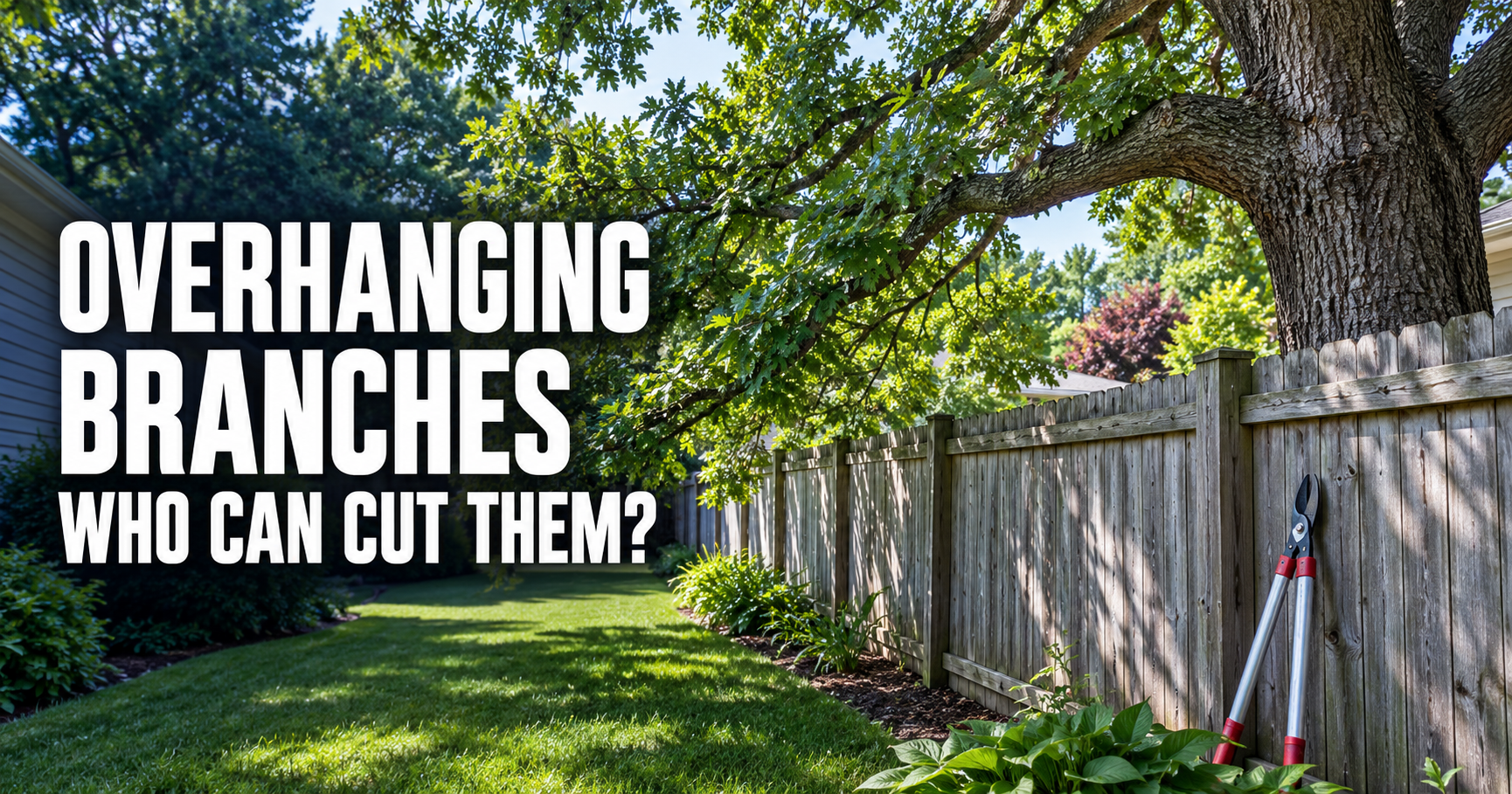
If you’ve ever looked out into your backyard and thought, “Those branches weren’t hanging over my fence last year,”you’re definitely not alone.
I’ve found that overhanging trees create some of the most common disagreements between neighbors. What starts as a few leaves in the yard can turn into branches scraping your roof, blocking your garden, dropping fruit everywhere, or making you wonder whether you’re even allowed to trim them.
The question sounds simple:
Can you legally cut tree branches hanging over your property?
The answer is usually yes, but there are important limits that every homeowner should understand before picking up a saw.
While many states allow property owners to trim branches that extend onto their land, the law generally doesn’t give you unlimited authority to do whatever you want with someone else’s tree. Cutting too much or damaging the tree could create a legal dispute that costs far more than hiring someone to trim it properly.
Quick Answer
In many states, you may trim branches that extend onto your property, but generally only up to the property line and only if your trimming doesn’t unnecessarily damage or kill the tree. Because property laws vary from state to state, it’s important to understand your local rules before making significant cuts.
Why This Becomes Such A Common Neighbor Dispute
Trees don’t recognize property lines.
A tree that was planted decades ago may now stretch across multiple yards. One homeowner sees shade and beautiful landscaping, while the other sees clogged gutters, damaged shingles, blocked sunlight, or branches hanging over the driveway.
I’ve noticed that these disagreements usually aren’t really about the tree itself. They’re about respecting property rights while still being a good neighbor.


The Property Line Usually Determines What You Can Trim
One of the biggest misconceptions I hear is that once branches cross onto your property, they become yours.
That usually isn’t true.
Your neighbor still owns the tree if the trunk is growing on their property. In many states, your right is simply to trim the portion extending onto your side of the property.
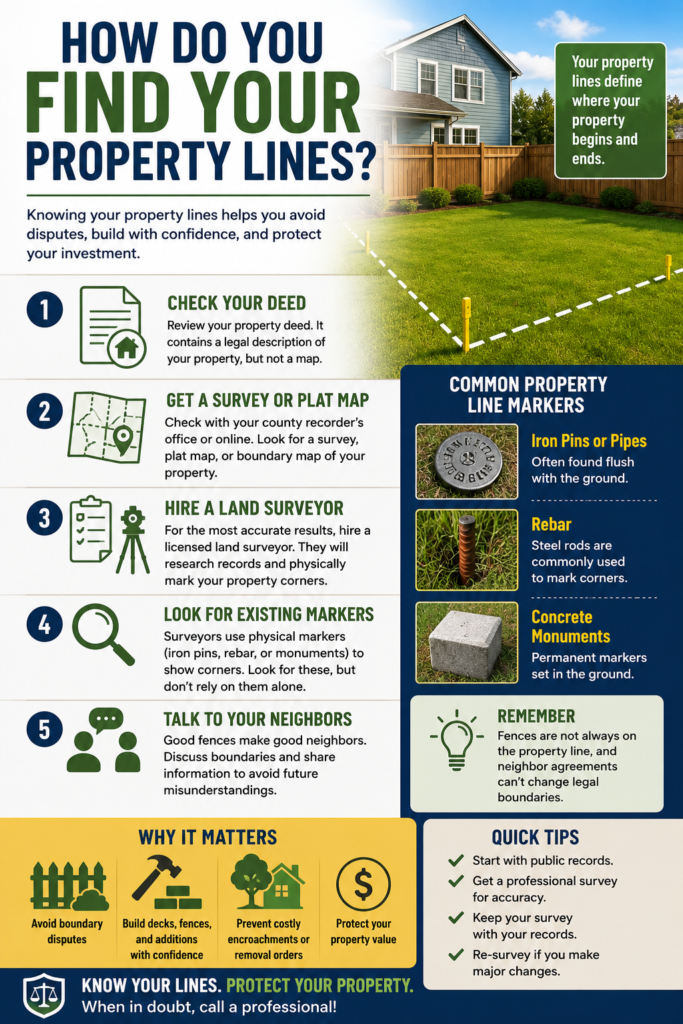
That’s why it’s incredibly important to know exactly where your property line is before making any cuts. If you aren’t completely sure, it’s worth learning how to find your property lines before assuming an old fence or landscaping marks the legal boundary.
Stay On Your Side Of The Property Line
Even if you’re allowed to trim overhanging branches, that doesn’t automatically mean you can walk into your neighbor’s yard to do it.
Entering someone else’s property without permission can create an entirely separate legal issue.
Whenever possible, trimming should be done from your own property unless your neighbor gives you permission to access theirs.
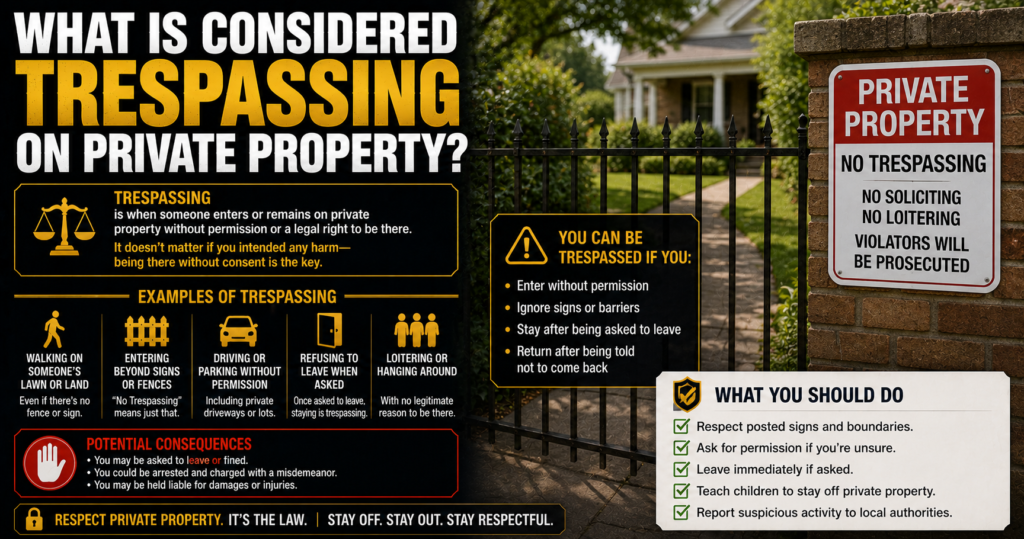
If you’re wondering where that legal line is, our guide explaining what is considered trespassing on private propertycovers when entering another person’s land may become a problem.
You Usually Can’t Destroy Someone Else’s Tree
This is where many homeowners accidentally create liability.
There’s a big difference between reasonably trimming a few overhanging limbs and cutting so aggressively that the tree becomes unhealthy or dies.
Large mature trees can be extremely valuable. Depending on the circumstances and your state’s laws, damaging someone else’s tree could leave you responsible for significant financial losses.
When major limbs need to be removed, hiring a qualified arborist is often much less expensive than defending a lawsuit.
Sometimes The Real Problem Is The Property Line
I’ve also seen plenty of situations where the branches aren’t really the issue.
Instead, neighbors begin arguing over who actually owns the land underneath the tree.
If there is any disagreement about where the boundary sits, it’s usually smart to resolve that question before anyone starts cutting.
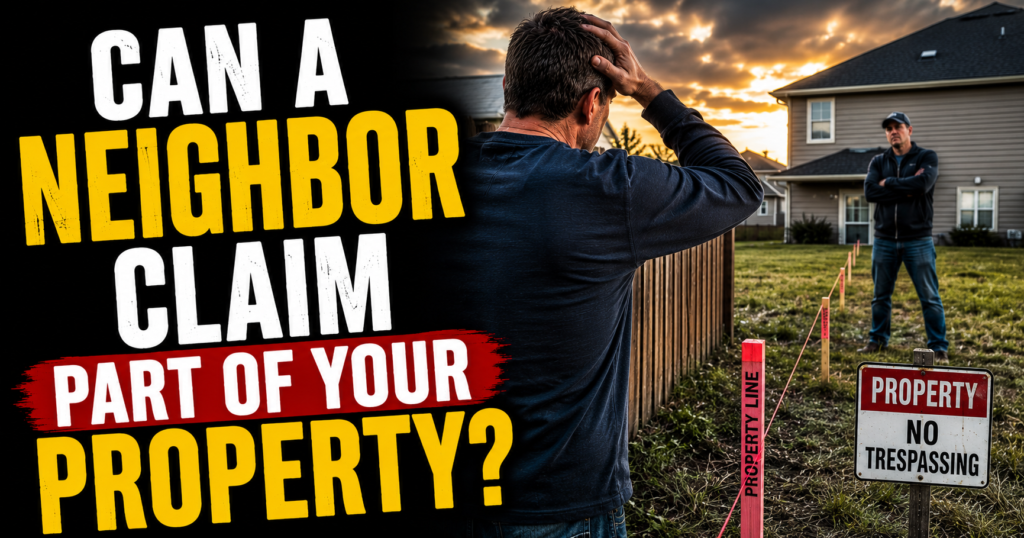
Our article about whether a neighbor can claim part of your property explains why boundary disputes often become much bigger than homeowners initially expect.
Don’t Forget About Utility Lines
If branches are growing into electrical service lines, don’t assume it’s safe to trim them yourself.
Power companies often have specific procedures for maintaining clearance around utility lines, and attempting to remove those branches yourself can be extremely dangerous.
When electricity is involved, contacting the utility company is usually the safest first step.
Talk To Your Neighbor Before Cutting
I’ve found that one simple conversation solves many of these disputes.
Your neighbor may not even realize the branches are causing problems. They may be willing to trim them, split the cost of professional work, or agree on a solution that keeps everyone happy.
Starting with a respectful discussion almost always produces a better outcome than surprising your neighbor after the work has already been done.

What If The Branches Are Damaging Your Home?
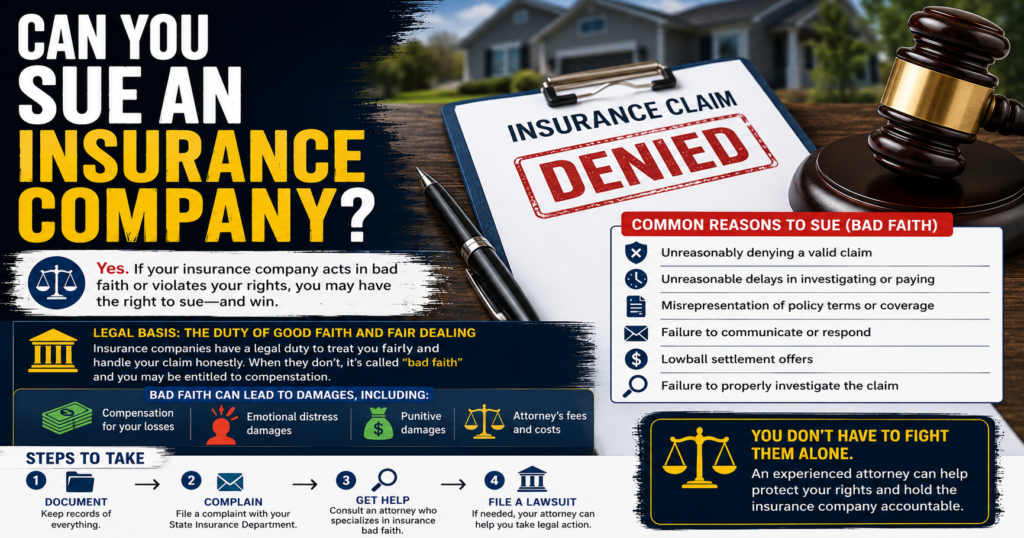
When limbs are scraping your roof, damaging gutters, or threatening other structures, documenting the problem becomes important.
Take photographs before any work begins, especially if damage has already occurred.
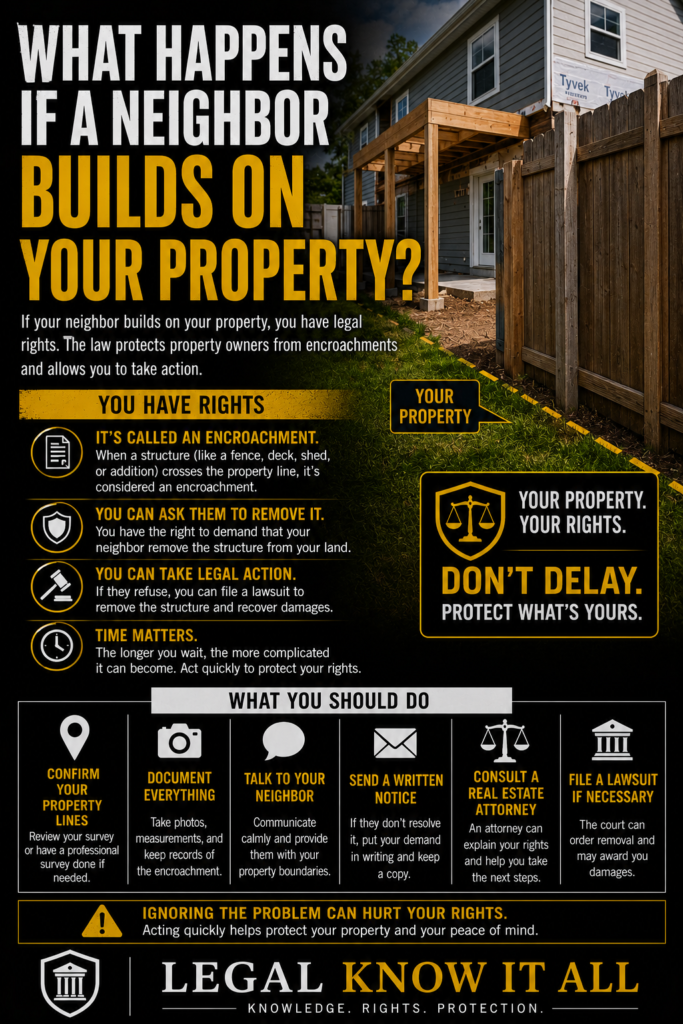
If the situation goes beyond overhanging branches and your property has actually been damaged, our guide explaining what happens if a neighbor builds on your property discusses several legal principles that often arise when neighboring property owners interfere with another person’s land.
Can You Cut the Branches Yourself?
For small branches that you can safely reach from your own property, many homeowners choose to handle the work themselves.
However, I’ve learned that just because you can do something yourself doesn’t always mean you should.
Improper pruning techniques can permanently damage a healthy tree, making it more susceptible to disease, insect infestations, or storm damage. If the tree later dies because of excessive trimming, you could find yourself arguing over who is responsible.
For larger limbs, trees growing close to structures, or anything requiring climbing, hiring a professional arborist is often the safest choice.
What If the Branches Keep Causing Damage?
Sometimes overhanging branches are more than just an inconvenience.
They may:
- Rub against your roof during high winds.
- Damage gutters.
- Scratch siding or windows.
- Drop large limbs into your yard.
- Block driveways or sidewalks.
- Prevent sunlight from reaching gardens or landscaping.
If the branches are already causing damage, document everything before taking action. Take clear photographs, note the dates, and keep records of any conversations you have with your neighbor.
If the situation continues to get worse, it’s often easier to resolve the issue when you have good documentation rather than relying on memory months later.
What If the Tree Falls Onto Your Property?
One question often leads to another.
Many homeowners who research overhanging branches also wonder what happens if the entire tree eventually falls during a storm.
The answer often depends on why it fell.
Healthy trees that fall because of severe weather may be treated differently than trees that were obviously dead, diseased, or hazardous before they came down.
That’s one reason it’s smart to address dangerous limbs early instead of waiting for Mother Nature to make the decision for you.
Can a Homeowners Association Have Different Rules?
Yes.
If you live in a neighborhood governed by a homeowners association (HOA), there may be additional rules that apply to tree maintenance.
Some HOAs require approval before removing large branches, while others regulate the appearance of landscaping throughout the neighborhood.
Even if state law generally allows certain trimming, HOA rules may impose additional requirements for homeowners who agreed to those restrictions when purchasing their property.
Don’t Let a Tree Dispute Become a Property Dispute
I’ve found that emotions often escalate much faster than the actual problem.
One homeowner trims a few branches.
The other believes too much was removed.
Suddenly, the disagreement shifts from landscaping to accusations about property lines, trespassing, or property damage.
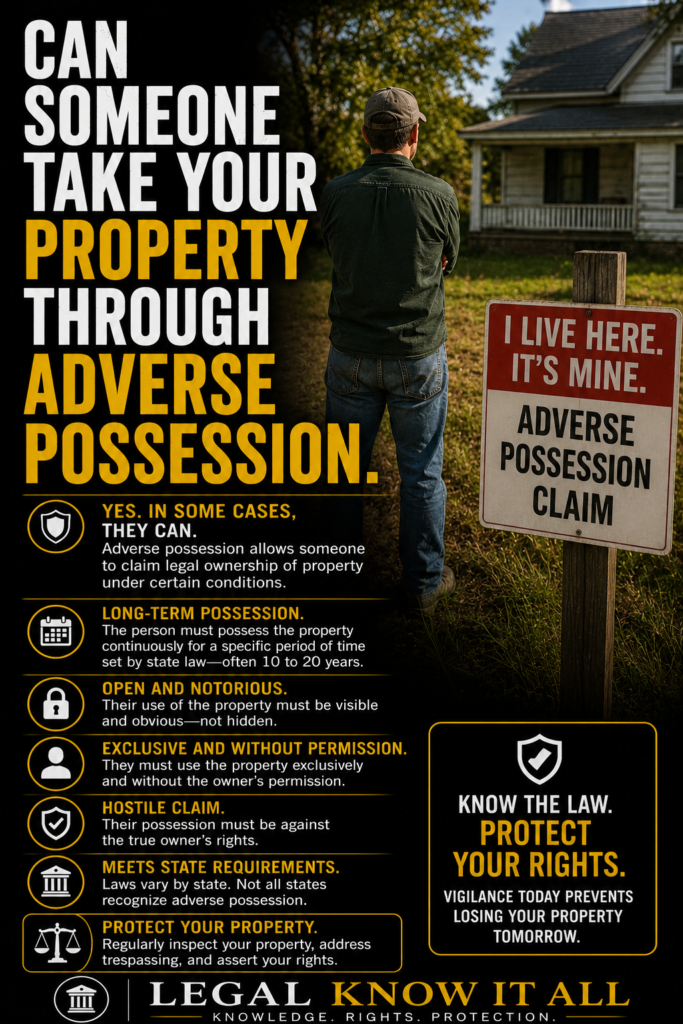
If the disagreement starts involving ownership of the land itself, it’s worth understanding whether someone can take your property through adverse possession because long-running property disputes sometimes raise much larger legal questions.
When Talking to Your Neighbor Is the Best Solution
Most people don’t wake up looking for an argument with the family next door.
In many cases, your neighbor may have no idea the branches are causing problems.
A respectful conversation often solves the issue before anyone spends money on lawyers, surveys, or court filings.
I’ve found that approaching the discussion with photos and a willingness to work together usually produces a much better outcome than immediately demanding action.
Common Misconceptions About Overhanging Tree Branches
One of the biggest myths is that any branch crossing your property line automatically becomes yours.
It doesn’t.
Another common misconception is that you can trim as much of the tree as you want simply because it hangs over your yard.
In many states, your rights are much narrower than that.
Generally speaking, homeowners may have the right to trim branches extending onto their property, but they also have a responsibility to avoid causing unnecessary harm to the tree.
Understanding both sides of that balance can prevent expensive mistakes.
Frequently Asked Questions
Can I legally cut my neighbor’s tree branches hanging over my property?
In many states, yes. Property owners are often allowed to trim branches extending onto their property, but generally only up to the property line and without unnecessarily damaging the tree.
Can I go into my neighbor’s yard to trim the branches?
Not usually without permission. Even if branches extend over your property, entering your neighbor’s land without consent may create separate legal issues involving trespassing.
To better understand where that line is, read our guide on what is considered trespassing on private property.
What if trimming the branches kills the tree?
Depending on your state’s laws, you could potentially be responsible for the damage if excessive trimming causes the tree to die or become unsafe.
Should I talk to my neighbor before cutting the branches?
Absolutely. Many disputes can be resolved with a simple conversation before anyone spends money or damages a long-term relationship.
What if I’m not sure where my property line is?
Before trimming anything, it’s a good idea to verify your boundary. Our article on how to find your property linesexplains several ways homeowners can determine where their property legally ends.
Important Information
This article is intended for general educational purposes only and should not be considered legal advice. Property laws, tree ownership rules, nuisance laws, and local ordinances vary by state and sometimes by city or county. If you’re involved in a significant property dispute or believe substantial damage has occurred, consult a qualified attorney licensed in your jurisdiction.
About the Author
Ryan Caldwell is a property rights researcher and homeowner legal writer for Legal Know It All. He focuses on explaining neighbor disputes, property boundaries, easements, trespassing, and homeowner rights in plain English so people can better understand common legal issues before they become expensive problems.