
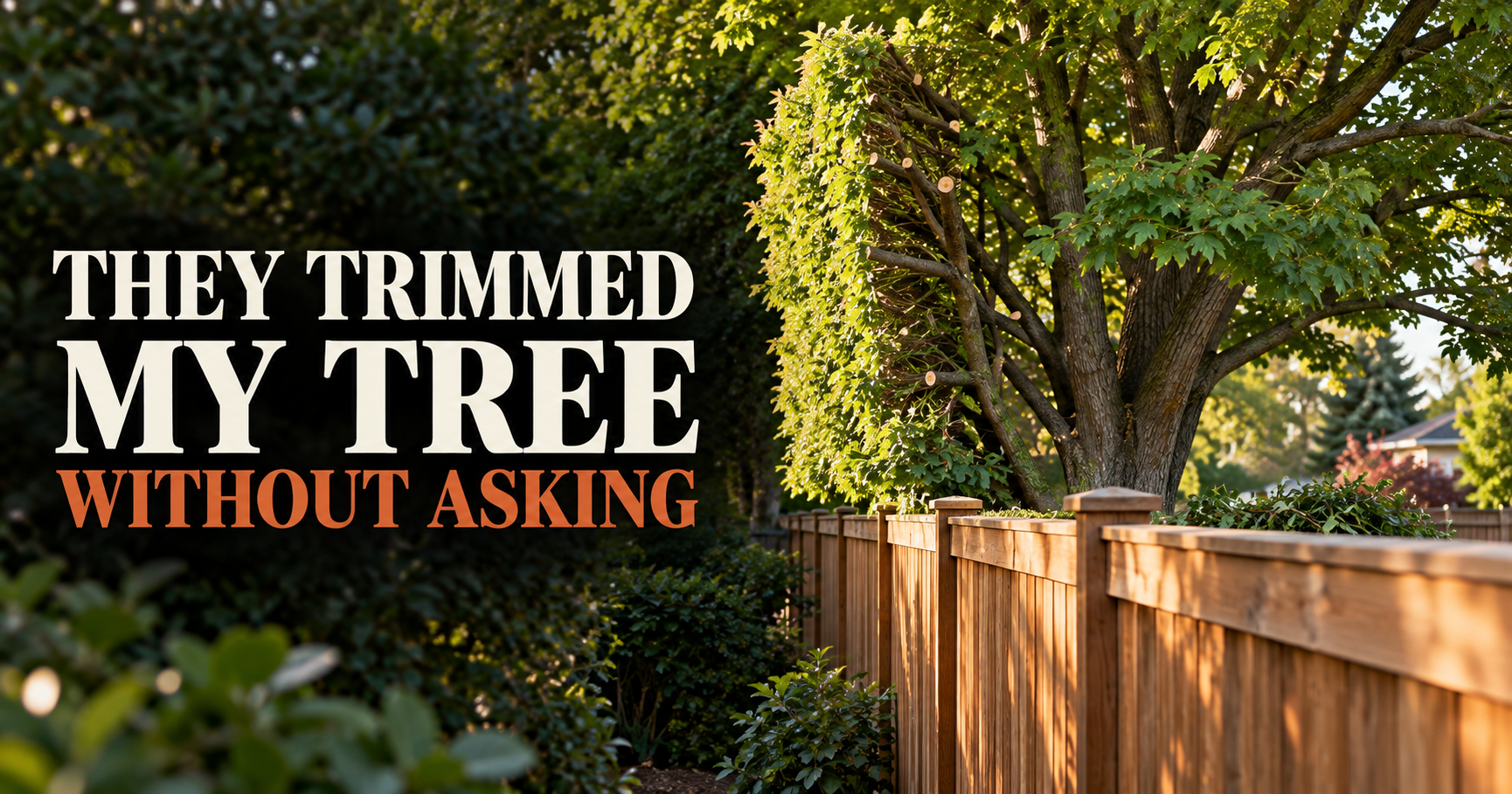
You walk outside one afternoon and immediately notice something looks different.
Half of your favorite tree is gone.
Large branches have been cut back, the shape looks uneven, and you never gave anyone permission to touch it.
Your first thought is probably the same one I’d have:
Can my neighbor really do that?
I’ve found this surprises a lot of homeowners because many people assume nobody can legally touch a tree they don’t own.
The reality is a little more complicated.
In many situations, neighbors may have the right to trim branches that extend onto their own property. That doesn’t necessarily mean they can cut wherever they want or damage your tree in the process.
Understanding where that legal line is can save both neighbors from a very expensive dispute.
Quick Answer
In many states, a neighbor may generally trim branches that extend onto their property, but only up to the property line and only if the trimming doesn’t unnecessarily damage or kill the tree. They generally cannot remove large portions of your tree simply because they don’t like it.
Tree Ownership Doesn’t Usually Change
One of the biggest misconceptions I hear is that once a branch crosses the property line, it suddenly belongs to the neighboring homeowner.
That’s usually not true.
If the trunk of the tree is entirely on your property, you generally remain the owner of the tree.
Your neighbor may have certain rights regarding branches that extend onto their property, but ownership itself typically doesn’t change.
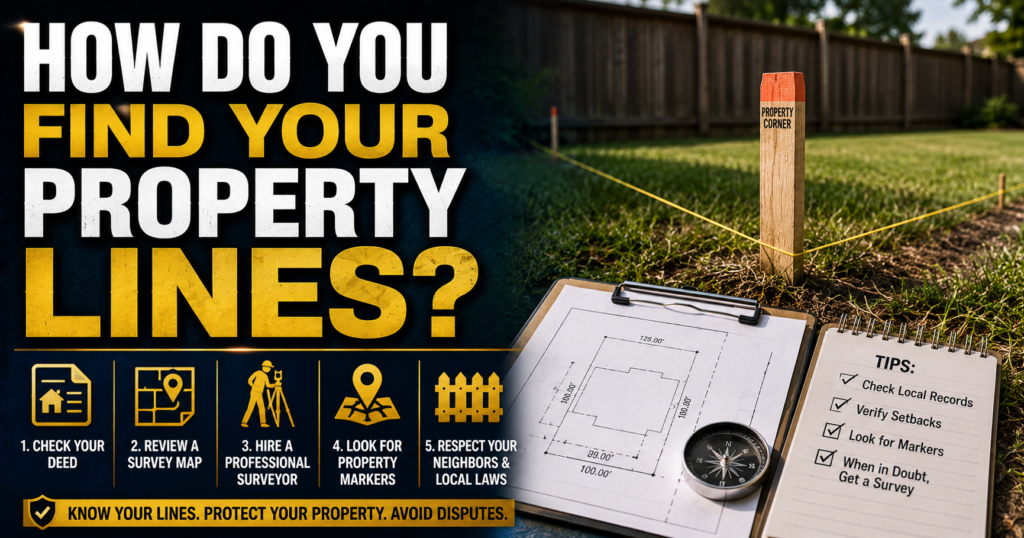
If there is any disagreement about where the property line actually sits, don’t rely on an old fence or landscaping. Our guide on how to find your property lines explains several ways homeowners can verify their legal boundary before a disagreement gets worse.

Trimming Isn’t the Same as Damaging
There’s an important difference between reasonable trimming and causing permanent harm.
For example, trimming a few limbs that hang over a driveway is very different from cutting so much of the canopy that the tree becomes unhealthy or dies.
I’ve found that many homeowners don’t realize how quickly routine pruning can become a legal problem if it permanently damages someone else’s tree.
In some situations, a mature tree can represent thousands of dollars in value.
That’s why many property owners hire professional arborists when major pruning is necessary instead of attempting large cuts themselves.
Can Your Neighbor Come Into Your Yard?

Generally speaking, trimming rights don’t automatically give someone permission to enter your property. If unauthorized entry is a concern, some homeowners may also choose to monitor entrances, driveways, and gates with outdoor security cameras.
If your neighbor walks into your yard without permission to trim your tree, that raises an entirely different issue.
Property owners should understand where trimming rights end and property rights begin.
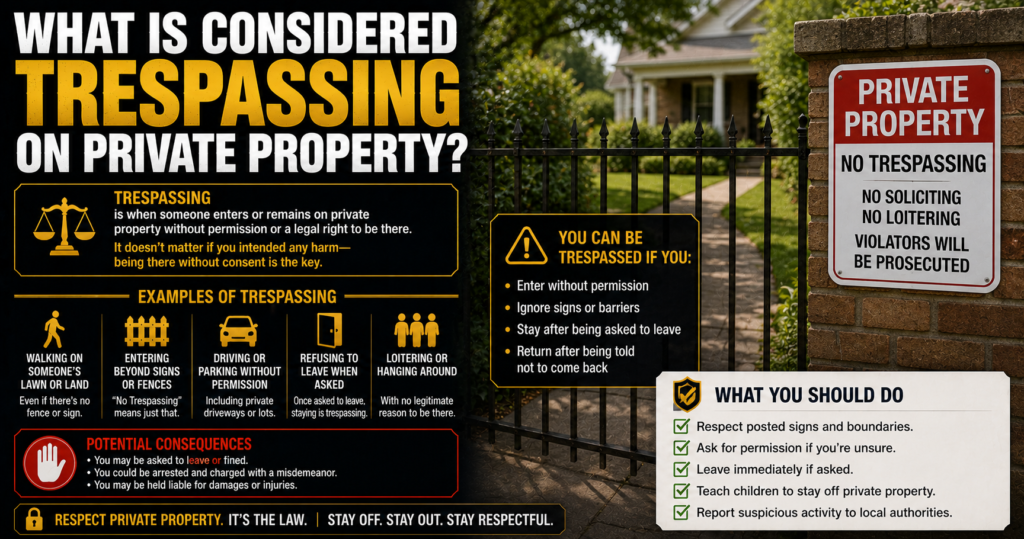
If you’re curious where that line is legally, our article explaining what is considered trespassing on private propertycovers when entering another person’s land may create legal problems.
What If They Cut Too Much?
Sometimes homeowners don’t realize there’s a problem until months later.
The tree begins losing leaves.
Large limbs die.
The tree becomes unstable.
Or it simply never recovers from excessive pruning.
When that happens, the discussion often shifts away from whether trimming was allowed and toward whether the trimming caused unnecessary damage.
I’ve found that’s where documentation becomes extremely important.

Take photographs of the tree before cleanup, save any messages between you and your neighbor, and document when the trimming occurred. A portable scanner can also help you scan important property documents and surveys for digital storage after documenting the dispute.
What If the Tree Dies Months Later?
Sometimes the damage isn’t obvious right away.
A tree may look fine immediately after heavy pruning, only to begin declining over the following growing season.
Leaves may never fully return.
Large limbs may die back.
The trunk may begin splitting or showing signs of disease.
I’ve found these situations can become much harder to evaluate because the neighbor may argue the tree died from insects, drought, disease, or old age rather than the trimming itself.
If you believe excessive pruning caused the damage, taking photographs over time and having the tree evaluated by a qualified arborist may help document what happened.
What If the Tree Was on the Property Line?
Not every tree clearly belongs to one homeowner.
Some trees grow directly on the property boundary.
When that happens, ownership and maintenance responsibilities can become much more complicated than they are for a tree growing entirely on one side.
Before assuming either homeowner had the right to make major decisions about the tree, it’s worth determining exactly where the trunk sits and whether the tree may be jointly owned under your state’s laws.
Can You Recover the Cost of a Mature Tree?
One mistake people make is assuming compensation is limited to buying another young tree from the local garden center.
That’s rarely an apples-to-apples comparison.
A mature shade tree may have taken decades to grow.
Besides replacement costs, its removal may reduce privacy, curb appeal, energy efficiency, and even the overall appearance of your property.
Depending on the facts and your state’s laws, the value of the loss may be much greater than the cost of planting a small replacement.
Try to Resolve the Problem Before It Escalates
Not every disagreement has to end in court.
I’ve found that many neighbors genuinely don’t realize they’ve gone too far until someone calmly explains the situation.
If your relationship with your neighbor has generally been good, an honest conversation may resolve the issue much faster than a legal dispute.
If you do talk with them, keep the discussion focused on facts instead of emotions.
Explain what happened, share photographs if needed, and give them an opportunity to respond before assuming the worst.
When You Should Consider Speaking With an Attorney
Most minor trimming disputes never require legal action.
However, you may want to speak with an attorney if:
- The tree was permanently damaged or died.
- The tree had significant financial or sentimental value.
- Your neighbor entered your property without permission.
- There is a serious disagreement about where the property line is.
- The damage is substantial and your insurance company believes another party may be responsible.
Getting legal advice early may help you understand your options before important evidence disappears.
Frequently Asked Questions
Can my neighbor cut branches hanging over their yard?
In many states, yes. Homeowners are often allowed to trim branches extending onto their property, but generally only to the property line and without unnecessarily damaging the tree.
Can my neighbor come into my yard to trim my tree?
Generally, no. Trimming rights usually don’t include the right to enter someone else’s property without permission. If your neighbor crossed onto your land to cut your tree, that may raise additional legal issues.
What if my neighbor kills my tree by trimming it?
Depending on the facts and the laws in your state, you may have legal options if excessive trimming permanently damaged or killed your tree.
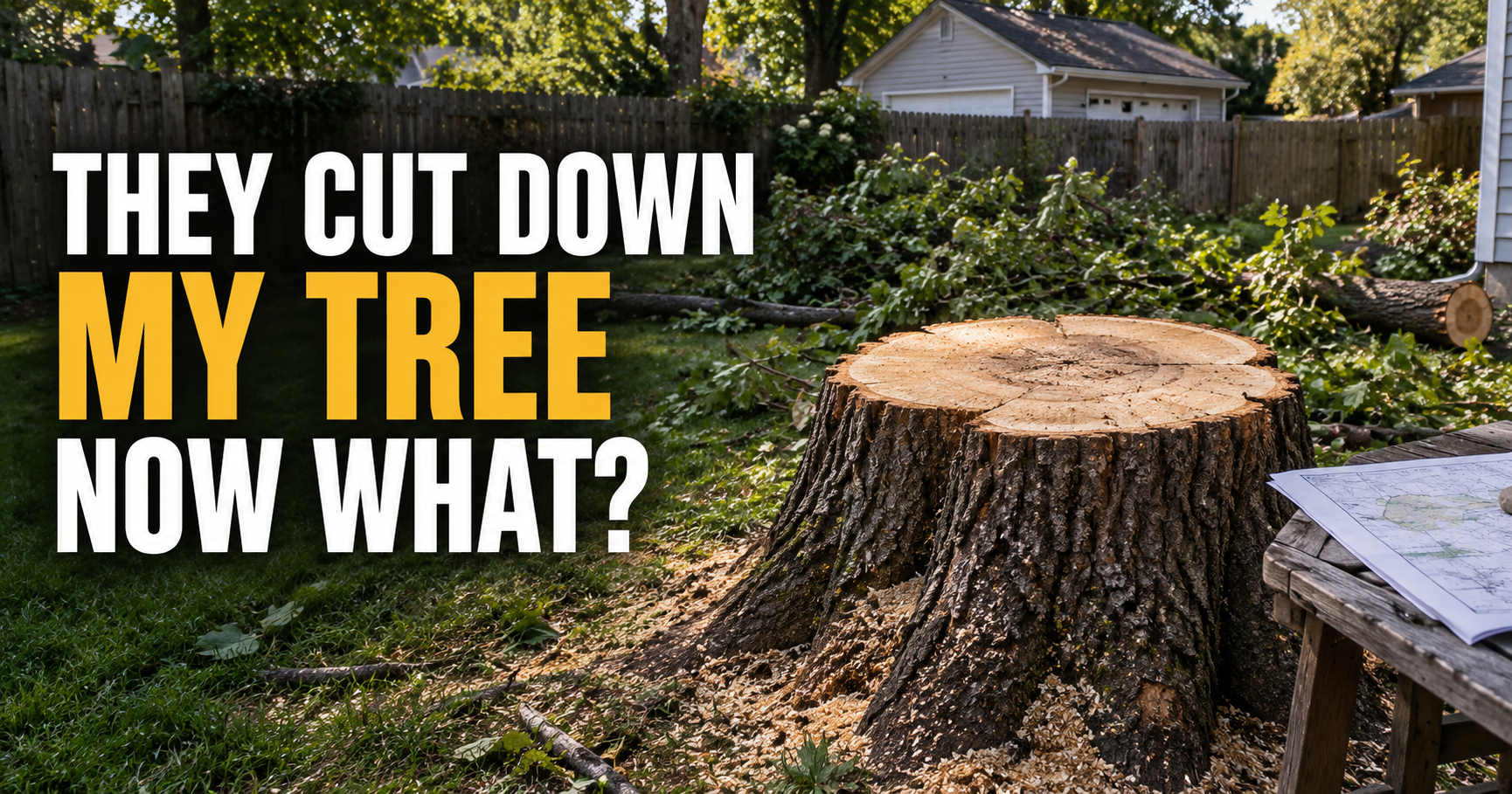
If that has already happened, you may also find our guide on My Neighbor Cut Down My Tree. Can I Sue? helpful because many of the same legal principles apply.
What if I don’t know exactly where my property line is?
That’s one of the first questions to answer before either homeowner starts trimming. Our article on how to find your property lines explains several ways to verify your legal boundary.
Should I hire an arborist?
For significant pruning, valuable trees, or situations where damage has already occurred, an arborist can often provide valuable information about the tree’s health and whether improper trimming contributed to its decline.
Important Information
This article is intended for general educational purposes only and should not be considered legal advice. Property laws, tree ownership rules, and homeowner rights vary by state. If your tree has been seriously damaged or you’re involved in a significant dispute with a neighbor, consider speaking with a licensed attorney in your jurisdiction.
About the Author
Ryan Caldwell is a property rights researcher and homeowner legal writer for Legal Know It All. He specializes in explaining neighbor disputes, property boundaries, easements, trespassing, and homeowner rights in plain English so homeowners can confidently understand their legal options before small disagreements turn into expensive legal battles.