
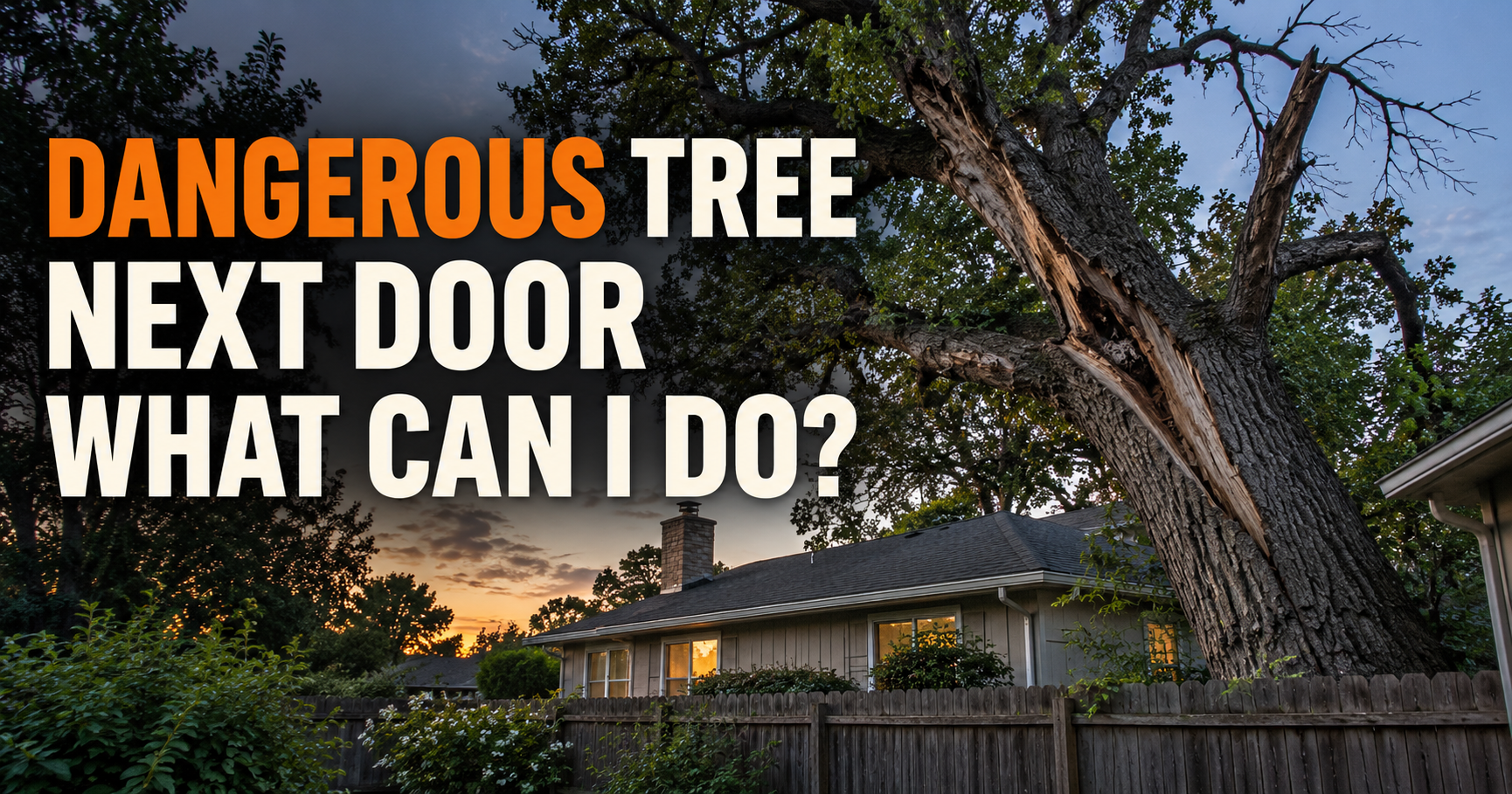
Every time the weather forecast calls for strong winds, you find yourself looking at the same tree.
Maybe it’s leaning toward your house.
Maybe large branches have already crashed into your yard.
Maybe the trunk looks hollow, the bark is falling off, or the tree hasn’t grown leaves in years.
I’ve found that few neighbor disputes cause as much anxiety as knowing a tree could come crashing down at any moment.
The frustrating part is feeling like there’s nothing you can do about it.
So, can you actually force your neighbor to remove a dangerous tree?
The answer isn’t always simple. While you generally can’t demand that someone cut down a healthy tree just because it worries you, the law may view things differently when there’s evidence the tree poses a genuine hazard.
Quick Answer
You usually cannot force your neighbor to remove a tree simply because you believe it’s dangerous. However, if the tree presents an obvious hazard and the owner knows or reasonably should know about the risk, they may have legal responsibilities depending on your state’s laws and the specific facts of the situation.
Not Every Big Tree Is a Dangerous Tree
One of the biggest misunderstandings I see is homeowners assuming a tall tree automatically creates liability.
That’s simply not true.
Healthy trees can stand for generations without causing problems.
Even healthy trees occasionally fall during tornadoes, hurricanes, ice storms, or unusually severe weather.
That alone doesn’t mean the owner did anything wrong.
Instead, what usually matters is whether there were warning signs that should have alerted a reasonable property owner the tree was becoming unsafe.

Signs a Tree May Actually Be Dangerous
No one can determine whether a tree should be removed just by looking at one photograph.
Still, there are several warning signs that deserve attention.
These can include:
- The tree has completely died.
- Large limbs regularly fall without storms.
- Deep cracks have formed in the trunk.
- The trunk has large hollow sections.
- Mushrooms or fungal growth appear around the base.
- The tree has developed a noticeable lean that continues getting worse.
- Major roots are lifting out of the ground.
- Previous storm damage left the tree structurally weakened.
One of these signs doesn’t automatically mean removal is necessary.
However, several warning signs together may justify having the tree professionally evaluated.
Start With a Friendly Conversation
I’ve found that most neighbors aren’t intentionally ignoring dangerous trees.
Sometimes they simply haven’t noticed what you see from your side of the fence.
Before assuming the worst, have a respectful conversation.
Explain your concerns.
Show them photographs if necessary.
You may discover they’ve already planned to remove the tree or simply didn’t realize it had become a safety concern.
A five-minute conversation can often prevent months of frustration.
Document the Tree’s Condition
If you’re genuinely worried the tree could fall, begin documenting what you’re seeing.
Take clear photographs from several angles.
Capture dead branches, visible decay, leaning, damaged roots, or anything else that concerns you.
If the condition changes over time, continue taking updated photographs every few months.
I’ve found that documentation becomes much more valuable if the tree eventually falls or someone later disputes how dangerous it actually appeared.
Consider Having an Arborist Inspect the Tree
Sometimes the smartest investment is getting a professional opinion.
A certified arborist can evaluate whether a tree is healthy, declining, structurally compromised, or creating an elevated risk of failure.
Their findings may help answer questions that homeowners simply can’t answer on their own.
If the dispute later involves insurance or legal claims, that professional evaluation may become important evidence.
What If Branches Already Hang Over Your Property?
Sometimes the tree itself isn’t the immediate concern.
Instead, it’s the large limbs hanging over your roof, driveway, or backyard.
In many states, homeowners may generally trim branches extending onto their property, but there are limits.
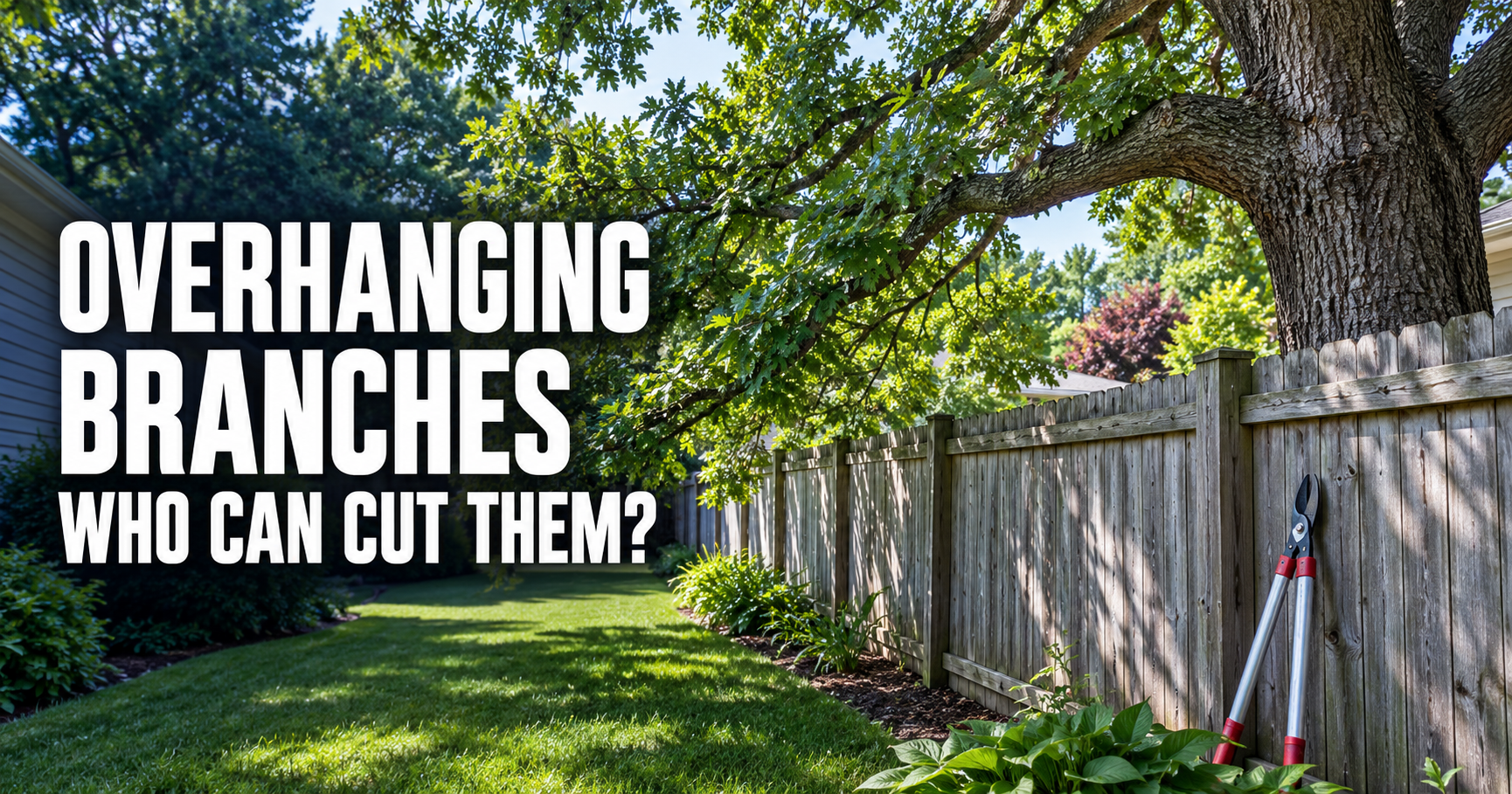
Our guide explaining Can I Cut Tree Branches Overhanging My Property? walks through when trimming is generally allowed and when cutting too much may create legal problems.
What If Your Neighbor Refuses to Do Anything?
Sometimes the conversation doesn’t go the way you hoped.
You explain your concerns.
You point out the dead limbs.
You even show photographs.
Your neighbor shrugs and says the tree is staying.
I’ve found this is where many homeowners start wondering whether they have any legal way to force action before someone gets hurt.
Unfortunately, there usually isn’t a simple process that lets you demand your neighbor remove a tree simply because it concerns you.
However, that doesn’t necessarily mean you’re out of options.

Could Your City or County Get Involved?
In some communities, local governments have ordinances addressing dangerous trees.
If a tree creates an immediate threat to public safety, such as blocking a roadway or threatening utility lines, local officials may have authority to inspect the situation or require corrective action.
Not every city or county has the same rules, so it’s worth checking with your local government before assuming nothing can be done.
What If the Tree Falls Before Anything Is Done?
This is exactly what many homeowners worry about.
If the tree eventually falls and damages your house, fence, garage, or another structure, one of the biggest questions becomes whether the owner knew the tree was dangerous beforehand.
Evidence that the owner ignored obvious warning signs may become important if responsibility is later disputed.
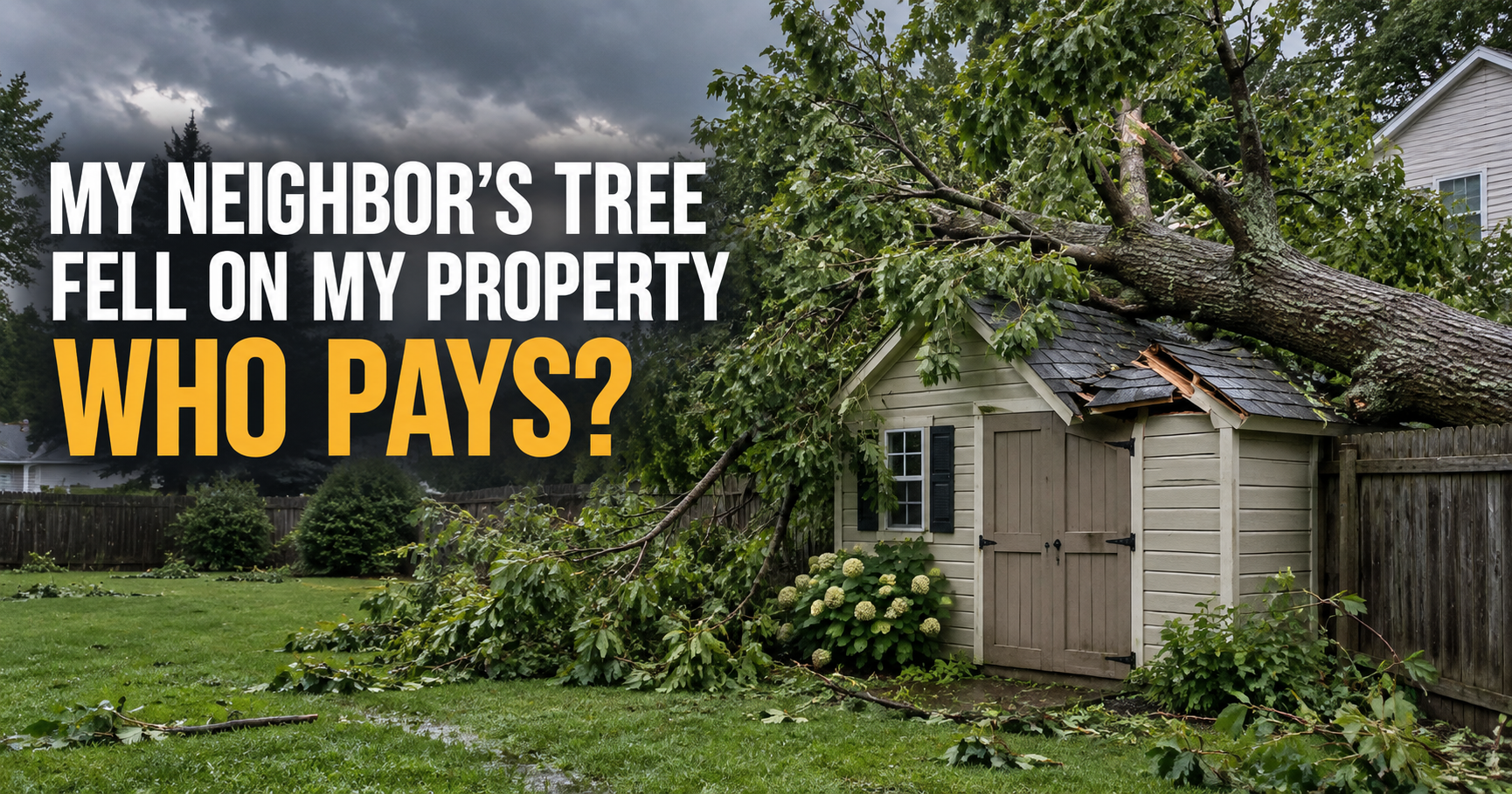
If you’re wondering how those situations are often handled, our guide on Who Pays If My Neighbor’s Tree Falls on My Property? explains how liability and insurance frequently work after a tree comes down.
Don’t Assume You Can Remove the Tree Yourself
Some frustrated homeowners consider hiring someone to remove the tree without their neighbor’s permission.
That’s usually a bad idea.
Even if you genuinely believe the tree is dangerous, removing or seriously damaging someone else’s tree could create legal problems of your own.
The safer approach is documenting the issue, communicating with your neighbor, and exploring your legal options before taking action.
What If Only the Branches Are the Problem?
Sometimes the trunk is healthy, but large limbs are hanging over your roof or driveway.
In many states, homeowners may generally trim branches that extend onto their property, but there are limits.
Removing the entire tree is very different from trimming a few overhanging limbs.
Our article on Can My Neighbor Trim My Tree Without Permission? also explains where trimming rights usually end and where damage to someone else’s tree may become a legal issue.
Property Lines Can Change the Entire Situation
Occasionally, neighbors aren’t even arguing about the tree.
They’re arguing about who owns it.
If the trunk is close to the property boundary, determining ownership may become one of the first issues that needs to be resolved.
That’s why it’s important to know where your legal boundary actually sits instead of relying on fences, landscaping, or assumptions.
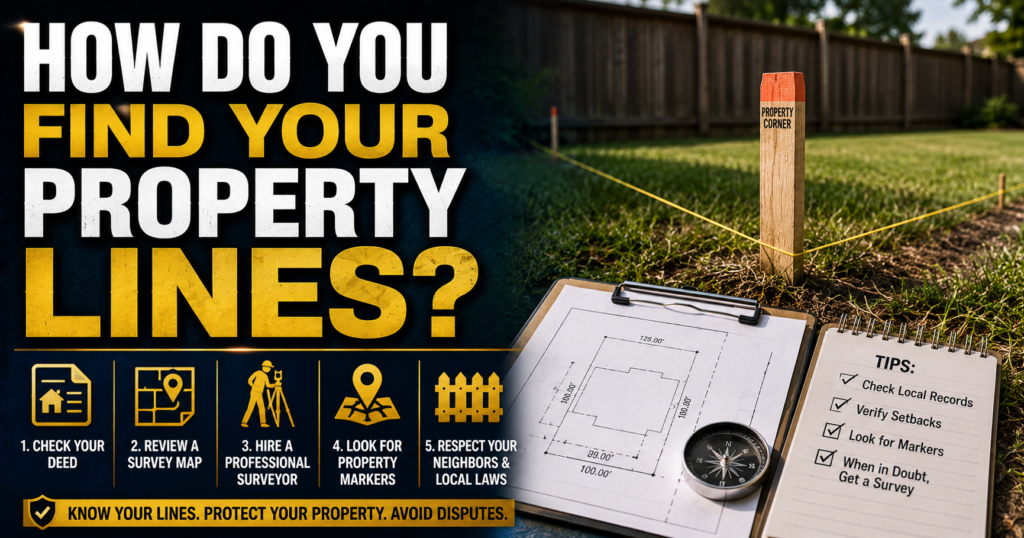
If there’s uncertainty, our guide on How Do You Find Your Property Lines? explains several ways homeowners can verify their property boundaries.
Frequently Asked Questions
Can I force my neighbor to cut down a dead tree?
Usually, there isn’t a simple legal process that allows you to force a neighbor to remove a tree simply because you believe it’s dangerous. However, if the tree poses a genuine hazard, the owner’s legal responsibilities may change depending on your state’s laws and the specific facts.
Should I notify my neighbor in writing?
If you’re genuinely concerned about a hazardous tree, written communication can help document that the issue was brought to the owner’s attention. Keep your message respectful and focus on the facts rather than accusations.
What if the tree is leaning toward my house?
A leaning tree isn’t automatically dangerous, but a tree that continues leaning, shows root movement, or has visible structural damage should be evaluated by a qualified arborist.
Can I cut the tree down myself?
Generally, no. Even if you believe the tree is dangerous, removing someone else’s tree without permission could create significant legal problems.
What if the tree eventually damages my property?
If the tree later falls and causes damage, the facts surrounding the tree’s condition beforehand may become important. Our article Who Pays If My Neighbor’s Tree Falls on My Property? explains how those situations are often evaluated.
Important Information
This article is intended for general educational purposes only and should not be considered legal advice. Tree liability, property laws, negligence standards, and local ordinances vary by state. If you believe a neighboring tree presents an immediate danger or you’re involved in a dispute over property damage, consider consulting a licensed attorney or other qualified professional in your area.
About the Author
Ryan Caldwell is a property rights researcher and homeowner legal writer for Legal Know It All. He specializes in explaining neighbor disputes, property boundaries, easements, trespassing, and homeowner rights in straightforward language so homeowners can better understand their legal options before everyday property issues become expensive legal conflicts.