
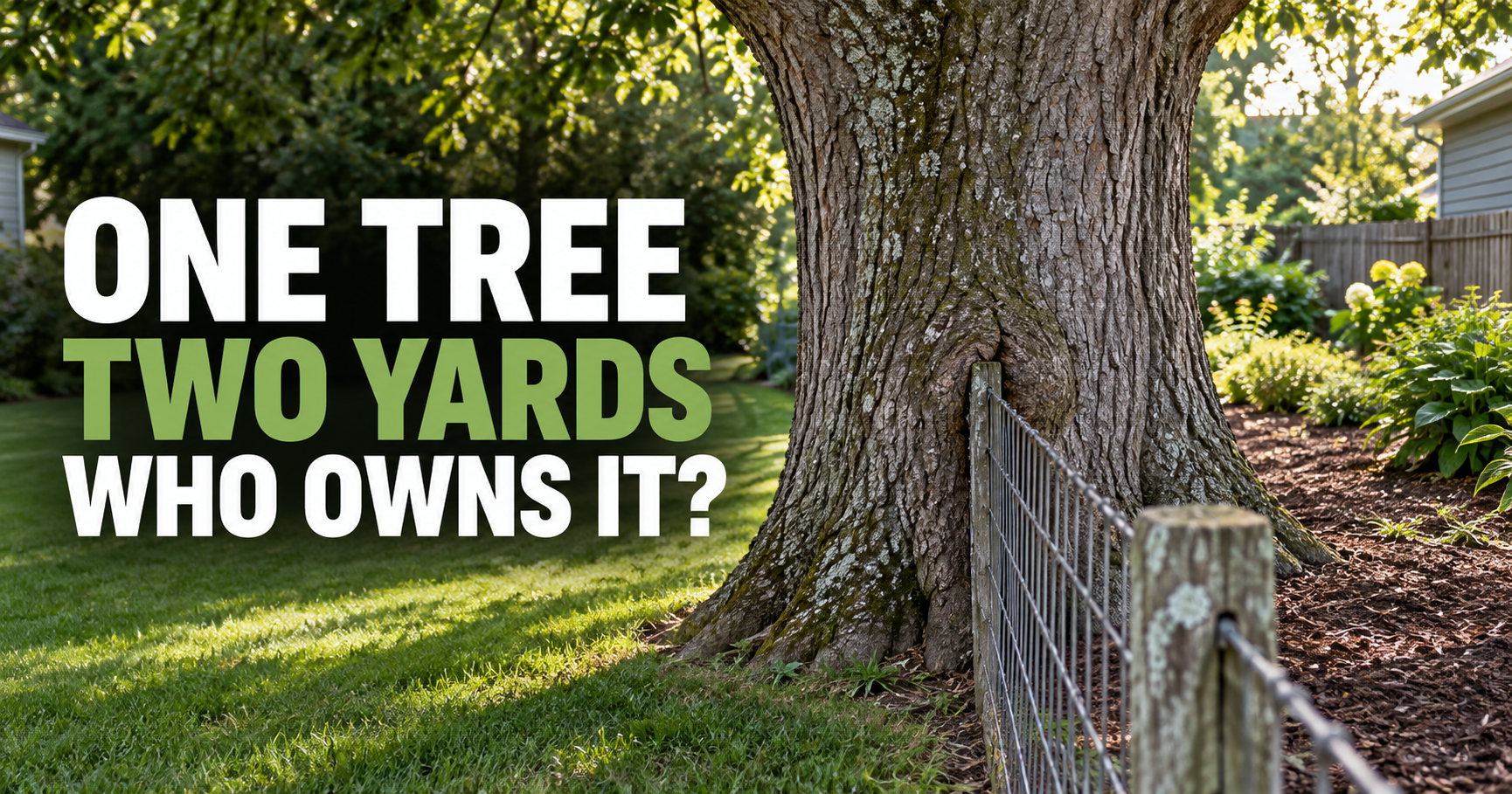
Trees don’t always grow where we’d like them to.
Sometimes they’re clearly in one yard.
Sometimes they’re clearly in the other.
But every now and then, a tree seems to grow right on the property line, leaving both neighbors asking the same question.
Who actually owns it?
I’ve found this is one of the most misunderstood property disputes homeowners face.
Many people assume whoever planted the tree owns it forever.
Others believe whoever’s yard has more of the trunk owns it.
Neither assumption is always correct.
When a tree grows directly on a property boundary, ownership can become much more complicated than people expect.
Quick Answer
In many situations, a tree growing directly on the property line may be considered jointly owned by both neighboring property owners. However, ownership and each homeowner’s rights depend on the specific facts and the laws in your state.
The Location of the Trunk Usually Matters Most
When trying to determine who owns a tree, most people immediately start looking at the branches.
That’s usually the wrong place to start.
Instead, the trunk is often the most important part of the tree.
If the entire trunk is located on one property, ownership is generally much easier to determine.
When the trunk actually crosses the property boundary, the situation often becomes much more complicated.

Before making assumptions, it’s important to know exactly where your property line is. If there’s any uncertainty, our guide on How Do You Find Your Property Lines? explains several ways homeowners can verify their legal boundary.


Can One Neighbor Cut Down the Tree?
This is where many disputes begin.
One homeowner wants the tree gone.
The other loves the shade.
If the tree is jointly owned, removing it without the other owner’s agreement may create significant legal problems depending on your state’s laws.
I’ve found it’s always better to discuss major decisions before someone hires a tree service.
Once a mature tree has been removed, there’s no easy way to undo the damage.
What About Trimming the Tree?
Not every disagreement involves removing the entire tree.
Sometimes one neighbor simply wants to trim a few branches.
Even then, homeowners should be careful.
If trimming significantly damages a jointly owned tree, responsibility for that damage may become part of the dispute.
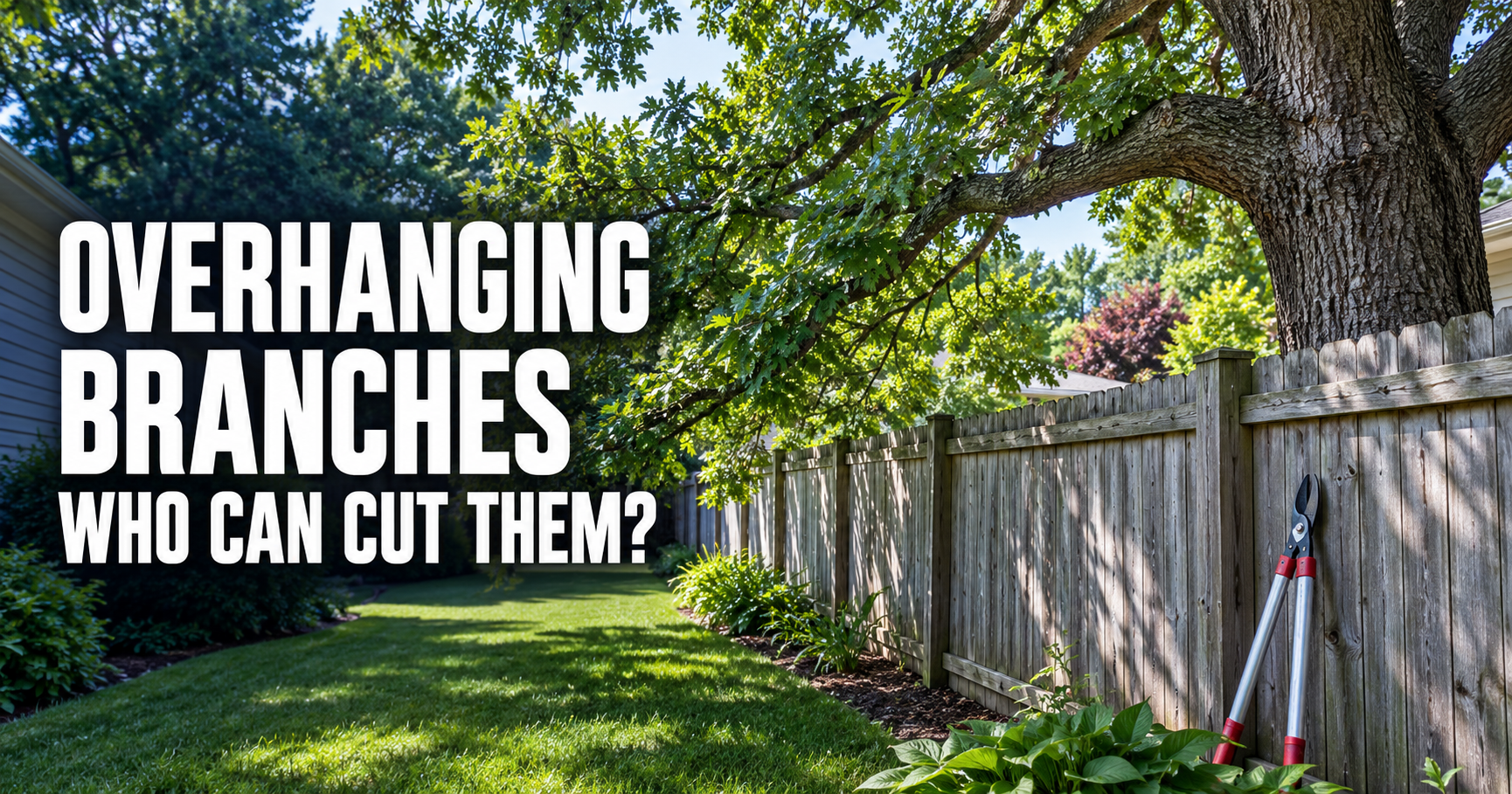
If you’re dealing with ordinary overhanging limbs rather than a boundary tree, our guide on Can I Cut Tree Branches Overhanging My Property? explains how those situations are often handled.

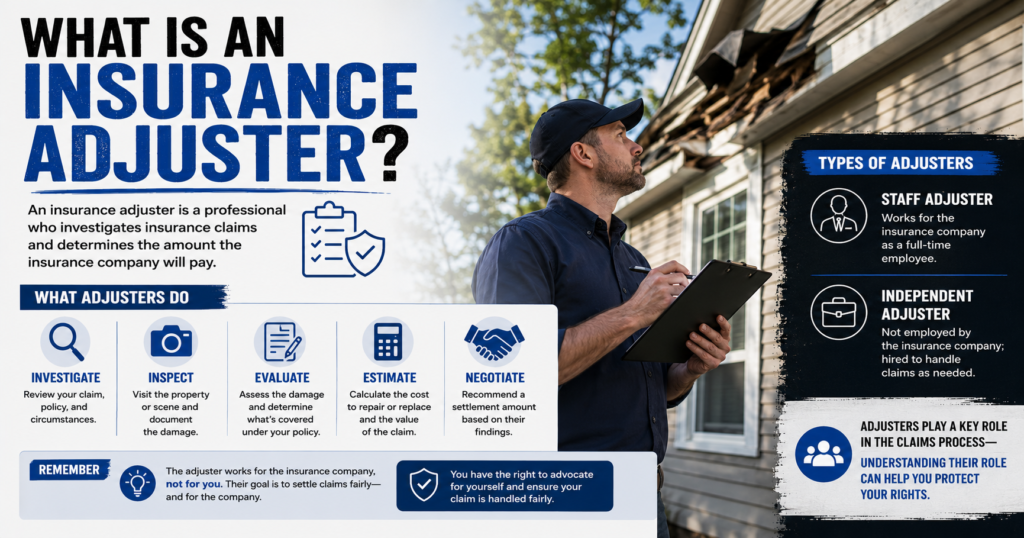
Who Pays if the Tree Needs to Be Removed?
Large trees can cost thousands of dollars to remove safely. The practical removal methods and cost factors are covered in tree and stump removal methods.
When both neighbors benefit from the tree, questions often arise about who should pay when removal becomes necessary.
The answer isn’t always the same.
It may depend on why the tree is being removed, whether it’s become hazardous, whether one homeowner requested the work, and the laws where the property is located.
What If the Tree Becomes Dangerous?
A boundary tree that begins dying presents another challenge.
Neither homeowner wants to be responsible if it eventually falls.
If there are signs the tree has become hazardous, addressing the issue early is usually much easier than dealing with property damage afterward.
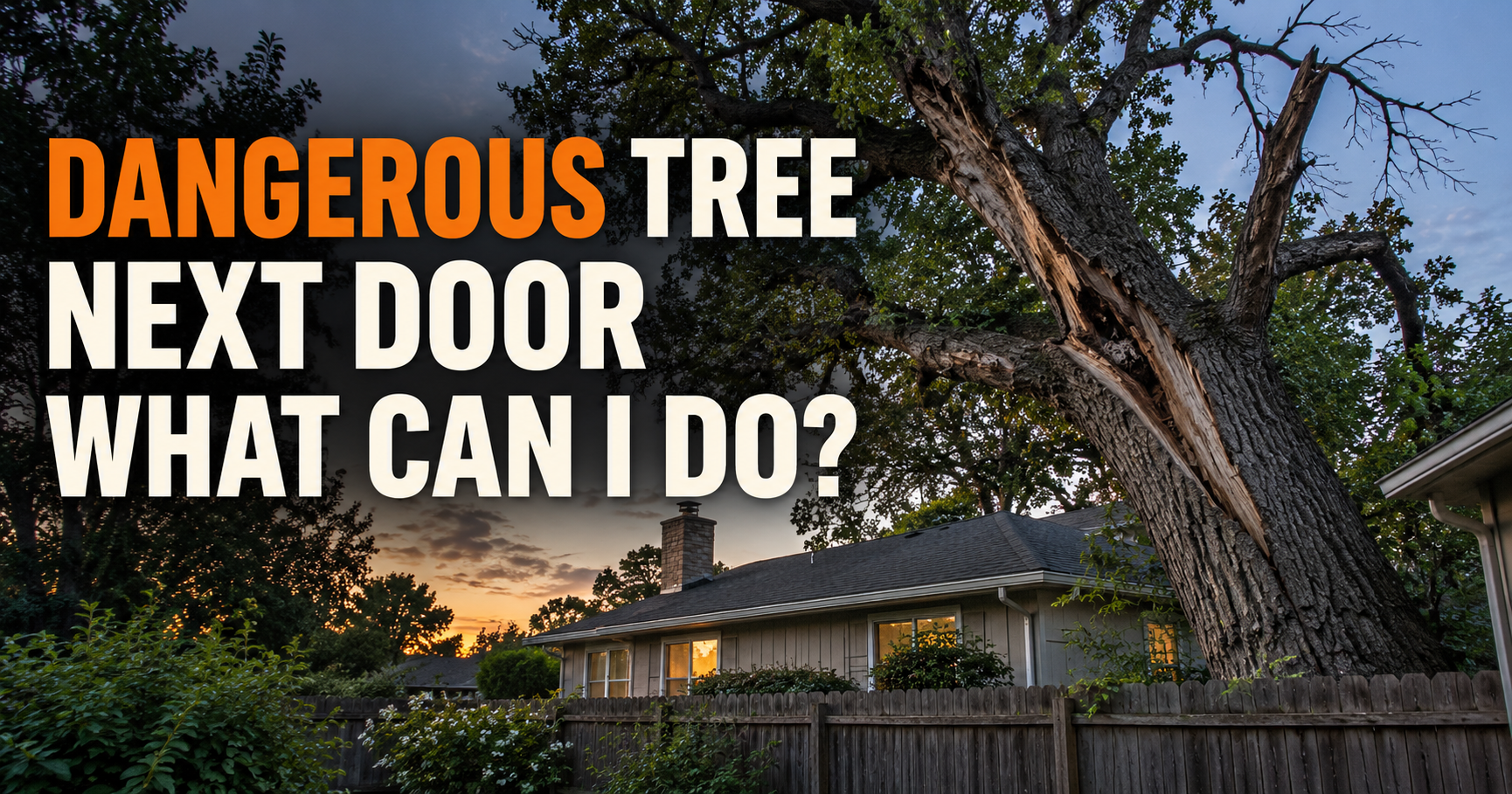
If you’re worried about a tree that’s becoming unsafe, our article on Can I Make My Neighbor Remove a Dangerous Tree? explains when homeowners may have legal options before the tree falls.
Can One Neighbor Trim the Tree Without Asking?
This is another area where disagreements often start.
One homeowner notices branches hanging lower than they’d like.
The other wants to keep the tree looking full and healthy.
If the tree is jointly owned, making major cuts without discussing them first can quickly create conflict.
I’ve found it’s usually best for both owners to agree on significant pruning before any work begins.
Even if the trimming seems reasonable, removing large portions of a shared tree without the other owner’s knowledge could lead to disagreements about damage, appearance, or the tree’s long-term health.
What If One Neighbor Wants the Tree and the Other Doesn’t?
This situation happens more often than people realize.
One homeowner loves the shade and privacy.
The other is tired of raking leaves, cleaning gutters, or worrying about roots.
Unfortunately, there isn’t always an easy solution.
Because a boundary tree may be jointly owned, one homeowner generally can’t assume they have the right to remove it simply because they no longer want it.
I’ve found that compromise usually works far better than making a decision without the other owner’s involvement.

What Happens if the Tree Falls?
Storms don’t care who owns the tree.
If a boundary tree falls, questions often arise about who is responsible for cleanup and any resulting property damage.
The answer depends on many factors, including why the tree fell, whether it showed signs of being hazardous beforehand, and how your state’s laws handle liability.
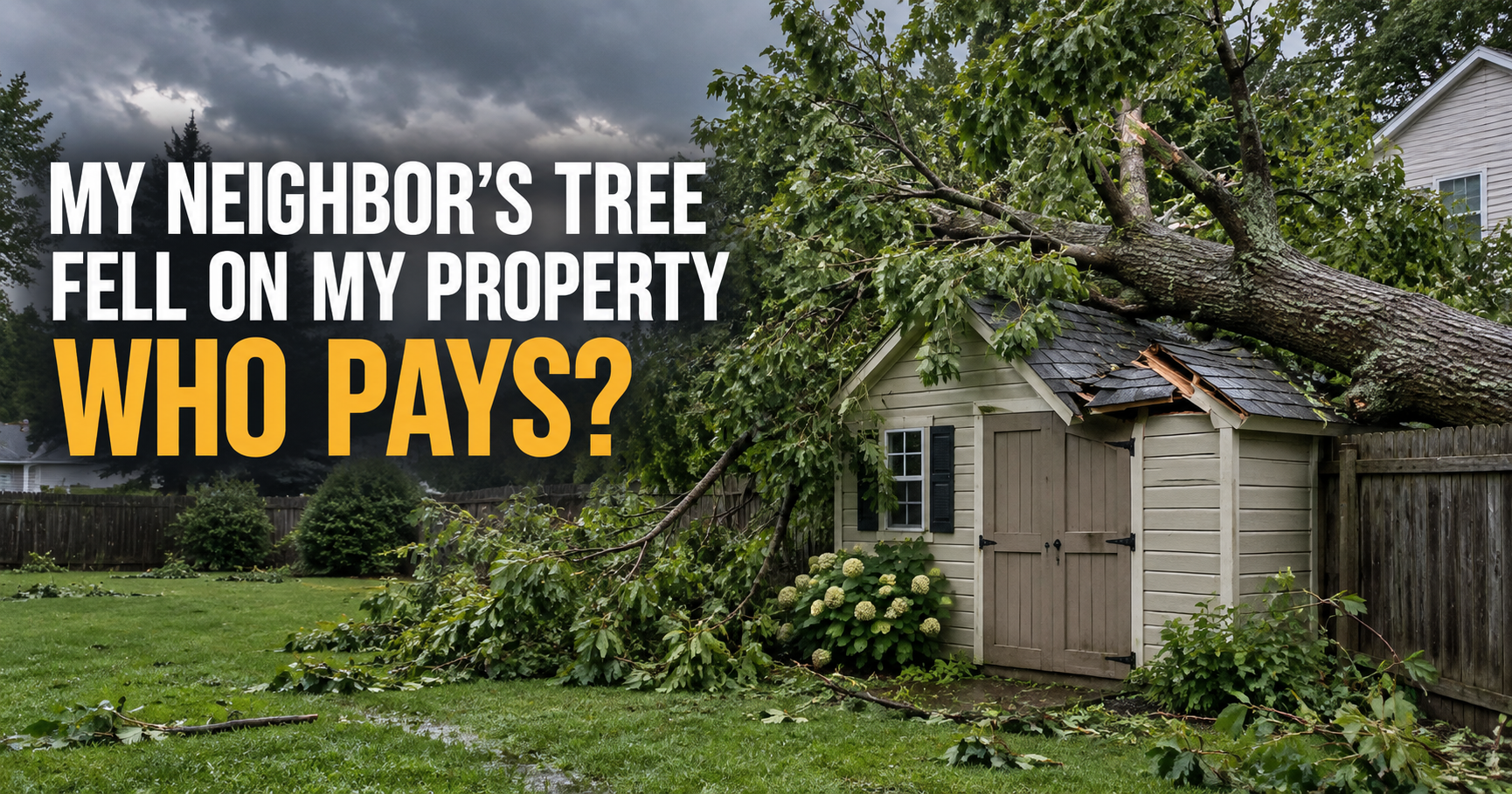
If you’re dealing with damage after a storm, our article on Who Pays If My Neighbor’s Tree Falls on My Property?explains how these situations are commonly handled.
Can One Neighbor Be Responsible for Maintenance?
A shared tree doesn’t automatically mean one homeowner has to do all the work.
Routine pruning, disease treatment, and removal of dead limbs often become shared concerns because the tree benefits, and sometimes affects, both properties.
If major work becomes necessary, discussing how costs will be handled before hiring a tree service can prevent disagreements later.
Property Surveys Can Prevent Costly Mistakes
I’ve found that many boundary tree disputes begin because nobody actually knows where the property line is.
Old fences aren’t always built on the legal boundary.
Landscaping can be misleading.
Even longtime neighbors may discover they’ve been wrong for years.
If ownership is uncertain, a professional survey may answer the question before someone removes or significantly alters a valuable tree.
Frequently Asked Questions
How do I know if a tree is actually on the property line?
The location of the trunk is usually the most important factor. If there’s uncertainty, a professional property survey can help determine whether the tree sits entirely on one property or directly on the boundary.
Can my neighbor cut down a shared tree?
If the tree is jointly owned, one homeowner generally should not assume they can remove it without the other owner’s involvement. State laws can vary, so significant work should be approached carefully.
Who pays to remove a boundary tree?
That depends on why the tree is being removed, whether both owners agree, and the laws where the property is located. In many situations, neighbors work together to share the cost.
What if the tree becomes dangerous?
A hazardous boundary tree should be addressed promptly. Waiting until it falls may create much larger problems than dealing with it early.
Does it matter who planted the tree?
Not always. While the history of the tree may be relevant in some situations, ownership is often determined by where the trunk is located and how state law treats boundary trees.
Important Information
This article is intended for general educational purposes only and should not be considered legal advice. Laws involving boundary trees, shared ownership, property rights, and liability vary by state. If you’re involved in a dispute over a tree growing on a property line, consider consulting a licensed attorney or other qualified professional familiar with your state’s laws.
About the Author
Ryan Caldwell is a property rights researcher and homeowner legal writer for Legal Know It All. He specializes in explaining neighbor disputes, property boundaries, easements, trespassing, and homeowner rights in plain English so homeowners can make informed decisions before small disagreements become expensive legal disputes.