
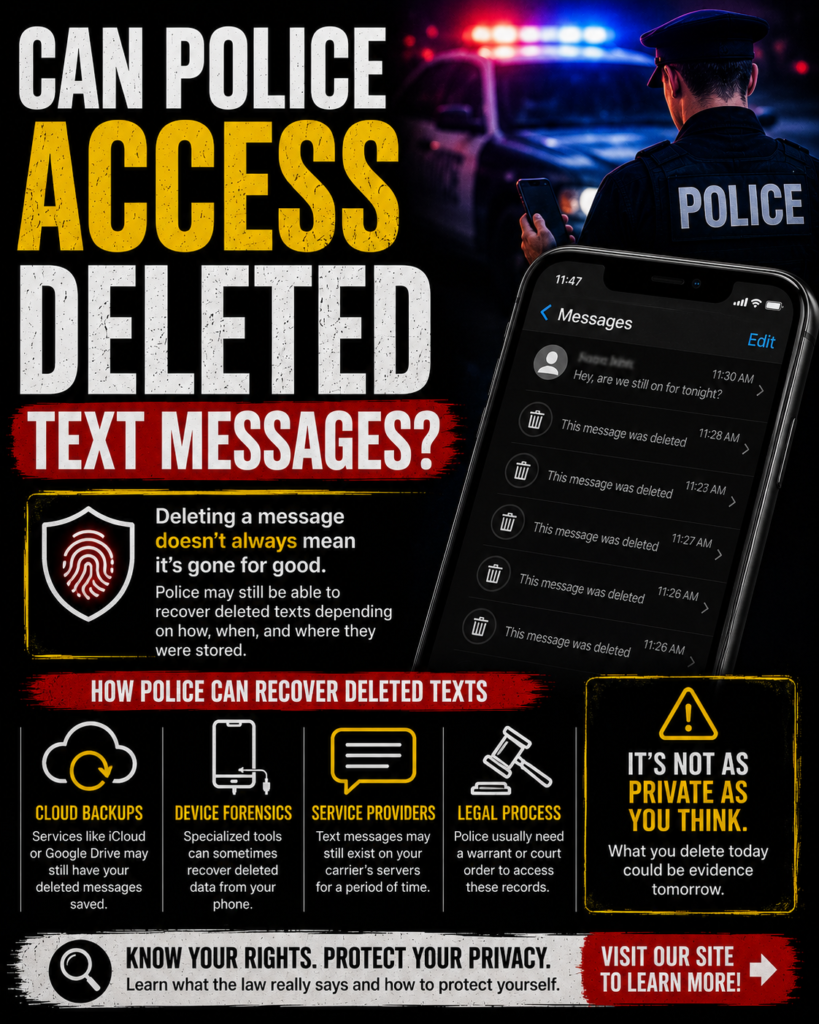
Most people have deleted a text message at some point.
Maybe it was an old conversation.
Maybe it was spam.
Maybe it was simply something they no longer wanted cluttering their phone.
For many Americans, deleting a message feels permanent.
Once it disappears from the screen, they assume it is gone forever.
That assumption has led countless people to ask an important question:
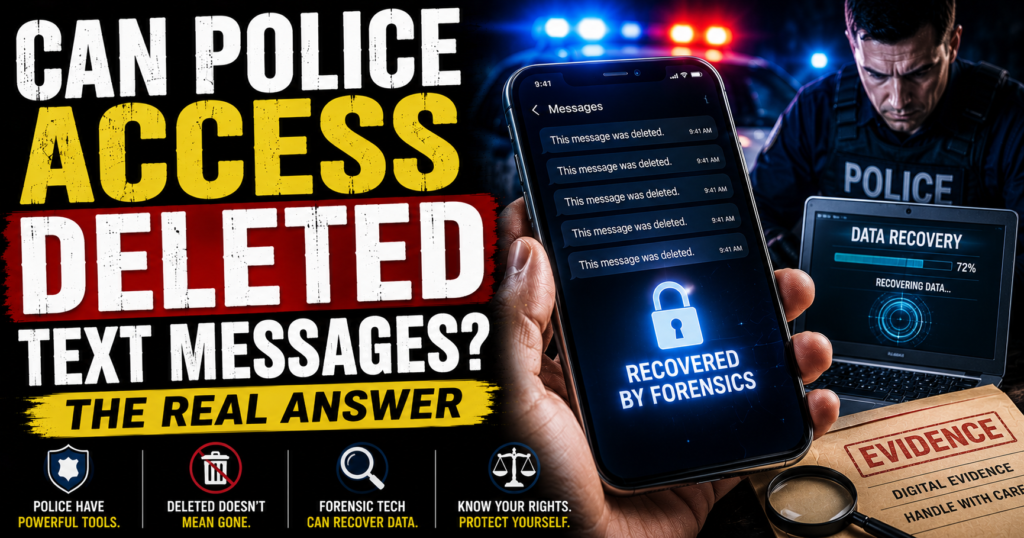
Can police access deleted text messages?
I’ve found that many people fall into one of two camps.
Some believe deleted messages disappear permanently the moment they are erased.
Others assume that every deleted text can always be recovered.
As with many digital-privacy questions, the truth is often more complicated.
Quick Answer
Whether deleted text messages may be accessible often depends on factors such as the technology involved, device settings, backups, service providers, privacy laws, constitutional protections, and the specific facts of a situation.
Why Deleted Text Messages Create So Much Confusion
Text messaging has become one of the most common forms of communication in America.
People use text messages for:
- Family conversations
- Work discussions
- Banking alerts
- Travel updates
- Personal communication
- Everyday planning
Because texting plays such a major role in daily life, questions involving deleted messages naturally attract significant attention.
Many People Misunderstand What “Deleted” Means
One thing I’ve noticed is that people often think deleting a message and destroying information are the same thing.
In reality, technology is rarely that simple.
Different devices, applications, operating systems, and backup systems may handle deleted information differently.
That is one reason digital-privacy questions can become surprisingly complicated.
Smartphones Store Enormous Amounts Of Information
Modern smartphones contain far more than text messages.
A typical device may also contain:
- Photos
- Videos
- Email accounts
- Location information
- Social media activity
- Browsing history
Because phones contain so much personal information, digital privacy has become one of the most important constitutional-rights topics of the modern era.
Readers interested in phone-related privacy issues may also find helpful information in:
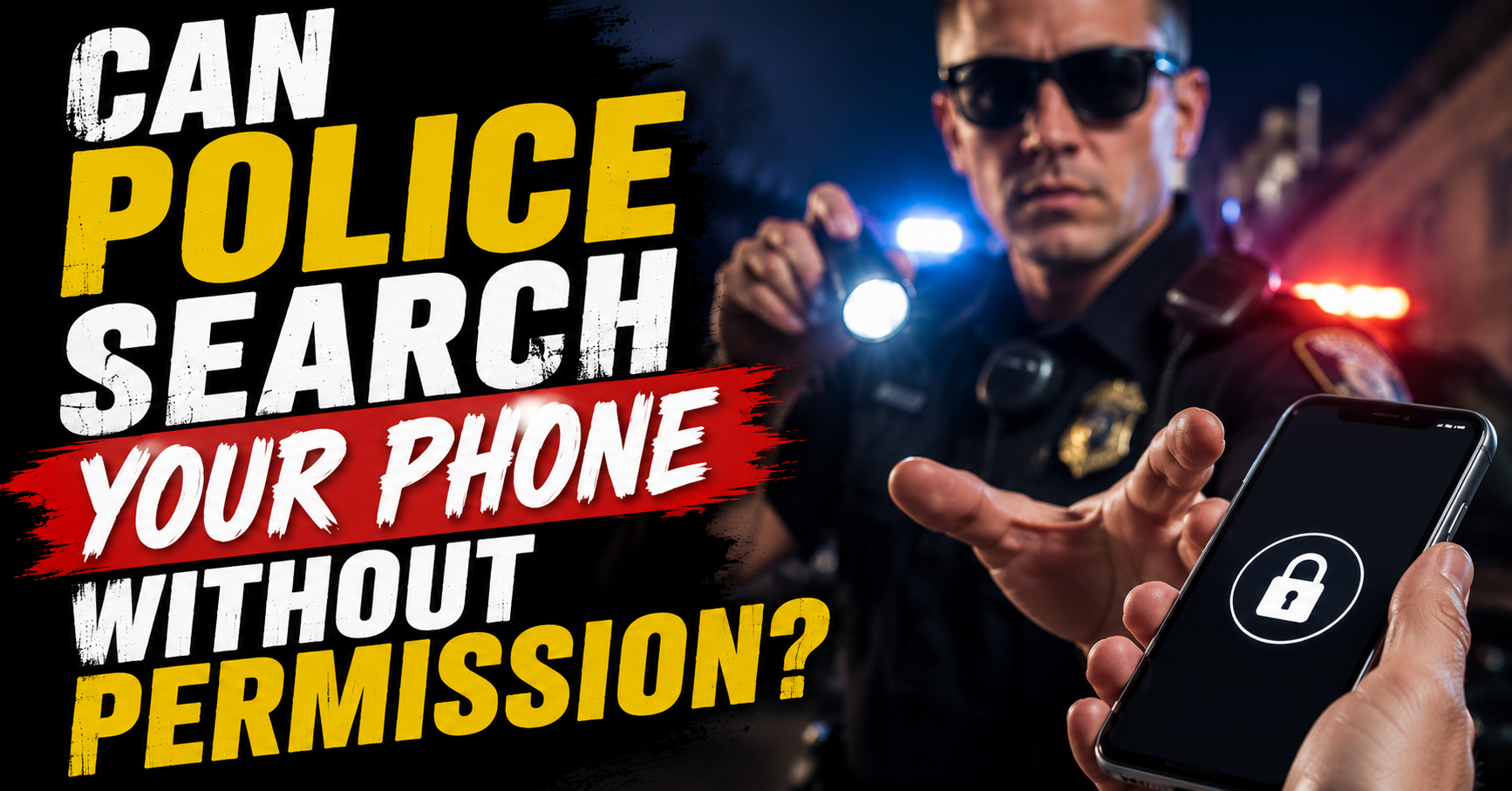
Can Police Search Your Phone Without Permission?

Deleted Messages Often Raise Technology Questions
Many discussions involving deleted text messages eventually become discussions about technology itself.
Questions often involve:
- Device storage
- Backups
- Cloud accounts
- Messaging applications
- Service providers
That is one reason technology continues playing an increasingly important role in privacy-related legal discussions.
Text Messages Are Closely Connected To Other Digital Privacy Issues
I’ve found that people researching deleted text messages frequently continue researching related topics.
For example:
Can Police Search Your Email? What Every American Should Know
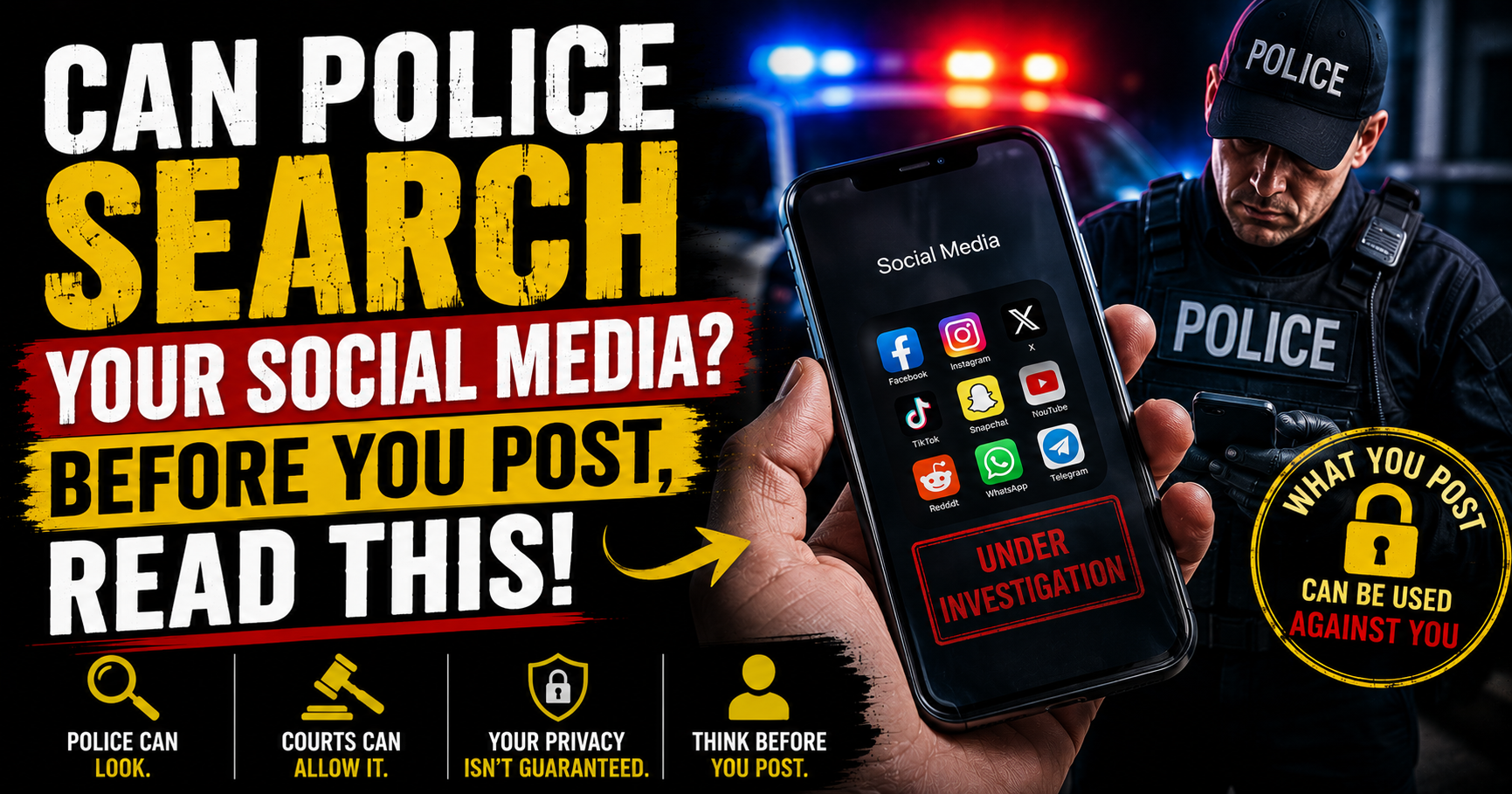
Can Police Search Your Social Media? Before You Post, Read This
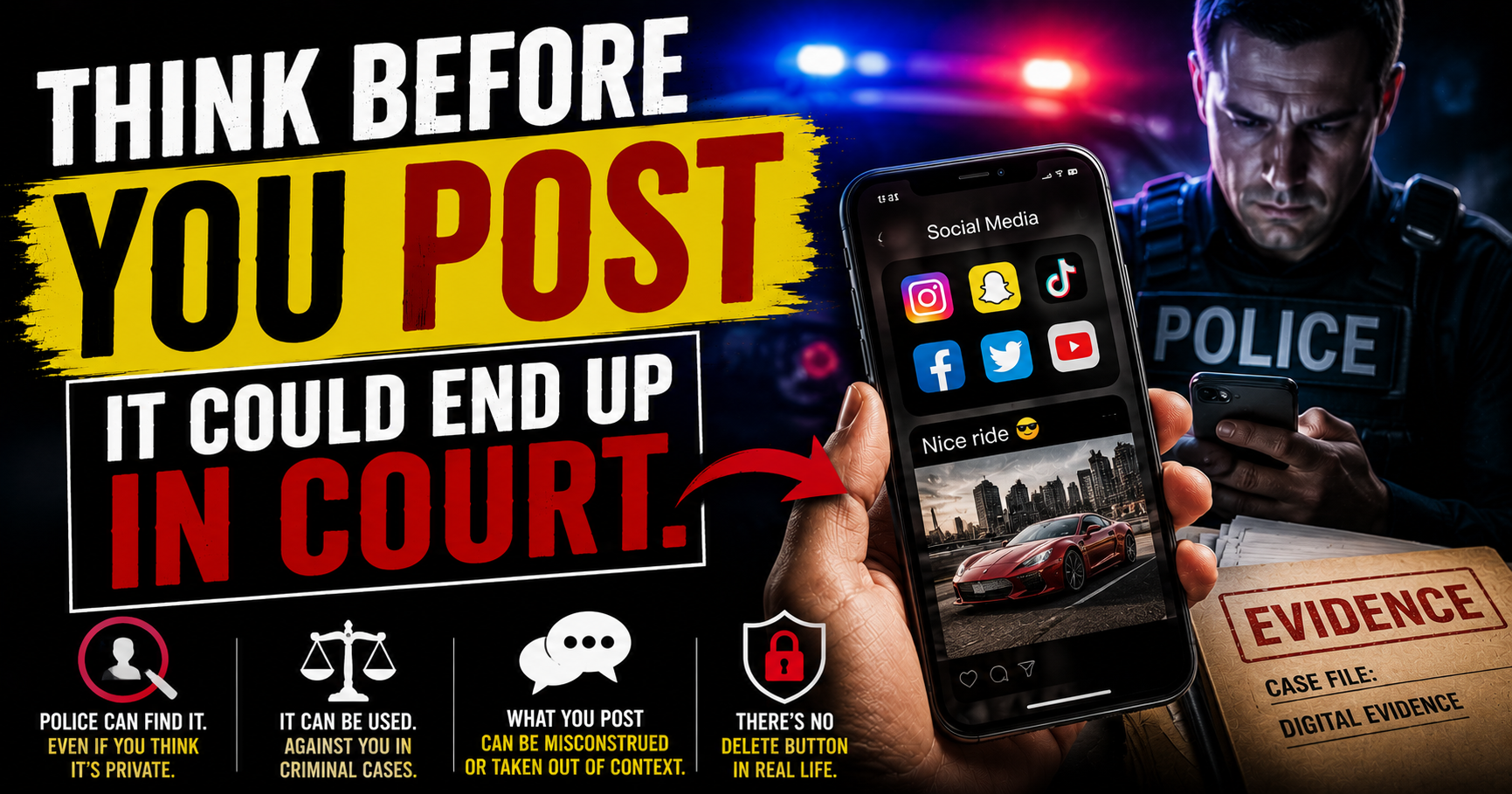
Can Police Use Your Social Media Posts Against You?
These topics all involve broader questions about digital privacy and personal information.
Technology Continues To Change The Conversation
A generation ago, most privacy discussions involved physical documents.
Today, digital information often receives the most attention.
Questions involving:
- Text messages
- Social media
- Smartphones
- Cloud storage
continue evolving as technology changes.
That is one reason courts, lawmakers, privacy advocates, and technology companies continue paying close attention to digital communications.

Deleted Messages May Not Be The Only Relevant Information
Many people focus entirely on the deleted message itself.
However, modern devices often contain other information that may become relevant in various situations.
For example:
- Contact information
- Message timestamps
- Account activity
- Device information
- Related communications
That is one reason deleted-message discussions are rarely limited to a single text message.
The Facts Usually Matter
One of the biggest misconceptions involving deleted texts is the belief that one rule applies to every phone and every situation.
The reality is often much more fact-specific.
Questions involving deleted messages frequently depend on:
- The device involved
- The technology involved
- Applicable laws
- Privacy expectations
- Specific facts
That is one reason digital-privacy issues continue generating so much public interest.

Backups Often Complicate The Discussion
One thing that surprises many people is that deleting a text message from a phone does not necessarily answer every question involving that message.
Modern devices often interact with:
- Cloud services
- Backup systems
- Messaging platforms
- Account synchronization tools
Because information may exist in multiple places, deleted-text discussions frequently become more complicated than people initially expect.
That is one reason technology continues playing such a large role in digital-privacy conversations.
Screenshots Have Changed Digital Communication
I’ve noticed that many people focus entirely on the original message itself.
However, text messages are often shared, copied, or preserved in other ways.
For example:
- Screenshots
- Screen recordings
- Forwarded messages
- Shared conversations
- Saved images
That reality has changed how many people think about digital communication.
Even when a message is removed from one location, questions sometimes remain regarding whether copies may exist elsewhere.


Text Messages Often Create Timelines
Another reason deleted texts attract attention is because text conversations often provide context.
A message thread may potentially reveal:
- Dates
- Times
- Conversations
- Relationships
- Events
- Sequences of activity
Because of that, discussions involving deleted texts frequently involve more than a single message.
People are often interested in the broader communication history as well.
Deleted Texts Are Part Of A Much Larger Privacy Conversation
I’ve found that deleted-message questions rarely exist in isolation.
Most people researching this topic also end up researching:
- Phone privacy
- Email privacy
- Social media activity
- Location tracking
- Online accounts
That is why digital-privacy issues have become one of the fastest-growing areas of constitutional-rights discussions.
For example, readers may also find helpful information in:
Can Police Track Your Phone Without Permission? What the Law Says
which explores how smartphones can generate information beyond text messages themselves.


Common Misconceptions About Deleted Text Messages
One misconception is that deleting a message guarantees it no longer exists anywhere.
Another misconception is that every deleted message can always be recovered.
The reality is often far more nuanced.
Technology, device settings, backups, applications, and the specific circumstances involved can all play a role.
That is one reason digital-privacy questions rarely have simple answers.
Modern Phones Are More Than Communication Devices
A generation ago, phones were primarily used to make calls.
Today, smartphones function as:
- Cameras
- Computers
- Navigation devices
- Banking tools
- Communication hubs
- Digital storage systems
Because modern devices perform so many functions, privacy concerns involving phones continue expanding.
Deleted text messages are only one small piece of a much larger digital ecosystem.
Digital Evidence Continues To Evolve
Technology changes rapidly.
As new devices, applications, and communication methods emerge, privacy-related questions continue evolving as well.
Issues involving:
- Text messages
- Social media
- Search history
- Cloud storage
are likely to remain important constitutional-rights topics for years to come.
Deleted Text Message Questions Often Lead To Other Privacy Topics
People researching deleted texts frequently continue exploring related digital-privacy issues.
For example:
Can Police Search Your Phone Without Permission?
Can Police Search Your Social Media? Before You Post, Read This
Can Police Use Your Social Media Posts Against You?
Can Police Search Your Email? What Every American Should Know
Together, these articles help explain how privacy rights continue adapting to modern technology.
Frequently Asked Questions
Can police access deleted text messages?
The answer often depends on factors such as the technology involved, device settings, backups, privacy laws, constitutional protections, and the specific facts involved.
Do deleted messages always disappear forever?
Many people assume this is true, but technology-related questions are often more complicated than they first appear.
Why do backups matter?
Modern devices frequently interact with backup systems and cloud services that may affect how information is stored.
Can screenshots make a difference?
Screenshots and other copies often create additional questions regarding digital communications.
Why are deleted texts considered important?
Text messages frequently contain conversations, timelines, and information that may become relevant in various situations.
Are deleted texts part of a larger privacy issue?
Yes. Questions involving deleted messages often overlap with broader discussions involving phones, email, social media, and digital privacy.
Why are digital-privacy laws constantly changing?
Technology evolves rapidly, requiring courts and lawmakers to address new questions on an ongoing basis.
Where can I learn more about constitutional rights?
You can browse additional topics in our:
Constitutional Rights Category
Important Information
This article is provided for educational and informational purposes only and should not be considered legal advice. Constitutional protections, privacy laws, electronic-communications laws, criminal procedure rules, and digital-privacy issues vary depending on the facts involved and applicable laws. Consult a qualified attorney regarding your specific situation.
For more information about our content standards, visit our Editorial Policy and Fact-Checking Policy pages.
Additional information about this website can be found on our About Us, Contact Us, FAQ, Disclaimer, and Terms and Conditions pages.
About the Author
Michael Carter is a legal research contributor for Legal Know It All who focuses on constitutional rights, criminal law, police procedures, privacy issues, and individual liberties. He researches common legal questions involving searches, investigations, digital privacy, and constitutional protections while helping readers understand complex legal topics in clear, practical language.
As an Amazon Associate we earn from qualifying purchases through some links in our articles. Learn more.