
What Happens If Someone Refuses to Leave Your Property?
Learn what happens if someone refuses to leave your property, common trespassing situations, and what property owners should know.
Browse answers to common legal questions covering a wide range of legal topics that affect everyday Americans. Learn about rights, responsibilities, legal procedures, and common legal situations in plain English.
Learn what happens if someone refuses to leave your property, common trespassing situations, and what property owners should know.
Who owns a tree growing on the property line? Learn how boundary trees are generally treated and what homeowners should know before cutting one.
Not every police encounter is the same. Learn what Americans should know about leaving a police encounter and how different situations may affect your rights.
A Terry stop is one of the most important Fourth Amendment concepts. Learn what it is, why it matters, and how it differs from an arrest.

Learn how Facebook, Instagram, TikTok, and other social media posts can affect an insurance claim and what mistakes claimants should avoid.
A backpack or purse may contain your most personal belongings. Before handing it over, here’s what many Americans misunderstand about searches and privacy rights.
Learn when police can legally search your car, when they need consent, how probable cause works, and what rights drivers have during traffic stops.
A handshake deal may be enforceable even without a signature if there was an offer, acceptance, consideration, and intent to agree. The harder part is proving the terms later, which makes texts, emails, receipts, and witnesses especially valuable.
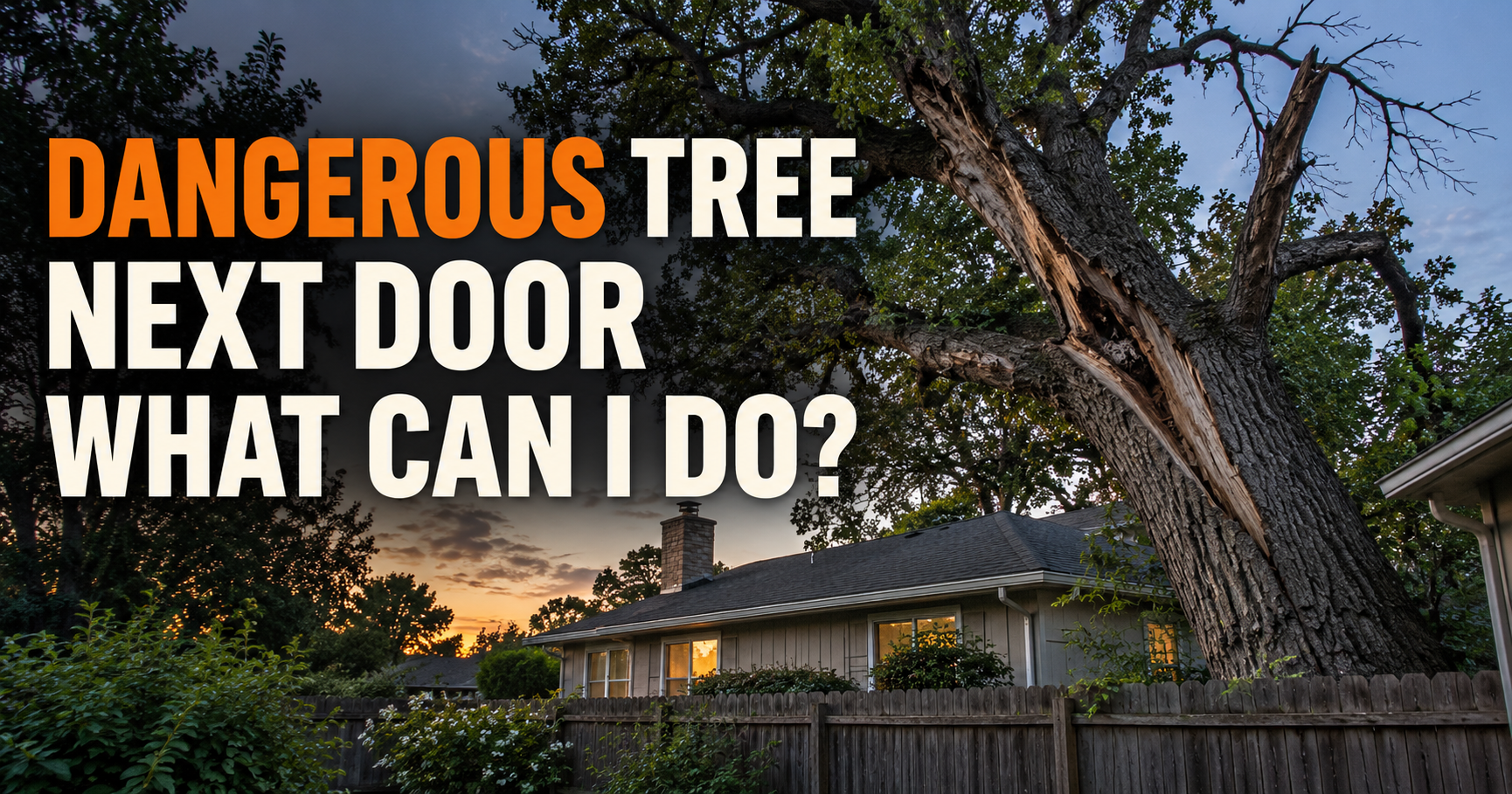
Can you make a neighbor remove a dangerous tree? Learn your legal options, when they may be responsible, and what to do next.
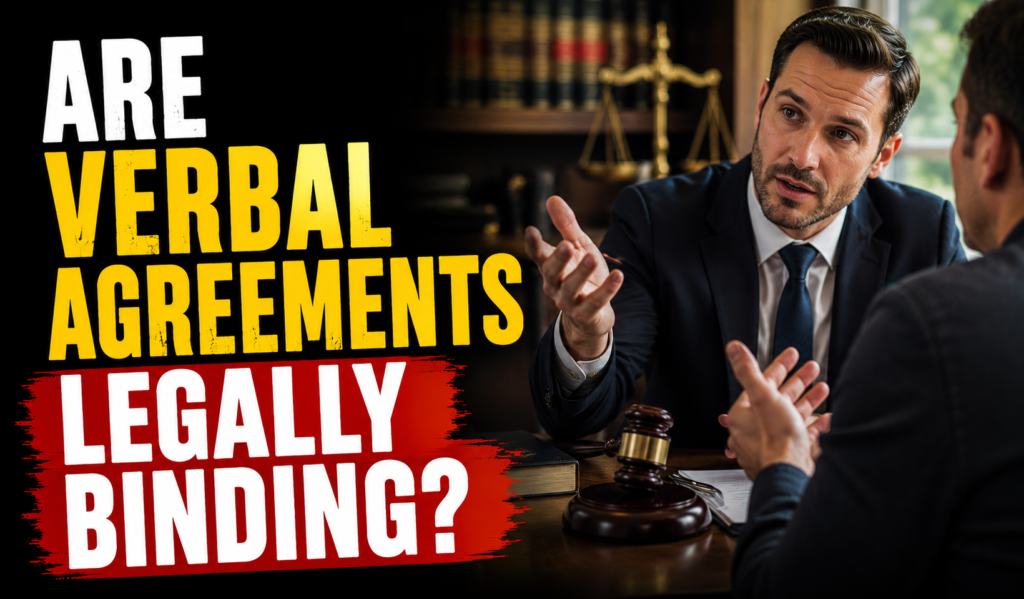
Learn when verbal agreements can be legally binding, what makes an oral contract enforceable, and how courts determine whether a valid agreement exists.

Learn why insurance companies delay claims, when delays may be normal, and what policyholders can do when a claim is taking longer than expected.
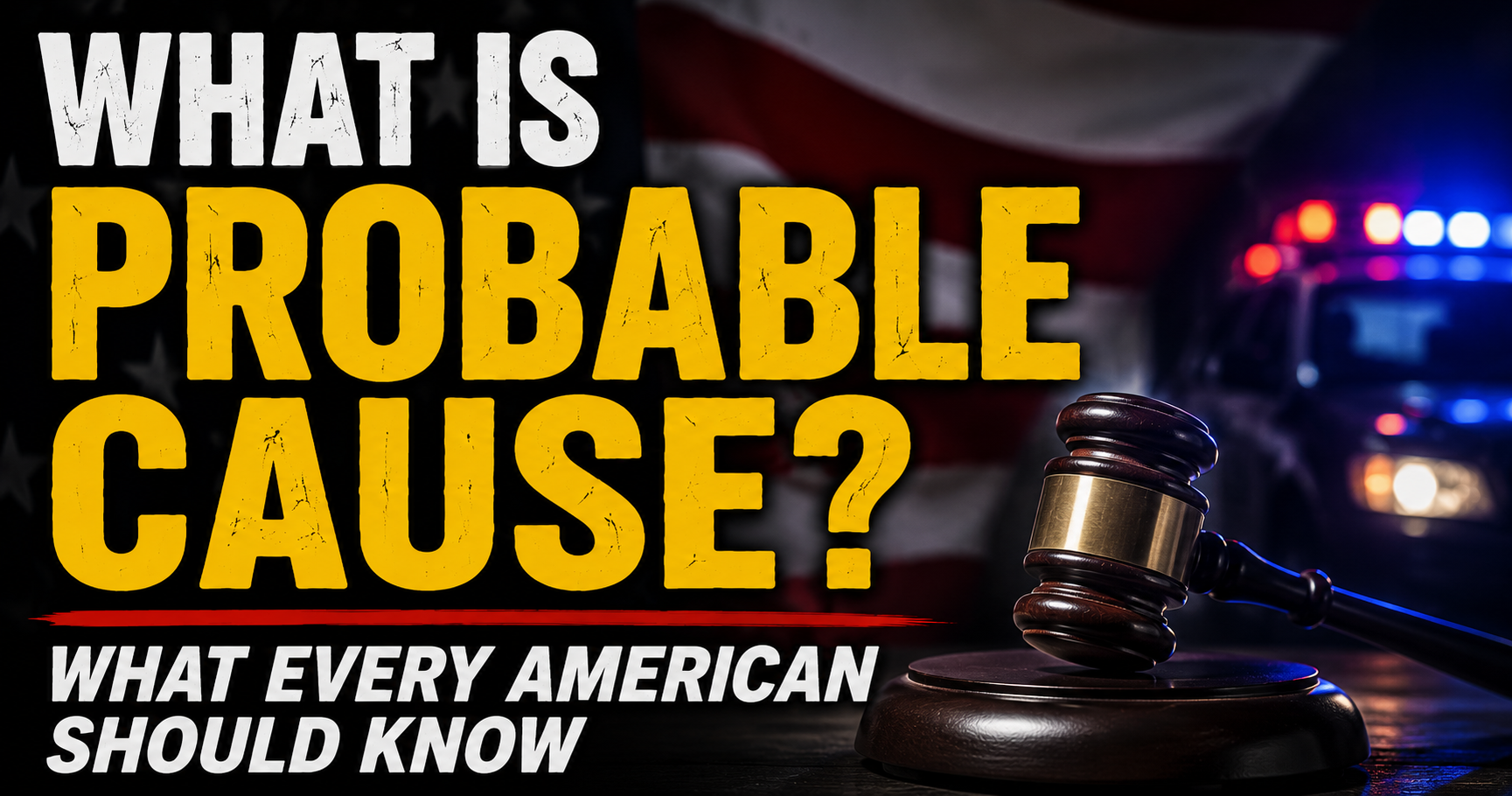
Probable cause is one of the most important legal standards in the Fourth Amendment. Learn what it means, why it matters, and how it differs from reasonable suspicion.