
You’ve probably heard the phrase “probable cause” countless times.
Police officers mention it.
Attorneys argue about it.
Judges discuss it.
Television shows use it in almost every criminal case.
Yet despite how common the phrase has become, many Americans still aren’t sure what probable cause actually means.
Some people think it means police know someone is guilty.
Others believe it’s simply another way of saying reasonable suspicion.
Neither is correct.
Understanding probable cause is one of the best ways to understand how the Fourth Amendment protects Americans from unreasonable searches and seizures while still allowing law enforcement to investigate crimes. Although the Fourth Amendment requires probable cause for warrants, the Constitution does not define the term. Instead, courts have developed the standard through decades of judicial decisions.
Quick Answer
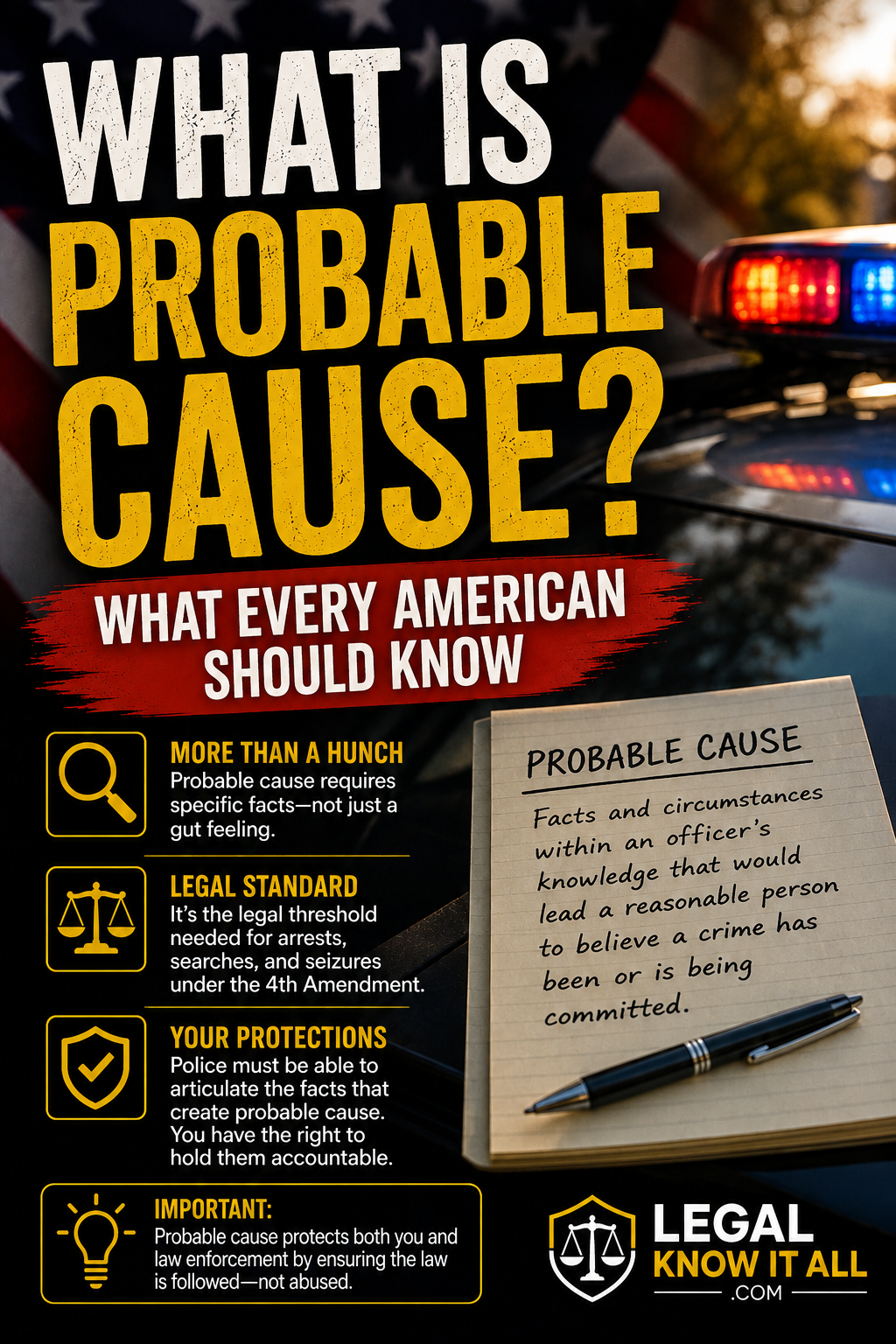
Probable cause is a legal standard that generally exists when the known facts and circumstances would lead a reasonable person to believe that a crime has been committed, that someone committed it, or that evidence of a crime will be found in a particular place. It is generally a higher legal standard than reasonable suspicion.
Why Probable Cause Matters
The Fourth Amendment protects people from unreasonable searches and seizures.
At the same time, police officers need legal authority to investigate crimes, make arrests, and obtain search warrants.
Probable cause serves as one of the primary legal standards used to balance those competing interests.
Because it appears in so many criminal cases, probable cause has become one of the cornerstones of constitutional law.

Probable Cause Is A Higher Standard Than Reasonable Suspicion
One of the biggest misconceptions I see is people using these two legal standards interchangeably.
They are related, but they are not the same.
Generally speaking, reasonable suspicion allows more limited investigative actions, while probable cause is a higher standard commonly associated with arrests, many searches, and search warrants.
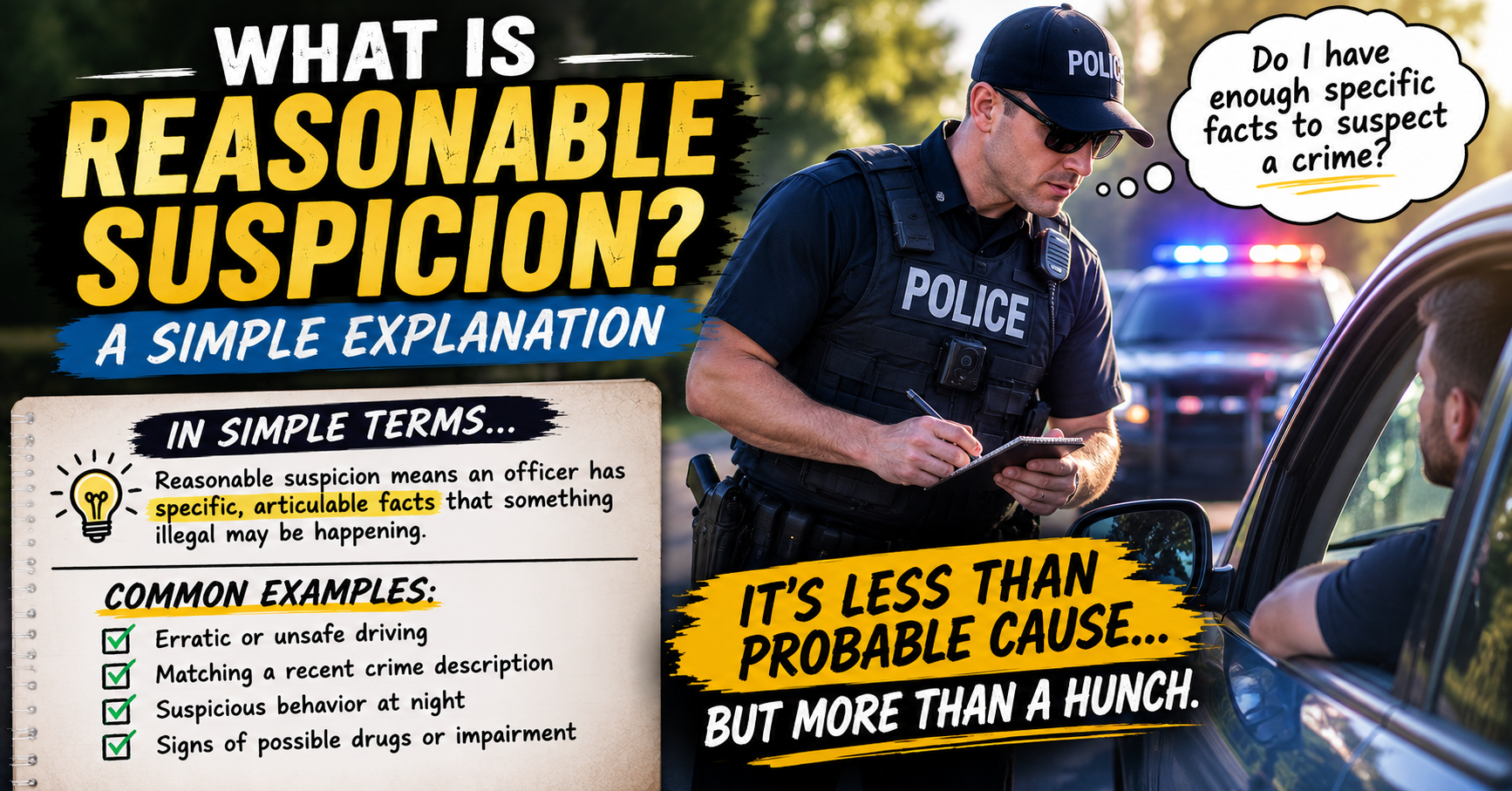
If you’re still learning how these legal standards work, I recommend reading What Is Reasonable Suspicion? A Simple Explanation first because it provides the foundation for understanding probable cause.
Probable Cause Does Not Mean Proof Beyond A Reasonable Doubt
Another misunderstanding is that probable cause means police have enough evidence to guarantee a conviction.
That’s not how the legal system works.
Probable cause is significantly lower than the standard required to convict someone at trial.
Instead, courts generally describe it as a practical, common-sense determination based on the facts known at the time.


Why Courts Focus On Facts Instead Of Guesswork
I’ve found that many people believe probable cause can be based on nothing more than an officer’s opinion.
Courts have consistently explained that probable cause depends on facts and circumstances rather than unsupported conclusions or mere suspicion. The analysis typically looks at the totality of the circumstances instead of relying on a single fact by itself.
Probable Cause Appears In Many Everyday Situations
Although many people associate probable cause with criminal investigations, the concept appears in numerous situations involving law enforcement.
These commonly include:
- Arrests
- Search warrants
- Vehicle searches
- Property searches
- Criminal investigations
Because probable cause affects so many interactions between police and the public, understanding the concept helps explain many other constitutional-rights questions.
Probable Cause Often Builds On Earlier Police Encounters
Many investigations do not begin with probable cause.
Instead, officers may first observe a situation, gather information, speak with witnesses, or conduct a lawful investigation before deciding whether probable cause exists.
That is one reason police encounters often develop in stages rather than all at once.
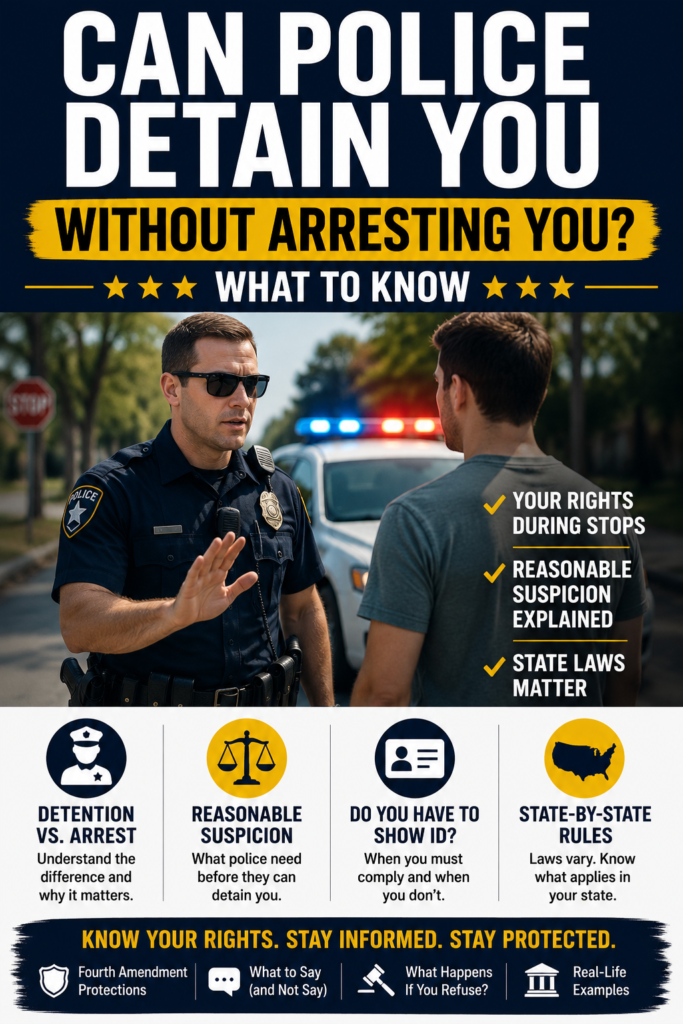
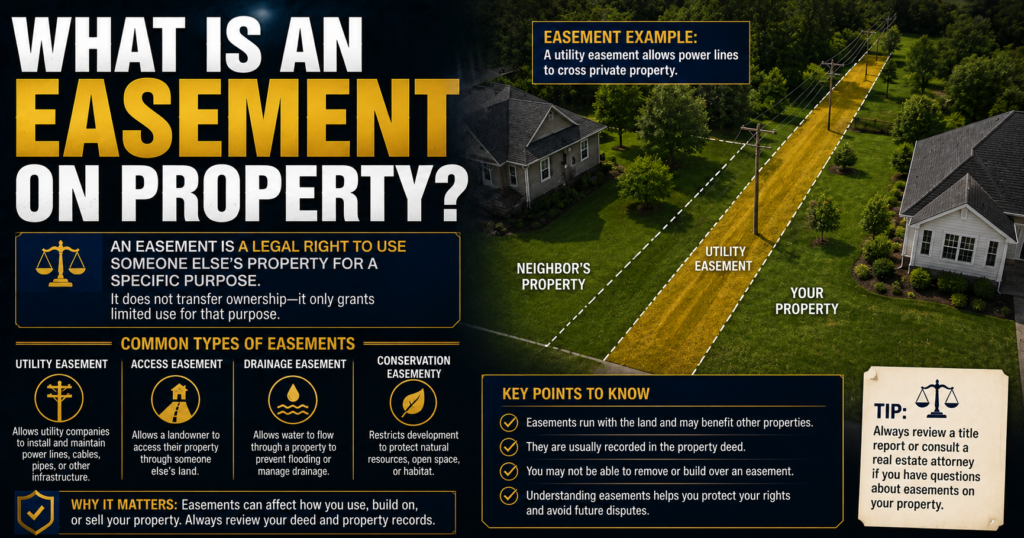
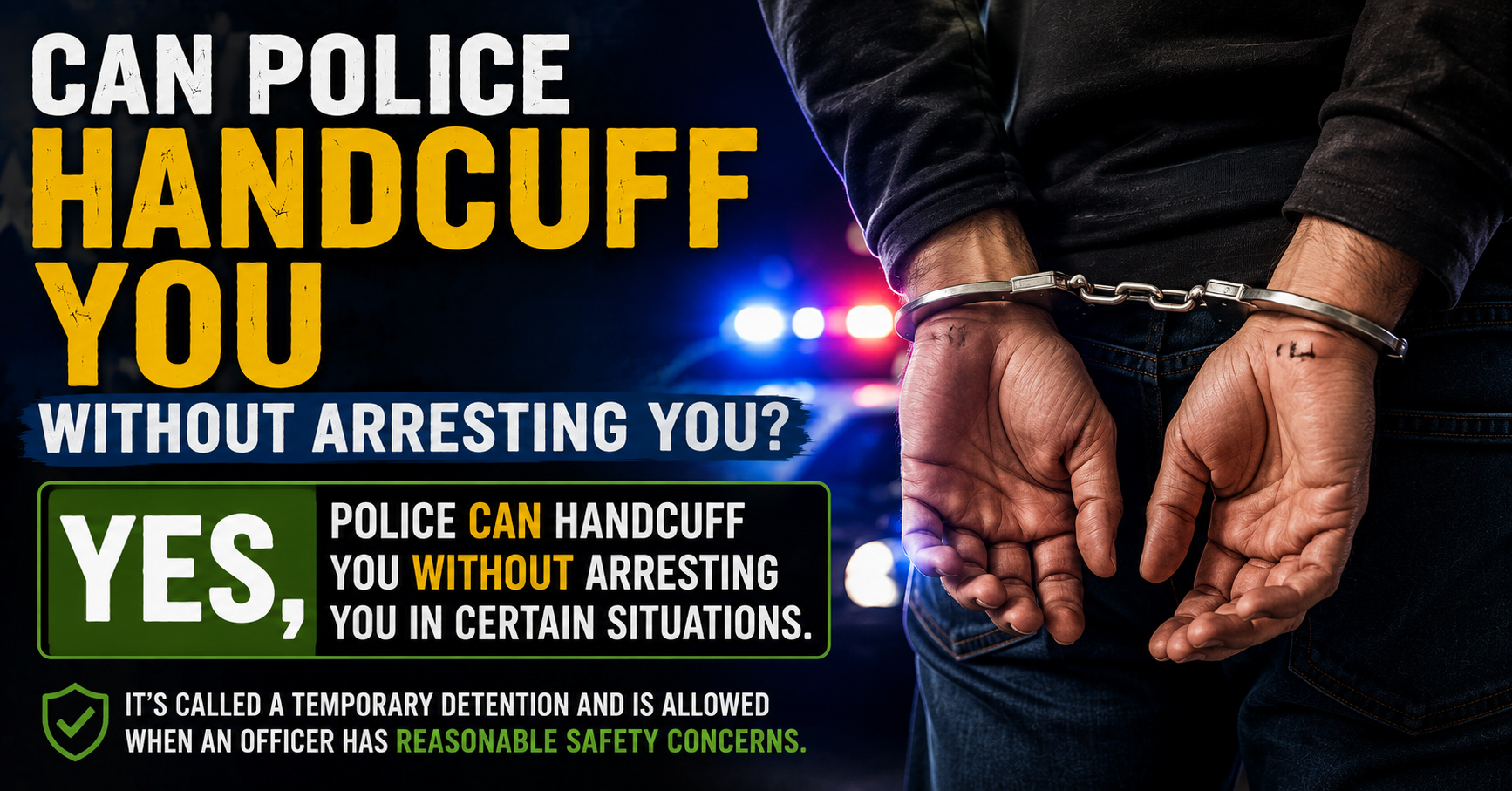
If you’re trying to understand how those early interactions work, you may also find Can Police Detain You Without Arresting You? What to Know helpful.
Probable Cause Is Evaluated Using The Totality Of The Circumstances
One thing I’ve noticed is that many people expect probable cause to depend on one specific piece of evidence.
In reality, courts generally look at the entire picture.
Instead of asking whether one fact alone proves something, courts typically consider all of the known facts and circumstances together.
That approach is commonly referred to as the “totality of the circumstances.”
Because every investigation is different, probable cause often depends on how all of the available information fits together rather than on any single observation.



Probable Cause Does Not Automatically Mean Someone Is Guilty
Another common misconception is that probable cause means police already know someone committed a crime.
That is not the purpose of the standard.
Probable cause is used during investigations and other stages of the legal process. It is not the same as proving guilt in court.
A criminal conviction requires proof beyond a reasonable doubt, which is a much higher legal standard.
Understanding that distinction helps explain why probable cause and a criminal conviction are two very different things.
Search Warrants Often Involve Probable Cause
One of the situations where people hear this phrase most often is when search warrants are discussed.
Generally speaking, judges review information presented by law enforcement to determine whether probable cause exists before issuing many search warrants.
That process is one of the constitutional safeguards built into the Fourth Amendment.
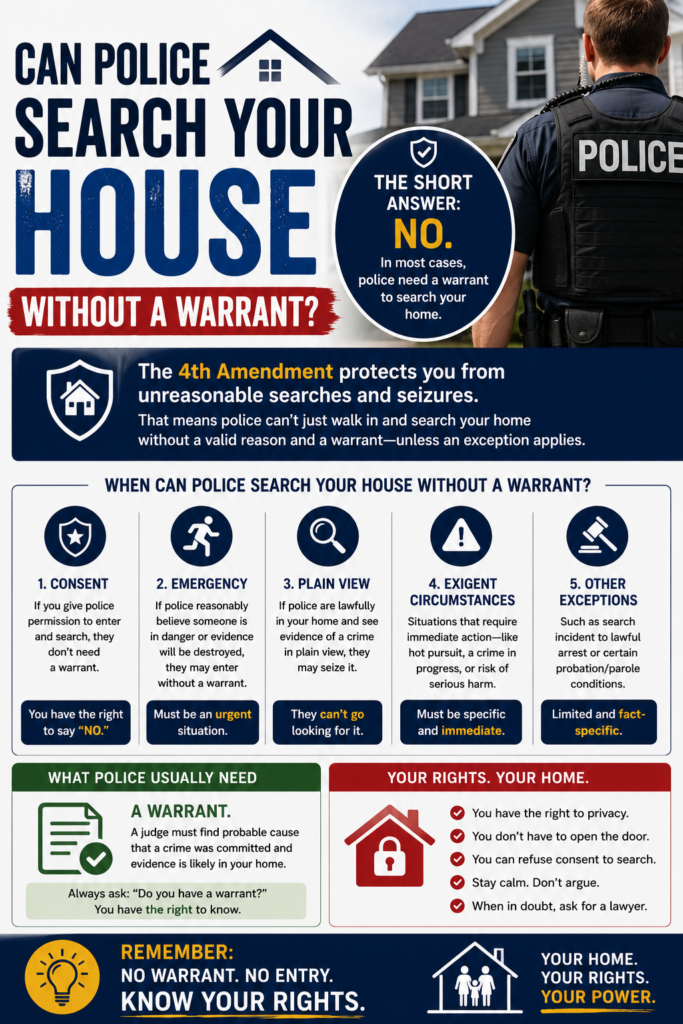
If you’re interested in how search warrants relate to constitutional protections, you may also find Can Police Search Your House Without a Warrant? helpful.
Probable Cause Plays A Role In Arrest Decisions
Probable cause is also commonly associated with arrests.
Although every situation is unique, this legal standard frequently becomes part of the discussion when courts review whether an arrest complied with constitutional requirements.
Because arrests have such a significant impact on an individual’s rights, probable cause continues to be one of the most closely examined concepts in criminal law.
Why Understanding Probable Cause Matters
I’ve found that once people understand probable cause, many other constitutional-rights topics begin making much more sense.
Questions involving:
- Police encounters
- Traffic stops
- Arrests
- Search warrants
- Property searches
often connect back to this single legal concept.
That is one reason probable cause serves as a cornerstone of Fourth Amendment law.
Common Misconceptions About Probable Cause
One misconception is that probable cause and reasonable suspicion are identical.
Another is that probable cause means police already have enough evidence to convict someone.
Neither is correct.
Probable cause is generally a higher legal standard than reasonable suspicion, but it remains lower than the proof required for a criminal conviction.
Because different legal standards serve different purposes, it is important not to confuse them.
Frequently Asked Questions
What is probable cause?
Probable cause is a legal standard that generally exists when the known facts and circumstances would lead a reasonable person to believe that a crime has been committed, someone committed it, or evidence of a crime will be found in a particular place.
Is probable cause the same as reasonable suspicion?
No. Although the two concepts are closely related, probable cause is generally considered a higher legal standard.
Does probable cause mean someone is guilty?
No. Probable cause is not proof of guilt. A criminal conviction requires proof beyond a reasonable doubt, which is a much higher standard.
Why is probable cause important?
It plays a major role in many constitutional questions involving arrests, search warrants, criminal investigations, and the Fourth Amendment.
Why do courts consider the totality of the circumstances?
Courts generally evaluate all of the relevant facts together instead of focusing on one fact in isolation.
Does probable cause apply only to criminal cases?
It most commonly arises in criminal investigations and Fourth Amendment issues, particularly when courts evaluate searches, arrests, and warrants.
Where can I learn more about constitutional rights?
Browse our Constitutional Rights category for additional guides covering police encounters, searches, privacy rights, and other constitutional issues.
Important Information
This article is provided for educational and informational purposes only and should not be considered legal advice. Constitutional protections, Fourth Amendment law, criminal procedure rules, search-and-seizure laws, and police practices vary depending on the facts involved and applicable laws. If you need legal advice regarding your specific situation, consult a qualified attorney licensed in your jurisdiction.
For more information about our editorial standards, visit our Editorial Policy and Fact-Checking Policy pages.
You can also learn more about Legal Know It All by visiting our About Us, Contact Us, FAQ, Disclaimer, and Terms and Conditions pages.
About the Author
Sarah Mitchell is a legal research contributor for Legal Know It All who focuses on constitutional rights, police encounters, civil rights, and criminal law. She researches common legal questions involving law enforcement interactions, Fourth Amendment issues, and constitutional protections while helping readers understand complex legal concepts in clear, practical language.