
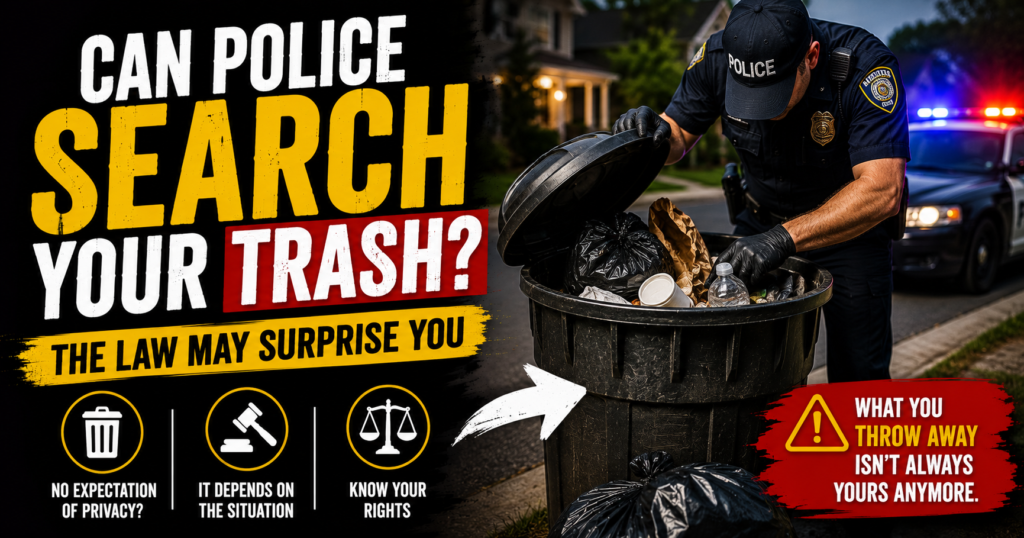
Most people never think twice about what happens after they take the trash to the curb.
The garbage truck arrives.
The trash disappears.
Life moves on.
But what if police become interested in what’s inside those bags?
That question has surprised countless homeowners over the years.
I’ve found that many Americans assume trash receives the same privacy protections as items kept inside their homes.
Others assume the moment garbage leaves the house, all privacy rights disappear.
As with many constitutional-rights topics, the reality is more nuanced than many people expect.
Quick Answer
Whether police may search trash often depends on factors such as location, privacy expectations, specific circumstances, constitutional protections, and applicable laws. Questions involving garbage searches have been the subject of significant legal debate for decades.
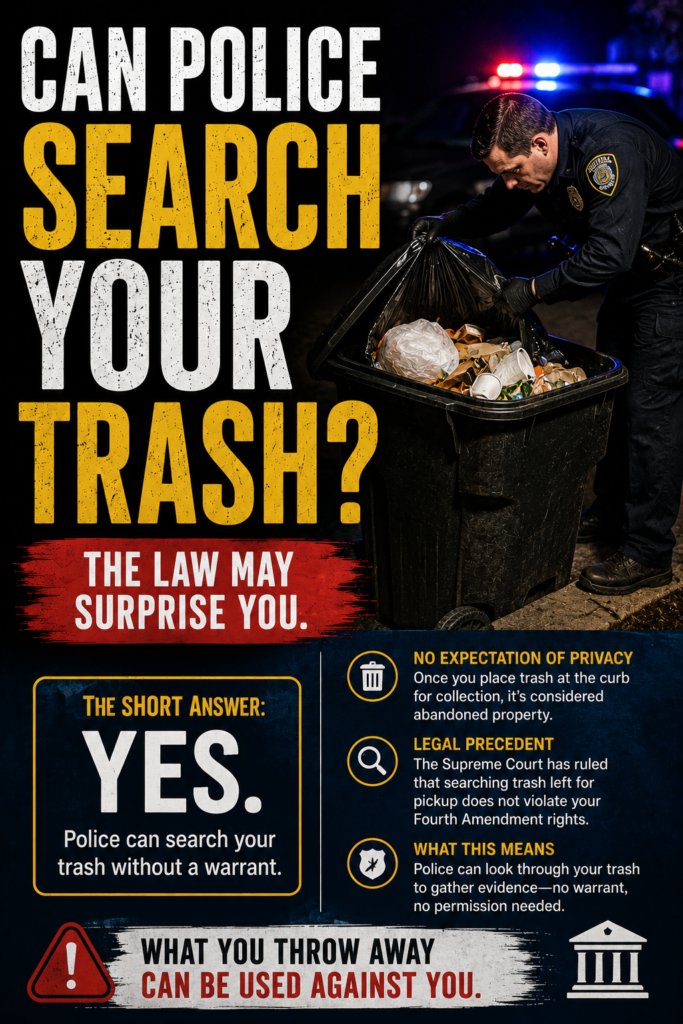
Why Trash Searches Surprise So Many People
One reason this topic generates so much attention is because people throw away incredibly personal information.
A typical garbage bag may contain:
- Financial records
- Prescription containers
- Receipts
- Personal correspondence
- Packaging
- Household information
Many homeowners are surprised to learn how much information can potentially be gathered from ordinary trash.
That is one reason garbage searches continue to generate constitutional-rights questions.
Privacy Expectations Are At The Center
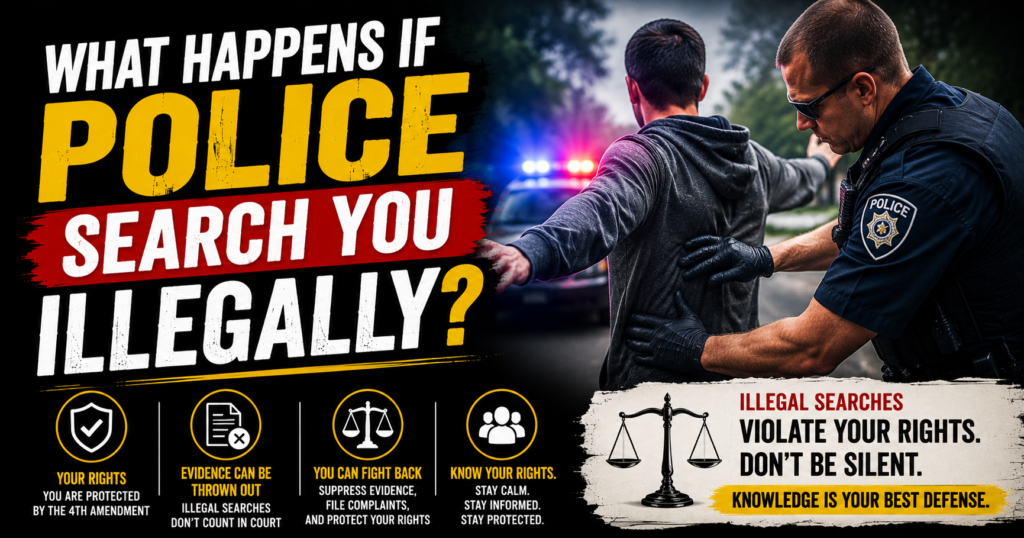
Like many Fourth Amendment issues, trash-search discussions often focus on privacy expectations. Those privacy questions also matter when examining What Happens If Police Search You Illegally?.
People frequently ask:
- Is garbage still private?
- Does location matter?
- What if the trash is on private property?
- What if it is at the curb?
Those questions are often far more important than the garbage itself.
Trash Searches Often Start Larger Investigations
One thing I’ve noticed is that garbage searches are rarely the end goal.
Instead, they often become part of broader investigations involving:
- Criminal activity
- Property crimes
- Drug investigations
- Fraud investigations
- Financial crimes
Because of that, trash searches are frequently discussed alongside other search-and-seizure issues.
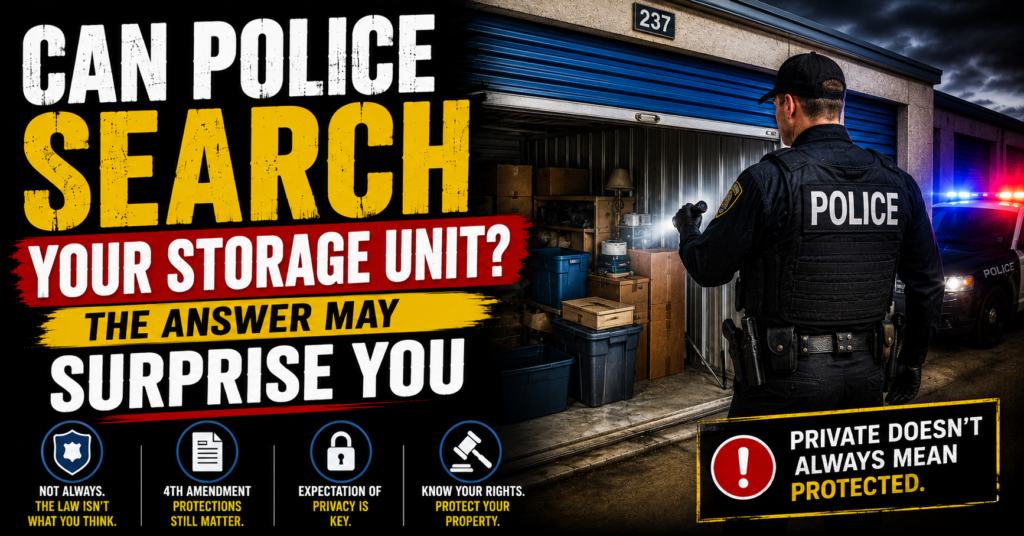
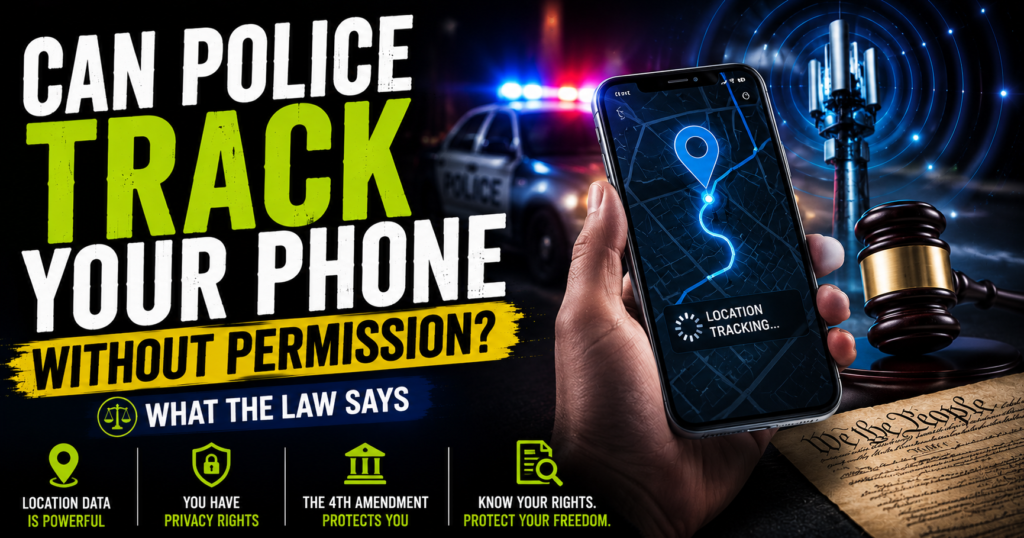
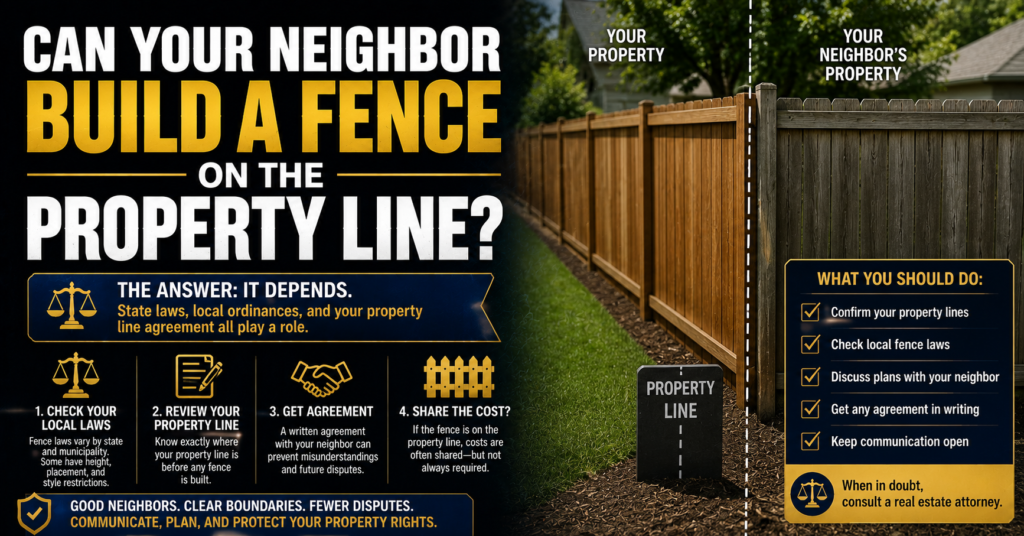
Location Can Become Extremely Important
Many constitutional-rights questions involving trash come down to one key issue:
Where was the trash located?
I’ve found that people often focus entirely on the contents of the garbage while overlooking where it was placed.
Questions involving:
- Curbs
- Alleys
- Driveways
- Side yards
- Private property
often become central to these discussions.
Trash Searches And Property Rights Sometimes Overlap
Because garbage is often located near homes, trash-search questions sometimes overlap with property-rights issues.
For example, readers may also be interested in:

Can Police Enter Private Property Without Permission?
Understanding how property access and privacy expectations interact can help explain why garbage-search cases often become complex.
Trash Searches Often Lead To Other Search Questions
People researching garbage searches frequently continue researching other constitutional-rights topics.
You may also find helpful information in:
Can Police Search Your House Without a Warrant?

Can Police Search Your Car Without Permission?
Can Police Search Your Hotel Room? Know Your Rights
Can Police Search Your Backpack or Purse? Know Your Rights
These topics are all part of the broader discussion involving searches, privacy, and constitutional protections.
Why Homeowners Care About This Topic
I’ve found that most people are not concerned about the trash itself.
They are concerned about the information it may reveal.
Modern garbage often contains clues about:
- Daily routines
- Purchases
- Medical conditions
- Financial activities
- Household members
That is why trash searches continue to generate strong public interest.

The Facts Usually Matter
One of the biggest mistakes people make is assuming there is a single rule that applies in every situation.
The reality is that search-and-seizure issues often depend heavily on:
- Location
- Circumstances
- Privacy expectations
- Applicable laws
- Specific facts
That is one reason legal professionals often focus closely on the details surrounding a particular situation.
What About Trash Left At The Curb?
One reason trash-search questions generate so much debate is because garbage often moves through different locations before collection day.
A homeowner may keep trash:
- Inside the home
- In a garage
- Beside the house
- Near a driveway
- At the curb
I’ve found that many people assume those locations are all treated exactly the same.
That assumption is one reason so many misunderstandings exist surrounding trash searches.
Questions involving where garbage is located frequently become central to legal discussions.
Apartment Complexes Create Additional Questions
People living in apartments, condominiums, and multi-family housing often face a different set of concerns.
Instead of placing trash at an individual curb, they may use:
- Shared dumpsters
- Community trash bins
- Collection areas
- Common waste facilities
Because multiple residents often use the same disposal areas, questions involving privacy expectations can become even more complicated.
That is one reason apartment-related trash issues often receive separate attention.
Businesses Face Similar Concerns
Homeowners are not the only people interested in garbage searches.
Business owners often wonder about:
- Office trash
- Financial records
- Customer information
- Business documents
- Employee records
Many businesses dispose of large amounts of potentially sensitive information every day.
Because of that, trash-related privacy concerns extend far beyond residential neighborhoods.
Why People Are Often Shocked By Trash Cases
I’ve noticed that people tend to think about privacy in a very practical way.
Their reasoning is usually simple:
“I threw it away, but I still considered it private.”
That belief makes sense from a common-sense perspective.
However, constitutional-rights discussions often focus on legal concepts that can differ from what people personally expect.
That disconnect is one reason garbage-search cases continue generating public debate.
Modern Trash Contains More Information Than Ever
One thing that has changed dramatically over the years is the amount of information people discard.
Today’s garbage may contain:
- Shipping labels
- Online purchase information
- Prescription packaging
- Financial records
- Personal correspondence
- Technology packaging
Because modern households generate so much information, trash searches often raise concerns that previous generations rarely considered.
Common Misconceptions About Trash Searches
One misconception is that trash automatically loses all privacy protections the moment it leaves a house.
Another misconception is that garbage always receives the same protections as items kept inside a home.
The reality is usually more nuanced.
That is why garbage-search issues continue appearing in courts and legal discussions.
Trash Searches Often Connect To Other Fourth Amendment Topics
People interested in trash-search issues often continue researching other constitutional-rights questions.
For example:
Can Police Search Your House Without a Warrant?
Can Police Search Your Car Without Permission?
Can Police Search Your Hotel Room? Know Your Rights
Can Police Search Your Phone Without Permission?
Together, these topics help explain many of the privacy-related questions Americans ask most frequently.
Frequently Asked Questions
Can police search your trash?
The answer often depends on factors such as location, privacy expectations, specific circumstances, constitutional protections, and applicable laws.
Does it matter where the trash is located?
Location frequently becomes one of the most important factors in garbage-search discussions.
What about apartment dumpsters?
Shared disposal areas often raise different questions than individual residential trash collection.
Can trash searches lead to larger investigations?
Garbage searches are often discussed in connection with broader investigations and search-and-seizure issues.
Why do people care so much about trash searches?
Modern garbage may contain a surprising amount of personal, financial, and household information.
Are trash searches connected to Fourth Amendment rights?
Yes. Many garbage-search discussions involve privacy expectations and constitutional protections.
Why is there so much confusion about garbage searches?
Many people apply common-sense privacy expectations that do not always align with legal analysis.
Where can I learn more about constitutional rights?
You can explore additional topics in our:
Constitutional Rights Category
Important Information
This article is provided for educational and informational purposes only and should not be considered legal advice. Constitutional protections, search-and-seizure laws, criminal procedure rules, and privacy-rights issues vary depending on the facts involved and applicable laws. Consult a qualified attorney regarding your specific situation.
For more information about our content standards, visit our Editorial Policy and Fact-Checking Policy pages.
Additional information about this website can be found on our About Us, Contact Us, FAQ, Disclaimer, and Terms and Conditions pages.
About the Author
Michael Carter is a legal research contributor for Legal Know It All who focuses on constitutional rights, criminal law, police procedures, and individual liberties. He researches common legal questions involving searches, investigations, questioning, and constitutional protections while helping readers understand legal concepts in clear, practical language.